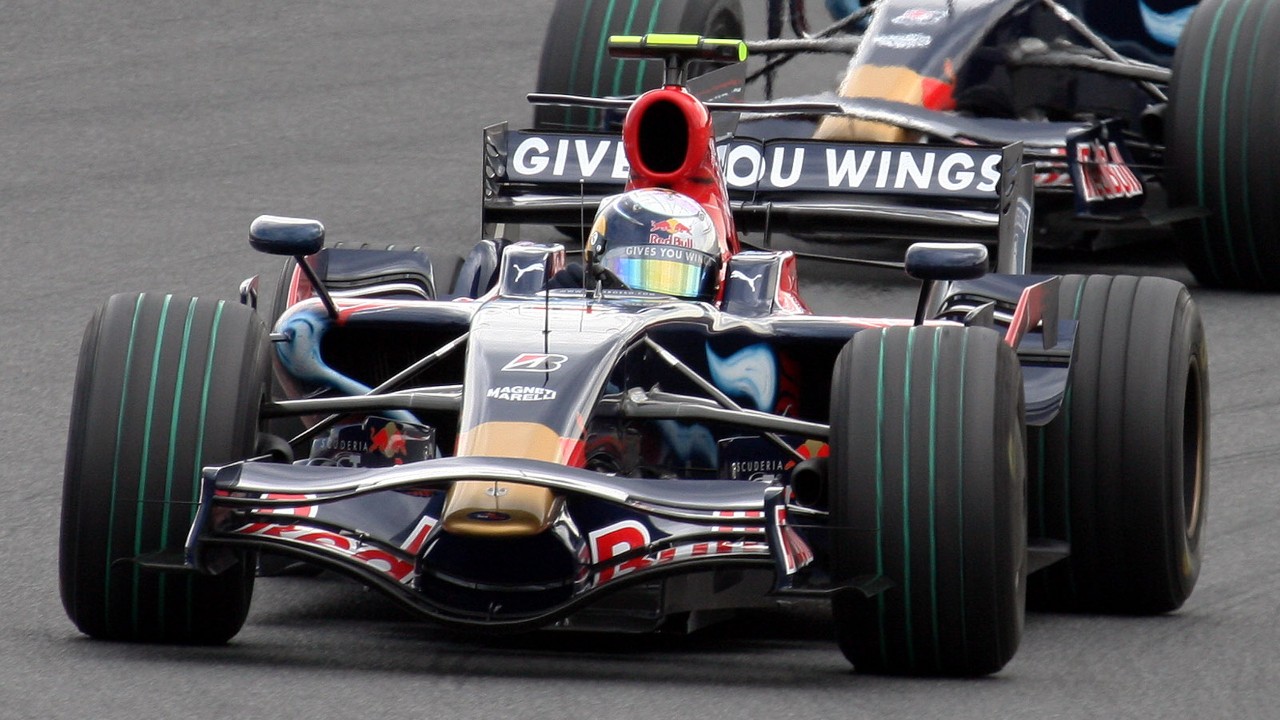
In the high-stakes world of motorsport, race engineers rely heavily on telemetry to make instantaneous decisions that could determine the outcome of a race. Telemetry provides real-time data that allows teams to monitor vehicle performance and make strategic adjustments. This technology is crucial for ensuring that drivers and their vehicles perform optimally throughout the race, offering a clear competitive advantage in an arena where every millisecond counts.
Understanding Telemetry in Motorsport
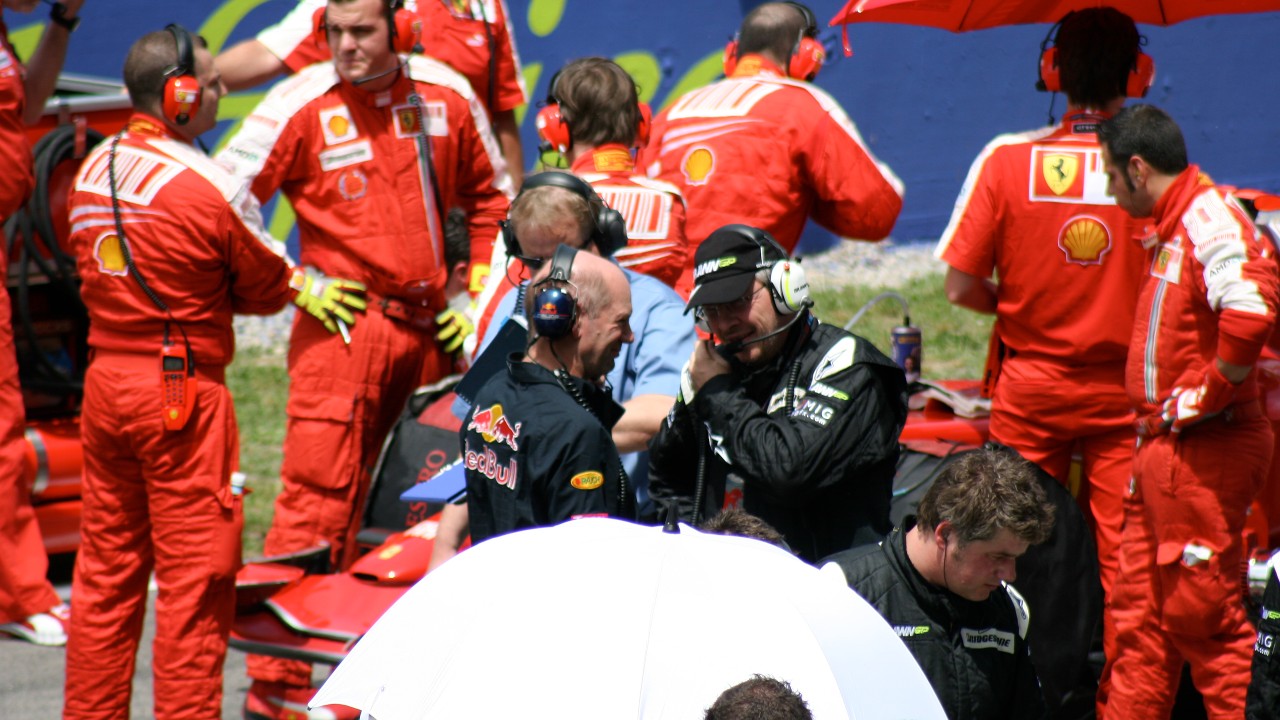
Telemetry in motorsport refers to the automated communication process by which measurements and other data are collected at remote or inaccessible points and transmitted to receiving equipment for monitoring. At its core, telemetry includes a variety of sensors placed strategically throughout the vehicle, as well as data transmission systems that send the information back to the pit crew. These sensors measure a range of variables, from tire pressure to engine performance metrics, which are crucial for making informed decisions during a race.
The evolution of telemetry in motorsport has been nothing short of revolutionary. Initially, teams relied on basic data logging systems, which required post-race analysis. However, advances in technology have allowed for real-time data transmission, enabling teams to analyze and react instantaneously. This evolution has transformed racing strategies and has been instrumental in the success of teams in high-profile competitions such as Formula 1. The ability to make real-time adjustments based on telemetry data has become a defining feature of modern racing.
In today’s racing environment, telemetry is indispensable. It provides teams with a comprehensive understanding of their vehicle’s performance and potential issues. By leveraging telemetry, teams can make data-driven decisions that enhance the car’s performance, ensure the driver’s safety, and ultimately improve their chances of success. The competitive edge offered by telemetry is evident in races where split-second decisions can mean the difference between victory and defeat.
Types of Telemetry Data
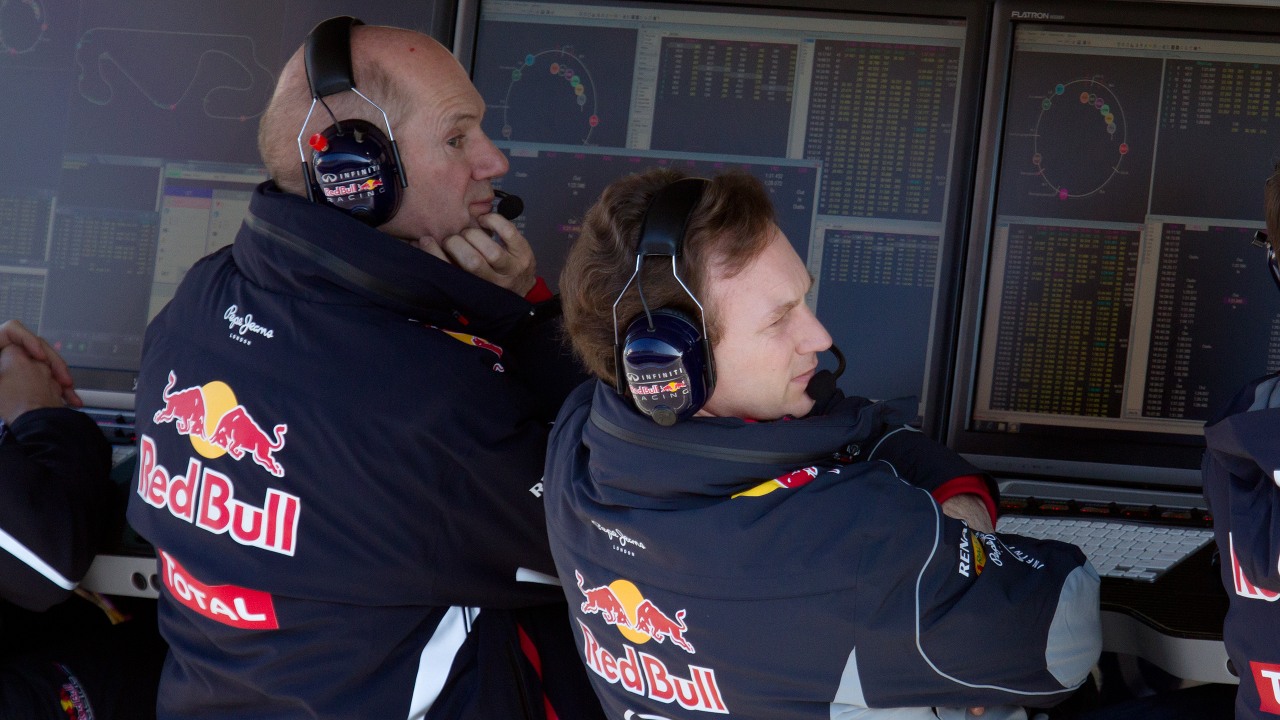
Telemetry data can be broadly categorized into three main types: vehicle dynamics data, engine and power unit data, and environmental and track conditions. Each category provides critical insights that inform race strategy and vehicle management.
Vehicle dynamics data includes information about speed, acceleration, braking, and tire performance. This data helps engineers understand how the car is handling and allows them to make necessary adjustments. For instance, if tire degradation is detected, engineers can advise the driver to modify their driving style or schedule an earlier pit stop. In Formula 1, teams rely heavily on such data to maintain optimal tire performance throughout the race.
Engine and power unit data focus on metrics such as engine temperature, fuel efficiency, and power output. Monitoring these parameters is vital for ensuring that the engine operates within safe limits and performs efficiently. For example, if sensors indicate that the engine is overheating, engineers can instruct the driver to adjust their driving to avoid potential damage. This type of data is crucial for maintaining the vehicle’s reliability and performance.
The third category, environmental and track conditions, involves monitoring weather patterns and track surface data. This information is vital for making strategic decisions regarding tire selection and pit stop timing. By understanding how weather conditions impact the track, teams can adapt their strategies to gain a competitive advantage. In races where weather conditions can change rapidly, such as the Belgian Grand Prix, this data is particularly valuable.
Real-Time Data Analysis
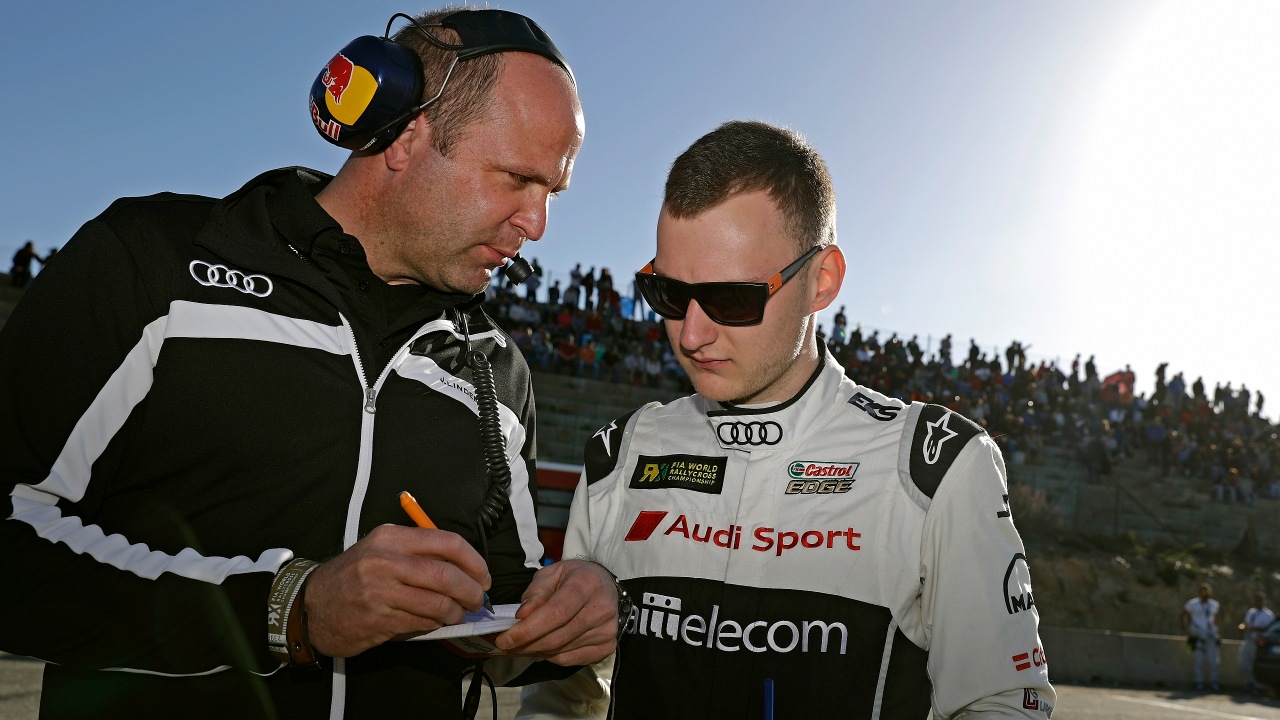
Real-time data analysis is central to the decision-making process during a race. Engineers use the telemetry data to make immediate decisions, such as when to call for a pit stop or change tires. These decisions are often made in a matter of seconds and can significantly impact the race outcome. For instance, a well-timed pit stop can position a driver favorably for the final laps, while a poorly timed one can result in a loss of valuable seconds.
Predictive modeling and simulations are also crucial tools for race engineers. By running simulations based on real-time data, engineers can anticipate potential issues and opportunities. For example, if data suggests that a particular component is likely to fail, engineers can take proactive steps to mitigate the risk. This capability is a significant advantage in a sport where reliability is just as important as speed.
Effective communication between race engineers and drivers is another critical aspect of telemetry use. Telemetry data provides a wealth of information that engineers relay to drivers to optimize performance. Whether it’s advising on fuel management or adjusting driving lines for better cornering, the insights gained from telemetry are invaluable for achieving optimal results. This dynamic communication loop is a defining feature of modern motorsport strategy.
Challenges and Limitations
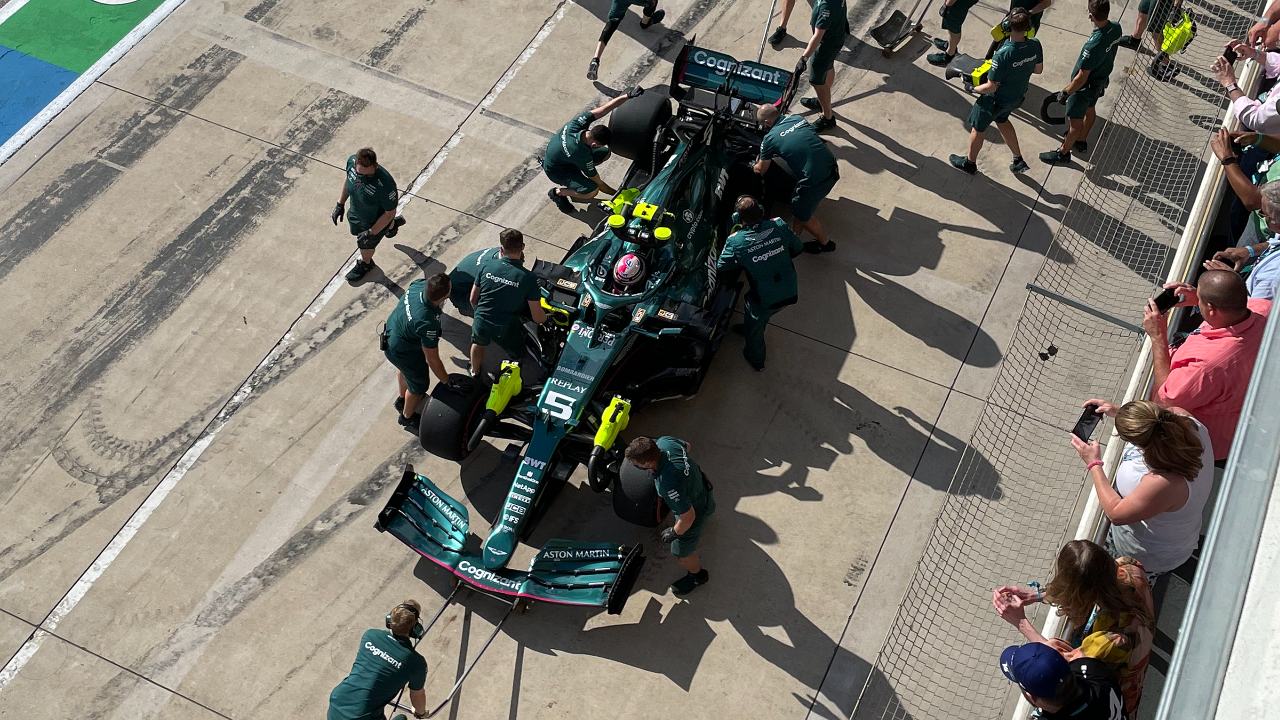
Despite its many advantages, telemetry in motorsport is not without its challenges. One of the primary issues is data overload. The sheer volume of data generated during a race can be overwhelming, making it difficult for engineers to identify the most relevant information. Developing efficient data management systems is essential for ensuring that critical insights are not lost in the noise.
Another challenge is ensuring the reliability and accuracy of the telemetry data. Sensor malfunctions or data transmission errors can lead to inaccurate readings, which can, in turn, result in poor decision-making. Engineers must constantly verify the integrity of the data they receive to prevent costly mistakes. The reliability of telemetry systems is a key concern for teams aiming to maintain a competitive edge.
Regulatory and ethical considerations also play a role in the use of telemetry. Motorsport governing bodies impose strict regulations on the types of data that can be collected and used during a race. Teams must navigate these rules carefully to avoid penalties. Additionally, ethical considerations surrounding data privacy and security are becoming increasingly important as telemetry technology continues to advance.
The Future of Telemetry in Racing
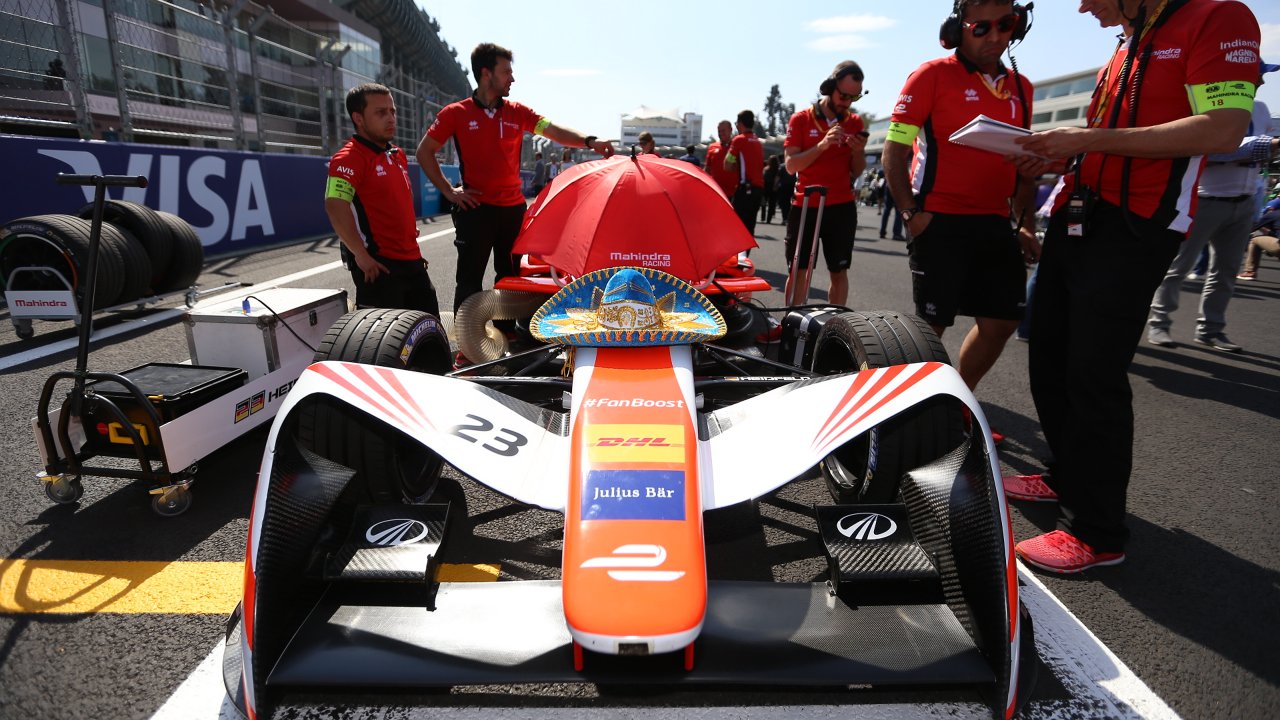
The future of telemetry in motorsport is poised to be shaped by technological advancements. Emerging technologies such as the Internet of Things (IoT) and advanced sensor systems promise to enhance the capabilities of telemetry, providing teams with even more detailed and accurate data. These advancements could lead to more sophisticated analysis and decision-making processes, further transforming the sport.
Integration with artificial intelligence (AI) and machine learning is another area with significant potential. AI-driven analysis can help teams identify patterns and trends in the data that may not be immediately apparent. Machine learning algorithms can also be used to develop predictive models that enhance strategic planning. These technologies have the potential to revolutionize how race engineers use telemetry data.
Finally, the application of telemetry technology is not limited to traditional motorsports. It is increasingly being explored in other areas, such as autonomous vehicles and consumer cars. The insights gained from motorsport telemetry can inform the development of safer and more efficient vehicles for everyday use. As telemetry technology continues to evolve, its impact is likely to extend far beyond the racetrack.
Like Fast Lane Only’s content? Be sure to follow us.
Here’s more from us:
*Created with AI assistance and editor review.