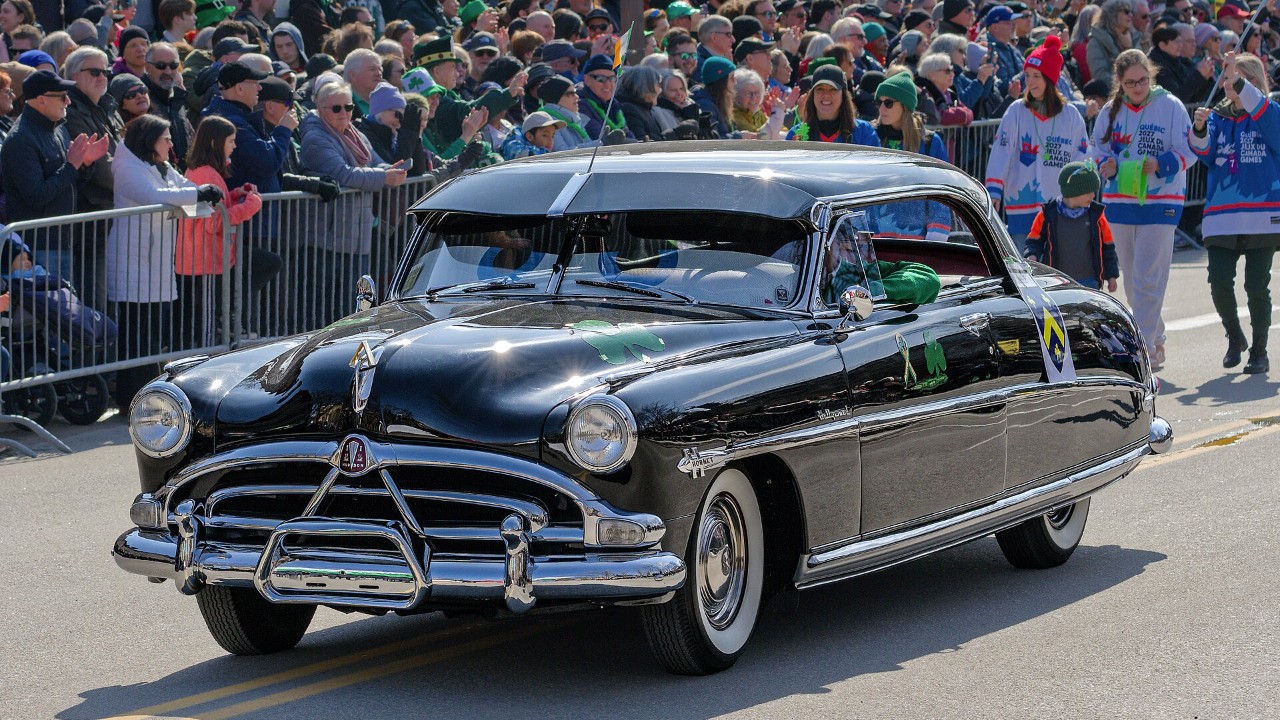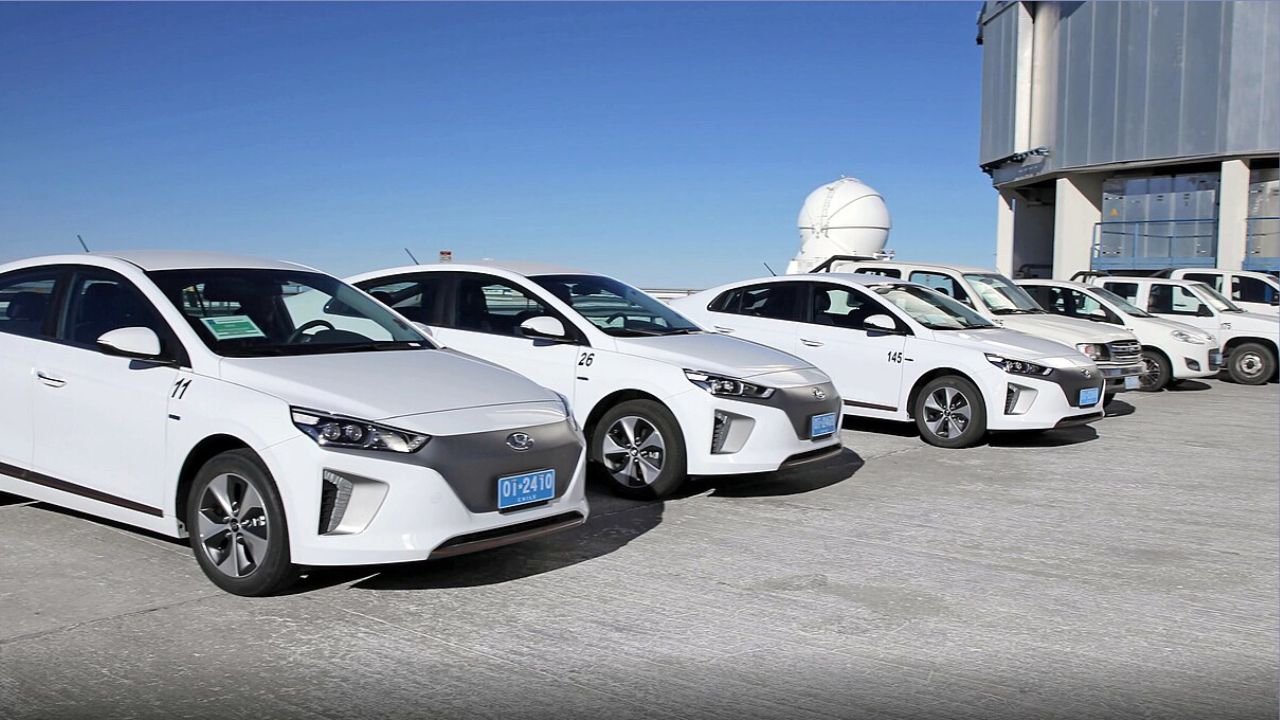
Electric vehicles are often seen as a modern innovation, but their history stretches back more than a century. In fact, early electric cars were once common in cities and even competed directly with gasoline-powered vehicles. Yet long before companies like Tesla revived the idea, electric vehicles largely disappeared from the mainstream. Their decline was not sudden but the result of technological, economic, and infrastructure changes that reshaped the entire automotive industry.
Electric Cars Were Once a Serious Contender
At the dawn of the automobile age in the late 19th and early 20th centuries, electric vehicles were one of the leading forms of personal transportation. Early EVs were quiet, easy to operate, and required no hand cranking to start—an advantage over many gasoline cars of the time.
In cities, electric cars were especially popular. They were clean, produced no exhaust fumes, and were well-suited for short urban trips. Some early manufacturers even offered electric taxis and delivery vehicles, showing that the technology had real commercial potential.
At one point, electric, steam, and gasoline vehicles competed on relatively equal footing. Many observers genuinely believed electrics could dominate urban transportation.
For a brief moment, the electric car was not an alternative—it was a mainstream option.
Gasoline Technology Rapidly Surpassed Early EVs
The turning point for electric vehicles came as internal combustion engine technology improved rapidly in the early 1900s. Gasoline cars became cheaper to produce thanks to assembly line manufacturing, especially after innovations introduced by Ford.
At the same time, gasoline engines began to overcome their early drawbacks. Electric starters eliminated the dangerous hand-cranking process, and improvements in reliability made gasoline cars more practical for everyday use.
Most importantly, gasoline vehicles offered far greater range and faster refueling. While electric cars were limited by battery technology of the era, gasoline cars could travel longer distances and refuel quickly at emerging fuel stations.
As a result, consumers increasingly favored gasoline vehicles for both urban and rural use.
Infrastructure and Economics Pushed EVs Aside
Another major factor in the decline of early electric vehicles was infrastructure. As gasoline stations spread across cities, towns, and highways, fueling a gasoline car became easier and more convenient than charging an electric one.
Battery technology also remained a significant limitation. Early batteries were heavy, expensive, and slow to recharge, making long-distance travel impractical. This restricted electric vehicles mainly to short-range urban use, limiting their overall market appeal.
Manufacturers followed consumer demand. With gasoline cars offering better performance, lower costs, and expanding infrastructure, investment shifted almost entirely toward internal combustion engines.
By the 1920s and 1930s, electric vehicles had largely disappeared from mainstream production.
The Idea Quietly Returned Decades Later
Although early electric vehicles faded from the market, the concept never fully disappeared. They continued to appear in niche applications such as forklifts, delivery vehicles, and specialized urban fleets where short range and predictable routes made electrification practical.
Interest in EVs resurfaced periodically during fuel crises and environmental discussions in the late 20th century. However, it was not until advances in lithium-ion batteries, power electronics, and charging infrastructure that electric vehicles became viable for mass adoption again.
Modern EVs build on lessons learned from those early experiments, combining long range, fast charging, and high performance in ways that early engineers could only imagine.
Looking back, early electric vehicles disappeared long before Tesla not because the idea was flawed, but because the world around them evolved in a different direction. It took more than a century of technological progress for the original vision to finally become practical at scale.
More from Fast Lane Only
- Unboxing the WWII Jeep in a Crate
- 15 rare Chevys collectors are quietly buying
- 10 underrated V8s still worth hunting down
- Police notice this before you even roll window down
*Research for this article included AI assistance, with all final content reviewed by human editors