
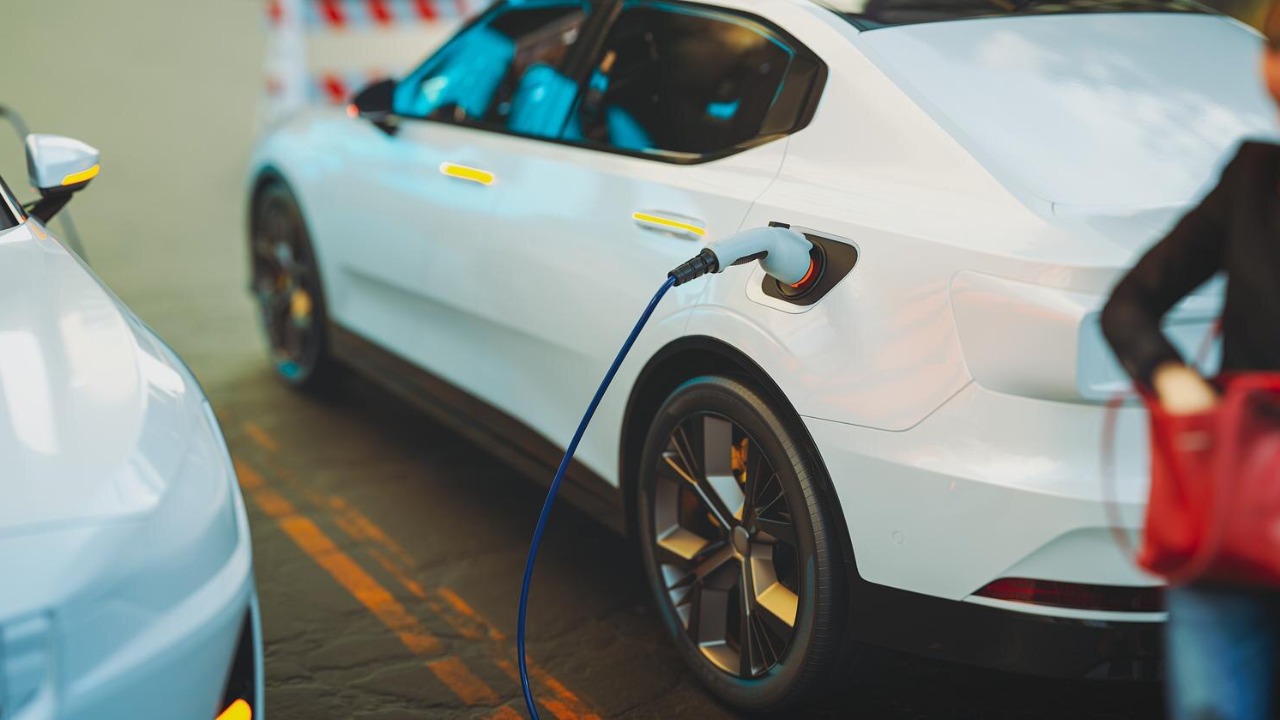
Electric performance cars now shape the market far beyond new showrooms, because their speed and silence reframe what enthusiasts value. Collectors increasingly weigh instant torque, low running costs, and tightening emissions rules alongside nostalgia, which pushes classic-car prices in unexpected directions.
Electric performance reshapes what “desirable” means
Collectors once defined performance through carburetors, camshafts, and the soundtrack of a big internal combustion engine under load. Electric vehicles now deliver brutal acceleration with minimal noise, and research on Electric powertrains highlights efficiency and emissions advantages over ICE counterparts that influence regulatory and consumer priorities. Performance benchmarks therefore shift toward instant response and sustainable credentials, which changes which classic models feel relevant to younger buyers.
Market analysts describe a structural Electrification There shift from ICE to alternative, climate friendlier electrified drive trains, which filters directly into collector psychology. Buyers who daily drive high performance EVs expect similar refinement and reliability from weekend toys, so they increasingly favor classics that can either coexist with, or convert to, modern electric standards.
Conversions turn heritage into high performance daily drivers
Specialist workshops now treat classic shells as canvases for modern powertrains, creating electric restomods that blend style and speed. A growing number of companies focus on converting classic cars to be electrically powered, which turns previously fragile weekend cruisers into usable, high torque commuters. These builds often outperform their original specifications, so they attract buyers who want heritage aesthetics without mechanical compromise.
Conversion specialists argue that, when executed carefully, electric swaps can enhance values rather than dilute them. Guidance from Sep explains that the decision to invest in an electric conversion can improve performance and lead to significant savings over time. That combination of stronger acceleration, lower running costs, and easier maintenance makes converted classics more attractive to urban buyers facing congestion charges and emissions zones.
Electric restomods create a new collector subcategory
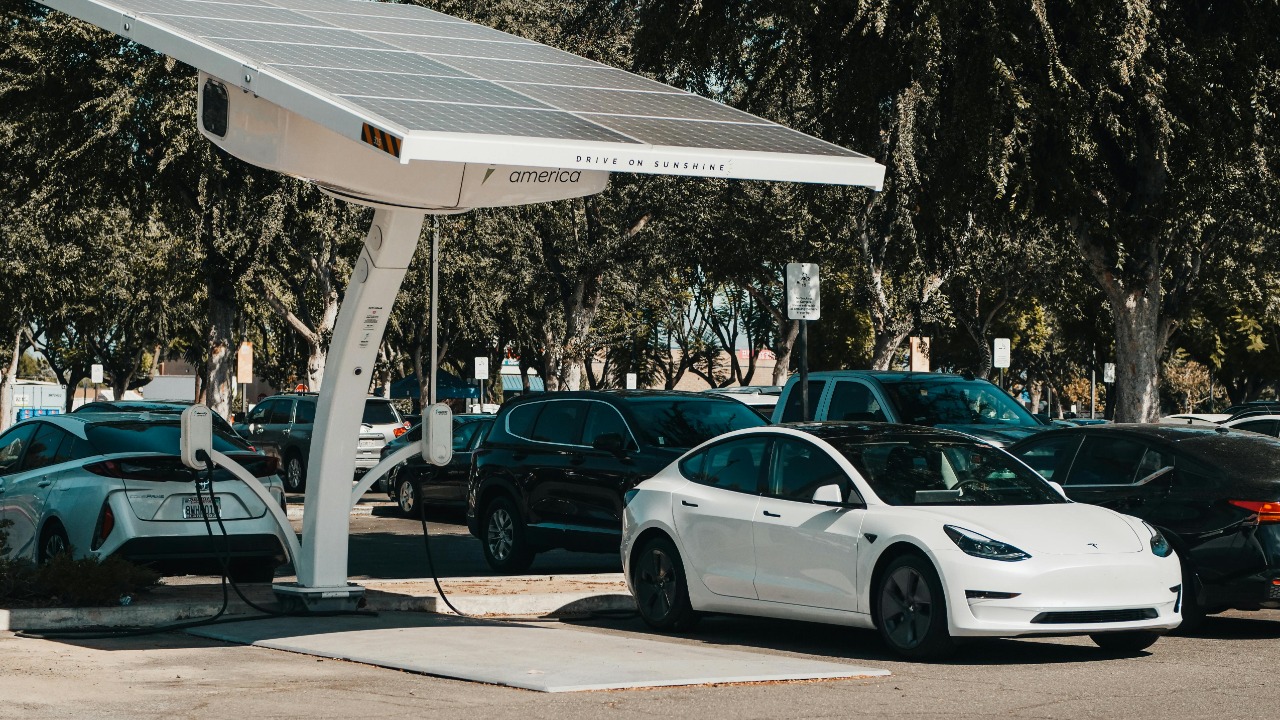
Restomod builders now treat electrification as a design language, not just a drivetrain swap, which creates a distinct market tier. Detailed explanations of Restomod EVs describe vintage cars meticulously restored and converted to electric power, with upgraded brakes, suspension, and interiors. These builds appeal to enthusiasts who want period styling with contemporary performance, which broadens the buyer pool beyond traditional purists.
Market forecasts suggest that this hybrid category now influences overall classic values by drawing in new capital. Analysts note that Emerging trends such as electric conversions and RestoMods increase the appeal of classic cars to younger generations. As more buyers treat these electrified builds as long term investments, original donor cars with solid bodies and desirable styling often see rising baseline prices.
Performance EVs push some classics up, others sideways
High profile electric launches reset expectations for speed, which paradoxically boosts demand for analog experiences at the opposite extreme. Commentators argue that the EV revolution could cause a boom in the classic car trade, with Demand Through The Roof as drivers seek visceral alternatives to silent daily transport. That dynamic favors charismatic models with strong mechanical character, especially those unlikely to be replicated in an electric era.
Not every combustion car benefits equally, because collectors now differentiate between emotionally engaging icons and forgettable commuters. Analysts at Hagerty track how rare performance models, homologation specials, and design landmarks often outperform the broader market. Meanwhile, ordinary ICE cars without distinctive styling or motorsport heritage struggle against modern EVs that deliver superior acceleration and lower running costs.
Regulation and depreciation change the investment calculus
Policy makers increasingly favor electric drivetrains, which reshapes how investors think about long term classic ownership. Analysts describe how ICE vehicles face tighter restrictions as cities pursue climate goals, which encourages some owners to convert or downsize collections. Investors therefore weigh not only rarity and condition, but also future access to roads and low emission zones.
Electric performance cars themselves introduce new financial dynamics, because their technology evolves quickly and affects perceived longevity. Analysts examining Depreciation highlight Rapid Advancements and Technology in The EV sector that contribute to steeper early value drops. Collectors watching those curves sometimes treat well preserved combustion icons as more stable stores of value, especially when supply remains fixed.
Electric conversions reframe classic-car running costs
Operating costs once discouraged daily use of older performance cars, particularly in cities with high fuel prices and congestion charges. Conversion specialists argue that electric swaps change that equation, because In the world of classic cars, Resale Value and Greener Future Investment make Electric conversions a future proof investment. Owners who drive their cars more frequently often invest more in cosmetic and mechanical upkeep, which supports stronger resale prices.
Storage and maintenance providers also notice how electric performance influences fleet composition inside high end garages. Commentators at Feb describe how premium electric cars save companies money because clutches and gearboxes count as standard wear and tear items when abused. As collectors experience lower maintenance bills on EVs, they sometimes demand similar predictability from classics, which favors either robust original engineering or professionally executed electric conversions.
Culture wars around sound and authenticity influence prices
Performance EVs divide opinion among enthusiasts, which creates cultural fault lines that directly affect auction results. Television personality Jeremy Clarkson dismisses electric cars and celebrates the sound of a V8, which reinforces demand for charismatic combustion models. Fans who share that sentiment often pay premiums for unmodified engines and original exhaust systems, treating them as endangered experiences.
Other enthusiasts embrace the quiet surge of electric torque and view conversions as a way to preserve design heritage. Commentators on performance EV builds highlight how instant acceleration and modern reliability can coexist with classic silhouettes. That perspective supports a parallel market where authenticity means preserving body lines and craftsmanship, even if the drivetrain becomes thoroughly modern.
Heritage brands and icons adapt to the electric era
Luxury marques that once defined refinement through large engines now experiment with electric reinterpretations of their back catalogues. Historical context around Rolls Royce advertising, which promised near silent combustion power, now resonates differently as electric drivetrains deliver genuine quietness. Collectors watching these shifts sometimes speculate that early electric reinterpretations of famous nameplates could become future blue chip assets.
Specialist events and shows increasingly spotlight electric reinterpretations alongside original survivors, which influences how audiences perceive value. Coverage of The Rise of Electric Classic Cars notes that electric drivetrains make older vehicles more enjoyable to drive. As visitors experience both formats back to back, they often recalibrate what they consider usable, which can lift prices for well executed electric builds and exceptionally original reference cars.
Scarcity of combustion expertise becomes a value driver
As manufacturers pivot toward electric platforms, the ecosystem around internal combustion engines gradually contracts. Analysts examining Electric Vehicle Impact As new car production shifts toward electric vehicles, note that mechanical knowledge becomes rarer and more valuable. Collectors increasingly prize cars that specialist workshops can still service properly, which favors popular performance models with strong parts support.
Some investors therefore treat high quality original components as assets in their own right, not just maintenance necessities. Guides to profitable classic parts highlight how rare engine components and period correct accessories can appreciate as supply dwindles. That scarcity premium can lift the overall value of certain combustion performance cars, particularly those with motorsport pedigrees and limited production runs.
Electric performance cars themselves join the collectible conversation
First generation performance EVs now start to appear in auction catalogues, where specialists debate their long term significance. Analysts discussing Mar note that the term collectible vehicle increasingly includes early electric models from Tesla and BMW. Their presence broadens the definition of a performance classic, which encourages cross shopping between pioneering EVs and traditional sports cars.
Classic car shows and media coverage now treat electric conversions and factory EVs as part of the same evolving narrative. Reports on future trends emphasize that younger enthusiasts often grew up with electric performance as normal. That generational shift suggests that both early EV icons and well executed electric restomods could command increasing premiums alongside combustion legends.
Climate pressure and preservation instincts pull in opposite directions
Environmental concerns sit in the background of every discussion about performance, whether electric or combustion. Analysts describing how classic electrification helps reduce tailpipe emissions argue that conversions allow enthusiasts to keep driving beloved shapes. That framing positions electric swaps as a pragmatic compromise between climate goals and cultural preservation.
Purists counter that mechanical authenticity matters as much as visual design, which keeps demand strong for untouched survivors. Commentators at valuation specialists note that low mileage, original specification cars often command the highest prices, especially when documentation proves provenance. As policy pressure intensifies, the market may continue splitting between museum grade combustion artifacts and electrified drivers that keep classic silhouettes in everyday circulation.





Leave a Reply