Launch control systems have become a staple in modern performance cars, transforming the driving experience by optimizing acceleration. These systems, once reserved for high-end sports cars, are now available in a range of vehicles, enhancing performance and reducing the margin for error when accelerating from a standstill.
History and Evolution of Launch Control Systems
The concept of launch control can be traced back to the world of motorsports, where it was initially developed to give race cars an edge off the starting line. Early examples in Formula 1 racing during the late 1980s and early 1990s showcased how these systems could significantly impact performance by offering precise control over engine power and traction. The McLaren MP4/8, driven by the legendary Ayrton Senna in 1993, was among the first to utilize a sophisticated launch control system, setting a precedent for future innovations.
As the technology matured, manufacturers began to incorporate launch control systems into consumer vehicles. This transition was marked by the release of high-performance models like the 2008 Nissan GT-R, which featured a user-friendly launch control system that allowed drivers to achieve optimal acceleration with minimal effort. Over the years, key advancements such as the integration of electronic control units (ECUs) and more refined sensor technologies have made these systems more efficient, reliable, and accessible across a wider range of vehicles.
Mechanics of Launch Control Systems
The mechanics behind launch control systems are a blend of technology and precision engineering. At their core, these systems manage engine power and torque distribution to optimize traction and minimize wheel spin during acceleration. When engaged, a launch control system typically holds the engine at a specific RPM, allowing the driver to release the brake and accelerate with maximum efficiency. The system adjusts power delivery in real-time, based on inputs from various sensors monitoring wheel speed, throttle position, and engine load.
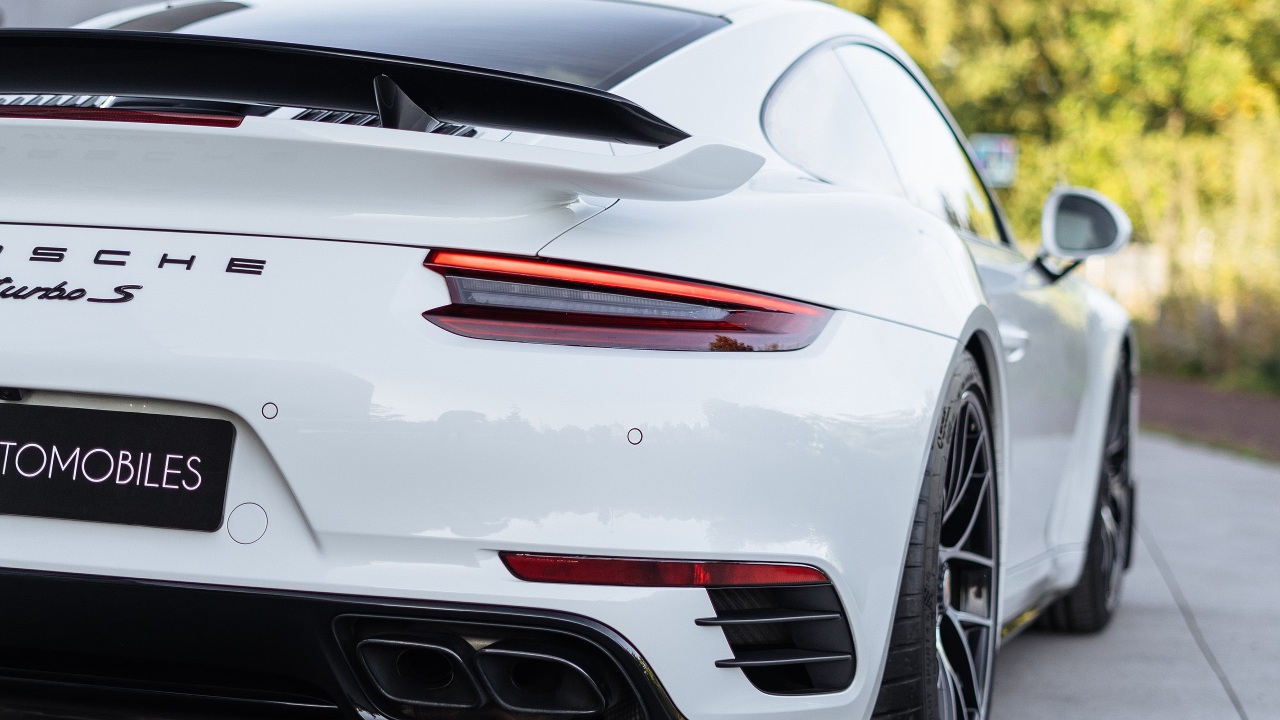
Electronic control units play a crucial role in the functionality of launch control systems. They process data from sensors and make split-second adjustments to ensure optimal performance. For example, the Porsche 911 Turbo S (2020) utilizes an advanced ECU that orchestrates the interaction between the engine, transmission, and all-wheel-drive system to deliver a seamless launch. While mechanical systems rely on simpler components like clutches and gearsets, electronic systems offer greater precision and adaptability, making them more prevalent in modern vehicles.
Impact on Vehicle Performance
One of the most significant benefits of launch control systems is their ability to enhance acceleration, particularly in achieving faster 0-60 mph times. By optimizing power delivery and traction, these systems enable vehicles like the 2022 Audi RS6 Avant to consistently achieve impressive acceleration figures. This consistency is a hallmark of launch control, as it allows drivers to replicate optimal launch conditions with minimal variation.
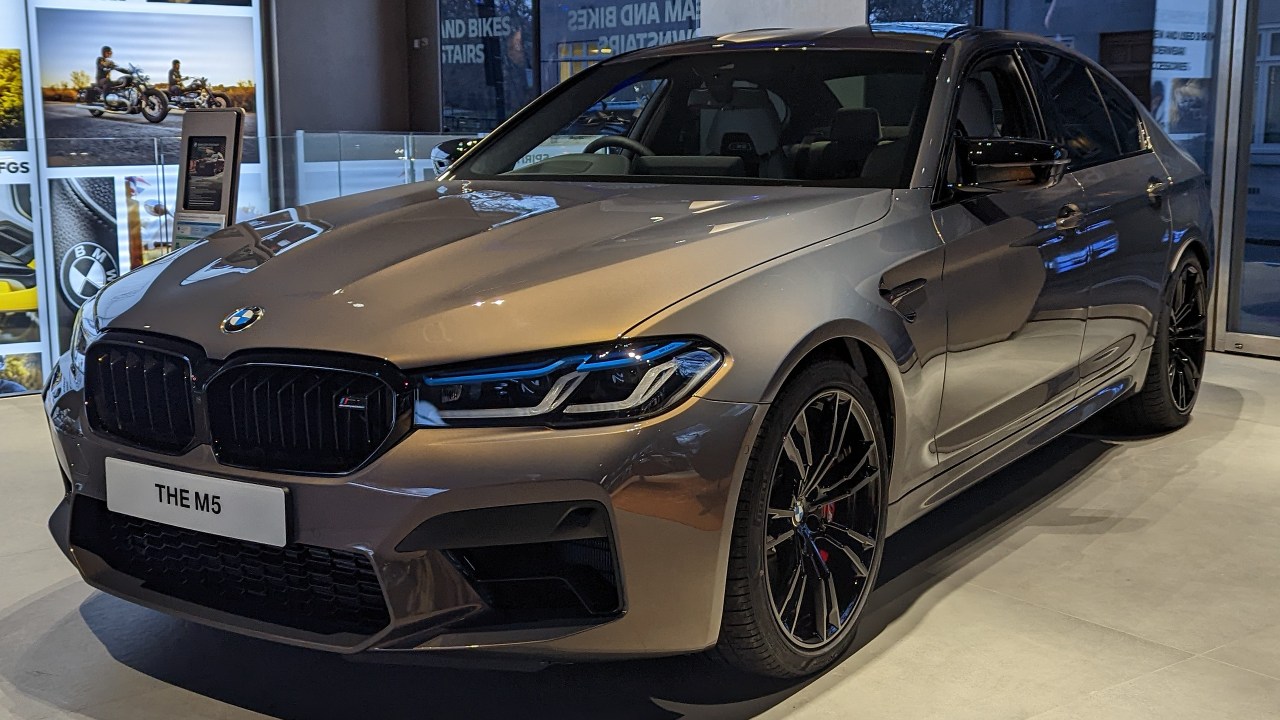
In addition to improving acceleration, launch control systems also contribute to overall vehicle stability and traction. By managing power distribution, they help prevent wheel spin and maintain control, especially in high-performance scenarios. This is particularly beneficial in vehicles with substantial power outputs, such as the 2023 BMW M5, where maintaining traction and stability is crucial for safe and effective launches.
Launch Control Systems in Different Types of Performance Cars
Launch control systems are not one-size-fits-all; they vary significantly between different types of performance cars. In supercars like the Ferrari SF90 Stradale (2021), launch control systems are designed to handle extreme power outputs and provide unparalleled acceleration performance. These systems are often more complex and finely tuned compared to those found in more accessible sports cars like the Ford Mustang GT (2022), where the focus is on enhancing driver experience and performance without the need for excessive technical intervention.
Electric performance cars present a unique challenge and opportunity for launch control systems. With instant torque delivery, vehicles like the Tesla Model S Plaid (2021) can achieve remarkable acceleration without the need for traditional engine management systems. However, launch control still plays a role by managing power delivery to the wheels and optimizing grip, ensuring that the immense power of electric motors is harnessed effectively. Additionally, the differences between all-wheel-drive and rear-wheel-drive vehicles necessitate specific launch control strategies, as seen in the 2023 Lamborghini Huracan EVO, where the system is tailored to the rear-wheel-drive configuration for optimal balance and performance.
Potential Drawbacks and Considerations
While launch control systems offer numerous performance benefits, they are not without potential drawbacks. Frequent use of launch control can lead to increased wear and tear on vehicle components, particularly the drivetrain and tires. For instance, the 2020 Chevrolet Corvette Stingray’s owners manual advises against excessive use of launch control to preserve the longevity of the vehicle’s mechanical parts.
There are also legal and safety considerations to keep in mind. Launch control systems are best suited for controlled environments, such as racetracks, and using them on public roads can lead to legal repercussions and safety hazards. Responsible use is crucial, as manufacturers like Mercedes-Benz explicitly outline in their documentation for models like the 2021 AMG GT. Lastly, the debate between technology and driver skill continues, with some enthusiasts arguing that reliance on launch control diminishes the art of driving. As automotive technology advances, the balance between human input and technological assistance remains a key discussion point among car aficionados and industry experts alike.