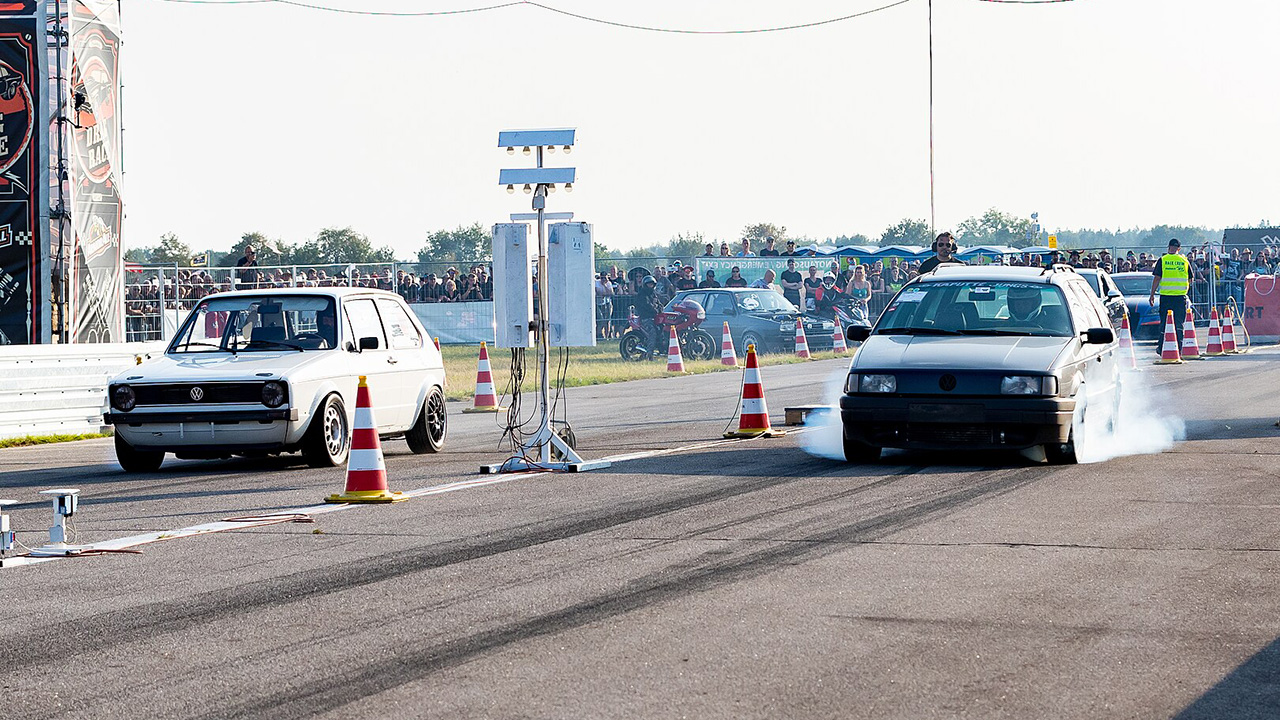
Local drag strips have been the crucible of car culture, fostering a unique blend of competition, innovation, and community. These tracks have provided a safe environment for enthusiasts to test their skills and machines, significantly influencing automotive innovation and popular culture. By delving into their historical and cultural impact, we can appreciate the enduring legacy of local drag strips on car culture.
The Birth of Drag Racing
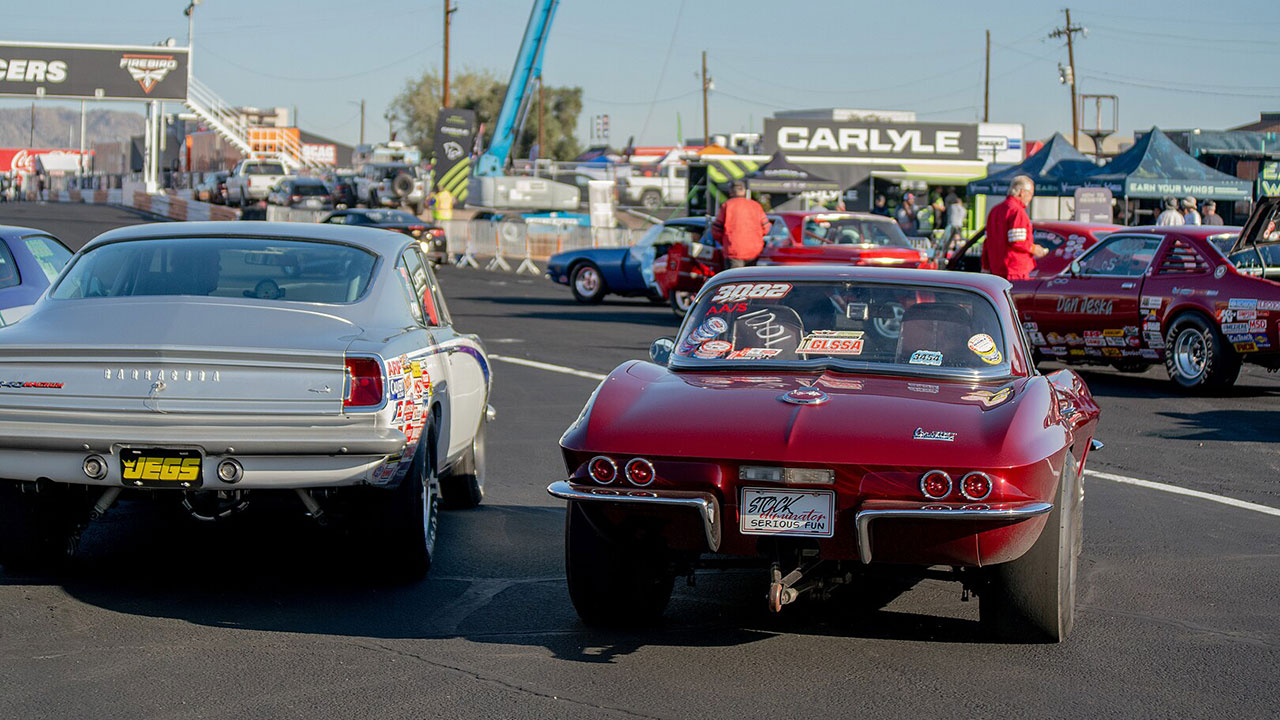
The post-World War II era marked a transformative period for drag racing, emerging as a popular pastime among returning veterans. These veterans, equipped with mechanical skills and access to surplus military technology, played a pivotal role in the development of early drag racing. The widespread availability of military vehicles and parts enabled enthusiasts to modify and experiment with their cars, setting the stage for a new era of automotive excitement.
Significant early drag strips like the Lions Drag Strip served as pioneering tracks that contributed immensely to the sport. These venues became incubators for automotive innovation and community building. For example, the Lions Drag Strip, established in 1955 in California, quickly gained a reputation as a hotspot for both amateur and professional racers. It was here that many racing legends, such as Don “The Snake” Prudhomme and Tom “The Mongoose” McEwen, honed their skills and pushed the boundaries of speed and performance.
Drag Strips as Cultural Hubs
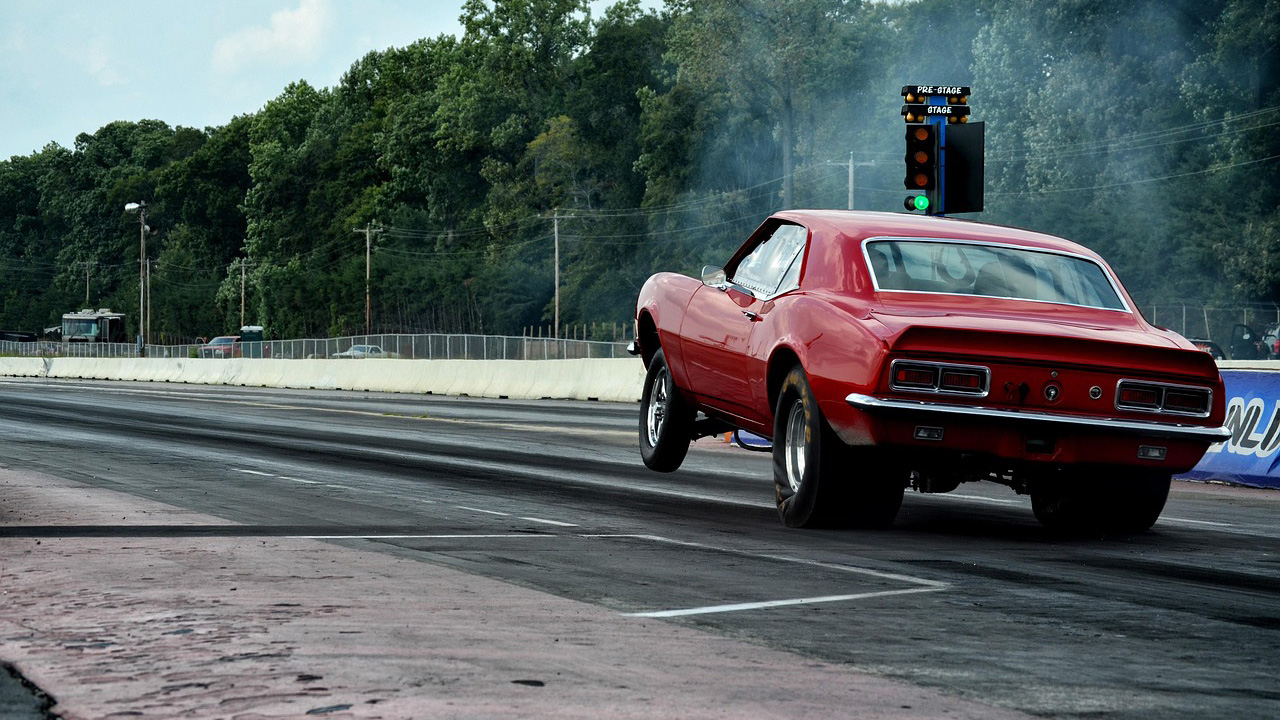
Local drag strips have long served as vital gathering places for car enthusiasts, fostering a strong sense of community. These venues provided an inclusive space where individuals from diverse backgrounds could come together and share their passion for cars. Clubs and informal networks emerged around these tracks, strengthening social ties and enabling the exchange of knowledge and ideas. This sense of community extended beyond the track, influencing the development of car clubs and associations across the country.
The influence of drag racing on pop culture is evident in its portrayal in movies and music. Films like “American Graffiti” and “Grease” captured the excitement and rebellious spirit of drag racing, contributing to its mystique and popularity. Even music genres like rock and roll adopted the themes of speed and freedom, further embedding drag racing into the cultural fabric. Additionally, drag strips influenced fashion and lifestyle choices among enthusiasts, with iconic styles like leather jackets and slicked-back hairstyles becoming synonymous with the racing scene.
Technological Advancements and Innovation

Drag racing has been a catalyst for numerous technological advancements and innovations in the automotive industry. The intense competition on the track pushed engineers and mechanics to explore new frontiers in performance engineering. This led to significant developments in engine design and performance tuning, with innovations such as fuel injection systems and turbocharging becoming commonplace. Key figures and teams, like the legendary Don Garlits and his Swamp Rat series of dragsters, played a crucial role in driving these advancements, constantly seeking to break speed records and improve performance.
The evolution of safety measures and regulations has been another critical aspect of drag racing’s development. As speeds increased and the sport gained popularity, the need for enhanced safety protocols became evident. Organizations like the National Hot Rod Association (NHRA) have been instrumental in standardizing practices and promoting safe racing. The implementation of roll cages, fire suits, and improved track surfaces are just a few examples of how safety has evolved over the years to protect both participants and spectators.
Economic Impact and Commercialization
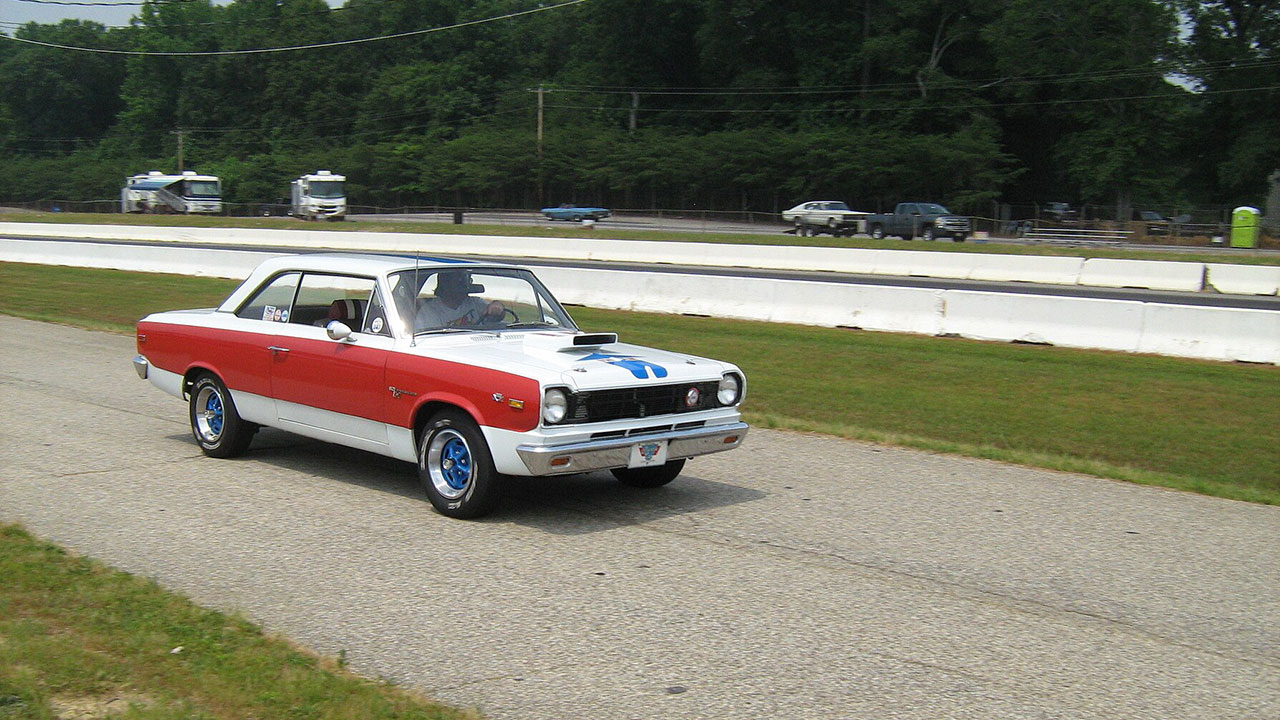
Drag strips have had a significant economic impact on their surrounding communities. The presence of a local drag strip often leads to job creation, from track personnel to supporting businesses such as automotive shops and hospitality services. Additionally, drag racing events attract visitors from far and wide, boosting local tourism and increasing revenue for nearby businesses. Sponsorships and partnerships also play a vital role in the financial ecosystem of drag racing, with companies eager to associate their brands with the excitement and prestige of the sport.
The commercialization of drag racing has been a double-edged sword, bringing both opportunities and challenges. On the one hand, the rise of professional teams and sponsorship deals has elevated the sport’s profile, attracting a wider audience and increasing investment in the industry. On the other hand, there is an ongoing struggle to maintain the grassroots appeal that has been a hallmark of local drag strips. Balancing commercial interests with the need to preserve the authentic and community-driven nature of the sport remains a key consideration for organizers and participants alike.
The Legacy of Local Drag Strips
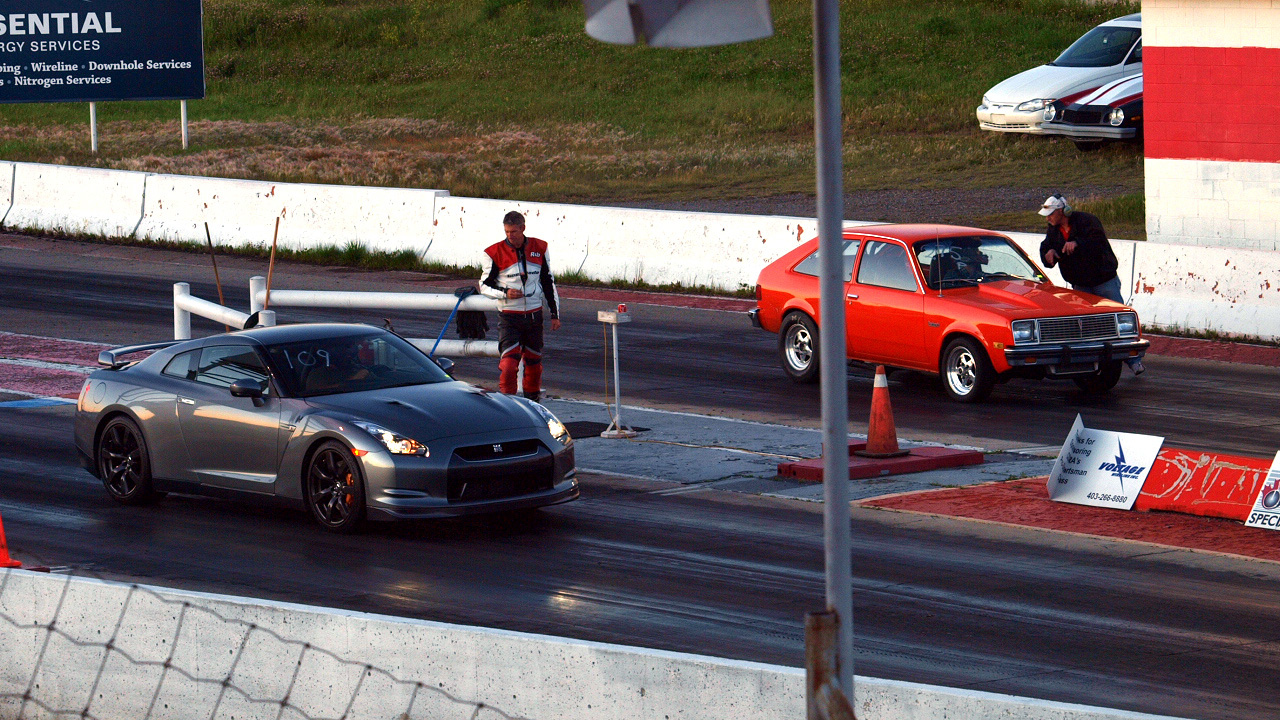
The spirit of local drag strips continues to influence modern car culture and motorsports. The legacy of these venues is evident in the ongoing popularity of drag racing events and the enduring appeal of classic cars. Nostalgia and heritage play a significant role in preserving the history of historic drag racing venues, with enthusiasts and preservationists working tirelessly to keep the stories and traditions alive for future generations.
Looking to the future, drag racing is poised to face both challenges and opportunities. Emerging technologies, such as electric vehicles and autonomous driving, could reshape the sport in unexpected ways. Shifting cultural attitudes towards sustainability and environmental concerns may also influence the direction of drag racing. Despite these uncertainties, the passion and dedication of the drag racing community remain unwavering, ensuring that the legacy of local drag strips will continue to thrive in the years to come.
Like Fast Lane Only’s content? Be sure to follow us.
Here’s more from us:
*Created with AI assistance and editor review.