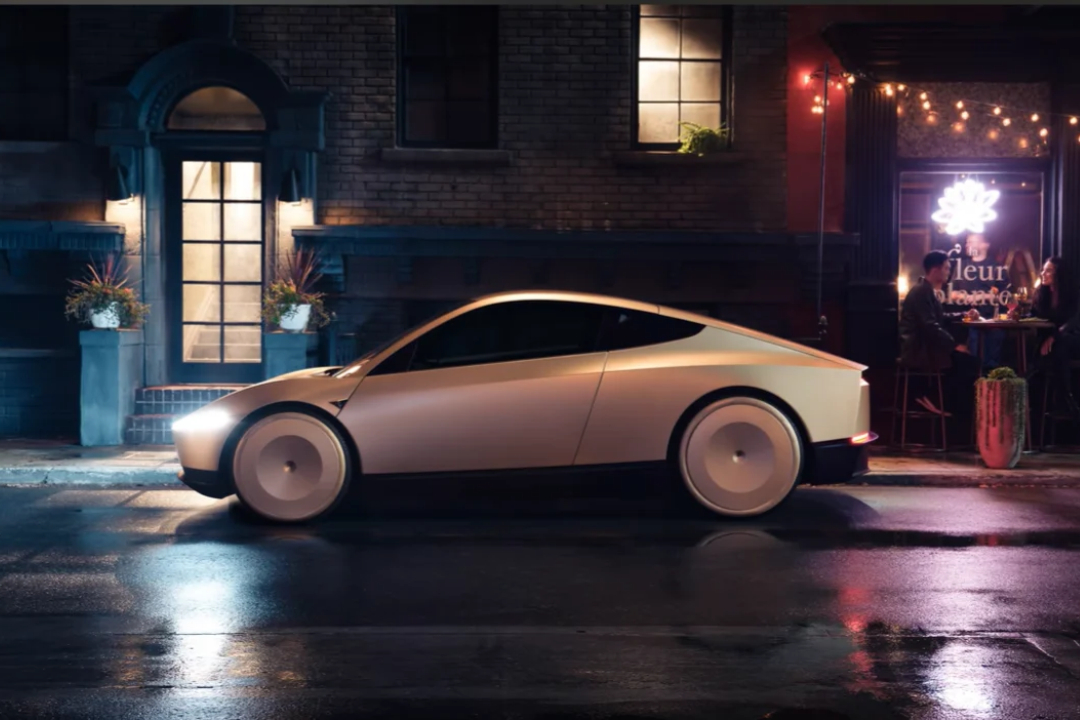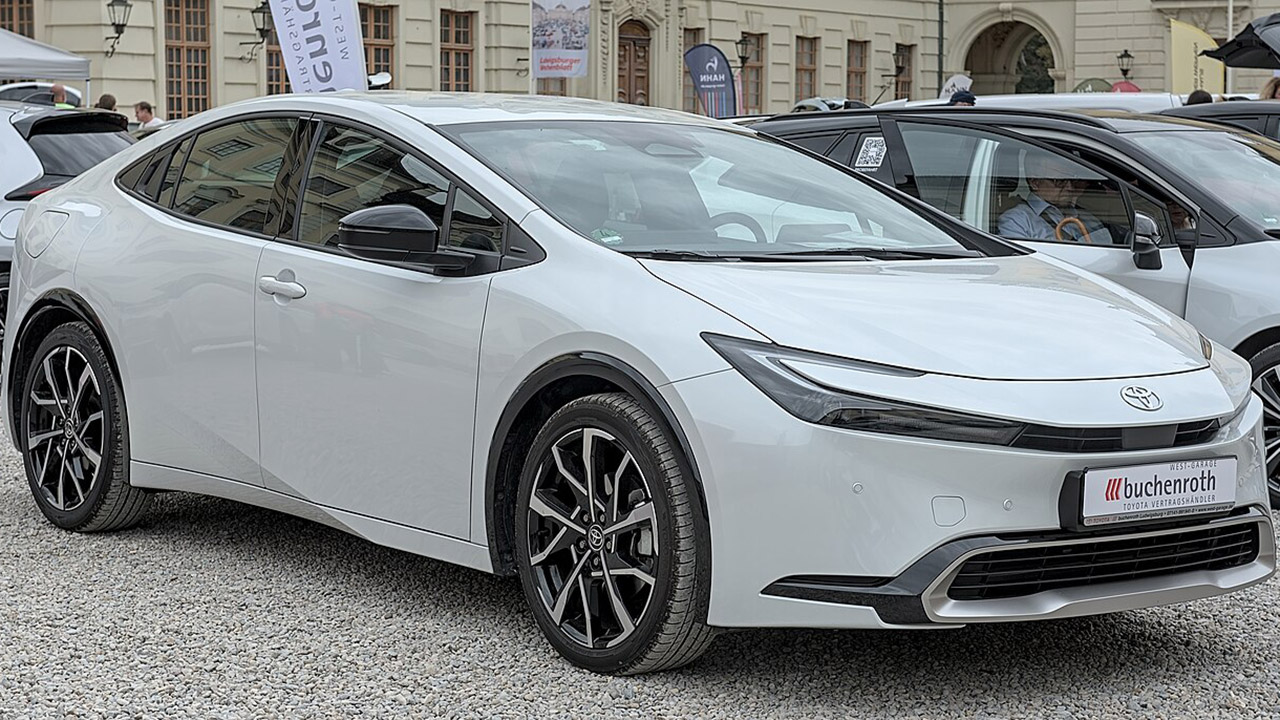
As we approach 2025, the automotive market continues to evolve, bringing hybrids into the spotlight. With advancements in technology and growing environmental concerns, potential car buyers are asking, “Are hybrids worth the investment?” Delving into the benefits and challenges of hybrid vehicles in 2025 can help make an informed decision.
Advancements in Hybrid Technology
The world of hybrid vehicles has seen significant advancements in battery technology. Modern hybrids are now equipped with batteries that boast longer life spans and faster charging capabilities. This enhancement has been driven by innovations such as solid-state batteries, which are lighter and more efficient than traditional lithium-ion batteries. With these advancements, drivers can expect fewer visits to the charging station and lower overall maintenance costs.
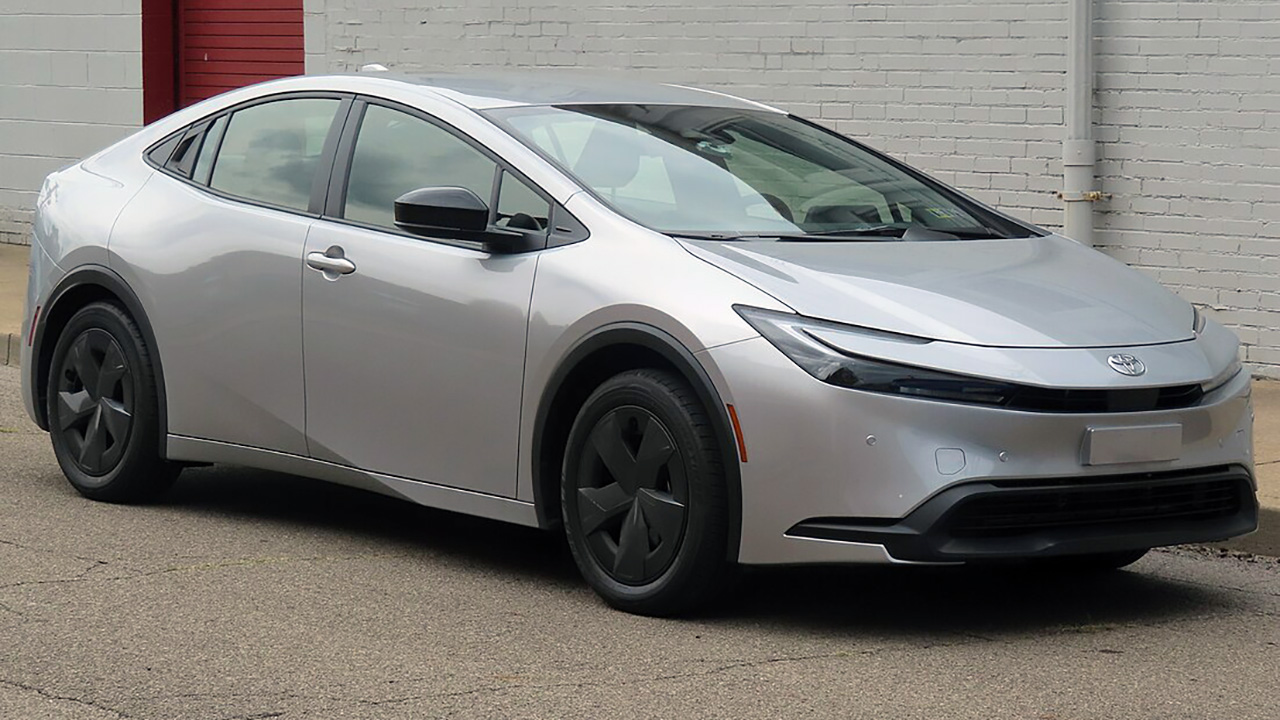
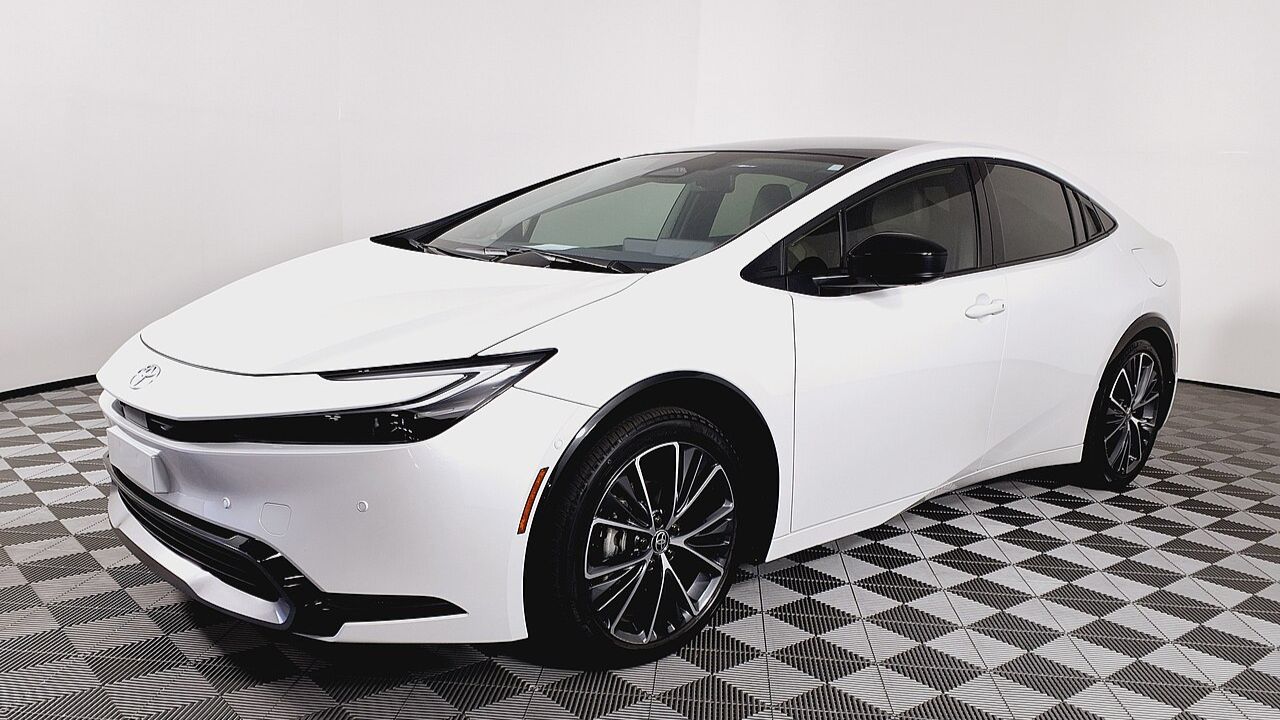
Improved fuel efficiency is another critical area where hybrids have made strides. The integration of advanced engine management systems and lightweight materials has allowed hybrid vehicles to significantly reduce fuel consumption and emissions. For instance, the 2025 Toyota Prius features a new aerodynamic design and an optimized powertrain that achieves greater efficiency than previous models. This evolution in design and technology has made hybrids an attractive option for those looking to reduce their carbon footprint.
Additionally, the integration of AI and smart technology into hybrid vehicles has enhanced performance and user experience. Modern hybrids now come equipped with features such as adaptive cruise control, lane-keeping assist, and predictive maintenance alerts. These systems not only improve safety but also contribute to a more enjoyable driving experience. For example, the Ford Escape Hybrid includes a smart infotainment system that syncs seamlessly with smartphones, providing drivers with real-time traffic updates and route optimizations.
Environmental Impact and Sustainability
Hybrid vehicles have made a substantial contribution to lowering CO2 and other harmful emissions compared to traditional vehicles. The combination of electric motors and internal combustion engines allows hybrids to operate more efficiently, resulting in a marked reduction in emissions. A study published by the International Council on Clean Transportation (ICCT) highlights that hybrids can reduce emissions by up to 30% compared to conventional cars, making them a viable choice for eco-conscious consumers.
While the environmental benefits of hybrids are evident, the sustainability of battery production remains a concern. The mining and processing of materials such as lithium and cobalt have significant environmental impacts. However, manufacturers are increasingly adopting sustainable practices, such as recycling programs and the development of less resource-intensive battery technologies. These efforts aim to mitigate the environmental footprint of hybrid battery production and disposal.
Hybrids play a crucial role in climate change mitigation as part of a larger strategy to reduce carbon footprints. By offering an alternative to traditional vehicles, hybrids provide a practical solution for those not yet ready to transition to fully electric cars. As more people opt for hybrids, the cumulative effect on emissions reduction could be significant. The hybrid’s role in climate change mitigation is thus a critical component of global efforts to combat environmental challenges.
Cost Considerations
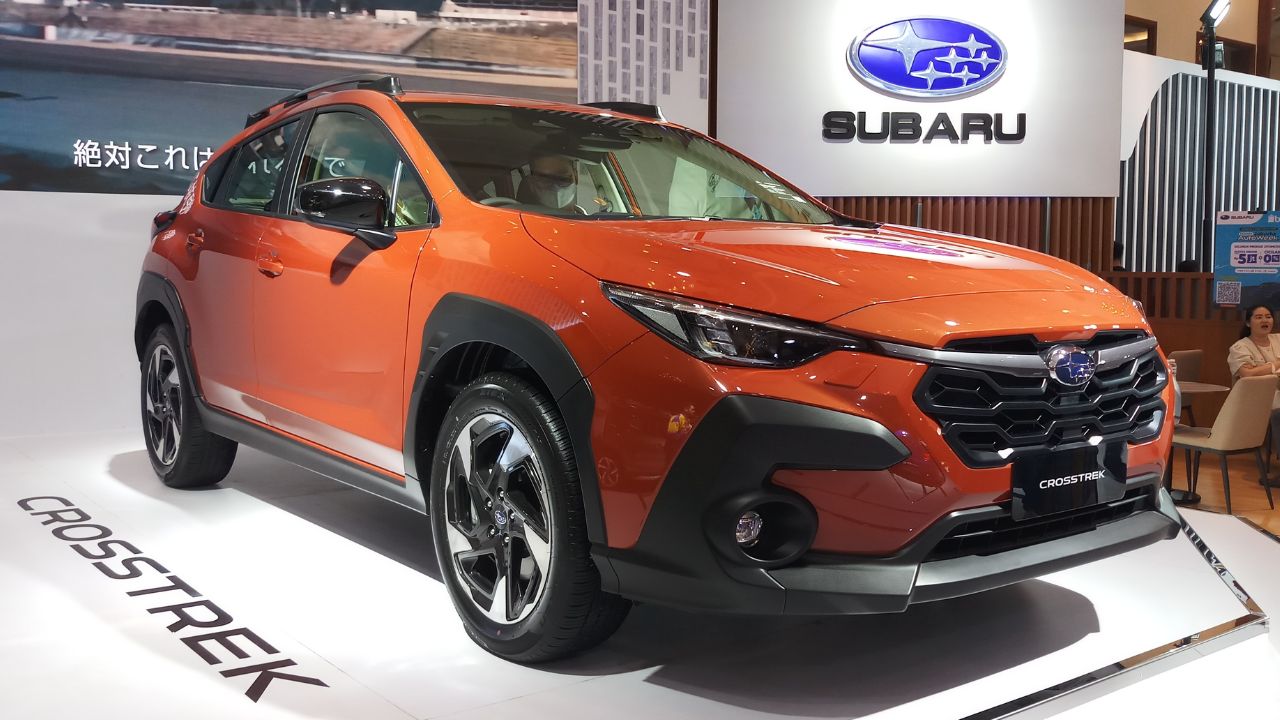
When considering the cost of hybrid vehicles, potential buyers often weigh the initial investment against long-term savings. While hybrids typically come with a higher upfront price tag than their gasoline counterparts, they offer significant savings on fuel and maintenance over time. With fuel prices fluctuating, the improved fuel efficiency of hybrids can lead to considerable cost reductions in the long run. Maintenance costs are also lower due to the reduced wear and tear on the engine and braking systems.
Government incentives, tax credits, and rebates available for hybrid buyers in 2025 further enhance their appeal. These financial benefits can offset the initial purchase cost, making hybrids a more accessible option for many consumers. For instance, the federal tax credit for hybrid vehicles can be up to $7,500, which significantly narrows the price gap between hybrids and traditional vehicles. Potential buyers should research the specific incentives available in their region to maximize their savings.
The resale value of hybrid vehicles is another important consideration for prospective buyers. Hybrids tend to hold their value better than gas-powered cars due to their growing popularity and demand. As more consumers prioritize sustainability and fuel efficiency, the market for used hybrids is expected to remain strong. This trend suggests that purchasing a hybrid vehicle could be a sound financial decision, offering a favorable return on investment when it comes time to sell.
The Driving Experience
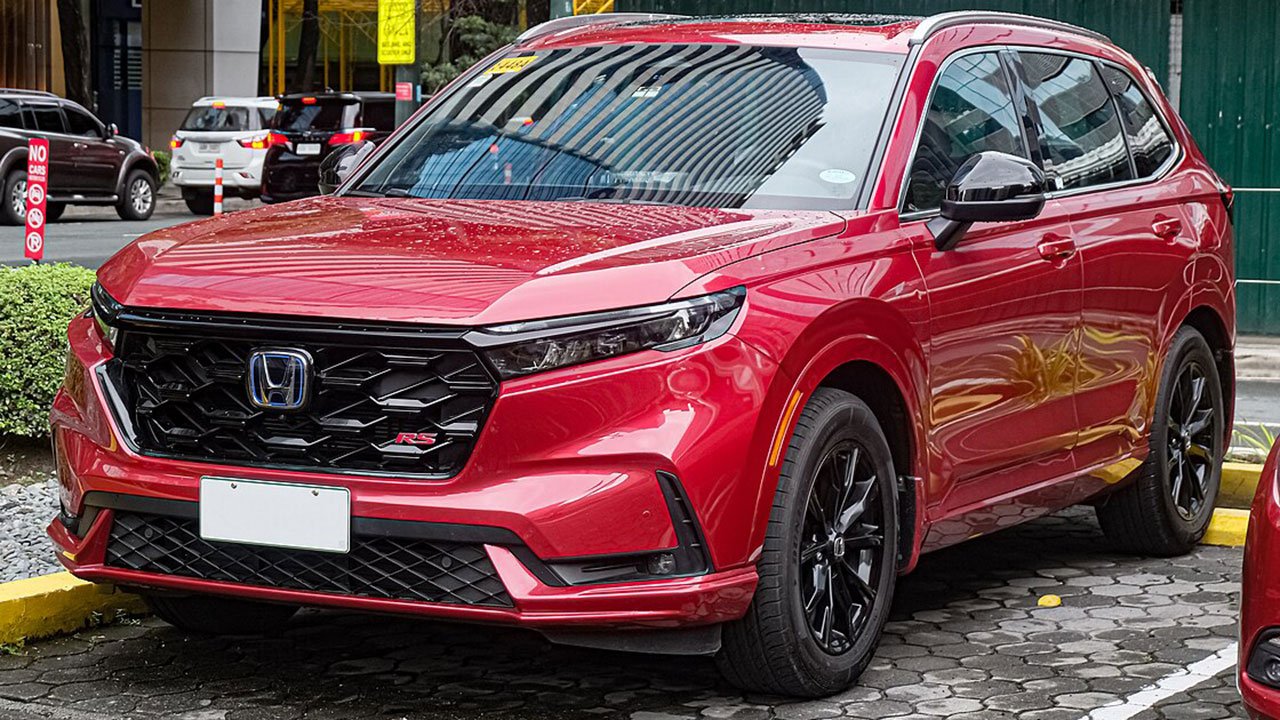
The driving experience of hybrid vehicles has significantly improved, with advancements in performance and handling. Modern hybrids offer a smooth and responsive ride, with electric motors providing instant torque for quick acceleration. The seamless transition between electric and gasoline power ensures a consistent performance, whether navigating city streets or cruising on the highway.
One of the standout features of hybrid vehicles is their quiet and smooth ride. The electric motor operates silently, reducing noise levels inside the cabin. Improved suspension systems further enhance the ride quality, making hybrids a comfortable choice for long journeys. This tranquility is a notable advantage for drivers seeking a serene driving environment.
User satisfaction with hybrid vehicles is generally high, with many owners praising the balance between fuel efficiency and performance. Consumer feedback and reviews often highlight the reliability and low maintenance costs of hybrids, contributing to their growing popularity. As more drivers experience the benefits of hybrid technology firsthand, the positive perception of these vehicles continues to rise.
Market Trends and Consumer Preferences
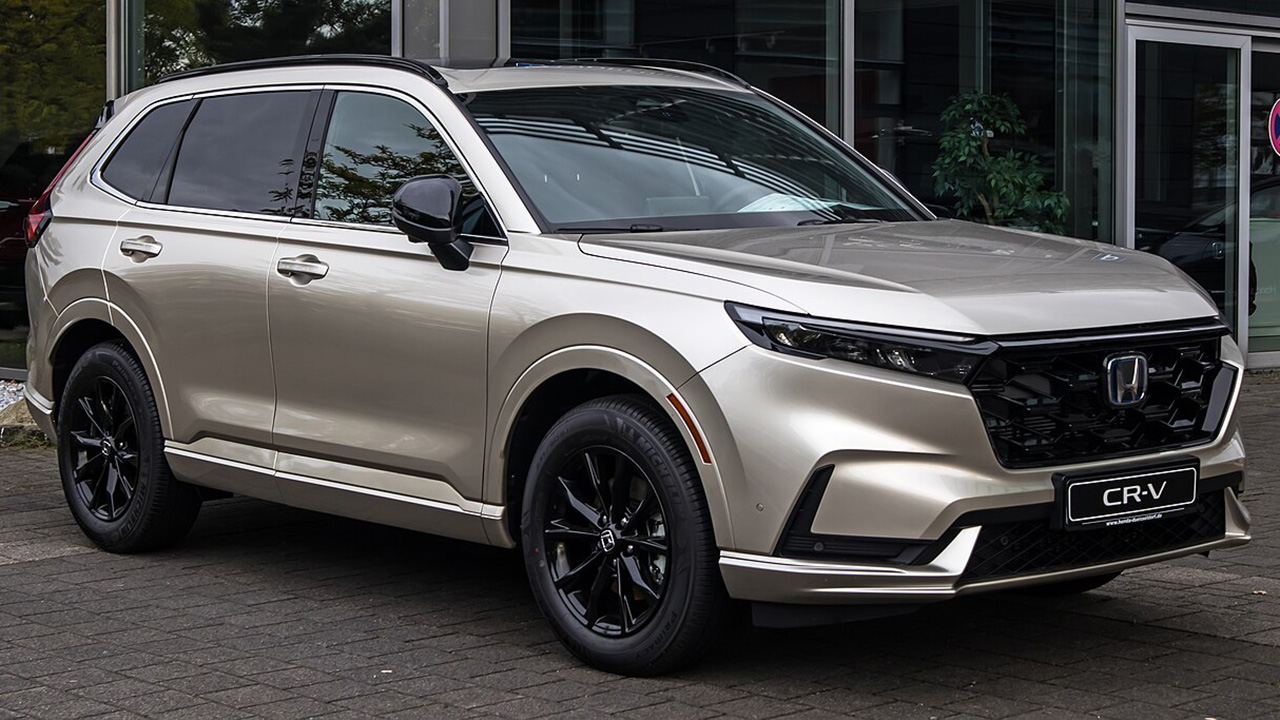
The growing popularity of hybrids among families can be attributed to several factors, including space, safety, and versatility. Models such as the Honda CR-V Hybrid offer ample cargo space and advanced safety features, making them an attractive option for family buyers. The combination of efficiency and practicality positions hybrids as a preferred choice for those seeking a family-friendly vehicle.
In the competitive automotive market, hybrids are positioned between fully electric vehicles and traditional combustion engines. While EVs continue to gain traction, hybrids offer a compromise for those not ready to commit to a fully electric lifestyle. This unique position allows hybrids to appeal to a broad range of consumers, bridging the gap between conventional and electric vehicles.
Looking towards the future, trends in hybrid technology and consumer preferences suggest continued growth and innovation. As battery technology advances and charging infrastructure expands, hybrids are likely to become even more efficient and accessible. The increasing emphasis on sustainability and environmental responsibility will drive further demand for hybrid vehicles, solidifying their place in the automotive landscape as we move beyond 2025.
Like Fast Lane Only’s content? Be sure to follow us.
Here’s more from us:
*Created with AI assistance and editor review.