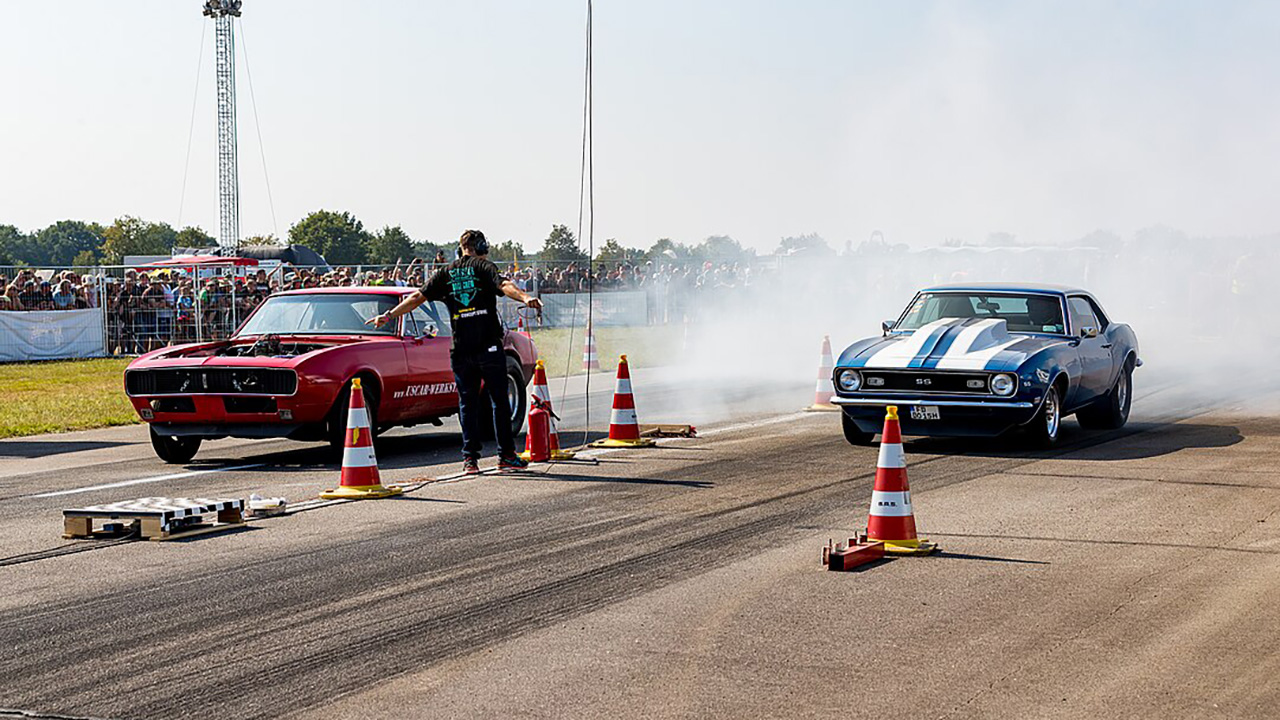
Drag racing, a sport characterized by its high-octane thrills and straight-line speed, has become an iconic part of American culture. With its roots deeply embedded in the American automotive landscape, drag racing has evolved into a symbol of power and innovation. The factors that have contributed to drag racing’s status as America’s straight-line sport are diverse, ranging from historical influences to the allure of speed and technological advancements.
The Origins of Drag Racing
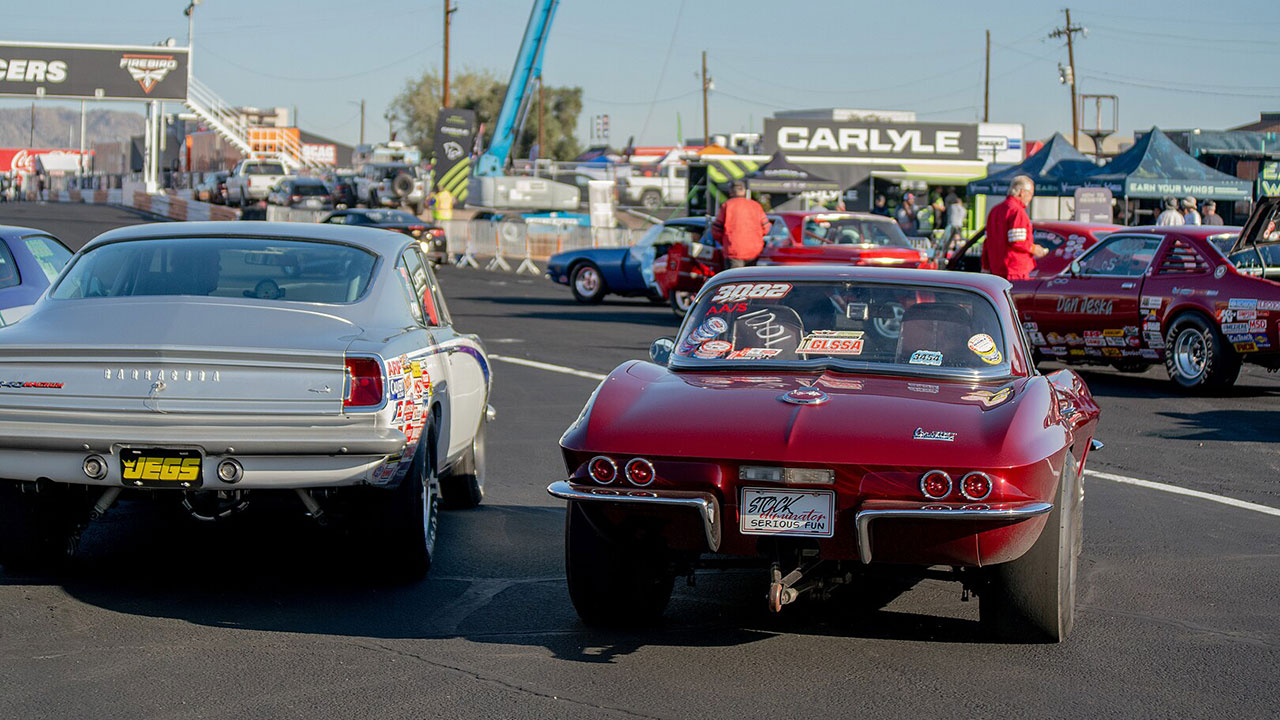
The story of drag racing begins in the post-World War II era, a time when America was undergoing significant social and economic changes. Returning soldiers brought with them technical skills and a passion for fast cars, setting the stage for the rise of car culture in the 1950s. The wide-open spaces and newly constructed highways provided the perfect environment for speed enthusiasts to test their modified vehicles in informal races.
The formation of the National Hot Rod Association (NHRA) in 1951 marked a turning point in the sport’s history. The NHRA helped formalize drag racing by establishing rules, organizing events, and promoting safety. This organization not only legitimized the sport but also broadened its appeal, helping to transform drag racing from a fringe activity into a mainstream motorsport.
The Allure of Speed and Power
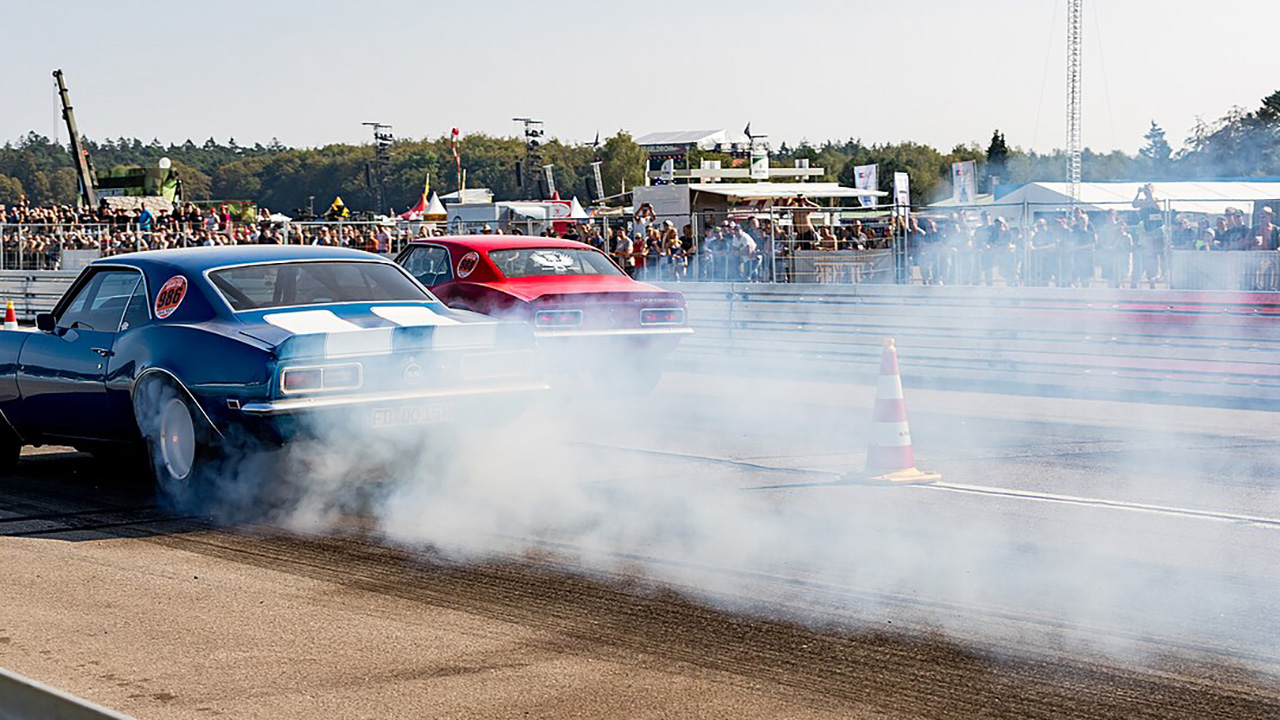
Americans’ cultural obsession with speed has been a significant factor in the popularity of drag racing. The thrill of acceleration and the pursuit of record-breaking quarter-mile times have captivated audiences for decades. The 1960s and 1970s saw the rise of muscle cars, with models like the Ford Mustang and Chevrolet Camaro becoming icons of speed and power. These vehicles epitomized the American dream of freedom and self-expression through driving.
Technological advancements have only enhanced the spectacle of drag racing. Engineers and car enthusiasts continually push the boundaries of what’s possible, creating machines capable of mind-boggling speeds. The combination of raw horsepower, cutting-edge technology, and the skill of the drivers makes each race an exhilarating experience. This relentless pursuit of speed and innovation has kept drag racing at the forefront of American motorsport culture.
The Role of American Muscle Cars
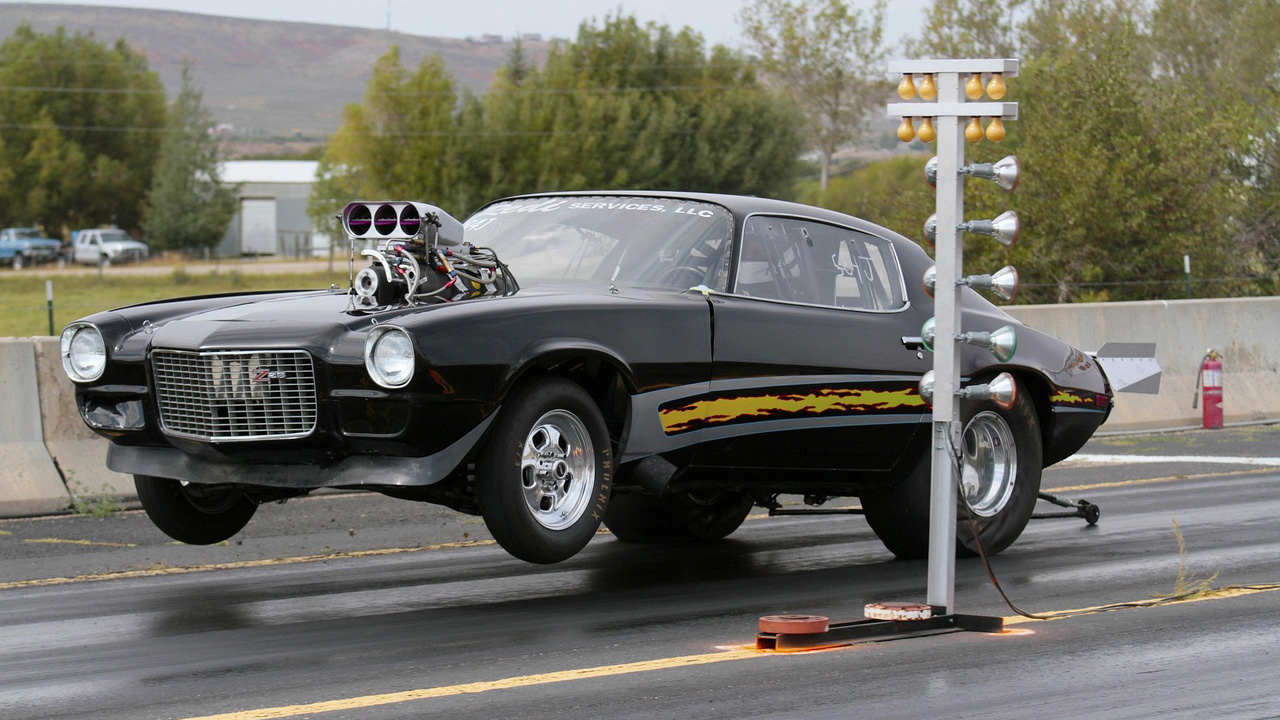
Legendary American muscle cars have played a pivotal role in shaping drag racing. Vehicles like the 1970 Dodge Challenger, 1969 Ford Mustang Boss 429, and 1968 Chevrolet Camaro Z/28 are celebrated as some of the greatest muscle cars of all time. These cars were not only powerful but also accessible to the average consumer, allowing more people to participate in and enjoy the sport.
Over the years, muscle cars have evolved, but their legacy endures. Modern iterations continue to embody the spirit of their predecessors while incorporating advanced technology to enhance performance. American car manufacturers have consistently tailored their vehicles for optimal performance on the drag strip, ensuring that these cars remain a staple in the world of drag racing.
Drag Racing as a Community and Lifestyle
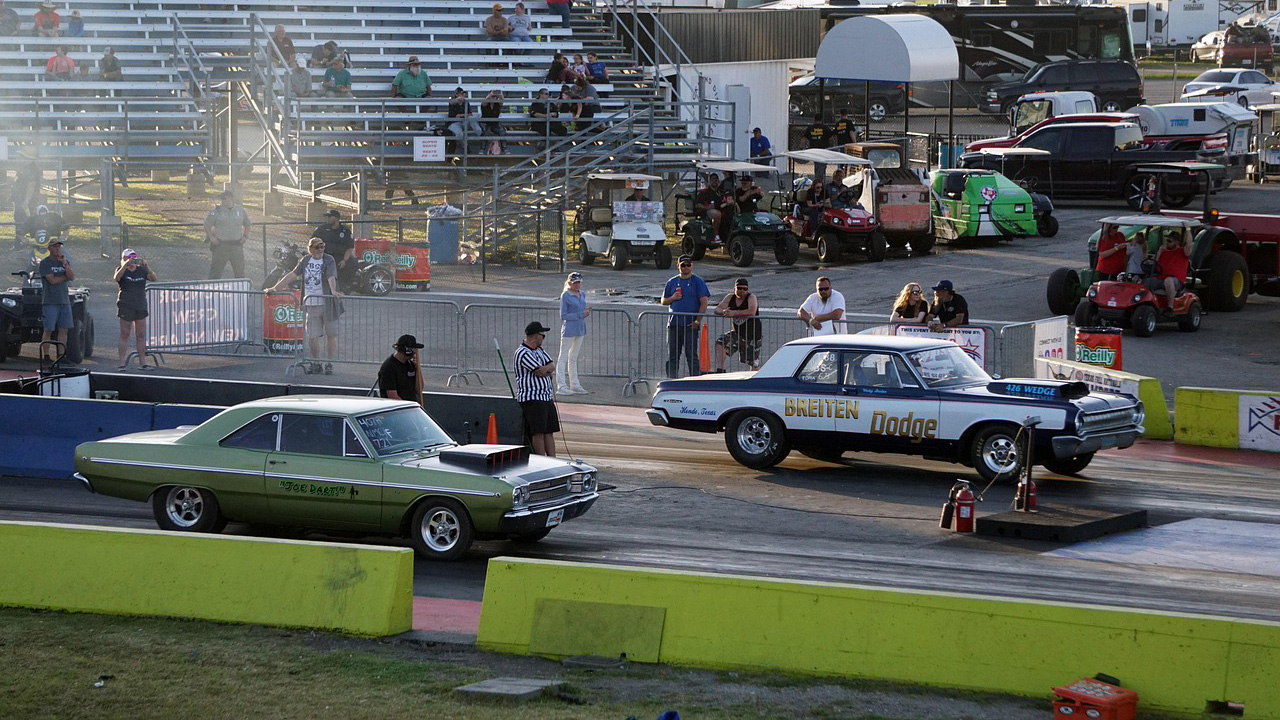
Beyond the thrill of speed, drag racing has fostered a strong sense of community among its enthusiasts. Local drag strips across America serve as gathering places for fans and racers alike, creating a grassroots racing culture that is both inclusive and vibrant. These venues offer a platform for amateurs to test their skills and a space for fans to connect over their shared passion for speed and performance.
Drag racing’s influence extends into American pop culture, with its presence felt in movies, music, and television. Films like “American Graffiti” and the “Fast & Furious” franchise have immortalized the sport, while artists from various genres have celebrated it in song. This cultural impact has helped sustain drag racing’s popularity, ensuring its place in the American cultural landscape.
Challenges and the Future of Drag Racing
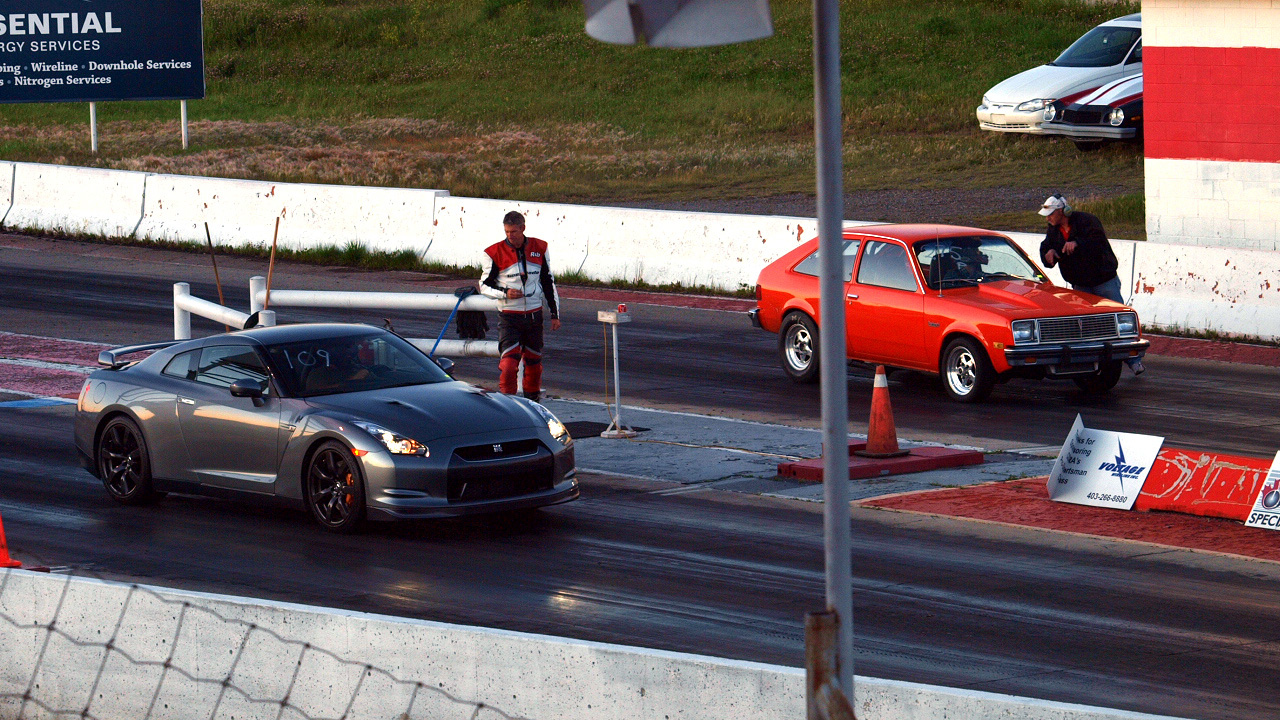
Despite its enduring appeal, drag racing faces several challenges in the modern era. Environmental concerns, particularly the carbon footprint of high-performance vehicles, have prompted discussions about the sport’s sustainability. Safety remains a critical issue, with efforts to improve protective gear and track conditions ongoing. However, the rise of electric drag racing cars presents an exciting opportunity to address these challenges while maintaining the sport’s core appeal.
The future of drag racing in America will likely involve a delicate balance between tradition and innovation. As technological advancements continue to reshape the landscape, the sport must adapt to remain relevant. Embracing new technologies while preserving the spirit of competition and community that defines drag racing will be crucial for its continued success. By addressing these challenges, drag racing can continue to captivate and inspire future generations.
Like Fast Lane Only’s content? Be sure to follow us.
Here’s more from us:
*Created with AI assistance and editor review.