Modern cars may be faster, cleaner, and packed with features—but they’ve also become harder to trust, fix, or even fully own. Behind the sleek screens and driver assists is a system that’s increasingly designed to lock you out, track what you do, and nickel-and-dime you after the sale. What used to be a machine built for freedom has quietly turned into something far more controlled.
This article breaks down how tech has crept into every corner of car ownership—making things more expensive, less personal, and a whole lot harder to live with.
Overreliance on Touchscreens

Physical buttons are disappearing fast, replaced by oversized touchscreens. While they look sleek, they often demand more attention than old-school knobs and switches. Adjusting climate settings or volume now means digging through digital menus, which increases driver distraction.
In many cases, these systems lag or become unresponsive over time. Unlike mechanical parts, they’re harder and more expensive to repair. It’s a frustrating shift, especially for drivers who value muscle memory over menus. Technology has taken something that used to be intuitive and made it unnecessarily complicated.
Key Fobs Over Keys
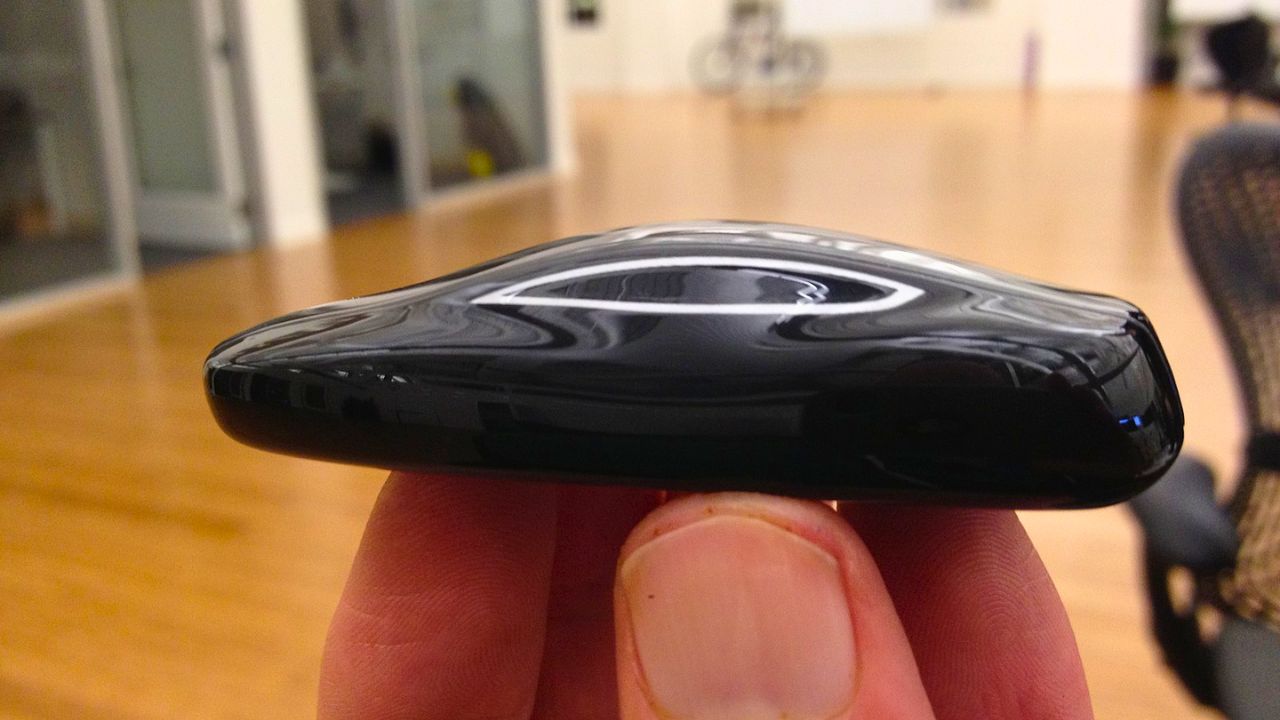
Traditional car keys were simple—insert, turn, drive. Now, keyless entry and push-start systems dominate, but they come with issues. Losing a key fob isn’t just inconvenient—it can cost anywhere from $200 to over $600 to replace.
On top of that, these systems are more vulnerable to electronic theft. Relay attacks, where criminals boost the signal from your fob to unlock and start your car remotely, are on the rise. The added tech hasn’t made life simpler—it’s made ownership riskier and repairs more expensive.
Subscription-Based Features
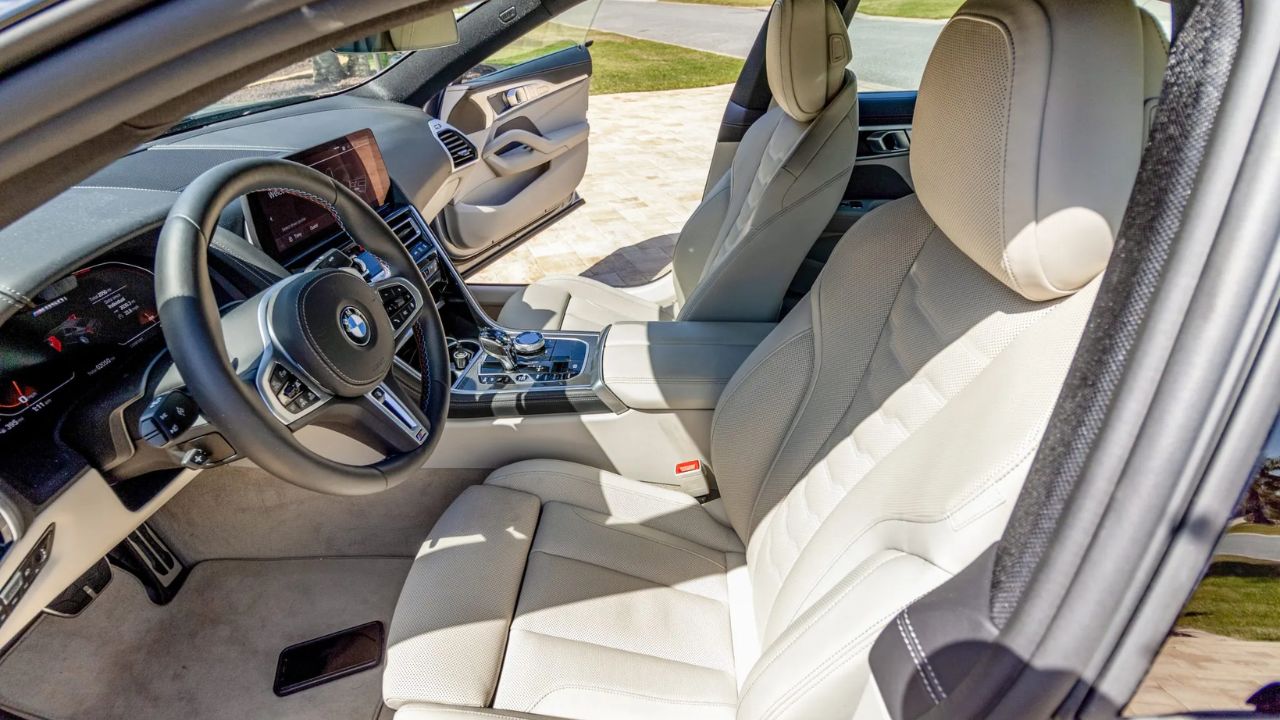
Some manufacturers are now charging monthly fees for features that used to come standard, like heated seats or remote start. BMW, for example, made headlines for offering heated seat subscriptions in certain markets.
The idea that you have to pay a recurring fee to use hardware your car already came with rubs a lot of drivers the wrong way. It’s a shift from ownership to leasing access, turning basic comfort features into ongoing revenue streams. That’s not convenience—it’s nickel-and-diming loyal buyers.
Overcomplicated Diagnostics
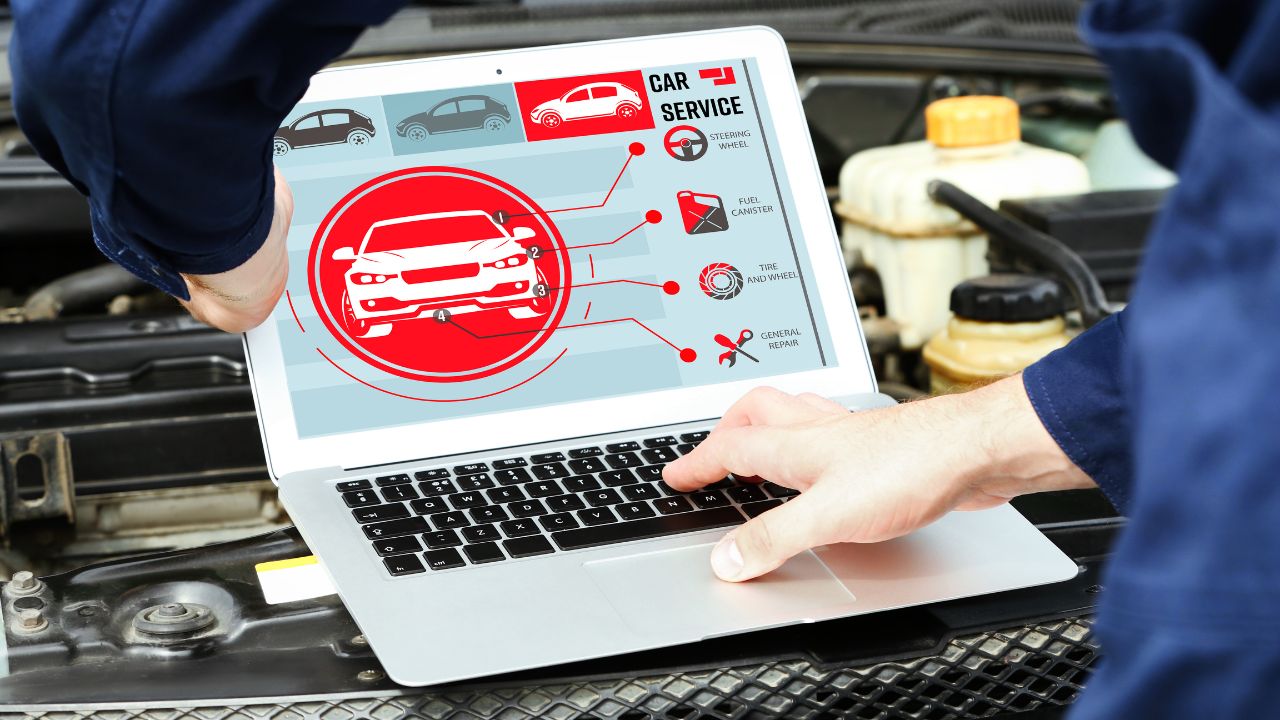
Pop the hood on a modern car and you’re greeted with a maze of sensors, wires, and plastic shrouds. Diagnosing even basic issues often requires a proprietary scan tool and dealership-level software. That limits DIY fixes and drives up shop labor costs.
Years ago, a rough idle or check engine light often meant a vacuum leak or bad spark plug. Now it could be a failed sensor buried behind $1,000 worth of parts. For owners who used to handle their own repairs, modern technology has shut them out of their own garage.
Drive-By-Wire Disconnect

Throttle-by-wire, brake-by-wire, even steer-by-wire—many modern systems have removed direct mechanical connections between driver and machine. These setups allow for electronic tuning and safety layers, but they also add lag and reduce feedback.
That lack of physical connection changes how a car feels. Older vehicles responded immediately and predictably to input. Now, there’s often a digital filter in between, which can dull the driving experience and make cars feel more like appliances than machines built to be driven.
Unreliable Over-the-Air Updates
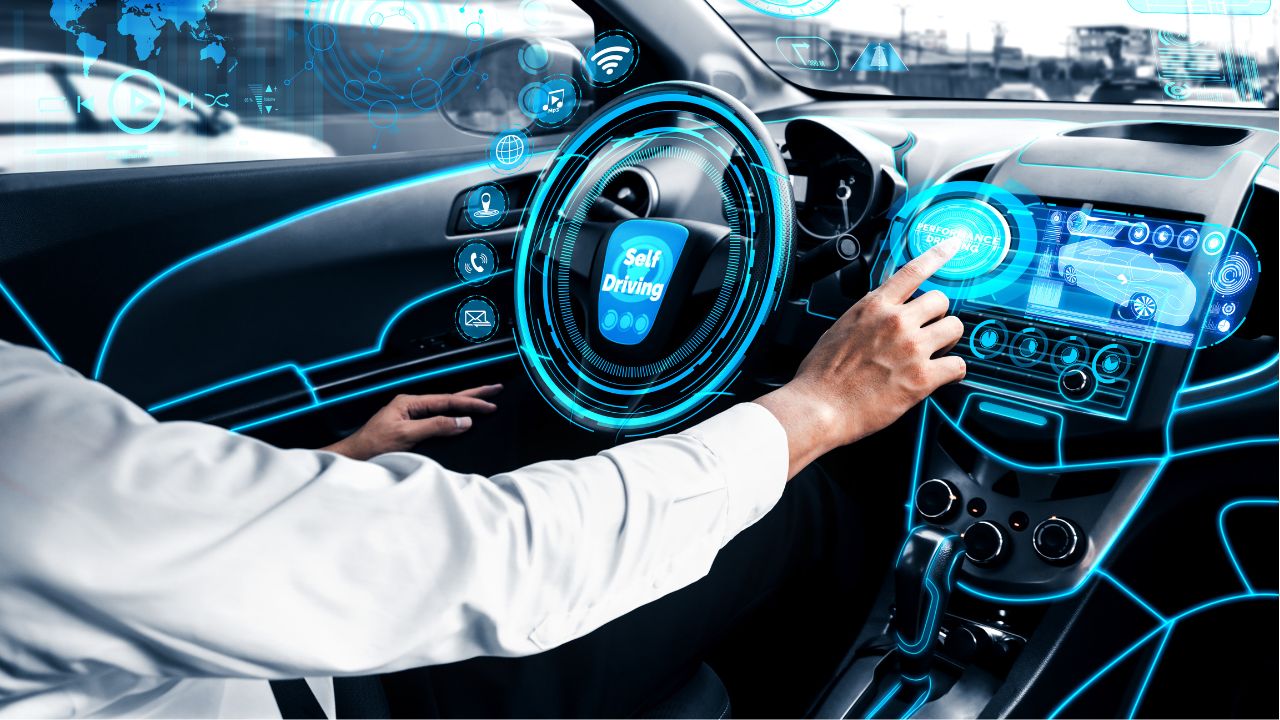
Over-the-air software updates promise convenience, but when something goes wrong, you’re stuck. Tesla owners, for instance, have reported issues with features disappearing or changing without warning after updates.
When a car update bricks a system or reconfigures key functions, there’s no easy fix unless you’re at the mercy of the manufacturer. Traditional cars didn’t need updates to “fix” what wasn’t broken. Now, even turning off a feature might require a software rollback, assuming they let you.
Dependency on Internet Connectivity
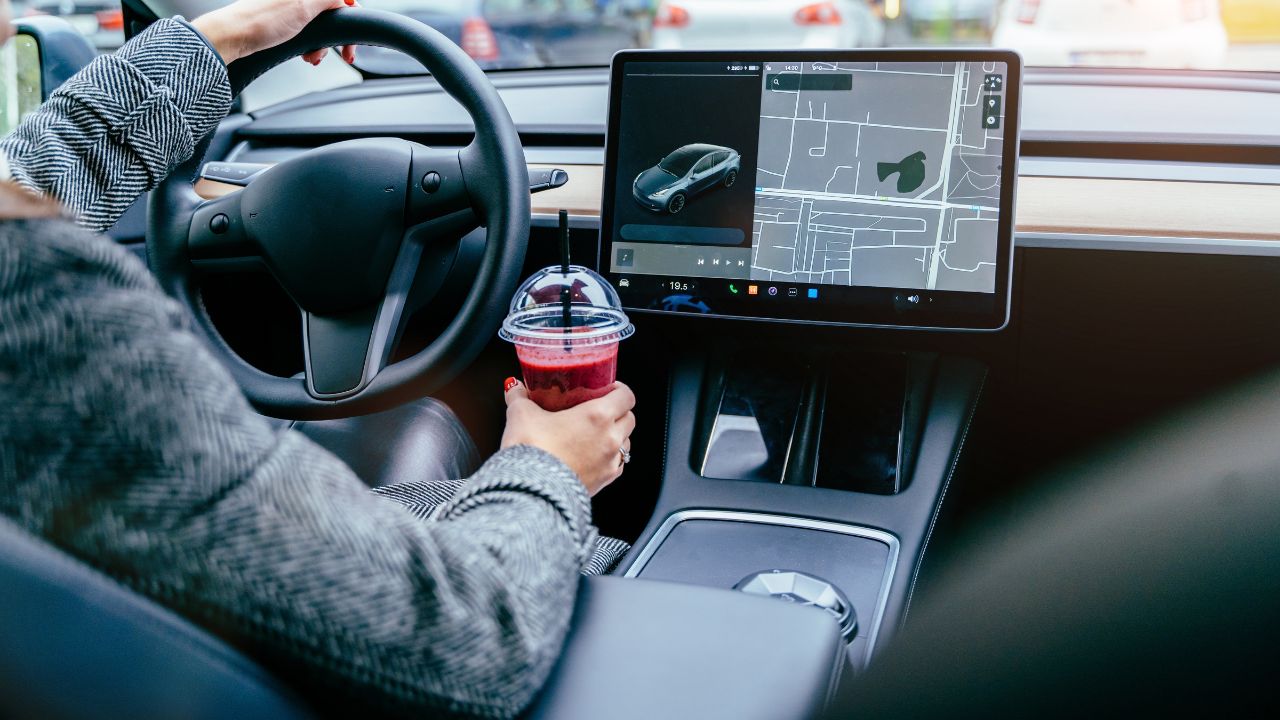
Modern infotainment and navigation systems often rely on constant internet access. When connectivity drops, so do your maps, apps, and voice assistants. Offline functionality has been deprioritized, making cars less capable without a signal.
This dependency creates real problems in rural areas or dead zones. It also opens doors to privacy concerns, with cars constantly collecting and transmitting user data. The more your car is connected, the more control you lose over what it’s doing—and who’s listening.
Limited Parts Availability
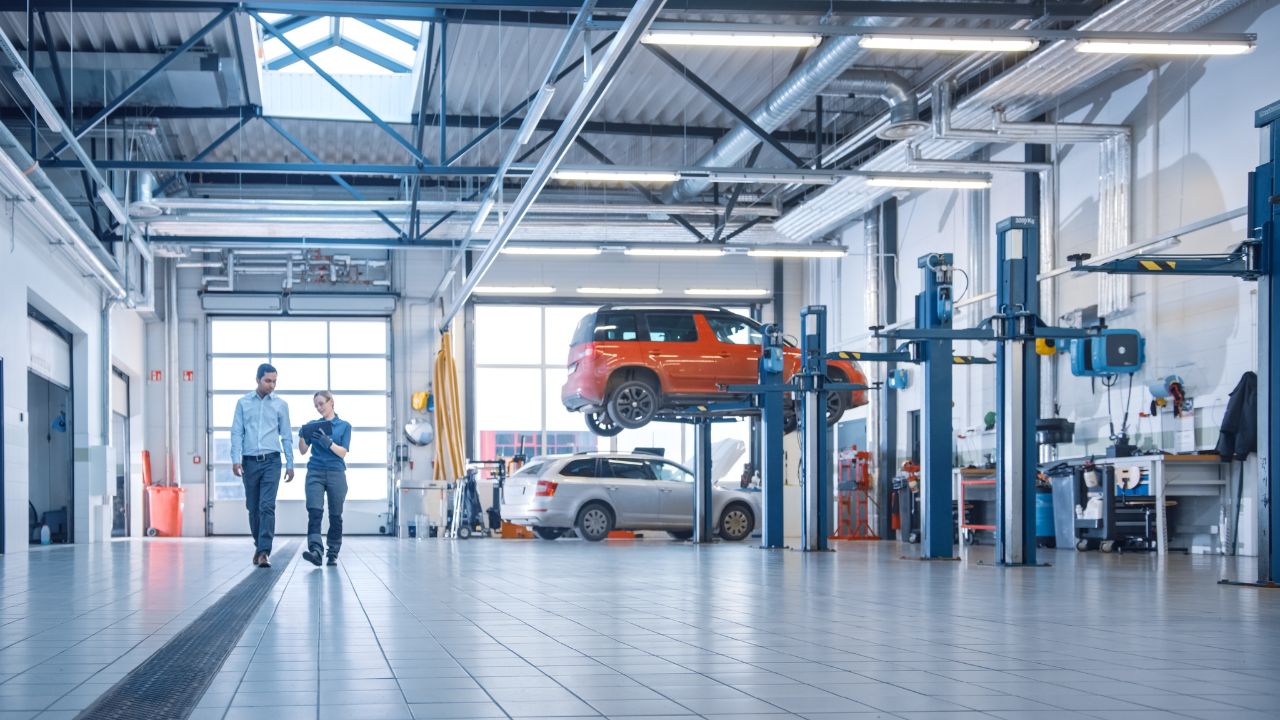
With tech-packed cars, even simple fixes can get delayed due to unavailable electronics. Modules for cameras, sensors, or ECUs are often on backorder because they’re vehicle-specific and sourced from limited suppliers.
During recent supply chain slowdowns, many drivers waited months for parts that used to be readily available. Some couldn’t even get their cars out of dealership service bays because a minor chip or component was missing. It’s a reminder that complexity doesn’t just cost more—it breaks harder.
Shortened Product Lifespans
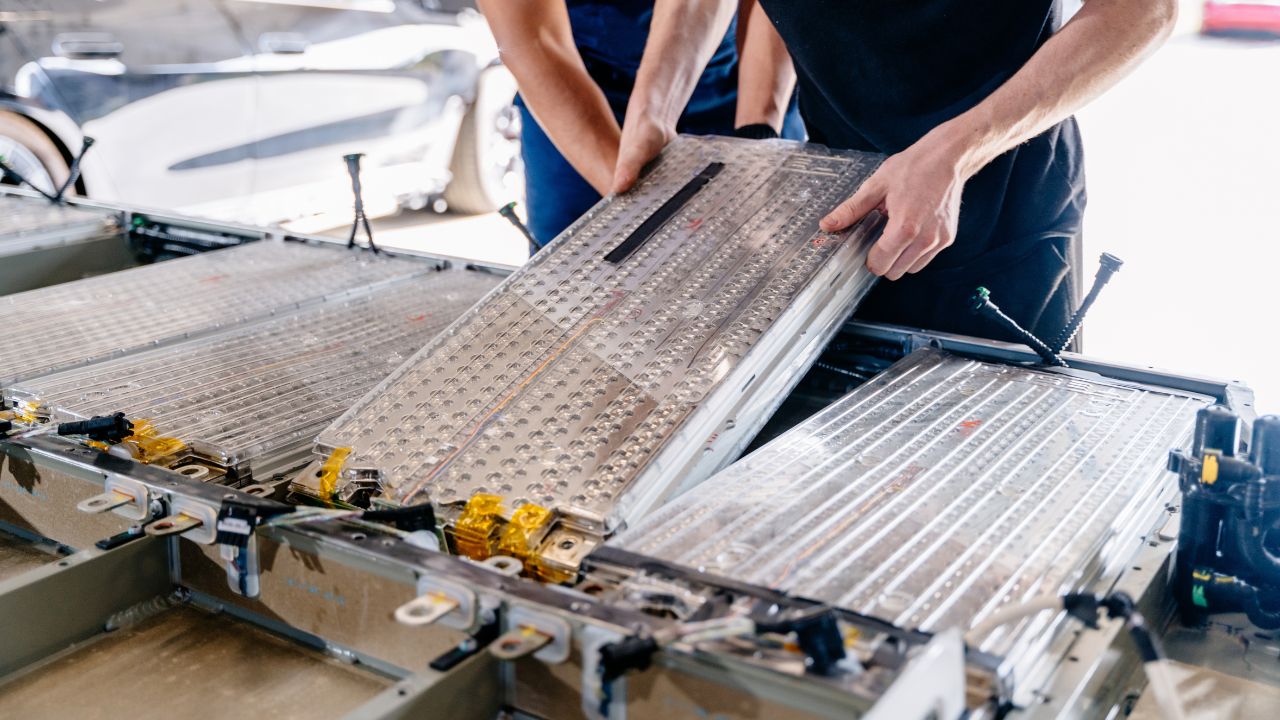
Technology has helped manufacturers push planned obsolescence. Infotainment systems become outdated in just a few years, and some electric vehicles have battery replacements priced higher than the car’s value.
Unlike classic cars that could run for decades with basic maintenance, many modern cars are built around tech that ages faster than the drivetrain. Once the tech fails, the car often ends up junked—not because it can’t run, but because it can’t interface.
Loss of Mechanical Feel

There’s a difference between driving a car and operating a rolling computer. Older cars had mechanical linkages, hydraulic steering, and analog gauges that gave the driver constant, honest feedback.
Today, digital speedometers, artificial engine sounds, and numb steering replace real engagement. Even performance cars now come with sound-enhancing speakers to fake engine noise. Technology has chipped away at the raw, analog experience that made driving a car something you felt—not just saw on a screen.
You’re Being Tracked—Constantly
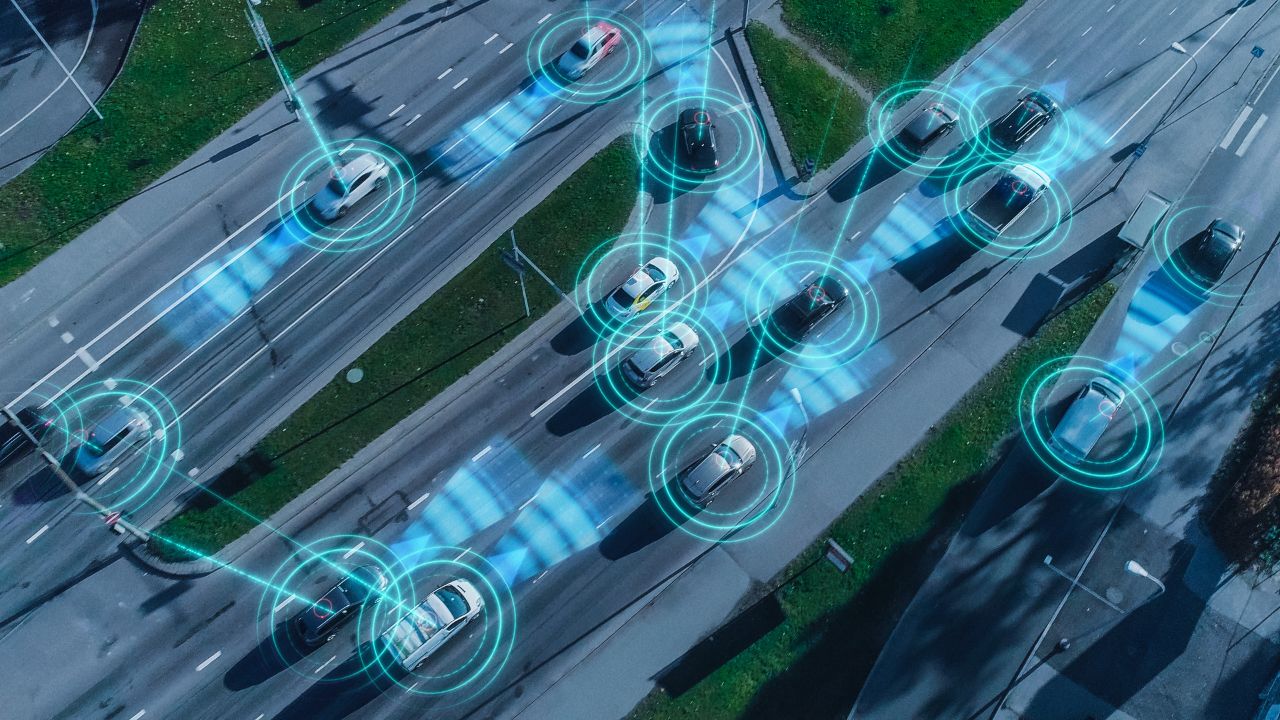
More new cars come connected straight from the factory, and it’s not just about navigation and Spotify. Built-in modems, telematics, and connected services collect a staggering amount of data—location, speed, braking habits, even seatbelt use. That info doesn’t stay in the car—it often goes back to the manufacturer.
What’s more concerning is who else might access it. Insurance companies already offer tracking-based discounts, and some law enforcement agencies have requested vehicle data without a warrant. The connected car is no longer just yours—your movements, habits, and decisions are part of someone else’s dataset now.
Like what you read? Here’s more by us:
*Created with AI assistance and editor review.