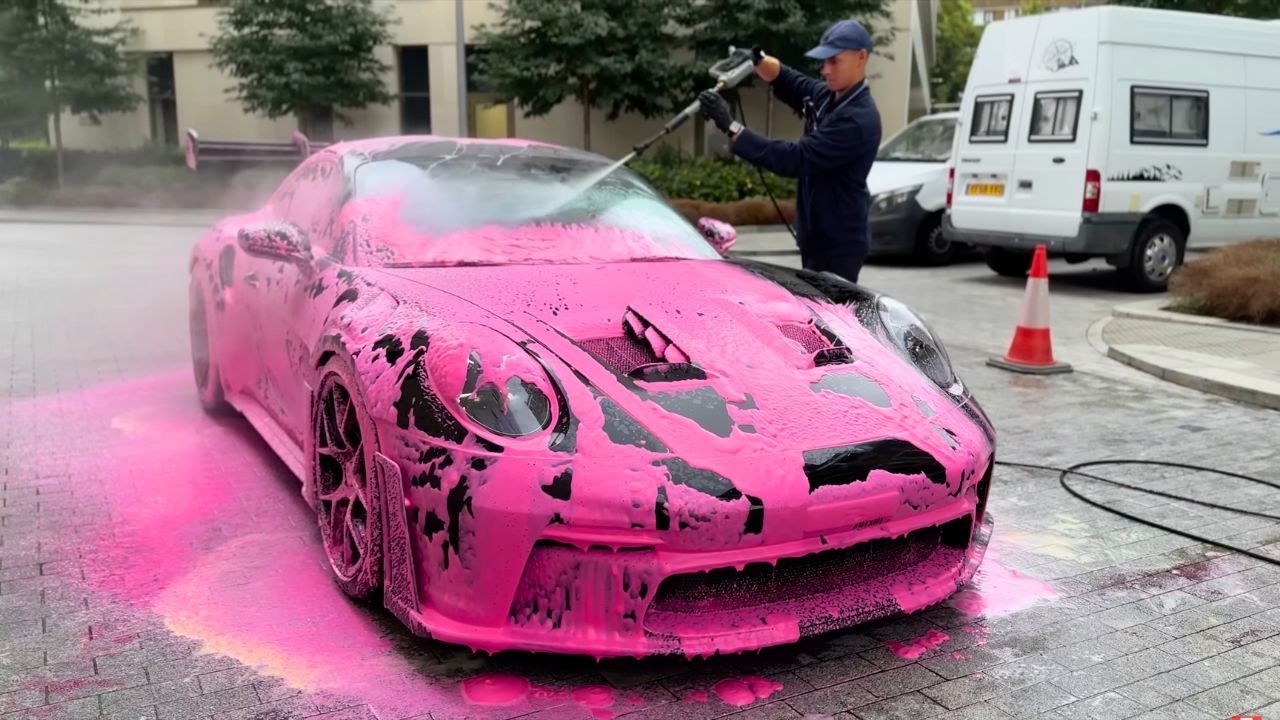
There’s a big difference between a car that’s been washed and one that looks brand new. The secret isn’t expensive tools or dealership visits—it’s knowing where to look and what actually works. Over time, even well-maintained cars start to show wear in the trim, the paint, the carpets, and all the little areas most people forget about.
This article breaks down 10 smart detailing techniques that go beyond the basics. Whether you’re refreshing a daily driver or prepping a car for sale, these tips will help bring back that crisp, clean look that turns heads without shouting.
Start With a Proper Decontamination Wash
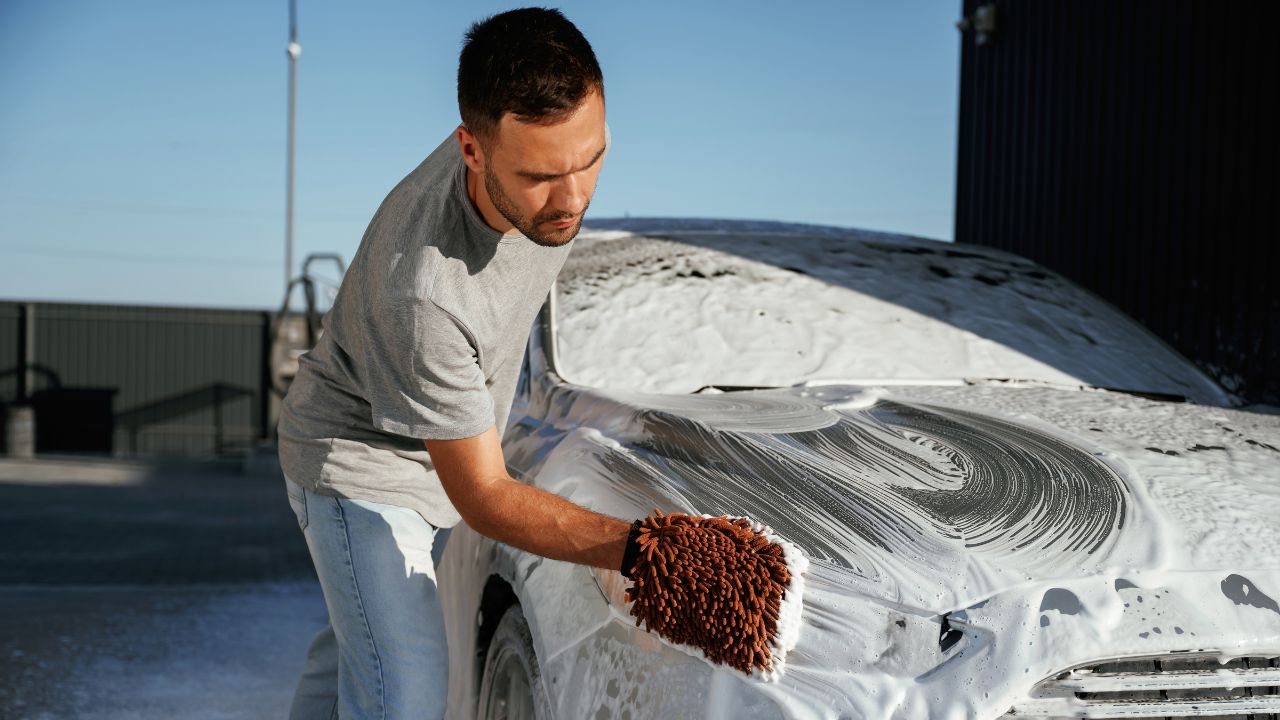
A regular car wash won’t cut it if you want that factory-fresh look. Start with a thorough two-bucket wash using quality microfiber mitts and pH-balanced soap. This helps lift dirt without grinding it into the paint. Rinse thoroughly, but don’t stop there.
Next, use an iron remover or fallout spray to dissolve embedded contaminants, especially on lighter-colored cars. Follow that up with a clay bar or synthetic clay mitt. You’ll feel the difference—once the surface is decontaminated, it feels like glass and becomes much easier to polish or wax properly.
Use a Dual Action Polisher the Right Way
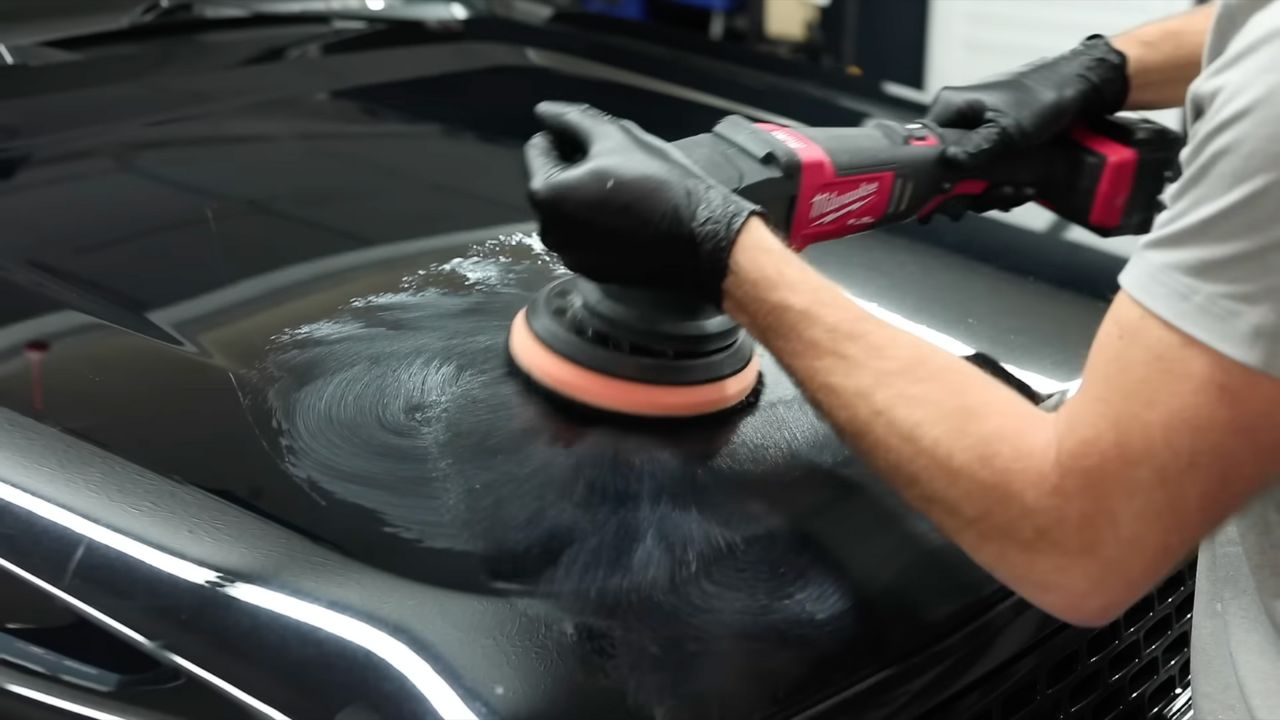
Hand polishing is fine for small jobs, but if you’re serious about results, a dual action (DA) polisher is the way to go. It’s designed to correct light swirls, oxidation, and hazing without the risk of burning through clear coat like rotary tools can.
Pair it with a quality compound and a foam pad suited to your paint type. Most people are surprised how much clarity and gloss comes back after a single pass. And it’s not just for show cars—removing years of micro-scratches does more for the finish than any wax or ceramic.
Don’t Skip the Tire and Trim Restoration
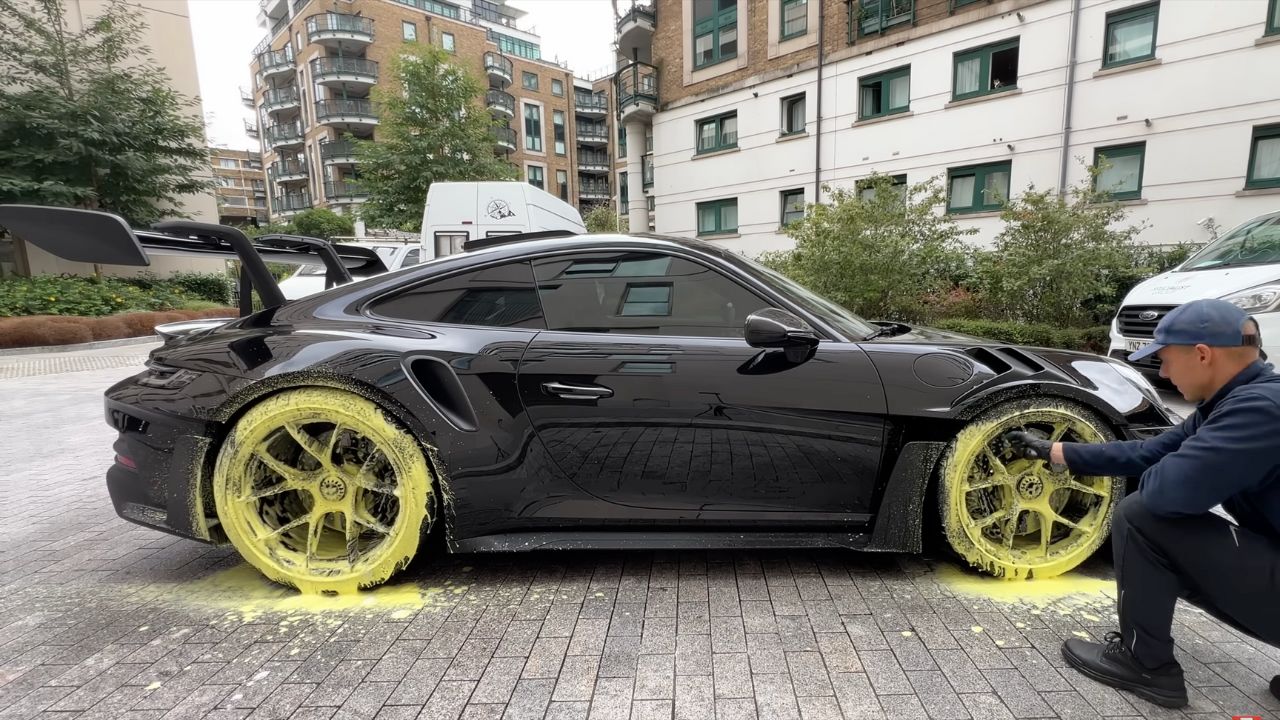
Even if the paint’s perfect, faded tires and plastic trim can ruin the whole look. Use a dedicated tire cleaner first—regular soap won’t cut the old dressings and embedded grime. Then apply a high-quality trim restorer or tire gel that soaks in rather than just sitting on the surface.
Stay away from the greasy, high-shine stuff. You want a dark, even finish that lasts more than a day or two. Properly dressed tires and rich-looking trim are subtle details, but they give the whole car a finished, well-maintained appearance.
Clean the Glass Like You Mean It

Streaky or hazy windows kill the look from the inside and out. Use a clean, low-pile microfiber towel and a proper glass cleaner—one without ammonia if you have tinted windows. Fold the towel and clean in sections to avoid pushing dirt around.
For best results, clean the inside and outside surfaces back to back. That way, if there’s a streak left behind, you’ll know which side it’s on. And don’t forget the corners or top edges of the windows—those are easy to miss and noticeable when the light hits just right.
Steam Clean the Interior’s Hard Surfaces
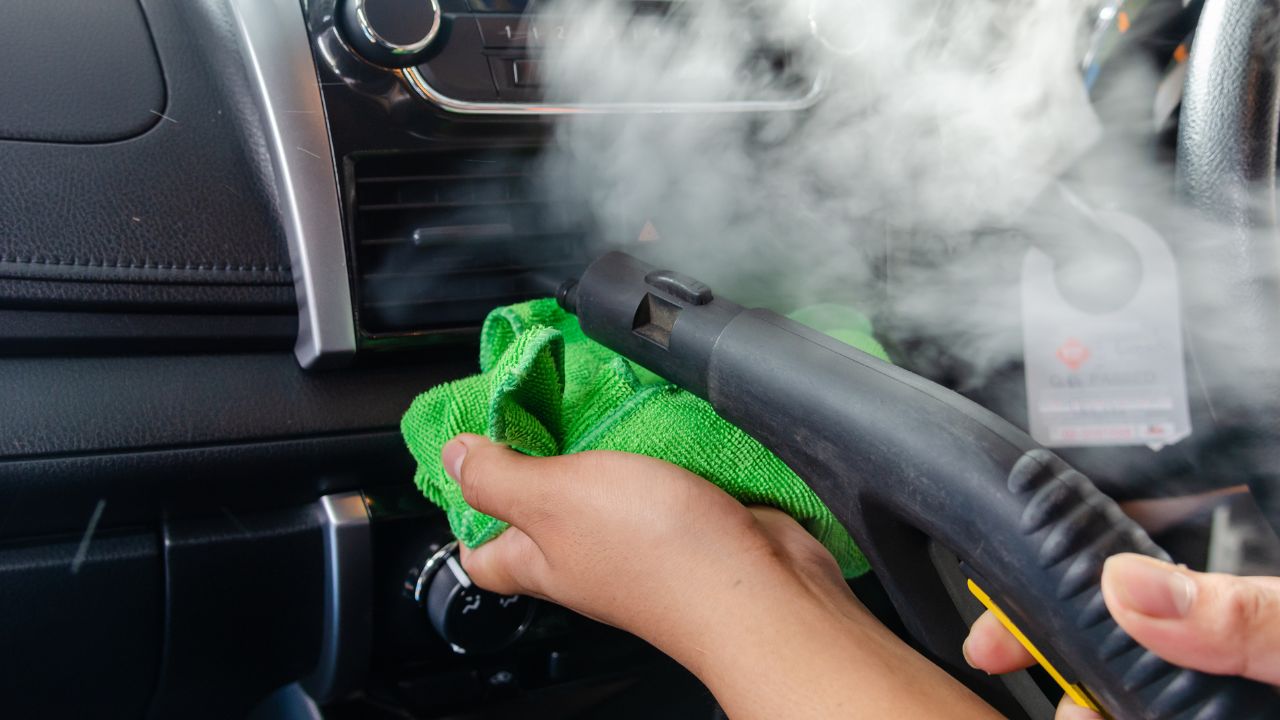
Vacuuming and wiping down with an all-purpose cleaner helps, but if you want that deep-cleaned feel, try steam cleaning. It loosens grime, kills bacteria, and lifts out embedded dirt from textured plastics and vents that are hard to reach otherwise.
Use a detailing brush to agitate stubborn spots, then follow with a clean microfiber to wipe away the residue. Steam also works great on seat creases and console areas where dust and grime collect. It’s one of the fastest ways to make an interior feel fresh again—without soaking it.
Shampoo or Extract Your Carpets

A clean carpet changes the whole vibe inside the car. Start by vacuuming thoroughly, including under the seats and pedals. Then use a carpet shampoo or an extractor machine to pull out what’s left behind—because even clean-looking carpets hold years of dirt and salt.
If you don’t have an extractor, foaming carpet cleaners work well too. Just don’t over-saturate and always blot, never scrub, to avoid damaging the fibers. Fresh carpets aren’t just about looks—they cut odors too and make the car feel newer from the ground up.
Take Care of the Engine Bay

A clean engine bay doesn’t just look good—it makes working on the car easier and can help spot leaks early. Cover sensitive electronics, use a degreaser on the surfaces, and rinse with low pressure. A detailing brush can help with tight spots like valve covers and plastic trim.
Once it’s clean and dry, use a water-based dressing to even out the finish and restore a like-new sheen to plastics and rubber parts. Keep it subtle—this isn’t a show truck engine bay, just clean and tidy. It makes a difference, especially when selling or showing the car.
Pay Attention to Door Jambs and Seals

Door jambs are often overlooked, but they’re one of the first things people see when stepping into your car. Use a degreaser or all-purpose cleaner and a soft brush to remove built-up grime and grease around the hinges and rubber seals.
Wipe it all down with a microfiber towel and consider applying a rubber conditioner to keep door seals from cracking. It takes just a few minutes per door but adds a surprising level of completeness to the detail. Skipping this step is like shining your shoes but leaving the laces dirty.
Apply a Quality Paint Sealant or Ceramic Spray

Once your paint is polished and clean, it’s time to protect it. Skip the old-school paste wax and go with a quality synthetic sealant or ceramic spray. These offer longer-lasting protection and are far easier to apply evenly.
The right product will add slickness, boost depth, and help repel dirt and water for months. Use a soft applicator and microfiber towel for removal. Proper protection means easier maintenance later—and it helps that deep, polished look last longer between washes.
Always Finish With the Right Lighting
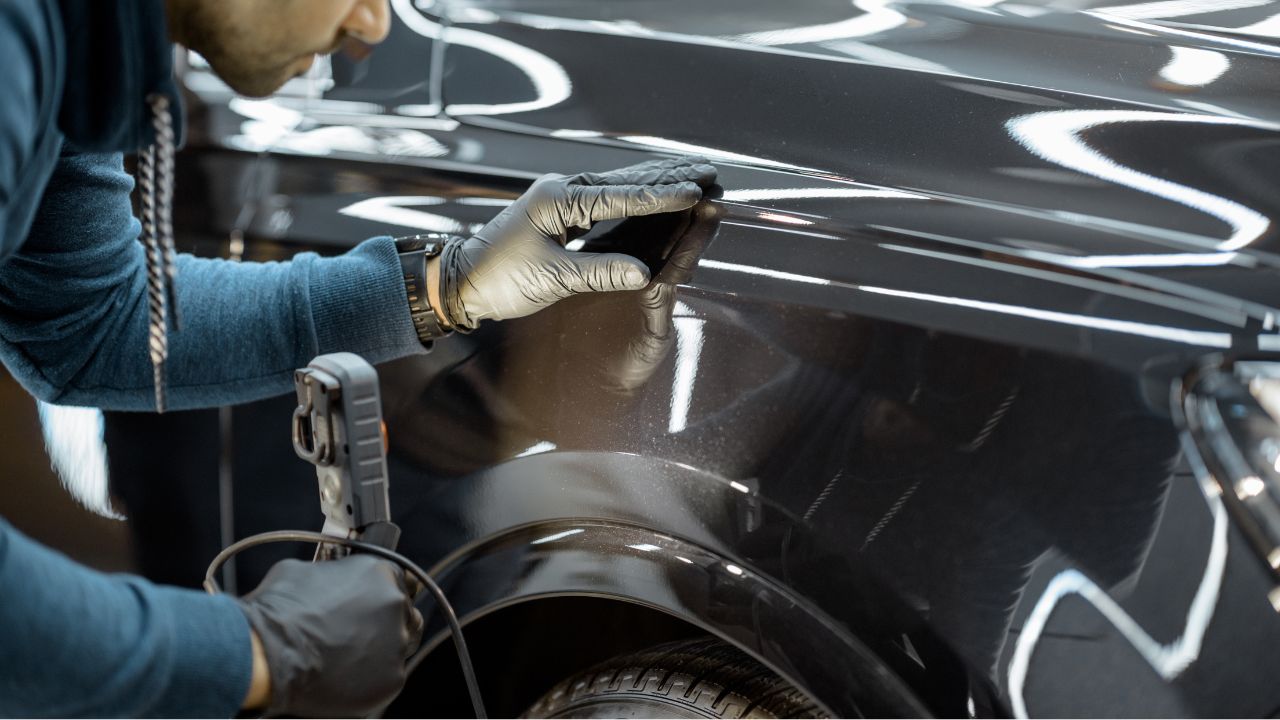
The final inspection step is often overlooked. Use proper lighting—daylight, LED panels, or a handheld detailing light—to check your work. You’ll catch missed spots, streaks, or swirls that weren’t visible under regular shop lights or in a dim garage.
Detailing under good light ensures the car looks sharp from every angle, not just when you’re standing right next to it. It’s the difference between “clean enough” and showroom-level clean—and the better you get at spotting flaws, the more rewarding your results will be.
Like what you read? Here’s more by us:
*Created with AI assistance and editor review.