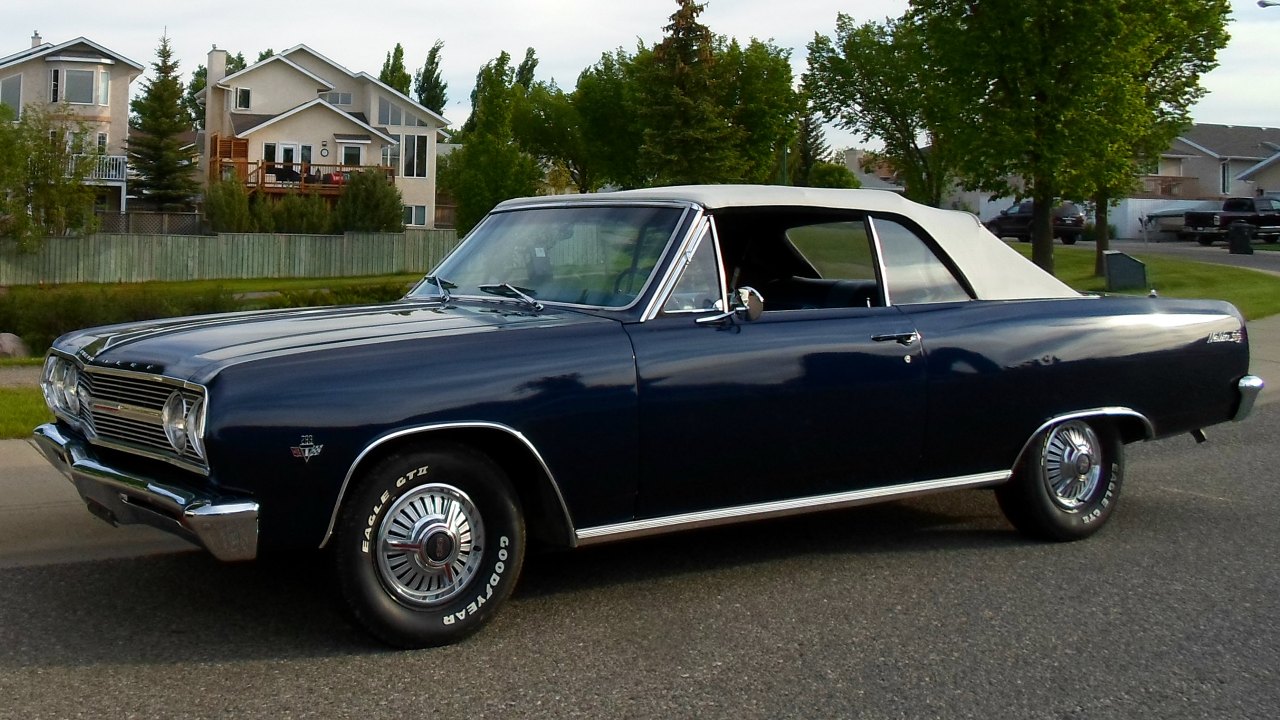
The 1965 Chevrolet Malibu arrived at a moment when American families wanted practicality without giving up personality. It offered room for kids and luggage, yet still promised the sound and feel of a real performance car, creating a bridge between weekday duty and weekend fun that still shapes how I think about family cars today.
By pairing sensible body styles with serious engine options and a growing performance image, the Malibu turned the idea of a family car into something aspirational. It showed that a wagon or coupe could haul groceries and still look at home at a cruise night, a balance that continues to echo in how the Malibu name is marketed now.
From sensible A-body to aspirational badge
When Chevrolet positioned the Malibu at the top of the Chevelle lineup, it was not chasing exotic sports cars, it was chasing families who wanted a nicer version of the car they already needed. The Malibu trim brought upgraded interiors and styling to the Chevelle A-body platform, which meant buyers could choose sedans, coupes, convertibles, and wagons that felt a step above basic transportation. That mix of body styles is what let the car serve as both a family hauler and a personal statement, especially in 1965 as the mid-size segment grew more competitive.
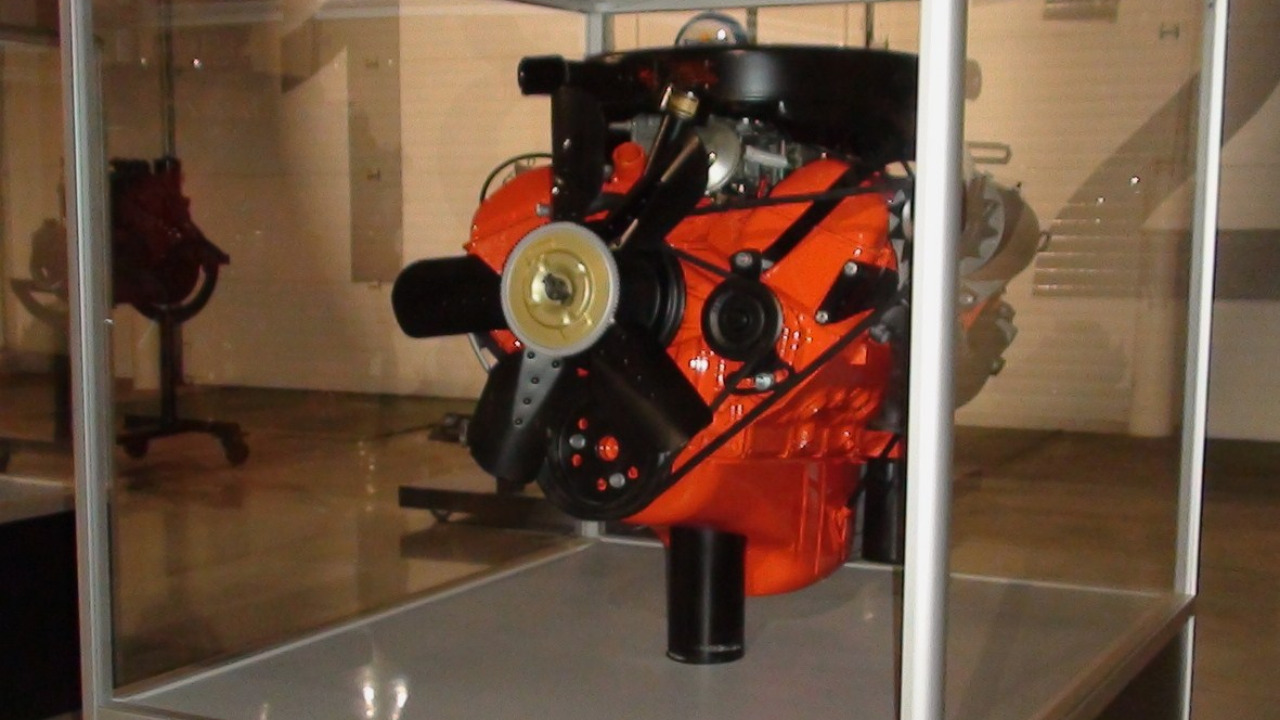
Under the skin, Chevrolet backed up the Malibu’s image with real hardware. The top engine option for 1965 was a 350 hp V8, rated at 261 kW and 355 PS, displacing 327 cu in, or 5.4 L, which gave the car performance credentials that went far beyond its family-car mission. Only 201 examples of the 1965 Malibu SS received the Regular Production Op version of this package, which adds a layer of rarity to the cars that combined the most power with the most upscale trim. That blend of comfort and capability is what turned the Malibu name into something more than just a Chevelle variant.
Wagon practicality, V8 personality
The station wagon version of the 1965 Chevrolet Chevelle Malibu shows most clearly how Chevrolet tried to merge family needs with enthusiast appeal. In period, the wagon body style was the default choice for parents who needed to move children, pets, and vacation gear, yet the Malibu badge and available V8 engines meant this was not just an appliance. A white Chevrolet Chevelle Malibu Station Wagon, as seen in enthusiast coverage, highlights how the long roof could still wear bright trim and sporty wheels without losing its everyday usefulness.
Even today, when a 1965 Chevrolet Chevelle Malibu Station Wagon White is started and its engine sounds are recorded for audiences, the character of that V8 turns what might have been a purely utilitarian shape into something emotional. The way the car idles and revs in those engine sounds clips underlines how Chevrolet gave the wagon the same mechanical personality as the coupes and convertibles. That decision let one car carry kids to school during the week and then draw a crowd at a local show on the weekend, a dual role that many modern crossovers still struggle to match.
Malibu SS and the promise of accessible performance

The Malibu SS variant sharpened that dual-purpose mission by leaning harder into performance while staying within reach of middle class buyers. With the Malibu SS, Chevrolet added bucket seats, sportier trim, and the option to pair that 327 cu in V8 with a more aggressive image, creating a car that felt special without abandoning its Chevelle roots. The fact that 201 Malibu SS cars received the Regular Production Op version of the top 350 hp engine shows how Chevrolet was willing to let family buyers step into genuine muscle territory if they wanted to.
Modern listings for a 1965 Chevrolet Malibu SS often emphasize that the car has everything a driver wants in a cruiser, including an engine that starts easily and pulls strongly, along with comfortable seating and usable space. That sales language reflects the same balance Chevrolet was aiming for in 1965, where the SS badge did not turn the Malibu into a stripped race car, but into a more engaging version of a car that could still handle daily life. In my view, that is the essence of how the Malibu bridged family and fun, by making performance feel approachable rather than intimidating.
Transmissions, technology, and the family-car arms race
The drivetrain choices around the 1965 Malibu also reveal how Chevrolet was pacing itself against rivals while still prioritizing everyday usability. At that time, the mainstream powertrain lineup relied on manual gearboxes and earlier automatic designs, and it would not be until 1969 that a three-speed TurboHydramatic was added to the broader range to better match what Chrysler was offering. That delay shows that Chevrolet was careful about how quickly it pushed new technology into its family cars, even as it experimented with higher output engines in models like the Malibu SS396 that arrived later.
For families, the absence of the later three-speed TurboHydramatic in 1965 meant the Malibu remained relatively simple to maintain and understand, which likely helped its appeal as a dependable household car. At the same time, the availability of strong V8s and the Malibu SS package meant that buyers who cared about acceleration and sound could still get their fix without sacrificing the familiarity of proven transmissions. I see that balance as another way the car walked the line between practicality and excitement, giving buyers enough performance to feel special without forcing them into untested technology.
The Malibu name from mid-century driveway to modern showroom
The way the Malibu name is used today shows how durable that original formula has been. Current marketing for the Chevy Malibu describes it as a mid-size family car that can serve as a family sedan, a daily driver, or a stylish and comfortable car for the road, and it explicitly frames the Malibu as a great choice for buyers who want one car to do it all. That language echoes the 1965 approach, where the same badge covered wagons, coupes, and sedans that could be optioned for comfort or performance depending on the household’s priorities.
When I compare that modern positioning to the 1965 lineup, I see a straight line from the original Chevelle-based Malibu to the present day. The early car proved that a family-focused model could still carry real performance options like the 350 hp 327 cu in V8 and the Malibu SS trim, and that even a station wagon could earn attention for its engine sounds as much as its cargo space. Today’s Malibu may be a front wheel drive sedan rather than a rear wheel drive A-body, but the core idea remains the same, a single nameplate that promises families they do not have to choose between sensible and satisfying.
More from Fast Lane Only: