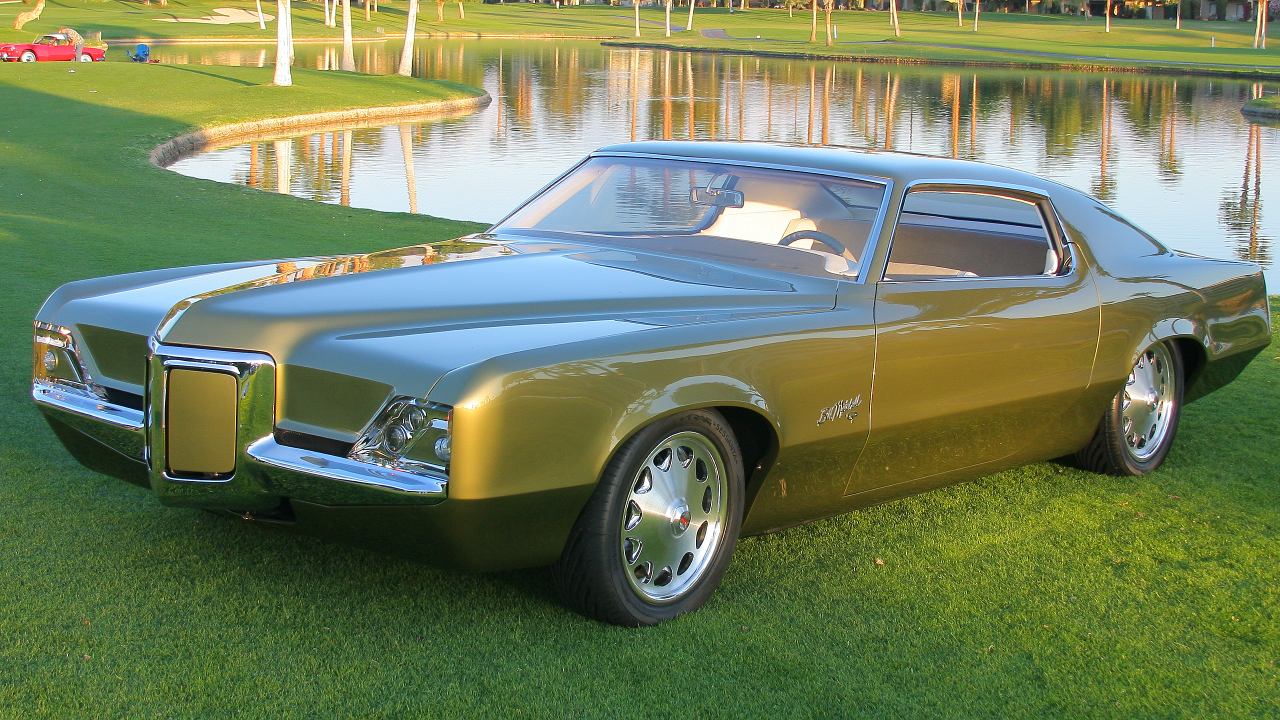
The 1969 Pontiac Grand Prix arrived at a moment when American buyers wanted comfort and image as much as raw speed, and it rewrote the rules for what a personal luxury coupe could be. By shrinking the footprint, sharpening the styling, and keeping serious V8 performance on the menu, Pontiac turned a niche nameplate into a template that rivals would chase for years. I see that single model year as the pivot point where the Grand Prix stopped being just another big two-door and started to define an entire segment.
From full-size cruiser to focused personal luxury
Before 1969, the Grand Prix was essentially a dressed-up full-size Pontiac, sharing its basic body with the division’s big cars and relying on trim and options to justify its premium price. It sold reasonably well and, in that form, was a popular and profitable product for Pontiac, but it did not stand apart mechanically or proportionally from the rest of the lineup. The personal luxury idea existed, yet it was still wrapped in the bulk and softness of traditional American full-size coupes, which limited how distinctive the Grand Prix could feel in a crowded showroom.
For 1969, Pontiac broke that pattern and recast the Grand Prix on a smaller platform that immediately changed its mission. The car moved away from its earlier full-size roots and adopted a more intermediate-sized foundation, a shift that contemporary reporting describes as a complete reshaping of the personal luxury class. By tightening the dimensions while keeping a long hood and formal roofline, the new Grand Prix signaled that personal luxury did not have to mean sheer size, it could mean proportion, stance, and a more intimate feel behind the wheel.
Design that sold the “banker’s hot rod” idea
The styling of the 1969 Grand Prix did as much as the engineering to reposition the car, and it did so with a kind of visual confidence that still reads clearly today. The extended hood, crisp body sides, and upright grille created a profile that looked expensive without relying on chrome excess or baroque ornament. Inside, the driver-oriented cockpit, deep-set gauges, and substantial console turned the front seat into something closer to a personal command center than a simple bench, reinforcing the idea that this was a car built around one person’s experience rather than a family’s needs.
That visual message dovetailed neatly with the emerging image of the Grand Prix as a “banker’s hot rod,” a phrase that captured its blend of executive polish and genuine performance. Contemporary enthusiasts noted that, for a brief moment, the Grand Prix occupied a sweet spot where a well-paid professional could have a car that looked appropriate in a corporate parking lot yet still delivered the acceleration and handling expected of a serious V8 coupe. The 1969 redesign made that dual personality credible, because the car finally looked as focused and purposeful as its mechanical specification suggested.
Performance with personal luxury manners
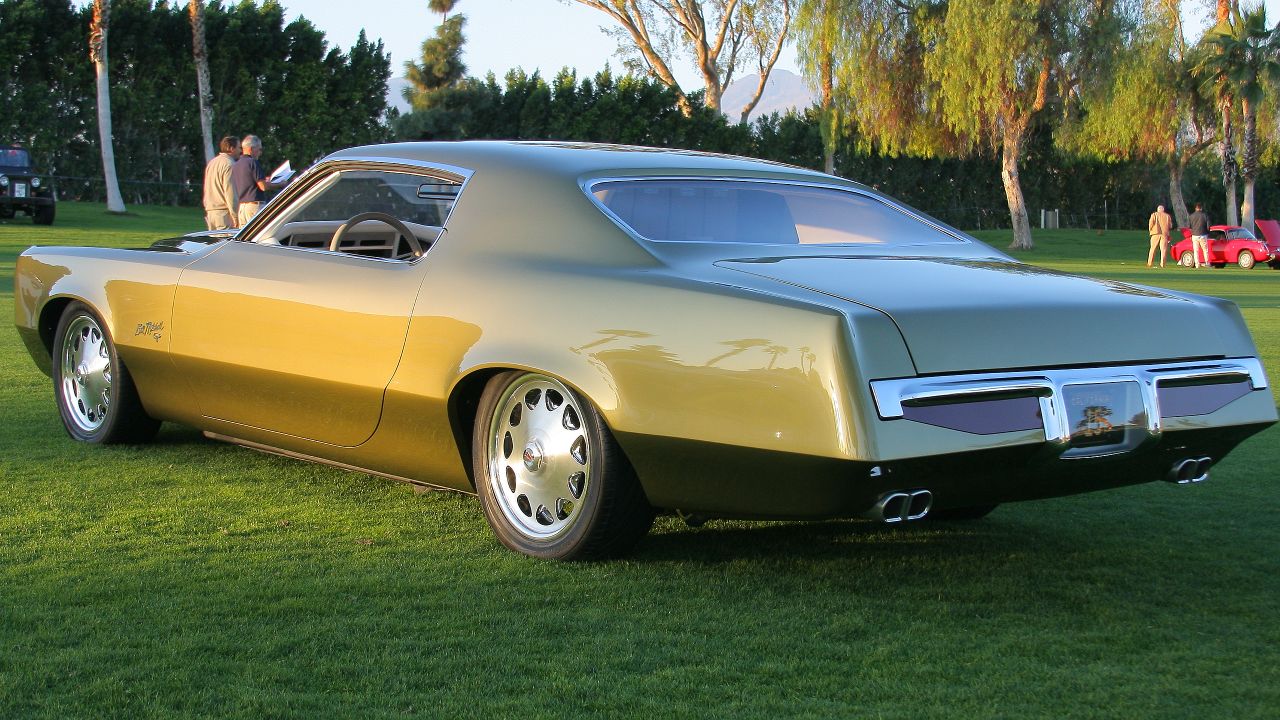
Under the skin, the 1969 Grand Prix backed up its new image with hardware that justified the performance side of its reputation. Pontiac’s big V8 engines, already proven in the division’s muscle cars, were available in the Grand Prix, giving buyers access to strong acceleration that contrasted with the softer, more comfort-first tuning of many rival personal luxury models. The chassis, shared with intermediate platforms rather than the largest full-size cars, allowed for more responsive handling and a tighter, more controlled ride that matched the car’s sporty styling.
What made the 1969 car transformative was not just that it could be ordered with serious power, but that it integrated that capability into a package that still prioritized comfort and refinement. The cabin remained quiet and well appointed, with materials and features aimed at long-distance ease rather than stripped-down performance. This balance is what made the “banker’s hot rod” label stick, and it is why later observers point to this period as the moment when the Grand Prix briefly became a true performance-luxury hybrid rather than simply a plush two-door.
Creating a new size and price benchmark
The shift in size that began with the 1969 Grand Prix did more than change how the car looked in a driveway, it effectively carved out a new market slot between traditional intermediates and full-size coupes. By moving to a more compact footprint while maintaining upscale styling and equipment, Pontiac showed that personal luxury could live in a slightly smaller, more agile package without losing its aspirational appeal. This approach anticipated the way other manufacturers would later position their own coupes, using intermediate underpinnings dressed in premium sheet metal and interiors to capture buyers who wanted luxury without the bulk of a full-size car.
Later Grand Prix models, such as the 1972 version, illustrate how that formula evolved into a distinct segment. Reporting on the 1972 car notes that the biggest change in that era was not simply styling, but the size and the way the car entered a brand new market segment that sat between a Mercury Cougar pony car and a Dodge Charger. That description underlines how the Grand Prix concept, launched in its modern form in 1969, helped define a middle ground where personal luxury coupes could be both more manageable in size and still clearly more upscale than mainstream intermediates.
Legacy in the personal luxury playbook
By reframing the Grand Prix as a more focused, performance-capable personal luxury coupe, the 1969 model year gave Pontiac a template that would guide the nameplate for years. The combination of intermediate-based dimensions, distinctive styling, and a cabin tailored to the driver became the core of the Grand Prix identity, even as regulations, fuel concerns, and changing tastes reshaped the broader market in the 1970s. The fact that later descriptions of the car’s history still single out this period as the moment when it redefined the personal luxury class speaks to how decisive that redesign was.
The broader industry followed similar cues, with other brands adopting the idea that a personal luxury coupe should be slightly smaller, more agile, and more overtly driver focused than the full-size cruisers that had dominated the early 1960s. In that sense, the 1969 Grand Prix did not just change its own trajectory, it helped set expectations for what a personal luxury car ought to be: stylish but not gaudy, comfortable but not detached, and powerful enough that the “hot rod” half of the banker’s hot rod nickname felt earned rather than aspirational.
More from Fast Lane Only: