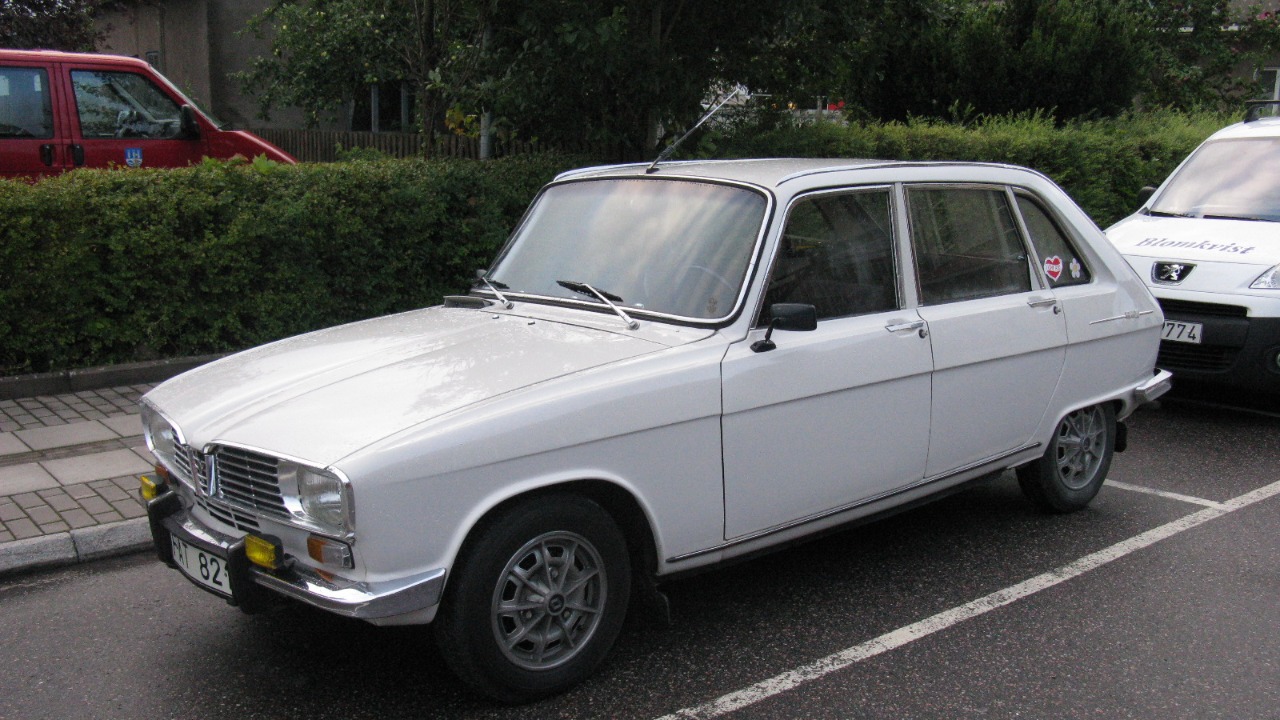
The 1968 Renault 16 was a revolutionary vehicle that redefined the hatchback segment long before it captured the attention of American consumers. With its innovative design and practical features, the Renault 16 set the groundwork for modern hatchbacks, influencing automotive thinking across Europe and beyond.
Design Innovations of the Renault 16
The Renault 16 was one of the first mass-produced vehicles to adopt a unibody construction. This design choice significantly enhanced the car’s structural integrity while also reducing its overall weight. Unlike traditional body-on-frame designs, the unibody structure allowed for greater rigidity and better crash safety, which was a major concern for manufacturers and consumers alike in the late 1960s. The reduced weight also contributed to improved fuel efficiency, a feature that would become increasingly important in the automotive industry as environmental concerns began to rise.
Another hallmark of the Renault 16 was its versatile hatchback layout. This configuration not only provided increased cargo space but also offered unparalleled flexibility compared to traditional sedans. The rear hatch allowed for easier loading and unloading, making it a practical choice for families and individuals alike. This design element was a game-changer in a market that had long prioritized sedans, and it paved the way for the hatchback segment to flourish.
Lastly, the Renault 16’s aerodynamic form played a vital role in enhancing its performance. The streamlined shape reduced drag, which improved fuel efficiency and handling. This aerodynamic design was not just about aesthetics; it was a strategic move that set the Renault 16 apart in a crowded market, showcasing how functionality could coexist with style.
Functional Features That Set It Apart
One of the standout features of the Renault 16 was its modular interior space. The innovative design included foldable rear seats, allowing for a spacious cabin that prioritized comfort and utility. This adaptability made it an ideal choice for various lifestyles, whether it was for a family trip or daily commutes. The generous headroom and legroom contributed to a more pleasant driving experience, further distinguishing the Renault 16 from its competitors.
In addition to its interior flexibility, the Renault 16 was equipped with an advanced suspension system that featured independent suspension at both the front and rear. This engineering choice allowed for a smoother ride and improved handling characteristics, enhancing the overall driving experience. It made the Renault 16 not just a practical vehicle but also a pleasurable one to drive, which was a significant consideration for buyers in the competitive European market.
The user-friendly controls of the Renault 16 also played a pivotal role in its appeal. The intuitive dashboard layout and easily accessible controls made the vehicle accessible to a broad range of drivers. In an era when many vehicles were still complicated to operate, the Renault 16 stood out for its simplicity and practicality, further enhancing its appeal to everyday consumers.
Market Impact and Reception in Europe
The Renault 16’s commercial success in Europe was nothing short of remarkable. It quickly became a bestseller in several countries, including France, the UK, and Germany. This success can be attributed to its innovative features and practical design, which resonated with a diverse consumer base. The car’s adaptability and comfort made it suitable for both urban and rural driving, thereby broadening its market appeal.
Culturally, the Renault 16 played a significant role in shaping consumer preferences during the late 1960s. It represented a shift towards more practical, versatile vehicles that catered to modern lifestyles. The car became a symbol of French automotive innovation, showcasing how design could be both functional and stylish. Its influence was felt not only in Europe but also served as a precursor to the hatchback movement that would eventually gain traction in other markets.
Additionally, the Renault 16 received numerous accolades, including the prestigious European Car of the Year award in 1969. This recognition solidified its status as an influential player in automotive design and engineering, inspiring future generations of vehicles and setting a new benchmark for hatchback models.
Influence on Future Hatchback Models
The design and functionality of the Renault 16 served as an inspiration for numerous competitors in the automotive industry. Manufacturers recognized the success of the hatchback design and began to develop their own models that incorporated similar features. For instance, the Volkswagen Golf, introduced in 1974, adopted many of the principles established by the Renault 16, including its practical interior layout and hatchback configuration. This model would go on to become one of the most iconic hatchbacks of all time.
The Renault 16’s legacy in automotive design is evident in the evolution of hatchbacks over the decades. Models like the Ford Focus and Honda Civic have built on the groundwork laid by the Renault 16, incorporating its practicality and style into modern designs. The influence of the Renault 16 can be seen in the way hatchbacks now dominate the compact car market, offering consumers a blend of utility, performance, and aesthetics.
Moreover, the Renault 16 raised consumer expectations regarding what compact cars could offer. It reshaped the narrative around hatchbacks, making them synonymous with practicality and modern design. As a result, the hatchback segment has grown to accommodate a wide range of preferences, from sporty models to family-oriented vehicles, largely thanks to the pioneering work done by the Renault 16.
Delayed Recognition in the American Market
Despite its groundbreaking innovations, the Renault 16 faced a delayed acceptance in the American market. Cultural differences in automotive preferences played a significant role in this phenomenon. American consumers historically favored larger vehicles with more powerful engines, often viewing hatchbacks as less desirable. This preference for traditional sedans and larger cars meant that the hatchback concept took longer to gain traction in the U.S.
The introduction of hatchbacks to the American market began to gain momentum in the 1980s with models like the Honda Civic and Toyota Corolla. These vehicles showcased the practicality and versatility that had already been embraced in Europe, and they began to shift consumer perceptions about hatchbacks. As these models gained popularity, the groundwork laid by the Renault 16 became more apparent, demonstrating the vehicle’s long-lasting influence.
By the late 20th century, a resurgence of interest in compact cars led to a revival of hatchbacks in the American automotive landscape. The changing market dynamics, coupled with rising fuel prices and a growing focus on efficiency, made hatchbacks more appealing to a broader audience. The Renault 16’s long-term impact can be seen in this shift, as it ultimately contributed to reshaping consumer expectations and preferences regarding compact vehicles.
More from Fast Lane Only
- Unboxing the WWII Jeep in a Crate
- 15 rare Chevys collectors are quietly buying
- 10 underrated V8s still worth hunting down
- Police notice this before you even roll window down
*Research for this article included AI assistance, with all final content reviewed by human editors.