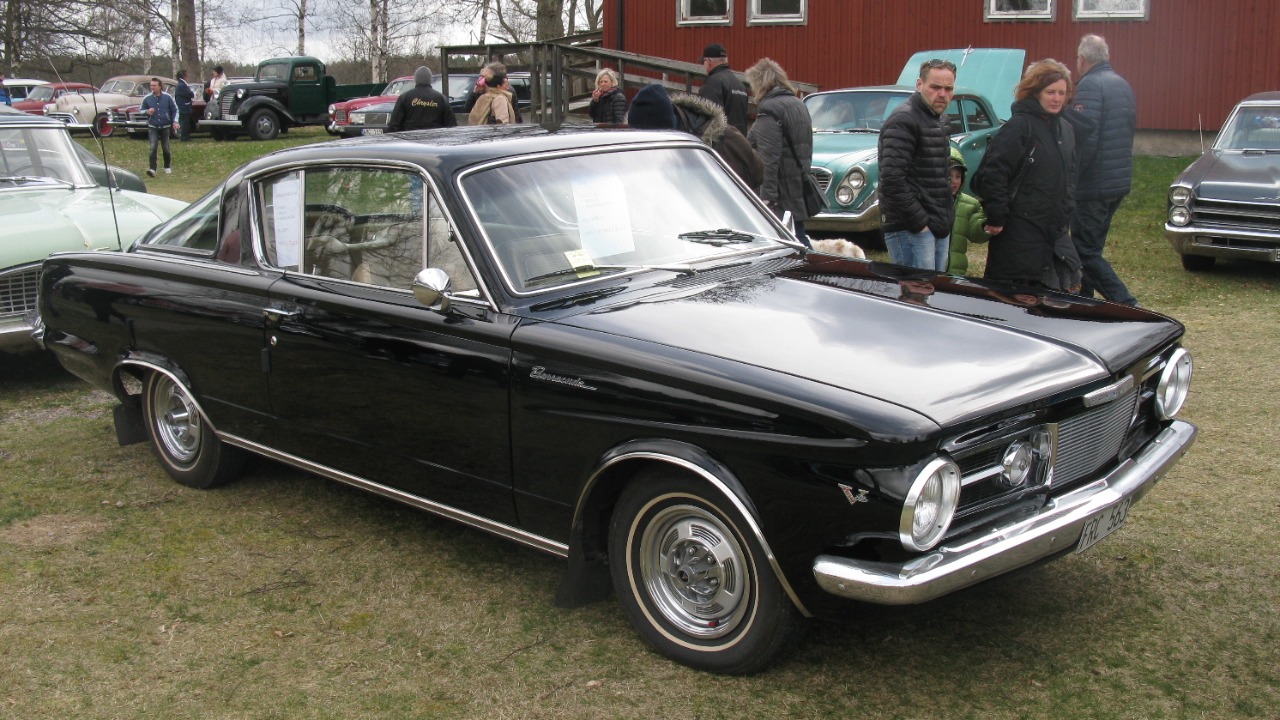
The 1964 Plymouth Barracuda is often overshadowed by the Ford Mustang in automotive history, yet it actually made its market debut just two weeks earlier. Exploring the development, launch, and impact of the Barracuda reveals its significance in the muscle car era, a time when American automotive culture was rapidly evolving and consumer interest in performance vehicles was soaring.
Background of the Plymouth Barracuda
The Plymouth Barracuda was conceived during a time when Chrysler was looking to expand its offerings in the compact car segment. The idea for the Barracuda was born out of a need to compete with growing consumer demand for sporty, affordable vehicles. The initial development timeline began in the early 1960s, when Chrysler’s design team, led by Carl Cameron, started sketching the vehicle that would eventually become a notable entry in the American auto industry.
Chrysler’s engineers and designers worked diligently to create a car that not only met market demand but also pushed the boundaries of design. The Barracuda was built on the A-body platform, which offered versatility and a strong foundation for performance. The early 1960s saw an increase in consumer interest in sporty cars, driven by a younger demographic keen on performance and style. The Barracuda was intended to capture that market while offering a unique blend of features and aesthetics.
The Launch of the Barracuda
The Barracuda was officially launched on April 1, 1964, just two weeks prior to the Mustang’s debut. Chrysler’s marketing strategy emphasized the Barracuda’s sporty design and performance capabilities. The car was marketed as a practical yet stylish option for young buyers and families alike, showcasing its spacious interior and hatchback design that set it apart from traditional coupes. The initial advertising campaign focused on the Barracuda’s unique rear-window design, which was the largest in the industry at the time.
Key features that distinguished the Barracuda included its long hood and short deck proportions, which were complemented by aggressive styling elements. The standard model was equipped with a 225 cubic inch Slant Six engine, producing 145 horsepower, while the optional V8 engine offered a substantial power upgrade. The public reception was largely positive, with automotive press praising its innovative design and performance. However, the excitement surrounding the Mustang’s launch just weeks later would soon overshadow the Barracuda’s initial success.
Comparison with the Ford Mustang
The Ford Mustang made its grand entrance on April 17, 1964, and it quickly became a cultural icon. While both the Barracuda and the Mustang were designed to appeal to the same demographic, they differed significantly in design philosophy and performance. The Mustang featured a more traditional coupe silhouette, whereas the Barracuda’s hatchback design was innovative for its time, offering practicality without compromising style.
In terms of performance, the Mustang offered a range of engine options that appealed to a broader audience, including a base inline-six engine and several V8 options. Comparatively, the Barracuda was limited in its engine choices, particularly in its initial year, which may have affected its competitiveness. Pricing also played a crucial role in consumer preferences; the Barracuda was generally priced lower than the Mustang, making it a more accessible option for budget-conscious buyers. However, the Mustang’s marketing and branding ultimately resonated more deeply with consumers during the mid-1960s, leading to its overwhelming popularity.
The Barracuda’s Legacy
The Barracuda’s impact on the muscle car segment is still felt today, influencing the design and performance of future generations of vehicles. Its introduction paved the way for a broader acceptance of sporty, compact cars in the American market. The Barracuda not only established a new category of automobiles but also inspired other manufacturers to create their own versions of sporty coupes and sedans.
In classic car culture, the Barracuda is often celebrated for its unique styling and performance potential. Collectors and enthusiasts appreciate the car for its role in automotive history and its contributions to the muscle car movement. Notable examples of the Barracuda, such as the 1970 Hemi Cuda, have become highly sought after in the classic car market. Restorations of these vehicles highlight their significance and enduring appeal. For an in-depth look at the Barracuda’s impact, you can check out this insightful article on its legacy here.
Conclusion: The Barracuda’s Role in Automotive History
Reflecting on the Barracuda’s journey, it becomes clear that this vehicle faced both achievements and challenges throughout its life cycle. While it may not have garnered the same level of iconic status as the Mustang, the Barracuda played a crucial role in shaping the narrative of American muscle cars. Its introduction not only challenged the status quo but also demonstrated that there was a significant market for sporty, compact vehicles.
Ultimately, the Barracuda laid the groundwork for future performance vehicles, proving that innovation and style could coexist in the automotive world. As I look back on the legacy of the Barracuda, I appreciate how it paved the way for generations of performance enthusiasts, ensuring that the spirit of American muscle cars continues to thrive today. The Barracuda may have been a brief flash in the spotlight, but its influence remains a vital part of automotive history. For those interested in classic cars, discussions on the Barracuda’s popularity in the late ’60s can be found in this Reddit thread here.
More from Fast Lane Only
- Unboxing the WWII Jeep in a Crate
- 15 rare Chevys collectors are quietly buying
- 10 underrated V8s still worth hunting down
- Police notice this before you even roll window down
*Research for this article included AI assistance, with all final content reviewed by human editors.