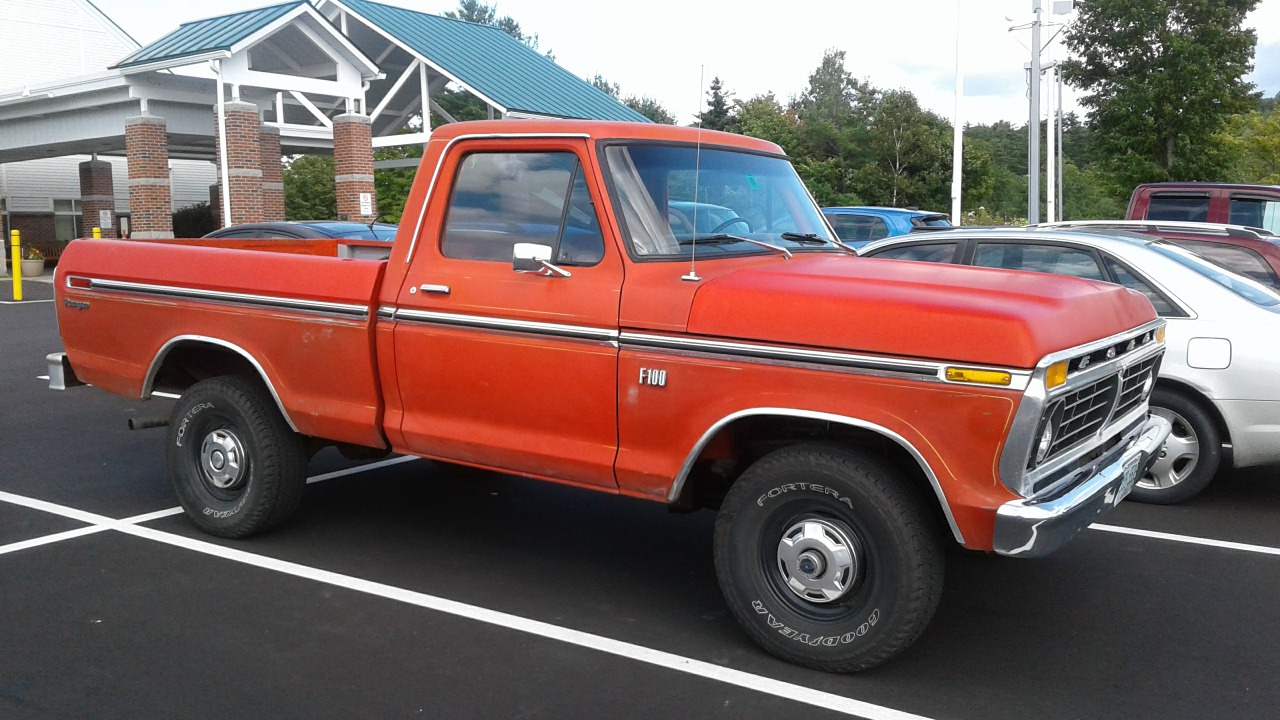
The 1973 Ford F-100 marked a pivotal moment in the history of American trucks, transitioning from a utilitarian workhorse to a symbol of rugged individualism. As the automotive landscape evolved, the F-100 began to build a reputation that resonated with both consumers and collectors for decades to come.
The Evolution of the Ford F-Series
The Ford F-Series has a storied history that dates back to 1948, with the introduction of the first F-1. By the early 1970s, the F-Series had established itself as a dominant player in the truck market. The 1973 model year represented a significant shift in design and functionality, aligning with the growing consumer demand for trucks that could serve dual purposes: as work vehicles and family transport. Ford’s strategic positioning of the F-Series allowed it to capture a wide audience, from farmers to urban dwellers.
In 1973, the F-100 underwent notable design changes, departing from the more rugged looks of its predecessors. The new model featured a wider stance, rounded edges, and a more aerodynamic profile, which enhanced both aesthetics and performance. Technologically, the introduction of improved safety features, including a more robust frame and crumple zones, marked a significant advancement. These updates not only made the F-100 more appealing but also highlighted Ford’s commitment to innovation and consumer safety.
During the early 1970s, the truck market was fiercely competitive, with brands like Chevrolet and Dodge vying for attention. The 1973 Ford F-100 was positioned well against its competitors, boasting a reputation for reliability and versatility. This model year offered consumers a range of configurations, from basic work trucks to well-equipped models that catered to the growing suburban demographic. It was this combination of style, capability, and adaptability that helped the F-100 carve out a substantial share of the market.
Performance and Capability
One of the standout features of the 1973 Ford F-100 was its diverse engine options. Buyers could choose from several powertrains, including the robust 360 cubic inch V8 and the 390 cubic inch V8, which delivered substantial horsepower and torque. These options allowed consumers to tailor their trucks to their specific needs, whether for heavy-duty work or leisurely weekend drives.
The towing and payload capacities of the F-100 were also impressive. With a maximum payload rating of approximately 2,700 pounds and a towing capacity that could exceed 5,000 pounds, this truck appealed to both commercial users and personal owners alike. Farmers appreciated its ability to haul equipment and livestock, while suburban families found it suitable for vacations and home improvement projects. The F-100’s reliability in these tasks solidified its reputation as a versatile vehicle.
Moreover, the F-100 was engineered for off-road capability, making it an attractive option for outdoor enthusiasts. With options for four-wheel drive, the truck’s design included features like high ground clearance and durable suspension, enabling it to tackle rugged terrain. This versatility opened up new markets for the F-100, attracting buyers who valued adventure and outdoor recreation.
Cultural Impact and Popularity
The cultural significance of the 1973 Ford F-100 cannot be overstated. During the 1970s, the truck began to appear in various forms of media, including film and television, which helped to cement its status as an American icon. Movies like “Smokey and the Bandit” and TV shows such as “The Dukes of Hazzard” showcased the F-100, associating it with freedom, rebellion, and rugged masculinity. These portrayals resonated with audiences and contributed to the truck’s image as a symbol of the American spirit.
The consumer demographics that gravitated toward the F-100 were also varied. While blue-collar workers found the truck to be a reliable partner in their daily tasks, suburban families saw it as a practical and stylish alternative to the family sedan. The F-100 became a staple in driveways across America, embodying a sense of pride and individuality. Its popularity was further amplified by the aftermarket customization culture that emerged during this time, with enthusiasts modifying their F-100s to reflect personal tastes.
As the truck became a canvas for customization, it attracted a dedicated community of car enthusiasts. From lifted suspensions to custom paint jobs, the potential for personal expression made the F-100 a favorite among those looking to make their vehicles stand out. This trend not only enhanced the truck’s appeal but also fostered a sense of camaraderie among owners, leading to the establishment of clubs and gatherings centered around the F-100.
The Legacy of the 1973 F-100
As the years have passed, the 1973 Ford F-100 has become increasingly collectible. Its value has seen a steady increase, with well-preserved models fetching impressive prices at auctions. Recent sales data indicates that certain configurations, such as the Ranger XLT, can command upwards of $30,000, highlighting the truck’s enduring appeal among collectors. The combination of nostalgia and historical significance has made it a sought-after model for enthusiasts and investors alike.
The influence of the 1973 F-100 extends beyond its own production run. It laid the groundwork for the design and engineering of subsequent Ford trucks, most notably the F-150, which has become one of the best-selling vehicles in America. Elements of the F-100’s design, including its styling cues and engineering principles, can be traced through the generations of Ford trucks that followed, showcasing its lasting impact on the brand’s legacy.
Moreover, the F-100 has inspired a vibrant community of clubs and organizations dedicated to preserving its history. Groups like the F-100 Club of America and various online forums provide a platform for enthusiasts to share restoration tips, parts sourcing, and stories of their experiences with these classic trucks. This ongoing dedication to the F-100 ensures that its legacy will continue to thrive for future generations.
The F-100 in Today’s Market
Today, the trend of restoring and modifying 1973 F-100s remains strong. Enthusiasts are drawn to the simplicity of the truck’s design, which allows for easier restoration compared to modern vehicles. Popular upgrades include modern suspension systems, fuel injection conversions, and updated interiors, which enhance the driving experience while maintaining the truck’s classic charm. These modifications not only improve performance but also make these trucks more comfortable and practical for daily use.
When comparing the 1973 F-100 to contemporary trucks, it’s evident that technology has evolved significantly. Modern trucks offer advanced safety features, infotainment systems, and fuel efficiency that were unimaginable in the 1970s. However, the 1973 F-100’s rugged simplicity and straightforward mechanics continue to attract buyers who appreciate the authenticity of classic vehicles. The emotional connection many have with this truck is a testament to its place in American automotive history.
In conclusion, the 1973 Ford F-100 is more than just a truck; it is a part of the cultural fabric of America. Its blend of performance, capability, and character has secured its place in the hearts of many. As restoration trends continue and communities flourish around this classic vehicle, the legacy of the 1973 F-100 is sure to endure for decades to come. For those interested in learning more about the ongoing value and impact of the F-Series, resources such as The Drive and various publications can provide additional insights.
More from Fast Lane Only
- Unboxing the WWII Jeep in a Crate
- 15 rare Chevys collectors are quietly buying
- 10 underrated V8s still worth hunting down
- Police notice this before you even roll window down
*Research for this article included AI assistance, with all final content reviewed by human editors.