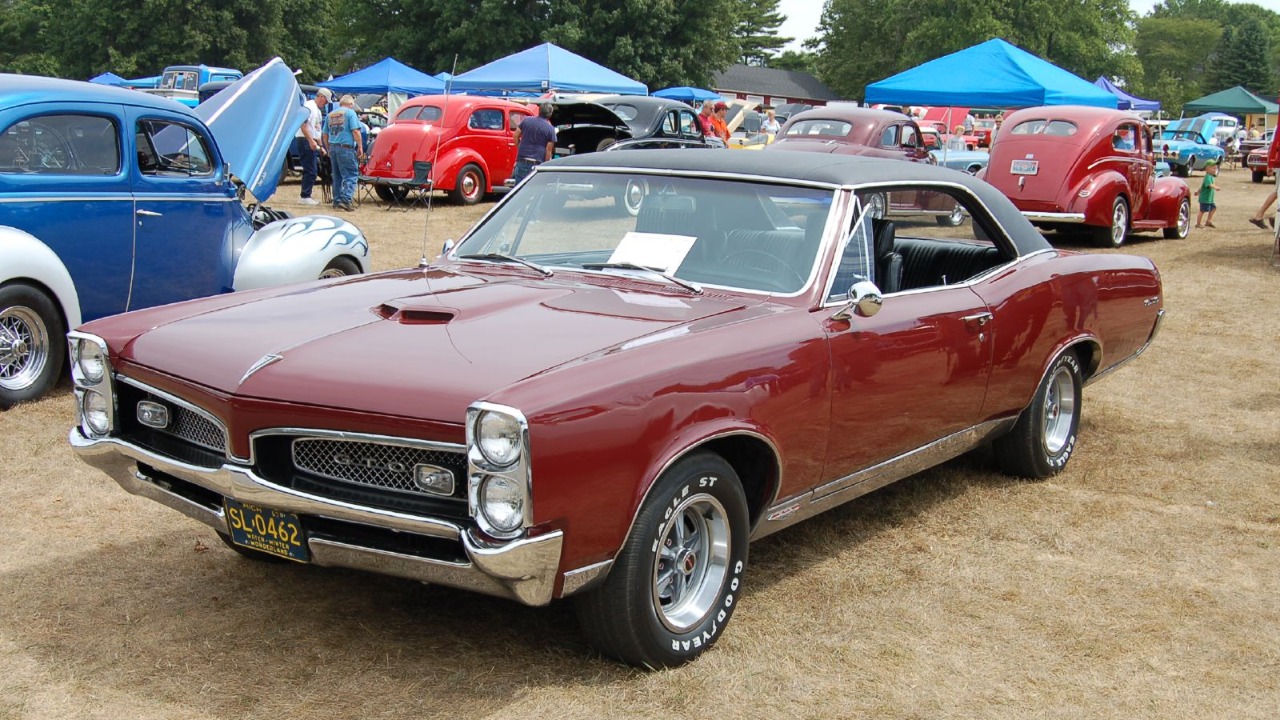
The 1967 Pontiac GTO stands as a pivotal model in automotive history, marking the moment when high-performance vehicles transitioned from niche markets to mainstream acceptance. With its combination of power, style, and affordability, the GTO redefined what Americans expected from their cars, setting the stage for the muscle car era.
The Birth of The Muscle Car
The 1960s witnessed a burgeoning demand for performance-oriented vehicles in the United States. As the post-war economy flourished, consumers sought cars that not only offered reliability but also exhilaration. The automotive landscape was ripe for innovation, and manufacturers scrambled to meet the desires of a younger demographic eager for speed and excitement. It was within this context that the Pontiac GTO emerged, a vehicle that would forever alter the course of American automotive history.
Initially introduced as a performance package option for the Pontiac Tempest, the GTO quickly captured the attention of car enthusiasts. Its concept was spearheaded by a team led by John DeLorean, who recognized the potential for a high-performance vehicle that was both accessible and appealing to the average American driver. When the GTO was launched in 1964, it was met with immediate acclaim, and its success set a precedent that would inspire other manufacturers to enter the muscle car market.
Design and Engineering Innovations
The GTO’s design was nothing short of revolutionary. Its striking “Coke bottle” shape, characterized by a sleek and curvaceous silhouette, drew the eye and commanded attention. The aggressive front grille and distinctive rear end added to its sporty aesthetics, making it a standout on the roads. Pontiac’s design team, influenced by the era’s trends, successfully married form and function, creating a car that was as visually appealing as it was powerful.
Under the hood, the GTO offered several engine options, with the most notable being the 400 cubic inch V8. This powerhouse delivered an impressive 360 horsepower, enabling the car to achieve a 0-60 mph time in just over six seconds. Accompanying this raw power was a robust torque rating of 428 lb-ft, which provided thrilling acceleration and a driving experience that was unmatched at the time. Innovations in suspension and handling also played a crucial role in the GTO’s performance, allowing it to navigate corners with agility and responsiveness.
Marketing Strategies that Resonated
Pontiac’s marketing strategies were instrumental in the GTO’s rise to fame. The company targeted younger consumers, promoting the GTO as a vehicle that embodied excitement and freedom. Their advertising campaigns featured bold imagery and catchy slogans that resonated with a generation yearning for adventure. Pontiac’s approach included eye-catching magazine ads, radio spots, and sponsorship of local car events, all of which helped establish the GTO as a cultural icon.
The GTO’s presence in popular media further solidified its status as a symbol of American automotive culture. It made appearances in films and television shows, reinforcing its image as a desirable and aspirational vehicle. For example, the GTO was featured prominently in the 1968 film “The Graduate,” where its sleek design and performance captured the essence of youthful rebellion. Such portrayals not only influenced consumer perception but also contributed to the GTO’s legendary status among muscle cars.
Impact on The Automotive Industry
The introduction of the Pontiac GTO had profound implications for the automotive industry. Its success prompted a wave of competition, with manufacturers like Ford, Chevrolet, and Chrysler racing to develop their own muscle cars. The GTO set a new standard for performance and style, influencing models such as the Ford Mustang and Chevrolet Camaro, which would go on to become staples in the muscle car segment.
Moreover, the GTO shifted consumer expectations regarding what a car could offer. Performance was no longer the exclusive domain of high-end luxury vehicles; the GTO demonstrated that power and style could be accessible to the everyday driver. This shift in perception prompted a reevaluation of automotive design during the late 1960s and early 1970s, as manufacturers began to prioritize performance metrics alongside aesthetics in their offerings.
Legacy and Cultural Significance
The legacy of the Pontiac GTO endures, as it continues to capture the hearts of car enthusiasts and collectors. Its iconic status is celebrated at car shows and within restoration communities, where enthusiasts gather to showcase their meticulously restored models. The GTO’s unique blend of performance and style has made it a sought-after classic, and its value has only appreciated over the years.
In addition to its automotive significance, the GTO has become a symbol of American freedom and rebellion in popular culture. It has been referenced in songs, films, and literature, cementing its place as more than just a car but a cultural touchstone. From its appearance in the song “Little GTO” by Ronnie and the Daytonas to its representation in various media, the GTO embodies the spirit of an era characterized by youthful exuberance and a desire for unbridled performance.
For those interested in learning more about the GTO’s storied history, resources like HowStuffWorks provide detailed insights into its specifications and impact. Additionally, car enthusiasts can explore communities on platforms like Reddit, where owners share their experiences and restoration projects.
More from Fast Lane Only
- Unboxing the WWII Jeep in a Crate
- 15 rare Chevys collectors are quietly buying
- 10 underrated V8s still worth hunting down
- Police notice this before you even roll window down
*Research for this article included AI assistance, with all final content reviewed by human editors.