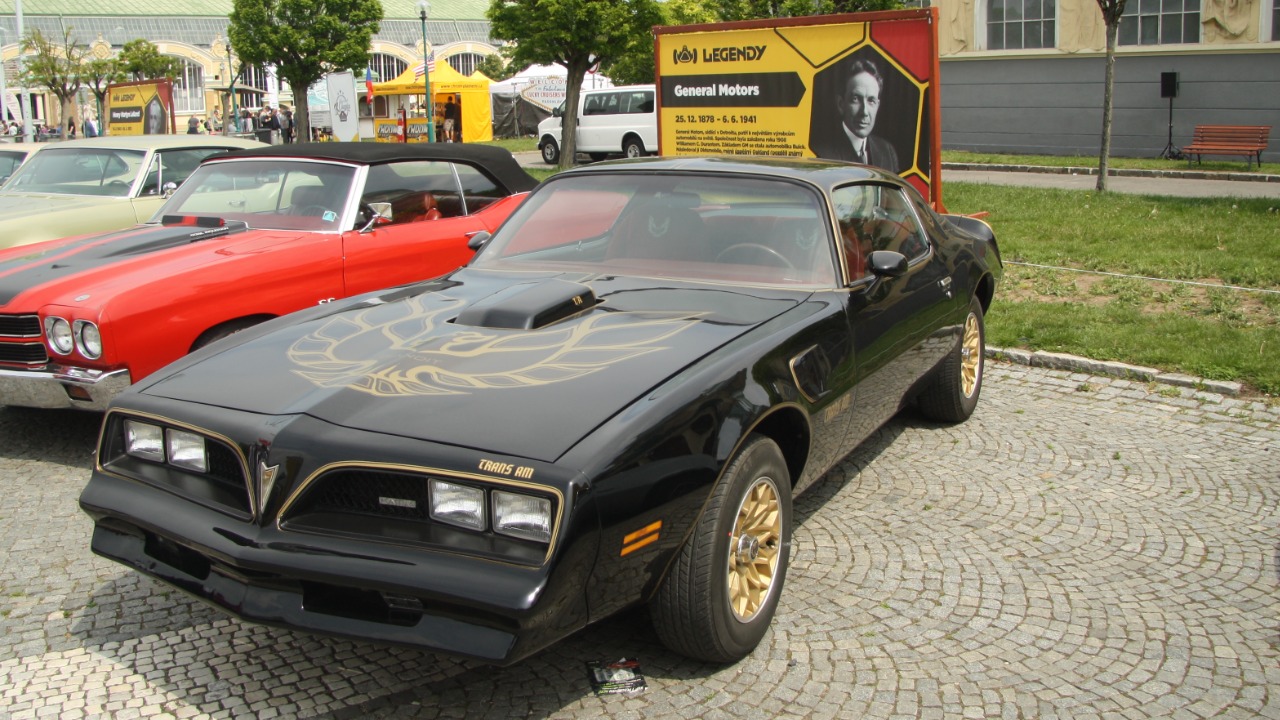
The 1978 Pontiac Firebird Trans Am, with its striking design and powerful performance, emerged as an unexpected cultural icon in the late 20th century, largely due to its memorable appearances in popular media and the burgeoning car culture of the era. Its influence reached far beyond the car enthusiasts’ circles, firmly embedding itself in the fabric of American pop culture.
The Birth of the Trans Am: A Brief History
The Pontiac Firebird made its debut in 1967 as a response to the growing demand for muscle cars in America. Positioned as a competitor to the Ford Mustang and Chevrolet Camaro, the Firebird quickly gained traction among performance-oriented drivers. By the time the Trans Am model was introduced in 1969, it had already begun to carve out its niche within Pontiac’s lineup, focusing on a blend of performance and style. The 1978 model, however, represented a significant evolution in both design and engineering.
One of the standout features of the 1978 Trans Am was its robust engine options, including a 400-cubic-inch V8 that produced a staggering 220 horsepower. This model also featured a distinctive front fascia, complete with a prominent nose and wide body, giving it an aggressive stance that captured the attention of car enthusiasts and casual drivers alike. Pontiac’s marketing strategy played a pivotal role in its ascent to fame, highlighting the Trans Am’s performance capabilities while tapping into the zeitgeist of the late 1970s, where speed and style were paramount.
The Trans Am in “Smokey and the Bandit”
No single film solidified the Pontiac Trans Am’s status as a cultural icon quite like “Smokey and the Bandit,” released in 1977. The movie featured Burt Reynolds as the charismatic Bandit, who drove a black Trans Am in a high-speed chase to transport a truckload of Coors beer from Texas to Georgia. The film’s thrilling car chases and Reynolds’ magnetic performance propelled the Trans Am into the limelight, captivating audiences and helping to create a lasting association between the vehicle and a sense of adventure.
The car chase scenes in “Smokey and the Bandit” were not just action-packed; they became legendary moments in cinema history. The Trans Am’s sleek design and powerful performance made it the star of the show, as viewers were treated to breathtaking stunts and exhilarating speeds. Reynolds’ portrayal of the Bandit further cemented the vehicle’s reputation as a symbol of rebellion and freedom, appealing to a generation yearning for escapism in the wake of societal changes during the late 1970s.
The Influence of Car Culture in the 1970s
The 1970s marked a transformative era for car culture in America. The muscle car phenomenon became a symbol of youthful exuberance and the desire for speed, with the Trans Am standing tall among its peers. As gas shortages and rising insurance rates prompted some manufacturers to pivot to more fuel-efficient models, the demand for high-performance vehicles like the Trans Am remained strong among enthusiasts who valued power and aesthetics over practicality.
The Trans Am became synonymous with the “American Dream,” offering a blend of performance, style, and affordability that resonated with a generation. Car clubs began to flourish, creating a community of passionate fans who celebrated the vehicle’s unique attributes. Events like car shows and drag races became social gatherings, where owners proudly displayed their modified Trans Ams, showcasing personalized paint jobs and performance upgrades. These gatherings strengthened the bond among fans and contributed to the ongoing legacy of the Trans Am.
Design and Aesthetic Appeal
The 1978 Pontiac Firebird Trans Am is perhaps best known for its eye-catching aesthetic features, none more famous than the “screaming chicken” hood decal. This iconic graphic, a large bird emblem that adorned the hood, became a defining characteristic of the Trans Am and was emblematic of the bold, brash design ethos of the era. The car’s aggressive front end, coupled with its sleek profile and muscular rear, created a visual impact that was hard to ignore.
Color and customization were also significant aspects of the Trans Am’s appeal. Car enthusiasts took pride in personalizing their vehicles, with many opting for vibrant colors and unique modifications to make their cars stand out. The 1978 model was available in a range of colors, including classic black, white, and gold, providing a canvas for self-expression. Compared to contemporary vehicles, the Trans Am’s striking design continues to resonate, making it a favorite among collectors and restorers who appreciate its distinctive aesthetic.
Enduring Legacy and Collectibility
Today, the 1978 Trans Am holds a revered position in the collector’s market, with its value steadily increasing over the years. Enthusiasts are drawn not only to its performance capabilities but also to its rich heritage and connection to American pop culture. As more people seek to restore classic vehicles, the Trans Am has seen a resurgence in popularity, with projects ranging from minor restorations to complete overhauls that aim to bring these iconic cars back to their original glory.
Modern automotive design has also been influenced by the legacy of the Trans Am, with many manufacturers drawing inspiration from its distinctive features and performance attributes. From retro-inspired designs to the revival of classic muscle car styling, the Trans Am’s impact is evident across the automotive landscape. Stories of restoration projects abound, with owners sharing their passion for the car through online forums and social media, ensuring that the spirit of the Trans Am remains alive in the present day.
The Trans Am in Modern Media
Even decades after its initial release, the Pontiac Trans Am continues to capture the imagination of filmmakers and audiences alike. Recent films and television shows have featured the car, often invoking themes of nostalgia and Americana that resonate with viewers. For instance, the Trans Am made cameo appearances in popular series like “The Goldbergs,” which celebrates 1980s pop culture, reminding audiences of its storied past and iconic status.
The symbolism of the Trans Am has evolved in contemporary society, representing not just speed and power but also a connection to a bygone era. Social media has played a crucial role in keeping the Trans Am’s legacy alive, with dedicated groups and pages where fans share their experiences, photos, and stories. Platforms like Facebook have become virtual meeting places for enthusiasts, fostering a sense of community that spans generations.
As I reflect on the journey of the 1978 Pontiac Firebird Trans Am, it’s clear that its status as a cultural icon is well-deserved. From its striking design and powerful performance to its legendary role in “Smokey and the Bandit,” the Trans Am has left an indelible mark on American culture. Whether it’s at a car show or cruising down the highway, the spirit of the Trans Am lives on, captivating new generations of fans and reminding us all of the thrill of the open road.
More from Fast Lane Only
- Unboxing the WWII Jeep in a Crate
- 15 rare Chevys collectors are quietly buying
- 10 underrated V8s still worth hunting down
- Police notice this before you even roll window down
*Research for this article included AI assistance, with all final content reviewed by human editors.