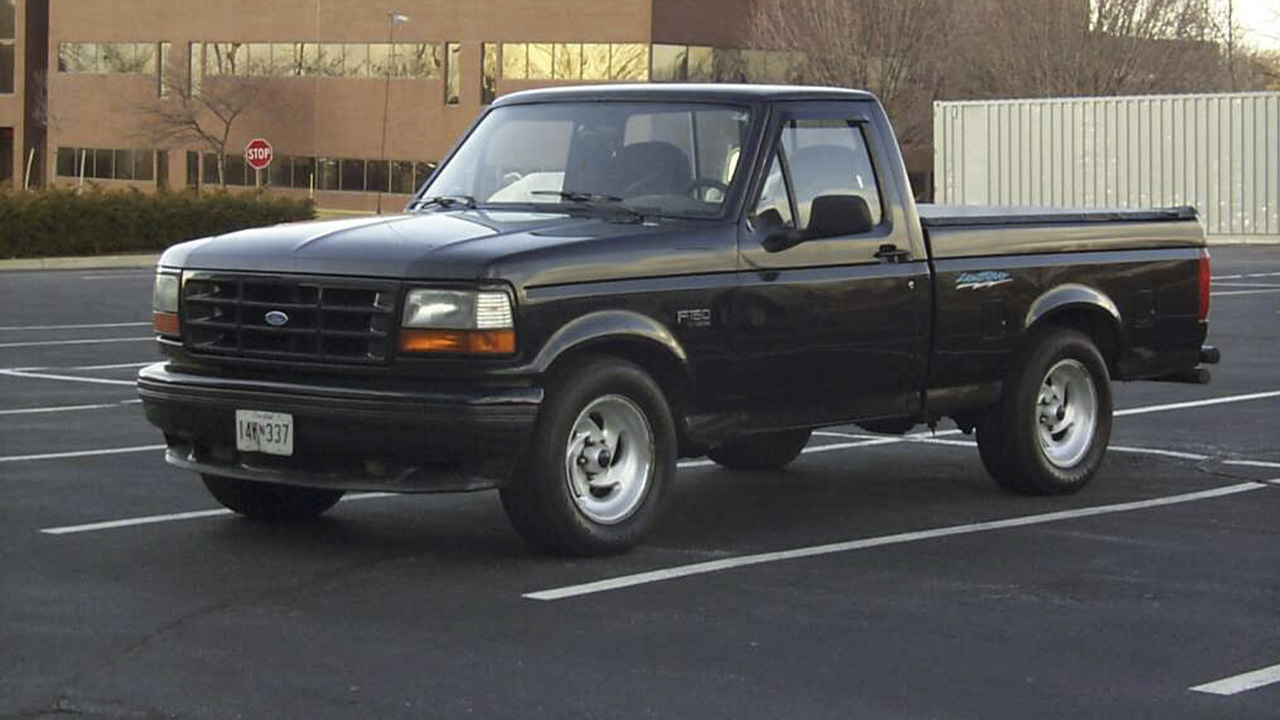
The 1993 Ford SVT Lightning was a groundbreaking vehicle that combined the practicality of a pickup truck with the performance of a sports car. Despite its innovative design and powerful engine, it arrived in a market that wasn’t quite ready for such a fusion, leading to challenges in its acceptance and popularity.
Market Context in the Early 1990s
The early 1990s were marked by economic uncertainty, particularly in the United States, as the nation grappled with the aftermath of the recession that began in 1990. Consumer spending on vehicles sharply declined during this period, and potential buyers were increasingly cautious. With rising unemployment rates and a faltering economy, many consumers prioritized the purchase of vehicles that emphasized utility and reliability over performance. Consequently, the truck segment was dominated by traditional workhorses, which catered to both commercial and personal needs, overshadowing the emerging interest in performance-oriented vehicles.
Moreover, the market was saturated with established muscle cars and performance vehicles that had garnered a loyal following. Models like the Chevrolet Corvette and Ford Mustang had long been associated with speed and power, leading to a consumer mindset that equated performance vehicles with two-door coupes rather than pickups. In this context, the introduction of the SVT Lightning—a high-performance pickup—was somewhat of a gamble. The prevailing preference for traditional utility over performance posed a significant challenge for Ford’s innovative venture.
Consumer Perception of Trucks
Trucks in the early 1990s were primarily viewed as work vehicles, meant for hauling cargo and towing trailers. The notion of a truck as a performance vehicle was virtually nonexistent. This traditional image created a reluctance among consumers to embrace the SVT Lightning as anything more than a modified pickup. For many, the idea of a truck capable of delivering sports car-like performance was foreign and even off-putting. As a result, potential buyers struggled to reconcile the Lightning’s capabilities with their expectations of what a truck should be.
Additionally, there was a notable lack of awareness and appreciation for the sports truck segment among potential buyers. While enthusiasts may have been intrigued by the concept, the mainstream market largely overlooked it. The cultural stigma surrounding high-performance vehicles in a practical market further compounded this issue. Performance trucks were not widely recognized or celebrated, and the notion of spending a premium on a truck for its speed was met with skepticism. This disconnect between perception and reality significantly hindered the acceptance of the SVT Lightning.
Technological Innovations
The 1993 Ford SVT Lightning introduced several groundbreaking technological innovations, most notably its supercharged 5.8-liter V8 engine, which produced an impressive 240 horsepower and 340 lb-ft of torque. This engine, paired with a sport-tuned suspension, transformed the Lightning into a performance powerhouse. However, the challenge lay in consumer understanding of these advancements. Many buyers were unaccustomed to associating a truck with such technology, leading to skepticism regarding reliability and maintenance.
Moreover, the perception that a high-performance engine would lead to increased wear and tear added to consumer hesitation. The idea that a truck could be both practical and powerful was difficult for many to grasp. As a result, despite its technological prowess, the Lightning struggled to gain traction in a market that was not ready to fully embrace its capabilities. The innovations that should have set the SVT Lightning apart instead became a source of confusion, limiting its appeal among traditional truck buyers.
Marketing Strategies and Brand Positioning
Ford’s marketing approach for the SVT Lightning was distinct from traditional advertising campaigns for trucks. The Special Vehicle Team (SVT), responsible for the Lightning’s development, aimed to carve out a niche in the performance market. They emphasized the unique aspects of the Lightning, highlighting its speed and power rather than its utility. However, this shift in focus posed its challenges, as the messaging did not resonate with the core truck buyer demographic, which prioritized practicality over performance.
Furthermore, the target demographic for the SVT Lightning consisted primarily of performance enthusiasts who may not have been traditional truck buyers. This misalignment led to challenges in reaching potential customers effectively. The marketing campaigns, while innovative, often failed to bridge the gap between the performance attributes of the Lightning and the expectations of typical truck buyers. As a result, the Lightning’s unique selling points were overshadowed by an established market that favored conventional values.
Legacy and Impact on Future Vehicles
Despite its initial struggles, the SVT Lightning ultimately paved the way for future performance trucks. Its introduction challenged the status quo and opened the door for models like the RAM 1500 TRX and the newer Ford Lightning, which embraced performance features. The success of these subsequent models can be traced back to the groundwork laid by the SVT Lightning, which helped shift the perception of trucks from utilitarian workhorses to vehicles that could deliver both performance and practicality.
The long-term impact of the SVT Lightning on the truck segment is undeniable. It sparked a growing acceptance of performance-focused trucks, demonstrating that consumers were eager for vehicles that offered more than just basic functionality. The lessons learned from the Lightning’s launch have informed current and future vehicle design, encouraging manufacturers to blend performance with practicality in ways that resonate with modern consumers. The evolution of the truck segment since 1993 reflects a broader acceptance of innovation, making performance trucks a more viable option in today’s market.
A Vision Ahead of Its Time
The foresight behind the SVT Lightning’s design was remarkable, considering the market conditions of the early 1990s. While it faced initial resistance, the Lightning has since become a symbol of how automotive innovation can drive change within a segment that was previously resistant to performance-oriented vehicles. The truck segment has evolved significantly since 1993, with manufacturers embracing performance features that align with consumer desires for speed and capability.
As we look ahead, the importance of aligning innovation with market readiness cannot be overstated. The automotive landscape continues to shift, and manufacturers must be attuned to consumer preferences while pushing the boundaries of design and technology. The 1993 Ford SVT Lightning serves as a testament to the potential for groundbreaking vehicles to reshape an entire segment, showcasing how a vision ahead of its time can ultimately lead to lasting change and acceptance in the market.
More from Fast Lane Only
- Unboxing the WWII Jeep in a Crate
- 15 rare Chevys collectors are quietly buying
- 10 underrated V8s still worth hunting down
- Police notice this before you even roll window down
*Research for this article included AI assistance, with all final content reviewed by human editors.