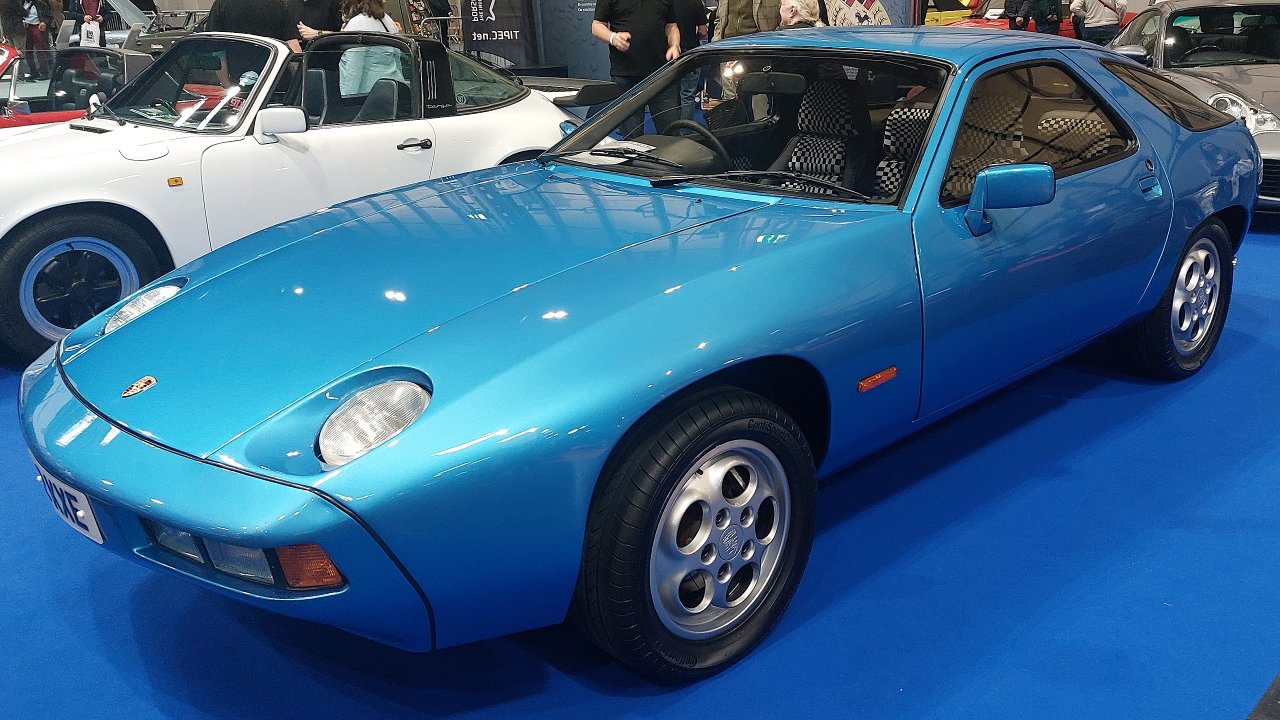
The 1979 Porsche 928 arrived as a deliberate break with the company’s rear engined past, a car designed to redefine what a Porsche could be rather than simply refine the 911 formula. By pairing a front mounted V8 with a transaxle layout and a grand touring brief, it challenged tradition inside Stuttgart as much as it did on the road.
That early 928, visually clean and mechanically ambitious, now reads as a turning point where Porsche tried to pivot from purist sports cars to a broader vision of high speed, long distance luxury. The experiment did not replace the 911, but it permanently expanded the brand’s technical and cultural playbook.
From 911 icon to V8 grand tourer gamble
Porsche built its reputation on compact, rear engined sports cars, most famously the 911, so the decision to develop a front engined V8 coupe was a radical internal challenge. The 928 was conceived as a luxurious Grand Tourer that could cover long distances at high speed with the stability and practicality expected from a modern highway car, not just a weekend toy. Contemporary analysis notes that Porsche presented the basic design of the 928 to its own board in the early 1970s as a strategic step beyond the air cooled template that had defined the company for years, a move that put The Porsche leadership, and long time Por loyalists, in unfamiliar territory.
By the time the production 928 appeared, it was clear that Porsche was not simply stretching the 911 concept but creating a different category. Later commentary describes the car as an Advanced V8 Grand Tourer, underlining that it was engineered for extended journeys rather than track days, even if it retained serious performance. That shift meant challenging the expectations of buyers who associated Was Porsche with compact, rear engined agility, and it also meant asking internal engineers and designers to prioritize refinement, cabin comfort, and long legged stability in a way the 911 and even the lesser known 920 had not.
Design that refused to borrow from the past
The 1979 928 looked as unconventional as its layout, with a smooth, almost organic body that avoided the upright greenhouse and add on spoilers common in late 1970s sports cars. Early production cars in 1978 and 1979 shared the original 928 design without front or rear spoilers, which gave them a clean, almost concept car purity that later updates would soften. The body engineering mixed steel with aluminium for the front wings, bonnet and doors, a combination that kept weight in check while still delivering the solid feel expected of a high priced coupe, even if one critical assessment noted that the 928 was no lightweight once fully assembled.
What made the shape so provocative was how little it owed to anything else on the road. One detailed retrospective stresses that the 928 did not borrow from Volkswagen, Audi or even Porsche history, a rare claim in an industry that often leans on shared platforms and familiar styling cues. Another observer, looking back at the very FIRST Porsche 928, argued that the Brilliance of the design work did not fully reveal itself for decades, in part because the car’s rounded forms and integrated bumpers anticipated later design trends rather than echoing contemporary fashion. In 1979 that meant the 928 looked almost alien next to a 911, which was precisely the point.
Engineering a new kind of Porsche experience
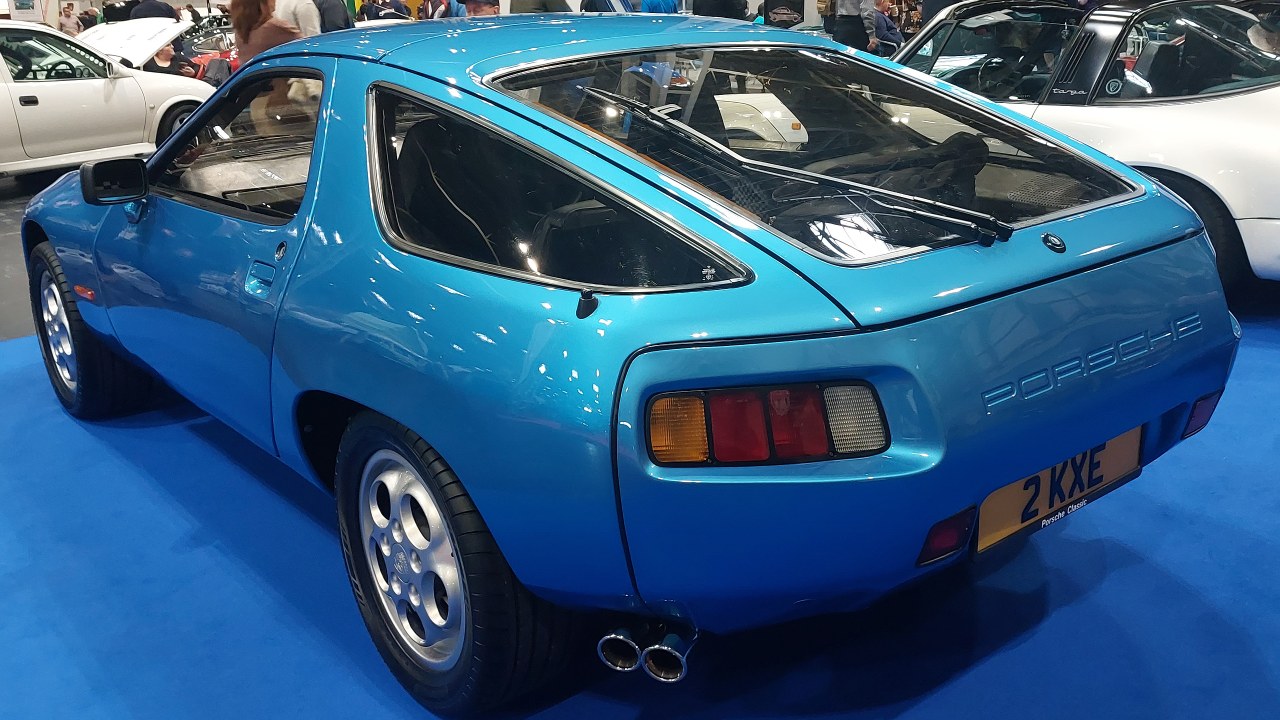
Under the skin, the 928 challenged tradition even more aggressively than its styling. The car used a front mounted V8 with a rear transaxle, a layout that helped balance weight between the axles and gave the car a planted, neutral feel at speed. Porsche engineers paired that with power assisted steering, sophisticated brakes and fully independent suspension, creating a package that one technical history describes as a major step forward in refinement compared with earlier models. The result was a car that seemed to glide rather than roll on the road, generating significantly less noise than the air cooled engines that had defined the brand, and offering what period testers described as user friendly controls that made high speed travel feel almost effortless.
The rear axle on the 928 was a complete novelty for Porsche, a double wishbone suspension known as the Weissa design that was developed specifically to improve stability and safety for a Gran Turismo. By allowing the rear wheels to adjust subtly under load, this setup helped the car remain composed in fast corners and under braking, a trait that distinguished it from the livelier, more tail happy 911. Factory material emphasizes that this rear axle was central to the safety of the Gran Turismo concept, reinforcing that the 928 was engineered first as a high speed touring machine rather than a pure track car. For drivers used to the older layout, the calm, almost unflappable behavior of the 928 at speed was both a revelation and a quiet rebuke to tradition.
The 1979 model year as a purist benchmark
Among enthusiasts, the 1978 and 1979 cars have taken on a special status as the purest expression of the original 928 idea. Those early models carried the spoiler free body and the initial interior and mechanical specification, before later updates added more power, extra equipment and visual add ons that changed the car’s character. Reference material on the model notes that the original 928 design, seen in both 1978 and 1979, lacked front and rear spoilers entirely, a detail that not only affects the car’s appearance but also its aerodynamic balance and high speed feel. For some drivers, that slightly more delicate, less planted behavior is part of the appeal, a reminder that this was a bold first attempt rather than a fully optimized product.
Owners and commentators who focus on early cars often come from a background of air cooled 911 enthusiasm, which makes their reassessment of the 928 particularly telling. One such voice, who describes himself as an avowed air cooled 911 person, admits that he initially gave the 920 and its V8 sibling little attention until driving a well kept early example changed his view. That kind of conversion story is common in the 928 community, where the combination of period correct styling, relatively simple electronics and the original chassis tuning has turned late 1970s cars into sought after entries for buyers who want the full front engined experiment without the complexity of later variants.
Legacy, misperceptions and a slow burn of respect
For all its technical ambition, the 928 spent much of its life as a misunderstood outlier in the Porsche range. Some of that came from expectations: buyers who wanted a raw, rear engined sports car often saw the V8 Grand Tourer as too heavy and too refined, while luxury coupe shoppers sometimes viewed the badge as tied too closely to the 911 to justify a different format. One reflective essay on the model argues that the 928 did not borrow from anything or anyone, not Volkswagen nor Audi nor even Porsche itself, and that this independence made it harder for traditionalists to place. Another commentator notes that the car’s design brilliance did not fully show itself for decades, suggesting that the market needed time to catch up to what the engineers and designers had attempted.
Over time, however, the 928 has gained a new kind of respect, particularly as enthusiasts look back at how it expanded the brand’s technical vocabulary. Factory retrospectives highlight how the 928’s rear axle, transaxle layout and focus on refinement influenced later thinking about high speed stability and comfort, even if the exact formula was not repeated. Cultural histories point out that the 928 became an icon of 1980s cinema, often cast as the aspirational car for characters who wanted something more modern and luxurious than a classic 911, which helped cement its image as the forward looking Porsche. Today, when I look at a clean 1979 example, I see less a failed replacement and more a crucial experiment that challenged tradition so thoroughly that it made room for the diverse lineup Porsche builds now.
More from Fast Lane Only: