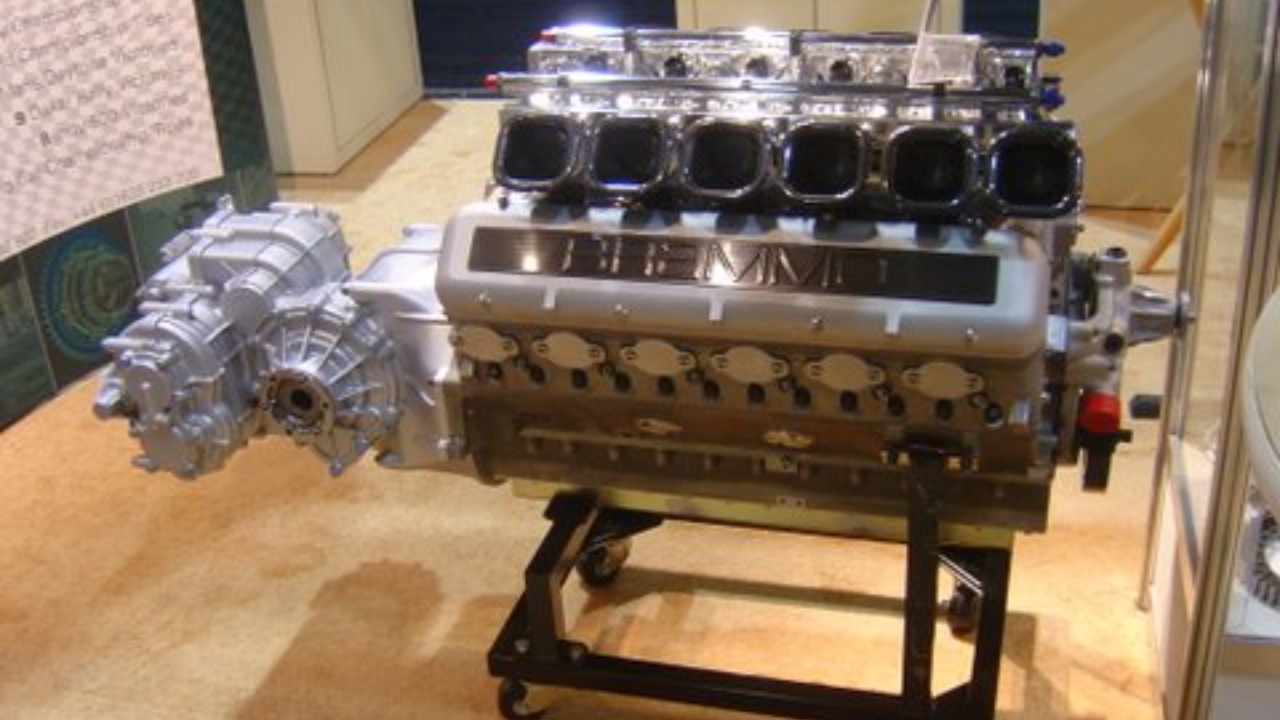
The 1989 Chevrolet Corvette ZR-12 concept car remains one of General Motors’ most audacious and ambitious projects, showcasing the brand’s innovative spirit during a transformative era in the automotive industry. This concept not only pushed the boundaries of performance but also highlighted the potential of the Corvette lineage.
Origins of the ZR-12 Concept
The development of the ZR-12 concept began in the late 1980s, a time when the automotive industry was experiencing rapid changes and intense competition among manufacturers. As the Corvette evolved, it became clear that General Motors wanted to push the envelope further. The ZR-12 was envisioned as a way to represent the future of the brand, incorporating advanced engineering with the classic Corvette ethos. Key figures in this project included engineer Dave McLellan and designer John Cafaro, both of whom played significant roles in shaping the direction of the Corvette series.
The automotive landscape of the late ’80s was defined by the rise of performance-oriented vehicles, as European manufacturers like Ferrari and Porsche were gaining traction in the market. This competition prompted GM to rethink its approach to the Corvette. With the ZR-12, the aim was to create a vehicle that could stand shoulder to shoulder with these high-performance machines while remaining distinctly American. The project was not just about speed and power; it was about redefining the image of the Corvette in the eyes of the consumer.
Technical Specifications and Innovations
At the heart of the ZR-12 was a revolutionary V12 engine, a departure from the traditional V8 engines that had powered Corvettes for decades. This engine was designed to produce an astounding 600 horsepower, positioning the ZR-12 as a true supercar. The innovative design of the V12 included features such as a DOHC configuration and individual throttle bodies for each cylinder, which enhanced both performance and efficiency. This groundbreaking engine was a bold statement from GM, showcasing their engineering prowess and willingness to explore uncharted territory.
When compared to existing Corvette models, the ZR-12’s specifications were staggering. The standard Corvette of the time, the C4, utilized a V8 engine that produced around 300 horsepower, which meant the ZR-12 would have significantly outperformed its contemporaries. The intended market positioning for the ZR-12 was not merely as a higher-performance variant of the Corvette but as a competitor to some of the most exotic cars from Europe. The incorporation of advanced materials, including carbon fiber and lightweight alloys, further distinguished the ZR-12, making it not just powerful but also a technologically advanced vehicle.
Design Features and Aesthetics
The exterior of the ZR-12 was a bold testament to the design philosophy of the era, characterized by sharp angles and aggressive lines. The aerodynamic body was sculpted to reduce drag, with features like a low front fascia and pronounced wheel arches that hinted at the car’s performance capabilities. The overall aesthetic was both modern and distinctly Corvette, blending traditional design elements with a futuristic approach. The ZR-12’s striking appearance garnered significant attention at auto shows, making it a standout among concept vehicles of the time.
Inside the ZR-12, the focus was on enhancing the driver experience with a range of innovative features. The cockpit was designed with an emphasis on ergonomics and technology, incorporating elements like a digital dashboard and customizable controls. This attention to detail catered to the needs of the driver, aiming to create an environment that was not only functional but also luxurious. Unique elements, such as the use of high-quality materials and advanced sound systems, set the ZR-12 apart from other contemporaneous sports cars, establishing it as a leader in driver-centric design.
The Reception and Impact on GM
The initial reception of the ZR-12 concept was overwhelmingly positive, with automotive journalists and enthusiasts applauding its ambitious design and engineering. Debuting at the 1989 North American International Auto Show, the ZR-12 created a buzz that resonated throughout the automotive community. Its bold design and groundbreaking technology captured the imagination of onlookers, positioning the concept as a symbol of what could be achieved in American automotive engineering. The excitement surrounding the ZR-12 was palpable and set the stage for discussions about the future of the Corvette.
As the years went on, the influence of the ZR-12 concept became evident in later Corvette models, most notably the C4 ZR-1, which debuted in 1990. The ZR-1 was equipped with a powerful V8 engine that paid homage to the performance ideals set forth by the ZR-12, although it did not utilize the V12 engine. Nonetheless, the technological advancements and design philosophies introduced with the ZR-12 helped shape the trajectory of the Corvette brand during the 1990s and beyond. The ZR-12 also played a role in GM’s broader strategy during the 1980s, showcasing the company’s willingness to innovate and push the boundaries of performance vehicles.
Legacy and Cultural Significance
Today, the ZR-12 holds a special place in automotive history as a concept that never made it to production but paved the way for future innovations. Its collector status has only grown over the years, as enthusiasts recognize its place in the lineage of the Corvette. The rarity of the ZR-12 and its unique design elements have made it a sought-after piece for collectors and a symbol of GM’s ambitious vision during a pivotal time in automotive history. It stands as a testament to the creativity and ingenuity that can emerge from concept projects.
The influence of the ZR-12 extends beyond its own legacy; it has inspired contemporary supercar design and engineering. The idea of a high-performance V12 engine in a sports car, while not common in mainstream production vehicles, continues to resonate with automakers looking to push the limits of performance. Enthusiast communities, such as those found on platforms like Corvette Forum, keep the spirit of the ZR-12 alive by discussing its features and sharing information about its design and engineering, ensuring that the concept remains a topic of interest among car lovers.
What Could Have Been
Speculating on the potential production of the ZR-12 leads to fascinating questions about what could have been for General Motors and the Corvette brand. Had the ZR-12 reached the production line, it could have revolutionized the American sports car market, positioning GM as a serious contender against European supercars. The performance capabilities and technological advancements could have set a benchmark for future Corvette models, perhaps leading to a new era of American performance vehicles.
Reflecting on the ZR-12 as a concept reveals GM’s adventurous spirit during a critical time when innovation was essential for survival in the competitive automotive industry. The ZR-12 serves as a reminder of the potential for bold ideas to shape the future, even when they do not come to fruition. As we look back at the ZR-12, it stands as a testament to what can happen when imagination meets engineering excellence, and it encourages current and future generations of automotive designers to dream big.
More from Fast Lane Only
- Unboxing the WWII Jeep in a Crate
- 15 rare Chevys collectors are quietly buying
- 10 underrated V8s still worth hunting down
- Police notice this before you even roll window down
*Research for this article included AI assistance, with all final content reviewed by human editors.