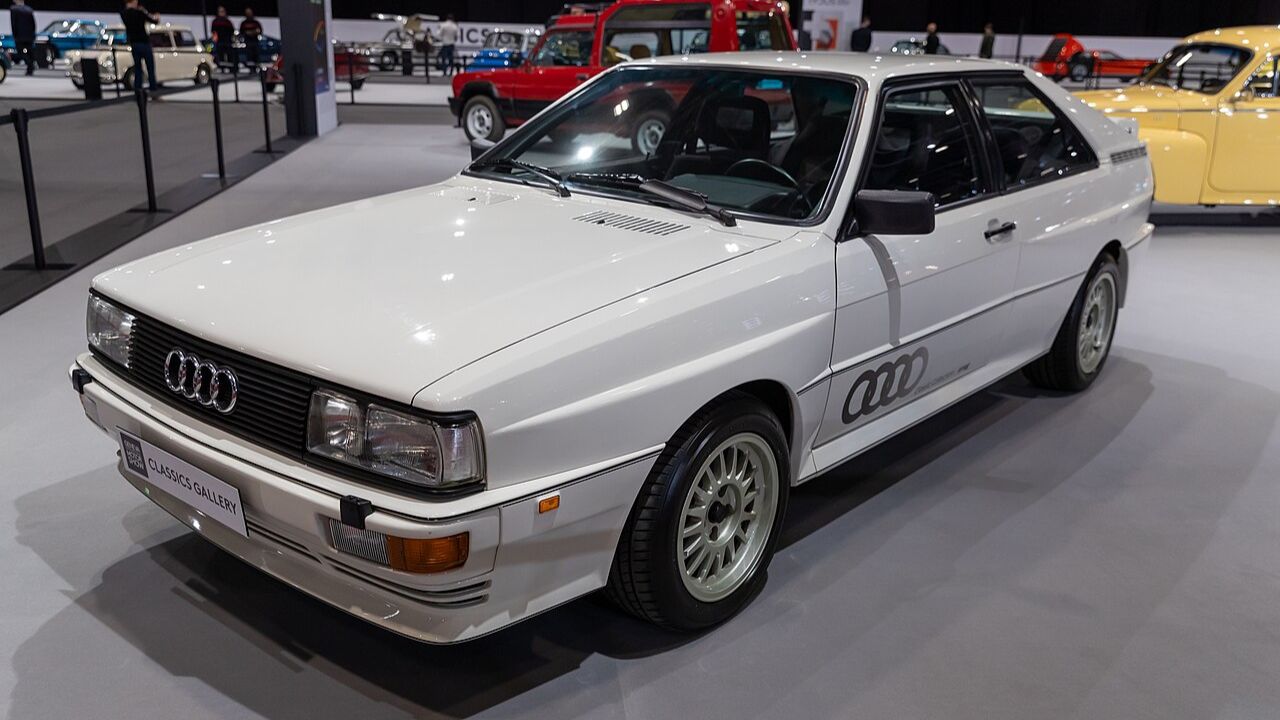
Some vehicles influenced far more than the model years in which they were sold. Through innovative engineering, groundbreaking styling, or revolutionary packaging, these automobiles established design principles that continue guiding manufacturers today. Their legacy can still be seen in countless modern vehicles.
Auburn 851 Speedster
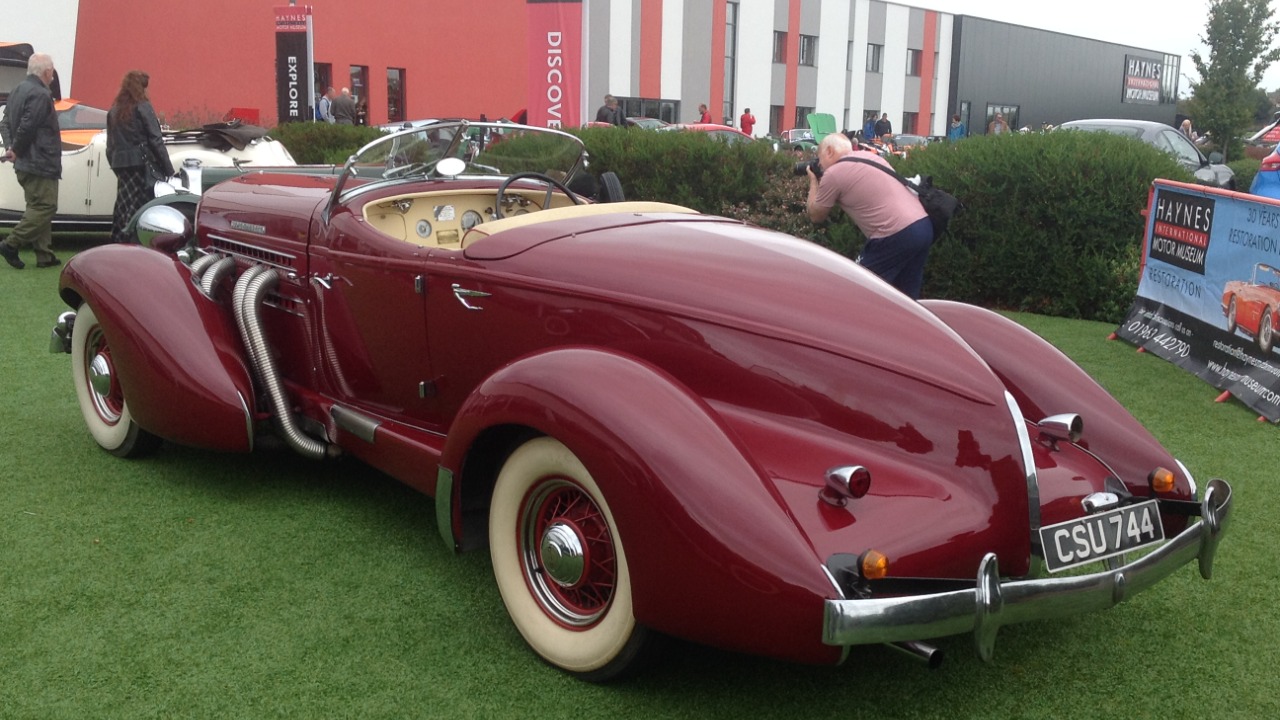
The Auburn 851 Speedster introduced flowing Art Deco styling that emphasized elegance and motion even while standing still. Its long hood, sweeping fenders, and tapered rear inspired generations of grand touring automobiles. It remains one of America’s most influential prewar designs.
Lancia Lambda
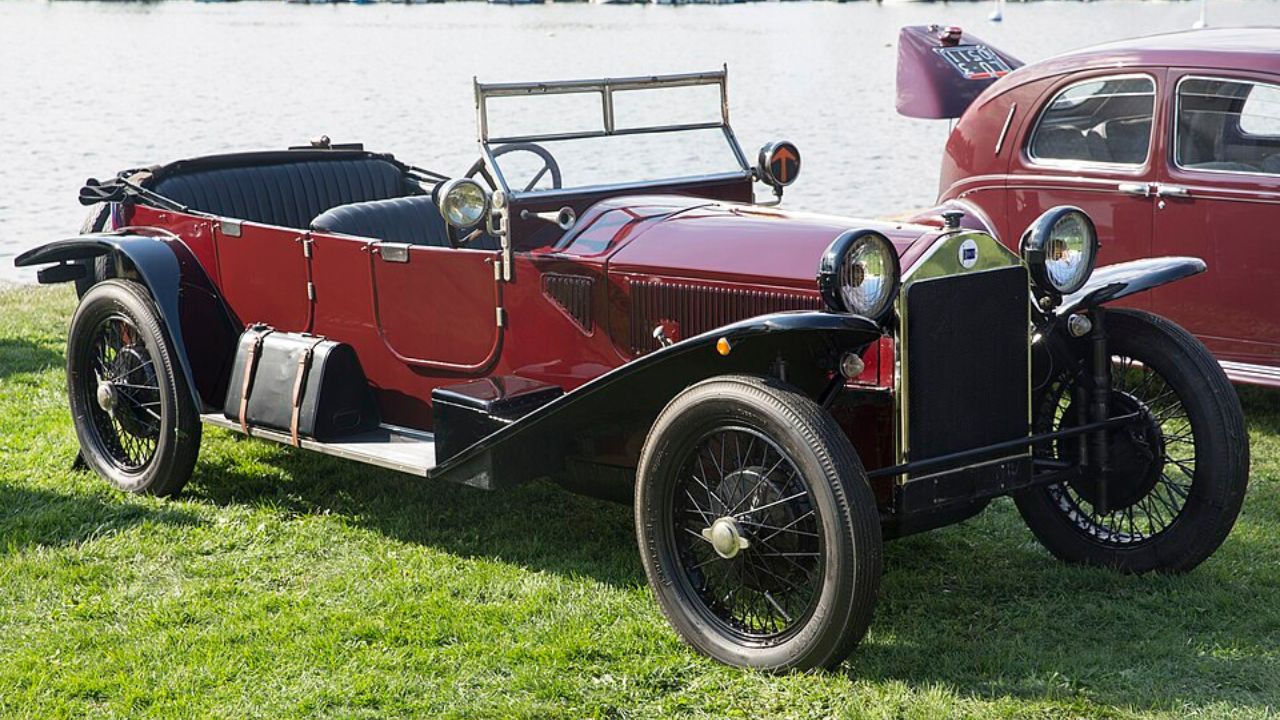
The Lancia Lambda pioneered unit-body construction and independent front suspension, innovations that transformed automotive engineering. Its advanced structure improved both handling and strength. Many of the principles it introduced became standard throughout the industry.
Chevrolet Corvette Sting Ray (1963)
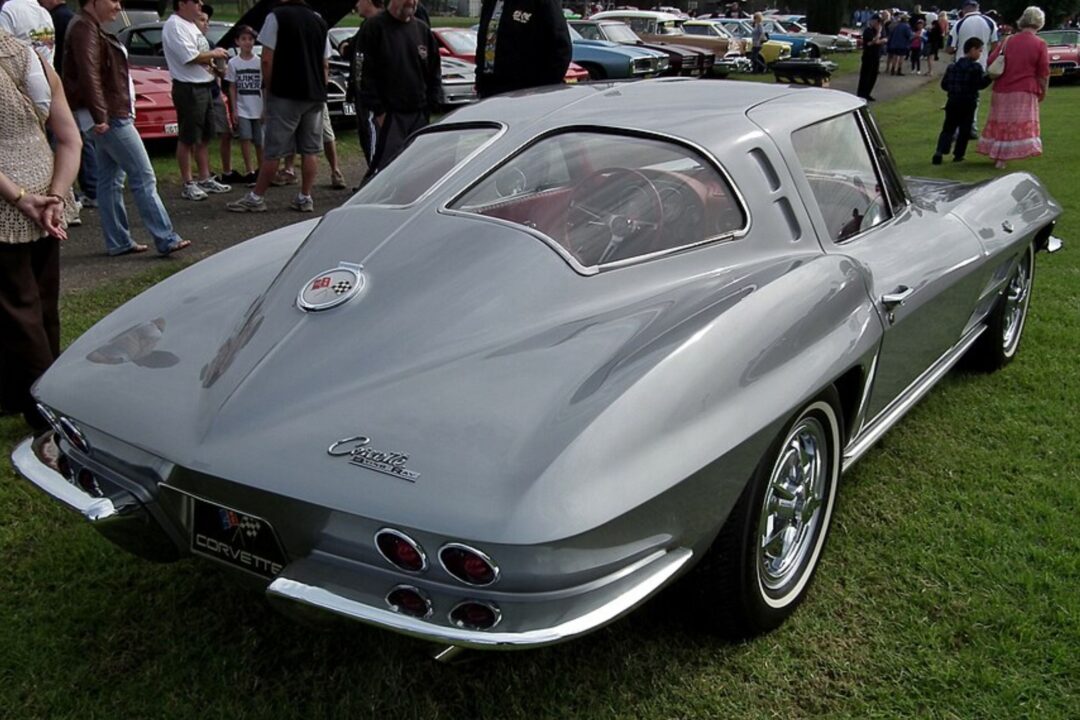
The 1963 Corvette Sting Ray combined aerodynamic styling with advanced chassis engineering to redefine the American sports car. Its dramatic proportions and independent rear suspension influenced generations of performance vehicles. The Corvette’s design language still echoes today.
Jaguar E-Type
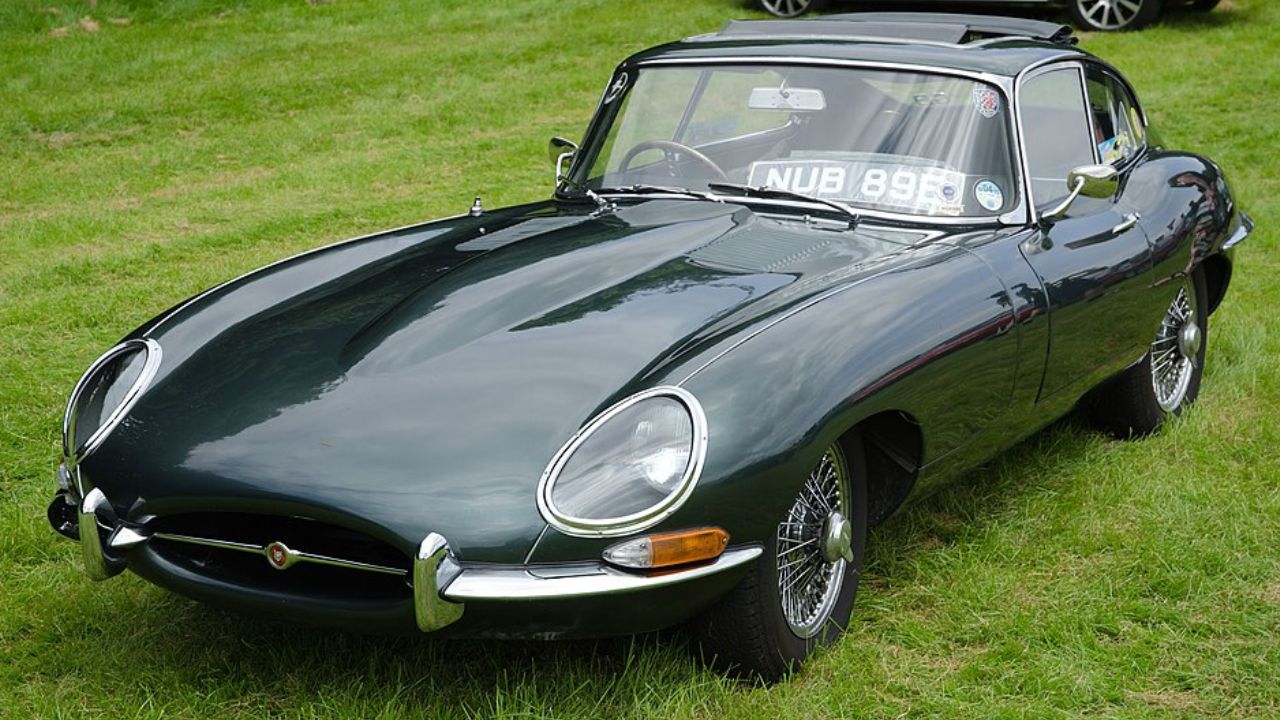
The Jaguar E-Type blended breathtaking proportions with race-inspired engineering, creating one of the most beautiful sports cars ever produced. Its long hood and sleek profile influenced sports car styling for decades. Designers continue referencing its timeless silhouette.
Audi Quattro
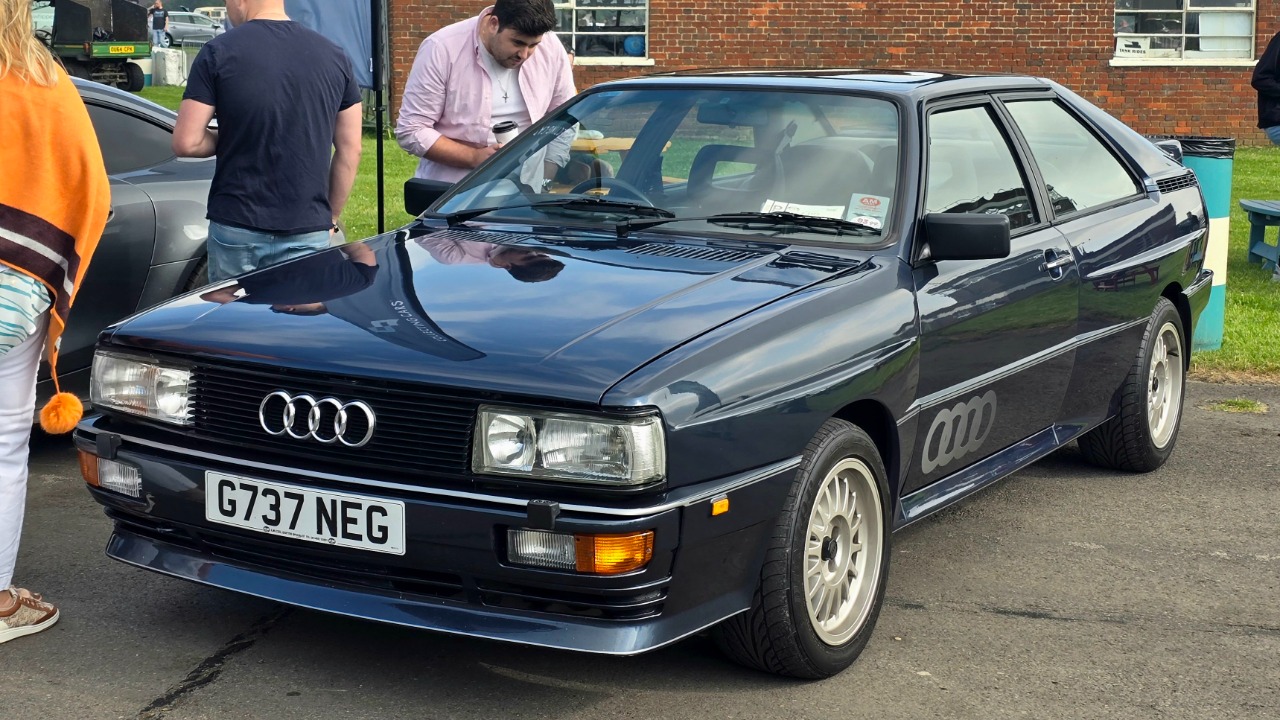
The Audi Quattro proved that all-wheel drive could transform high-performance road cars rather than remaining limited to off-road vehicles. Its rally success changed engineering priorities across the industry. Today, all-wheel-drive performance cars owe much to its pioneering approach.
Renault Espace
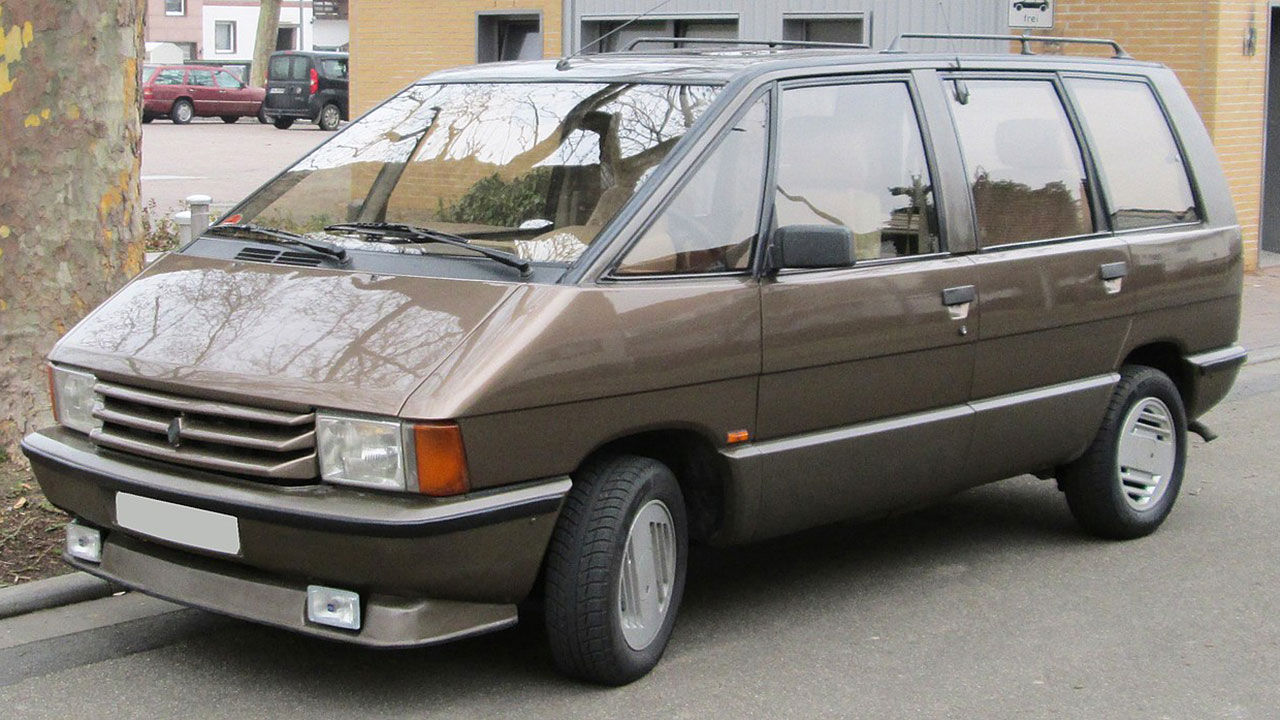
The Renault Espace introduced a practical one-box design that maximized interior space without dramatically increasing vehicle size. Its flexible seating and family-focused layout influenced countless minivans and crossover SUVs. It permanently changed expectations for passenger packaging.
Mazda RX-7 FD

The Mazda RX-7 FD showcased how smooth aerodynamic styling and compact proportions could enhance both beauty and performance. Its flowing bodywork remains one of the most admired designs of the 1990s. It continues inspiring modern sports car styling.
Range Rover (1970)
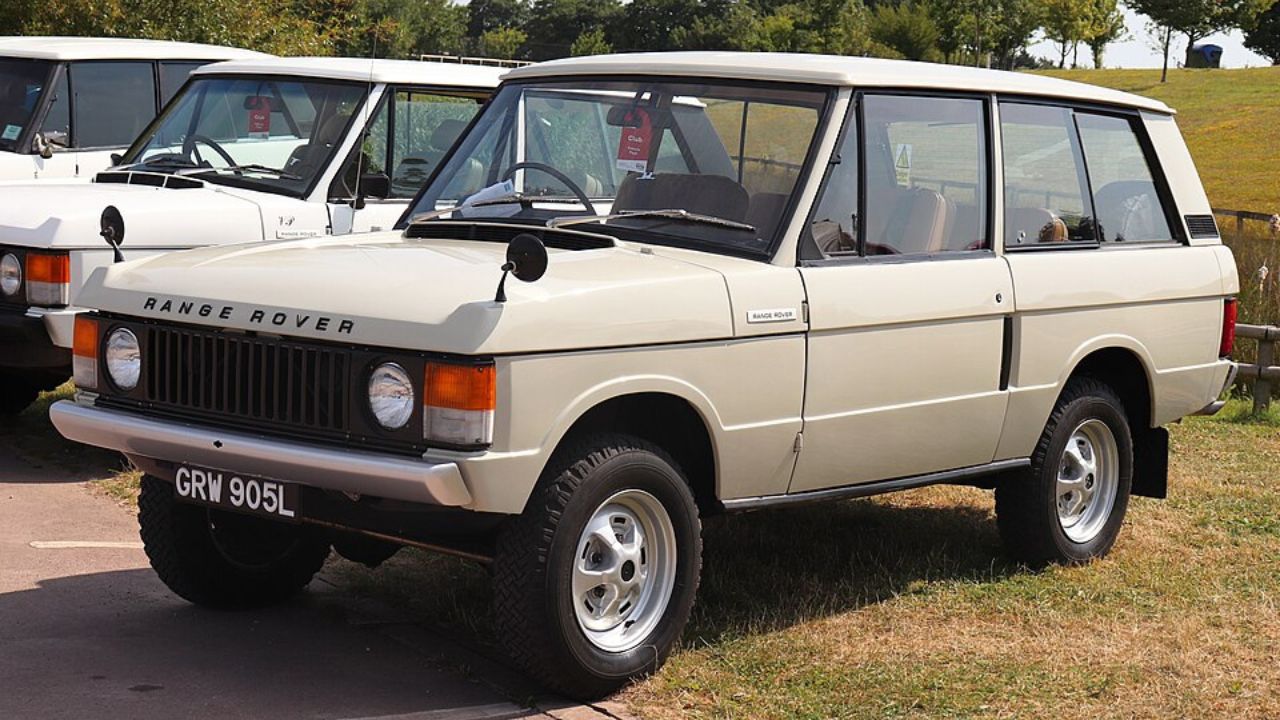
The original Range Rover demonstrated that an off-road vehicle could also deliver premium comfort, refined styling, and everyday usability. It established the blueprint for the modern luxury SUV. Nearly every premium SUV introduced since has followed the path it created.
More from Fast Lane Only
- Unboxing the WWII Jeep in a Crate
- 15 rare Chevys collectors are quietly buying
- 10 underrated V8s still worth hunting down
- Police notice this before you even roll window down
*Research for this article included AI assistance, with all final content reviewed by human editors