The 2002 Mini Cooper arrived at a moment when small cars were treated as penalty boxes, not objects of desire, and it flipped that script almost overnight. By blending premium materials, sharp handling and a playful attitude, it showed that a compact hatchback could be aspirational instead of apologetic. I see that first modern Mini as the car that made downsizing feel like a lifestyle upgrade rather than a compromise.
From economy box to premium subcompact
When BMW relaunched MINI in the early 2000s, the company was not trying to build another cheap commuter, it was trying to invent a new segment. The strategy was to turn MINI into the first true premium subcompact, a small car priced and finished like something from a class above, powered by smart design and marketing rather than sheer size or horsepower. That repositioning, described as BMW’s bold revival of MINI, set the stage for the 2002 Mini Cooper to feel like a fashion accessory and a driver’s car at the same time.
The bet paid off quickly in the United States, where small cars had long been treated as bare‑bones transportation. MINI USA later celebrated a decade of success by pointing out that, since its 2002 introduction, MINI USA had proven there was real demand for premium small cars that still met everyday driving needs, a milestone the brand highlighted from San Francisco. By turning a tiny hatch into a status symbol, the 2002 car did more than sell itself, it cracked open a market that rivals would rush to chase.
Retro design with real substance
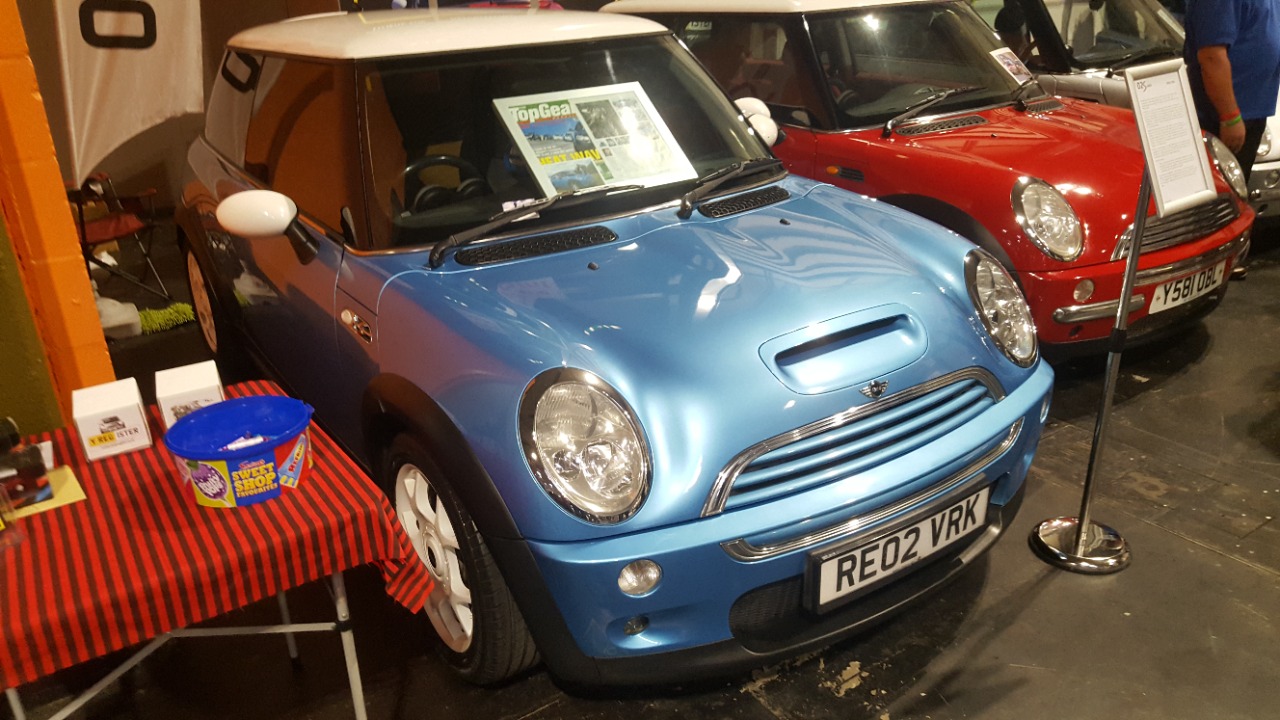
What made that first modern Mini so striking was how confidently it leaned into its heritage without feeling like a costume. The original Mini had already changed the way people thought about economy cars, and enthusiasts still credit The Mini with revolutionising economy car design and introducing generations of drivers to the joy of going quickly in something small. The 2002 Cooper borrowed that upright stance, floating roof and bulldog face, then wrapped it in modern safety structures and higher‑end materials so it felt nostalgic but not naive.
Design leaders inside the company have been candid that the look did much of the early heavy lifting. One executive, Cutler, explained that MINI’s early success in MINI North America was very much design‑driven, even as the team worked to make the car more reliable than a Honda. That mix of cheeky styling and serious engineering meant the 2002 Mini Cooper could poke fun at bloated traffic while still feeling like a thoroughly modern product.
Go‑kart handling in a daily driver
Style alone would not have made small cars cool again if the driving experience had been dull, and this is where the 2002 Mini Cooper really separated itself. The chassis was engineered to set a new benchmark for agility, with a stiff body that reduced vibration and sharpened responses so the car felt eager to change direction. Internal material described how The MINI sets the benchmark for motoring pleasure, and that intent came through every time the steering loaded up in a corner.
Even mainstream road tests picked up on that character. One early review noted that, even without the optional Sport Suspension Plus, the ride was firm enough to bounce occupants around on rough pavement, but it also praised how the car delivered quick responses and a sense that you could change lanes with the barest of glances, a balance captured in the line that Even without the optional Sport Suspension Plus the car felt alive. Later buyer guides would sum up the appeal as go‑kart‑like handling and excellent grip, echoing the idea that a Mini Cooper offers a Fun and Sporty Driving Experience Known for making drivers fall in love with corners again.
Power, personality and the “Let’s Motor” attitude
Under the hood, the 2002 Mini Cooper S backed up its attitude with real performance. A widely shared enthusiast review by Zach walks through the hardware, noting that up front sits a 1.6 liter supercharged engine that gives the tiny hatch surprising punch. That powertrain, combined with a manual gearbox, made the Cooper S feel quick even by modern standards, and later breakdowns of the range would describe the most powerful version of the Mini Hatch as properly fast, especially if you just get the manual here.
The personality extended far beyond the spec sheet. MINI’s early U.S. marketing leaned into a playful, slightly rebellious tone that treated driving as something joyful rather than purely practical. The slogan “Let’s Motor” became a rallying cry that gently mocked SUV excess while celebrating nimble fun, a positioning that one retrospective described by noting how Let Motor turned into a cultural shorthand for choosing agility over bulk. That attitude synced perfectly with the way the car drove, so the 2002 Cooper felt like a rolling manifesto against automotive bloat
A small‑car sales phenomenon
For all the talk about design and dynamics, the clearest proof that the 2002 Mini Cooper made small cars aspirational again is how quickly people lined up to buy one. Early on, dealers struggled to keep cars in stock, and one retailer, Davis, said he had a waiting list of 290 potential customers, with the first reservation placed in March of the previous year. That kind of pent‑up demand for a tiny hatchback in SUV‑obsessed America would have sounded absurd a decade earlier
Production struggled to keep up with that enthusiasm. A later buyer’s guide noted that the launch was “inconveniently successful” for shoppers, pointing out that cars were flying off lots in urban areas and that the brand was on track to sell nearly 30,000 MINIs in the United States, even as production at the Oxford plant tried to ramp up to meet demand, a situation summed up in the observation that The launch was inconveniently successful. When a small car becomes a waiting‑list item, it sends a clear signal that the market’s tastes are shifting.
Why it still feels fresh today
Two decades on, the first modern Mini Cooper still feels remarkably current, and I think that is because its core virtues were never just about fashion. Owners continue to praise the way the car combines nimble handling, responsive acceleration and a go‑kart‑like feel with a distinctive, eye‑catching shape, a pattern captured in a Review Summary The that highlights both the fun factor and the design. That blend of engagement and character is exactly what many new small cars still struggle to deliver.
The formula has also aged well because it aligns with how people live in cities. Commentators still describe how Small Size, Big Personality Mini Coopers make tight streets and parking spots less stressful, while Their compact footprint and quick reactions turn daily commutes into something closer to play. Even retro‑focused write‑ups of the 2002–2006 range keep coming back to the same point, noting that one of the main reasons people love the Mini Hatch is the styling, and that regardless of which angle you look at it from, it still makes you smile.
The legacy every modern small car chases
Looking back now, I see the 2002 Mini Cooper as the template that many later small cars tried to copy but rarely matched. Even retro‑themed compacts that followed often missed the balance between nostalgia and engineering that MINI struck, either leaning too hard into kitsch or feeling generic once the novelty wore off. Early U.S. coverage of the relaunch made clear that only about 10,000 M Minis had ever made it across the Atlantic before BMW took over the Mini brand, and that context underscores how dramatic the turnaround was when the new car arrived.
For me, the enduring achievement of that 2002 model is how completely it reframed what a small car could represent. It proved that a compact hatch could be premium, playful and genuinely fun to drive, not just efficient or affordable. That shift in perception still shapes the market today, every time a manufacturer tries to sell a city car with upscale trim, bold colors and a marketing campaign built around personality rather than price, they are chasing the standard that little Mini set when it made small cool again.
More from Fast Lane Only: