The Buick Roadmaster name carries a legacy of big, powerful, comfortable cars that spanned 1936 to 1996. With large engines, long wheelbases, and luxury to rival the best, it was all about road presence. Here are ten key facts that show how the Roadmaster earned its commanding reputation through tech, performance, and distinctive details.
Born in 1936 with a Straight-Eight Engine
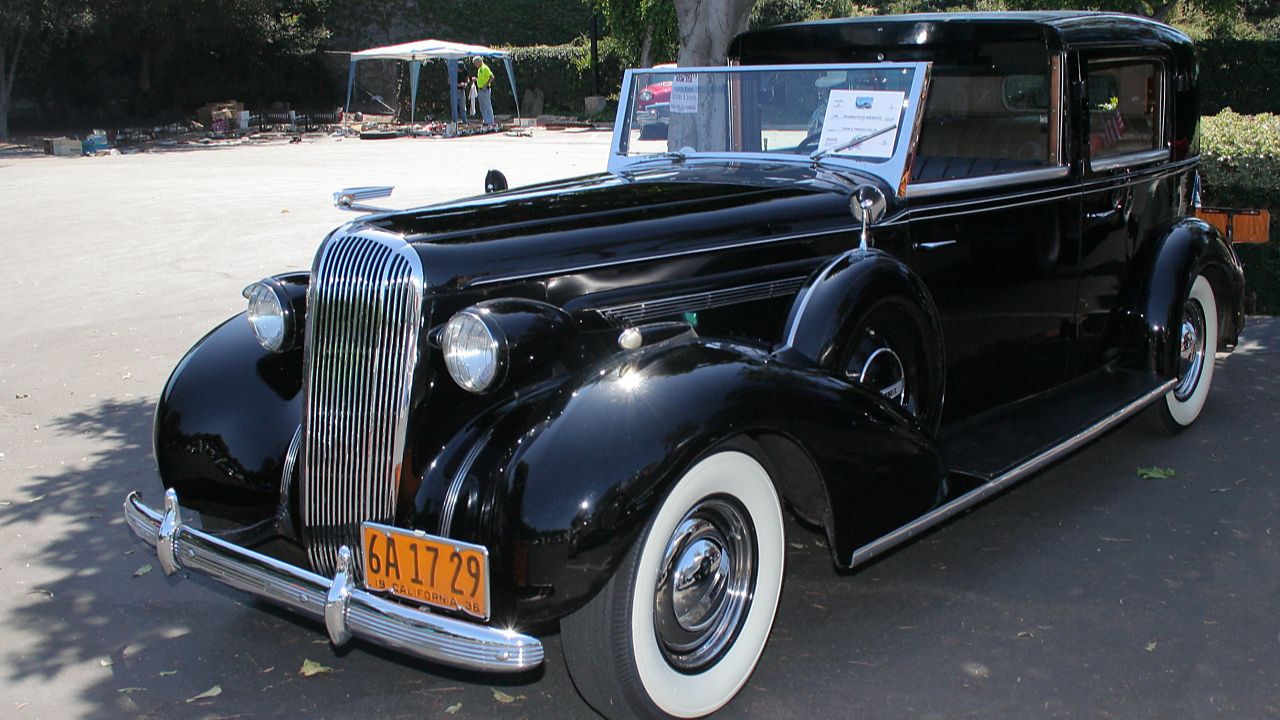
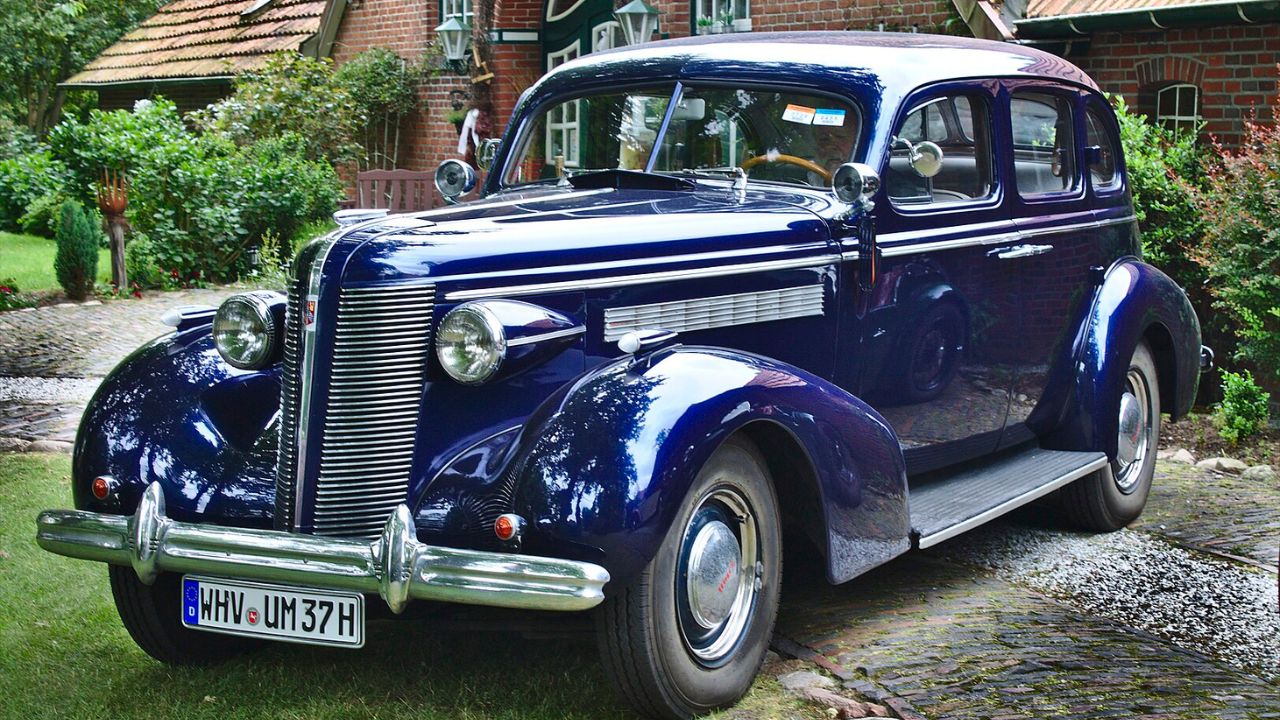
The Roadmaster debuted in 1936 as Buick’s Series 80, built on a 131-inch wheelbase, the longest non-limousine chassis. Its 5.2-liter Fireball straight-eight delivered 120 horsepower at 3,200 rpm and ~238 lb-ft of torque, paired with a three-speed manual. The engine’s smooth pull made it a highway king, setting the tone for the Roadmaster’s blend of luxury and performance among smaller Buicks.
Harley Earl’s Design Influence
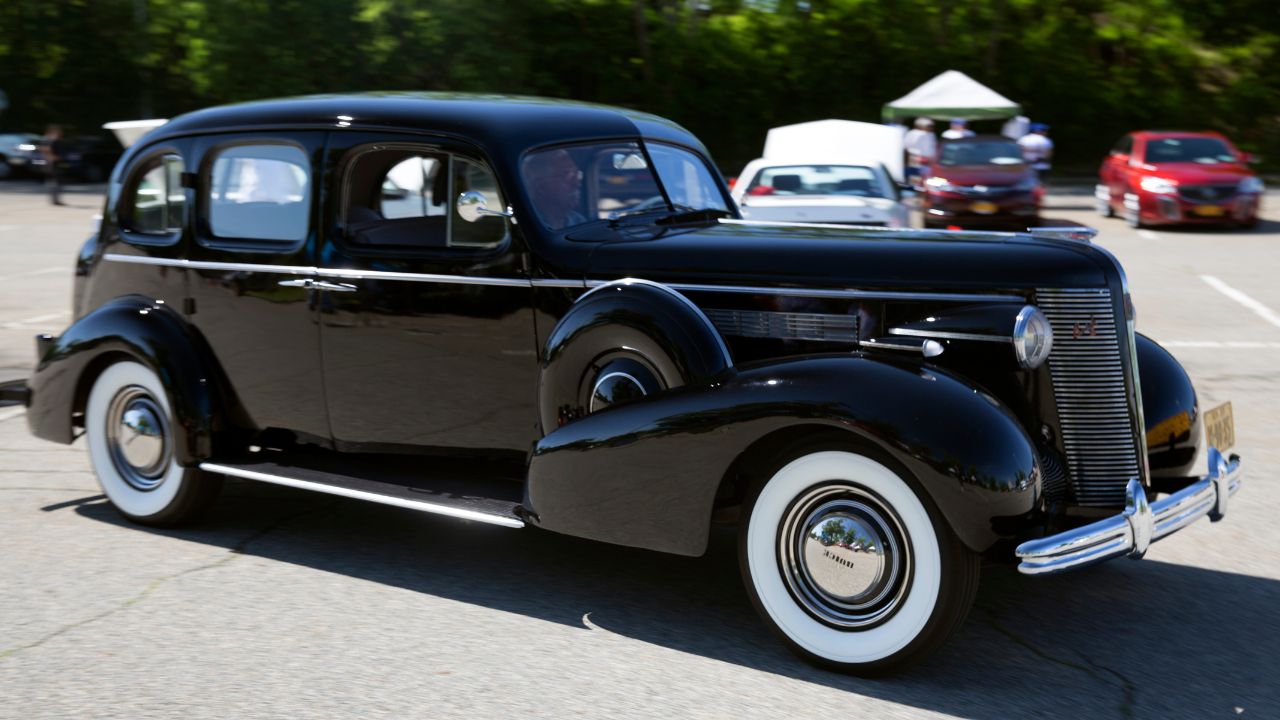
Harley Earl, GM’s design chief, shaped the 1937 Roadmaster with a divided grille, horizontal bars, and squared fenders, lowering the height by 1.5 inches for a sleeker profile. The 1949 model drew from Earl’s Y-Job concept, featuring a V-shaped hood and VentiPorts on the fenders. These bold cues gave the Roadmaster a modern, recognizable style that balanced elegance with a performance edge.
The 1949 Model’s VentiPorts
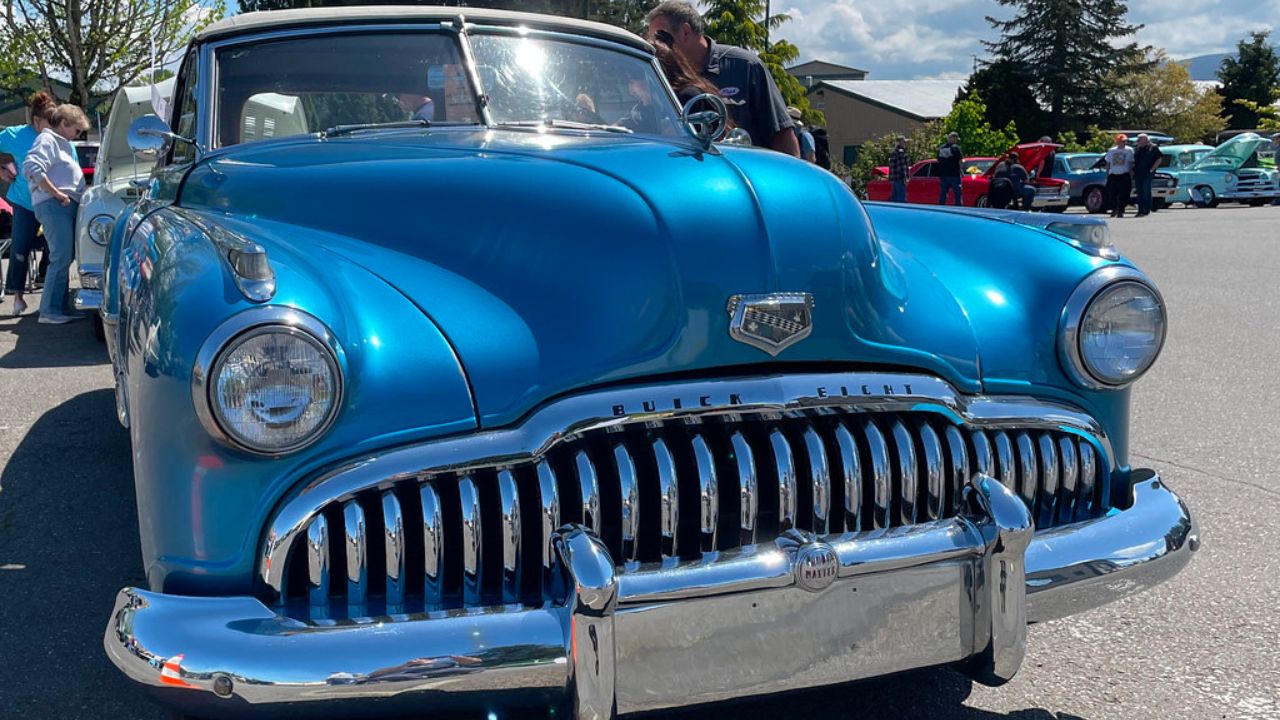
In 1949, the Roadmaster introduced three VentiPorts per fender, inspired by designer Ned Nickles’ 1948 experiment with lit portholes (non-production). The non-functional VentiPorts, paired with a 5.2-liter Fireball straight-eight (150 hp, 271 lb-ft) and Dynaflow two-speed automatic, gave it a striking look and smooth shifts. With ~37,000 units built, it stood out as a luxury cruiser with a hint of aggression.
Power Steering Debut in 1952
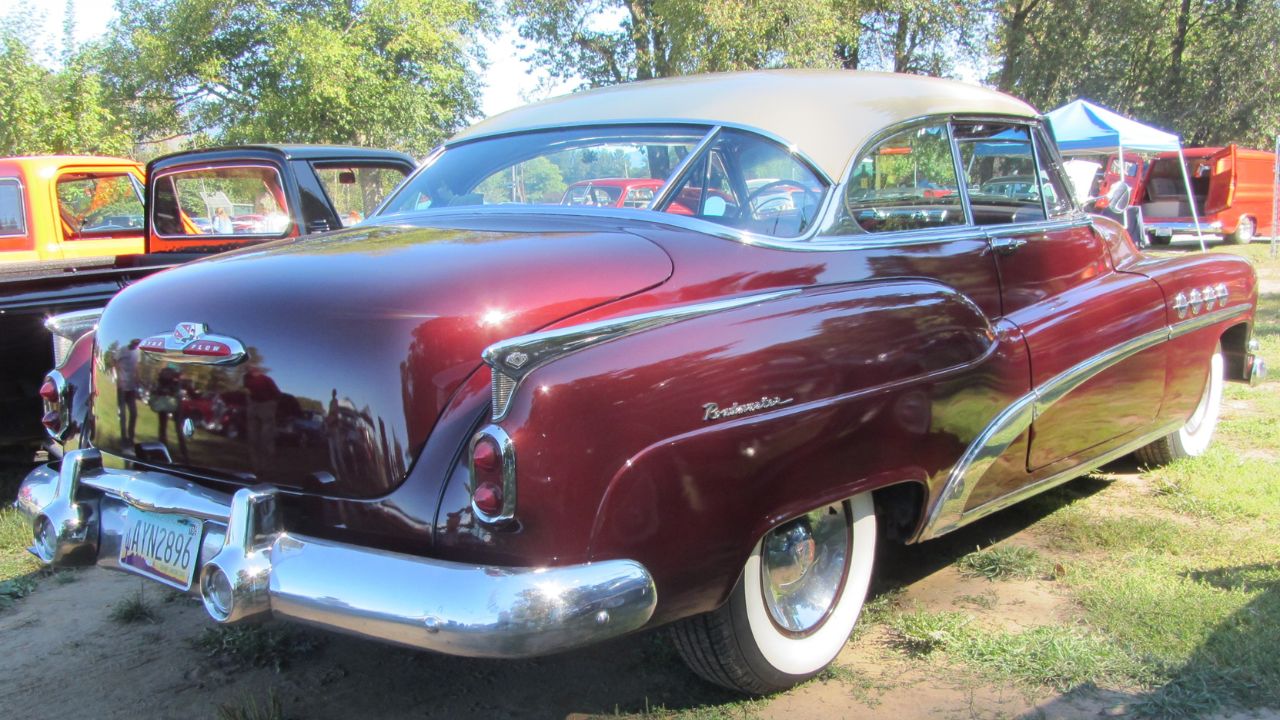
The 1952 Roadmaster brought power steering to Buick, easing control of its ~4,300-pound body. Its 320.2-cubic-inch Fireball straight-eight (170 hp, 280 lb-ft) with Dynaflow automatic hit 0-60 mph in ~12 seconds. The 121.5-inch wheelbase carried a three-spoke steering wheel, four-dial instrument cluster, and fabric or vinyl upholstery, offering spacious comfort for long drives.
The Skylark Connection in 1953
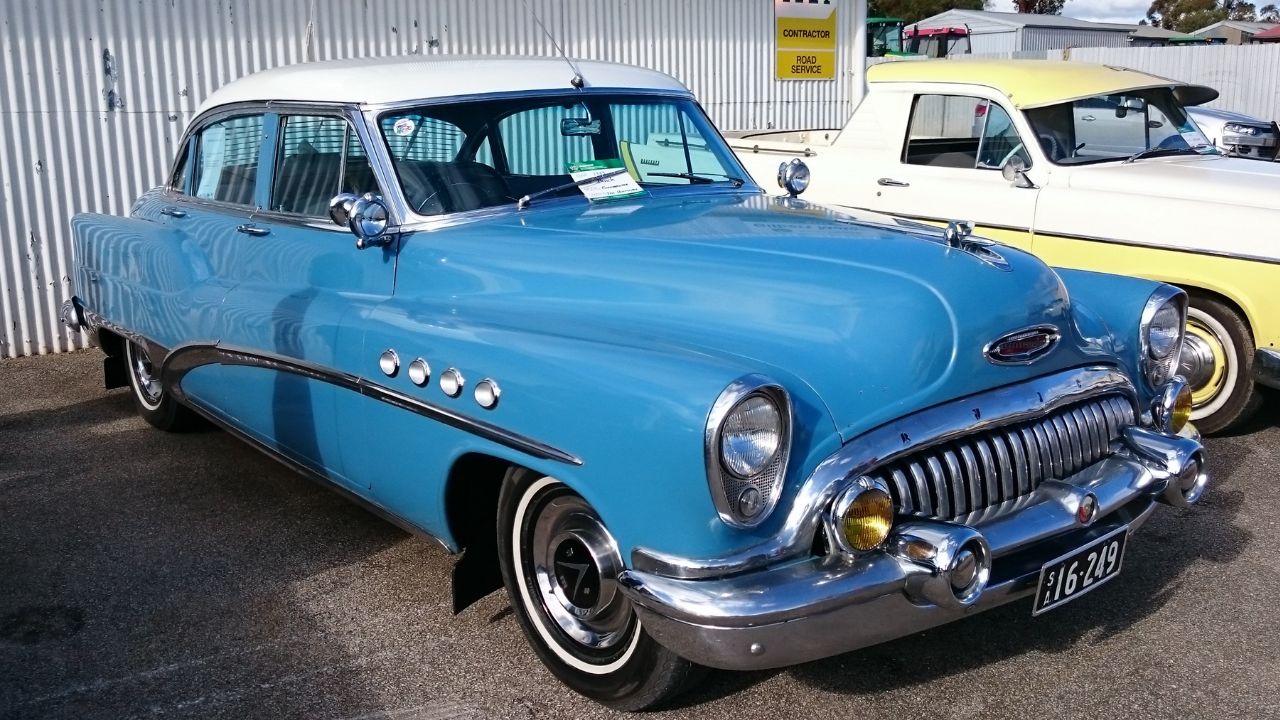
The 1953 Roadmaster Skylark convertible, built for Buick’s 50th anniversary, featured a 322-cubic-inch Nailhead V8 (188 hp, 300 lb-ft), open wheel wells, Kelsey-Hayes wire wheels, and Dynaflow automatic, hitting 0-60 mph in ~11 seconds. With leather seats, power windows, and a Selectronic radio, only 1,690 were made, making it a rare, upscale take on the Roadmaster’s luxury-performance blend.
1957’s Big Power Jump
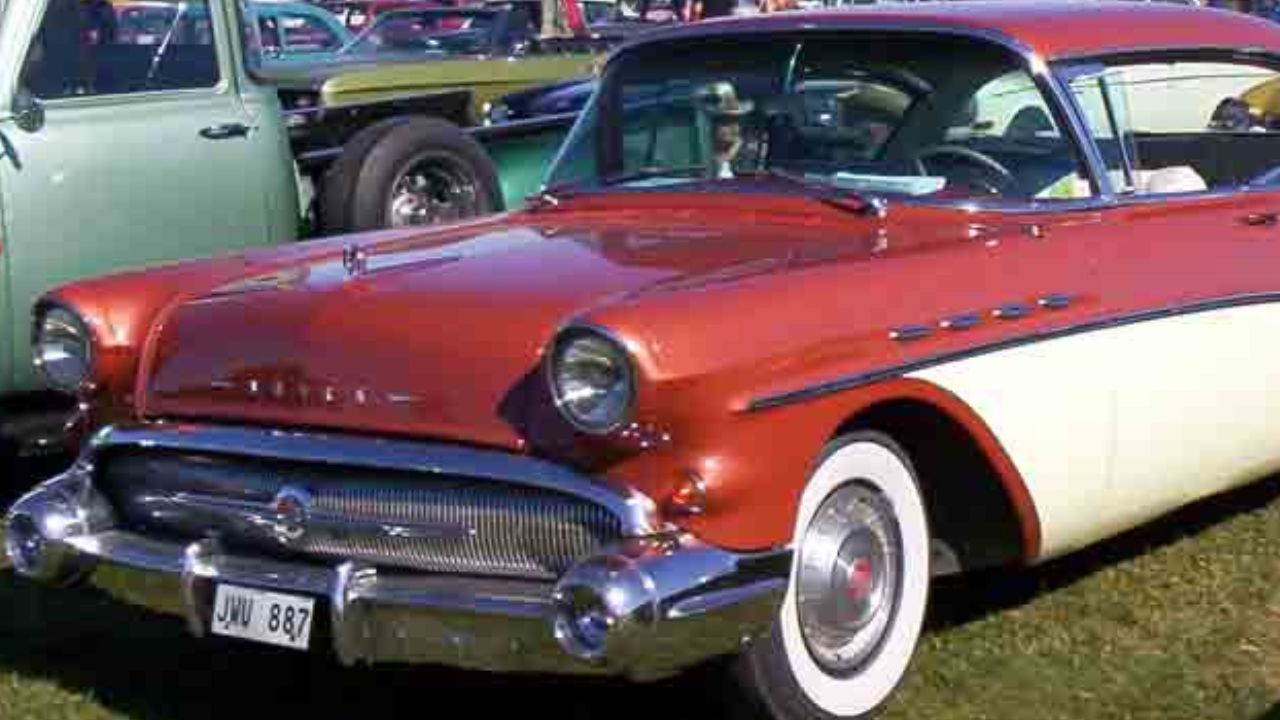
The 1957 Roadmaster’s 364-cubic-inch Nailhead V8 produced 300 horsepower and 405 lb-ft of torque, paired with a Dynaflow automatic and 127.5-inch wheelbase, hitting 0-60 mph in ~9.5 seconds. Its leather-trimmed interior, power seats, dual exhaust, and four VentiPorts per side amplified its 215.3-inch-long presence, making it a commanding cruiser for power-hungry buyers.
Revival in 1991 with B-Body Platform
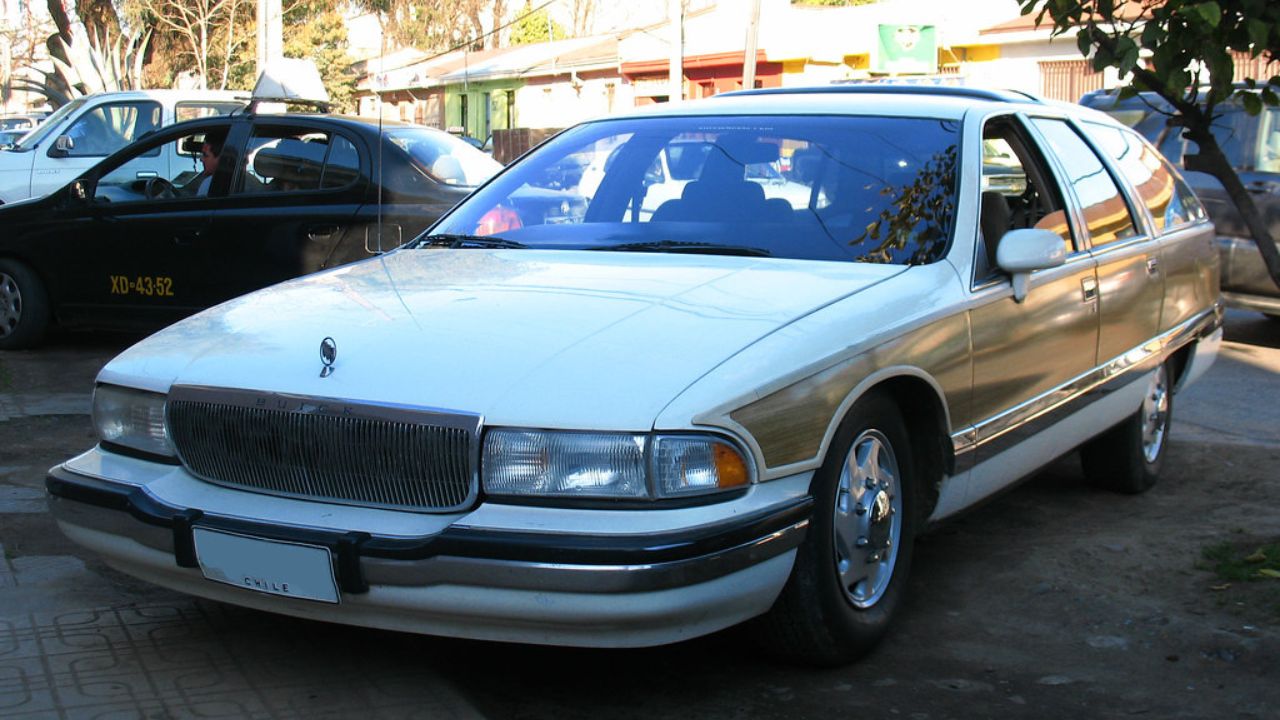
The Roadmaster returned in 1991 as an Estate Wagon on GM’s B-body platform, shared with the Chevy Caprice. It launched with a 5.0-liter V8 (170 hp, 255 lb-ft), upgraded in 1992 to a 5.7-liter V8 (180 hp, 300 lb-ft). The 115.9-inch wheelbase and 217.7-inch length supported three-row bench seats for eight and ~92 cubic feet of cargo. A driver-side airbag and anti-lock brakes added practicality to its power.
LT1 V8 Power in 1994
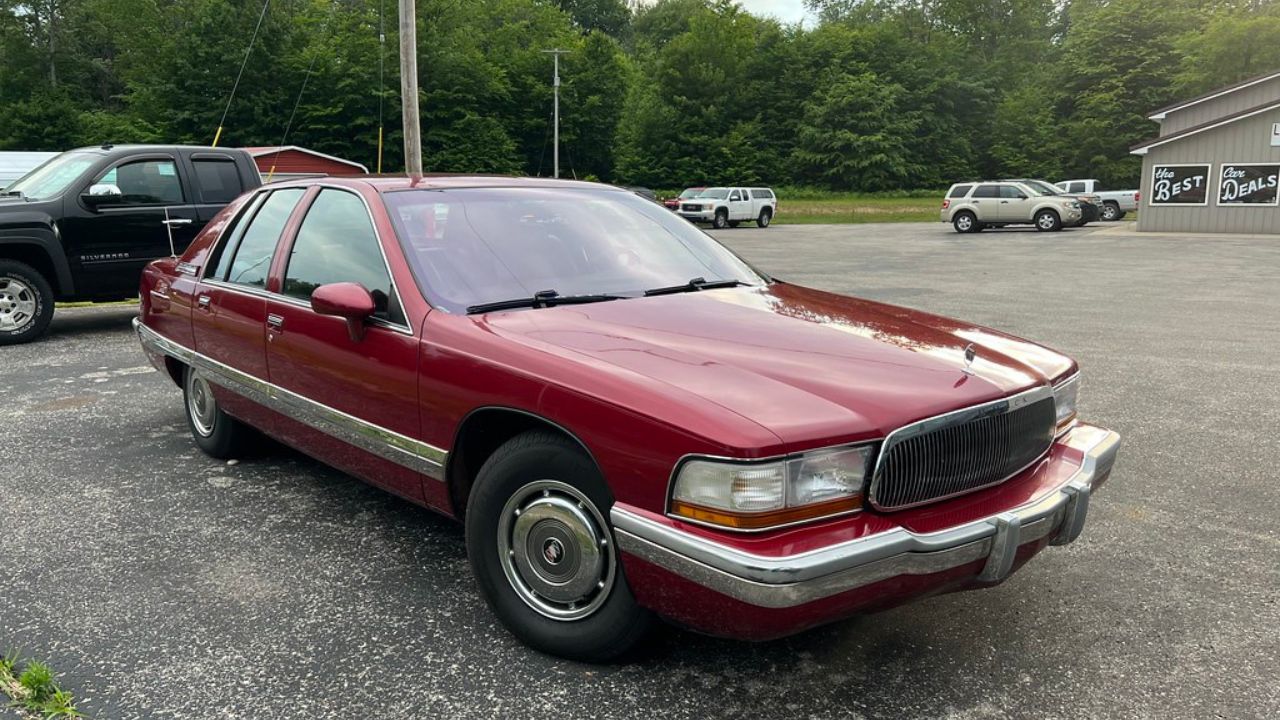
In 1994, the Roadmaster adopted a 5.7-liter LT1 V8 from the Corvette, tuned to 260 horsepower and 330 lb-ft of torque. With a 4L60E four-speed automatic and dual exhaust, it hit 0-60 mph in ~7.5 seconds at ~4,600 pounds. Leather seats, dual airbags, analog gauges, and 1995 updates (new moldings, folding mirrors) kept the sedan and wagon plush and functional.
Estate Wagon’s Practicality
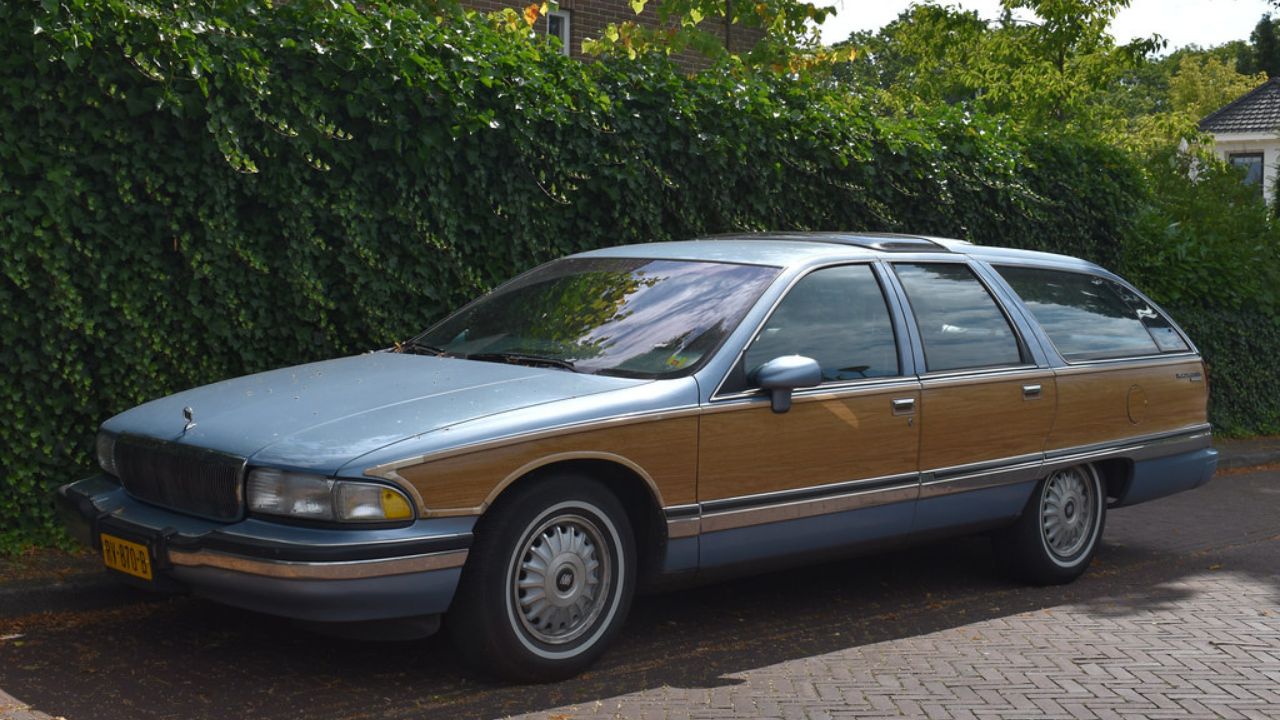
The 1992–1996 Roadmaster Estate Wagon blended muscle with utility, powered by a 5.7-liter V8 (180 hp TBI 1992–1993, 260 hp LT1 1994–1996). Its 217.7-inch length, 60.3-inch height, and ~5,000-pound towing capacity handled heavy loads, with 92.6 cubic feet of cargo. A fixed glass sunroof, rear wiper, power bench seats, woodgrain paneling, anti-lock brakes, and air shocks made it a versatile family hauler.
End of an Era in 1996
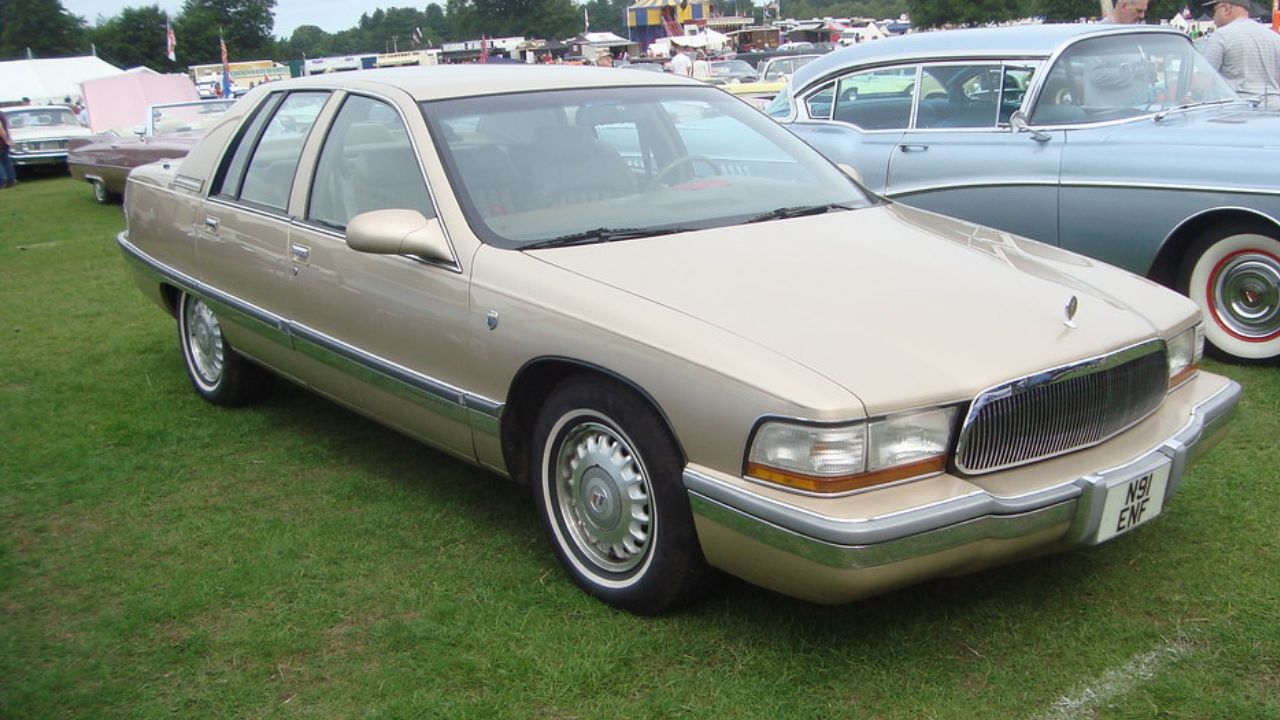
The Roadmaster bowed out in 1996 after ~120,000 units across six years, powered by the 5.7-liter LT1 V8 on a 115.9-inch wheelbase (sedan 215.8 inches, wagon 217.7 inches). Automatic climate control and redesigned rear seatbelts were 1996 updates. With ~8,900 units that year, it couldn’t compete with rising SUVs, but its mix of size, V8 power, and luxury left a lasting mark as a true highway master.
Like Fast Lane Only’s content? Be sure to follow us.
Here’s more from us:
*Created with AI assistance and editor review.