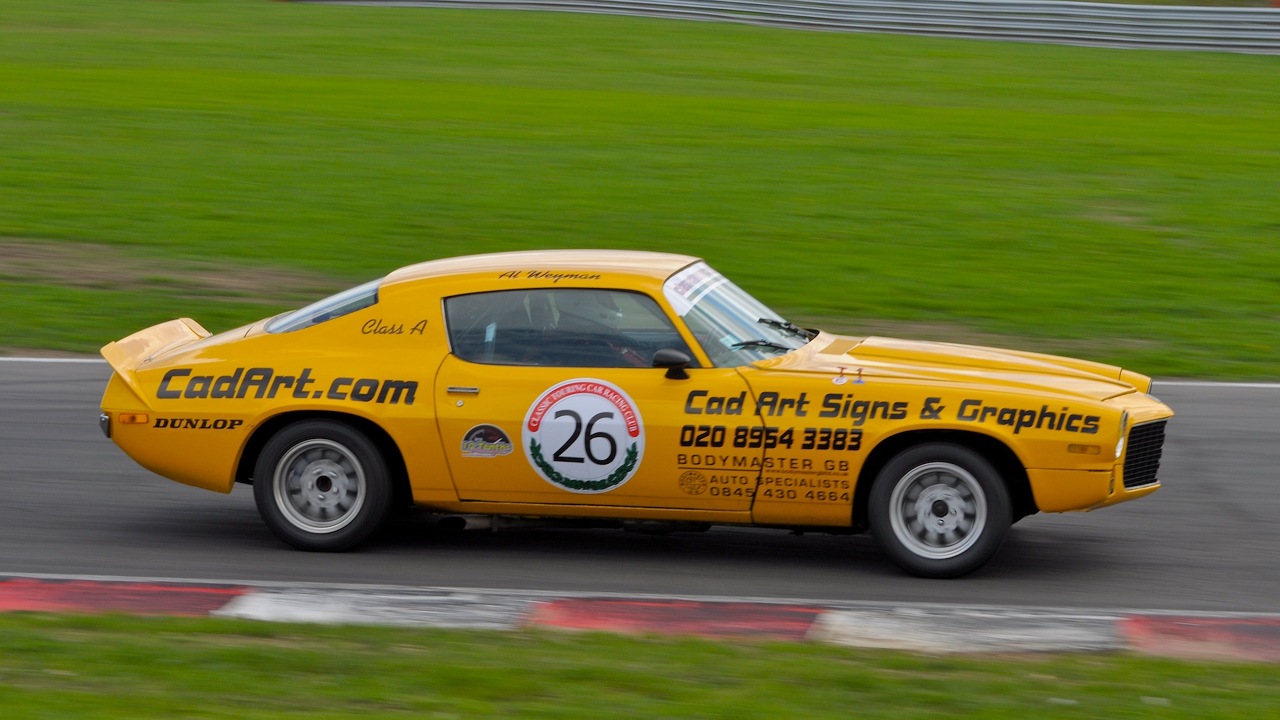
The Camaro entered the 1970s just as the original muscle car wave was starting to crack under new rules, higher insurance costs, and changing tastes. While many rivals stumbled or disappeared, Chevrolet’s pony car managed to adapt, hold its identity, and eventually pull ahead in a shrinking field. Its rebound was not a straight line, but a story of design, persistence, and smart positioning as the rest of the segment lost its way.
Across that turbulent decade, the Camaro survived corporate doubts, regulatory pressure, and a hostile fuel economy climate that killed or neutered icons like the Ford Mustang, Dodge Super Bee, and Plymouth Road Runner. By the late 1970s, it had turned that survival into strength, outselling its oldest rival and proving that a carefully evolved performance image could still thrive even as the classic muscle era faded.
The second-generation gamble that almost never happened
The 1970 redesign was a bold bet that the pony car market still had room to grow, even as the performance boom was already under strain. The new Camaro arrived lower, wider, and more European in its proportions, a stylistic break from the boxier first generation that signaled Chevrolet’s intent to move the car upmarket rather than chase every drag-strip fad. Contemporary observers noted that the whole performance era was peaking and about to crash under the weight of insurance surcharges, smog controls, and a shift in public mood, yet the 1970 Camaro was praised as one of General Motors’ most cohesive designs, with even Italian stylists taking notice of its clean lines and long-hood, short-deck stance, as detailed in period assessments of the 1970 Camaro.
Inside GM, however, confidence in that gamble wavered almost immediately once the economy softened and new regulations hit. Reporting on the early 1970s development history notes that Facing those problems, GM seriously considered dropping both the Camaro and its F-body sibling, the Pontiac Firebird, rather than invest in costly updates for a segment that suddenly looked like yesterday’s news. Analyses of the second generation recall that Some at GM seriously considered dropping the Camaro and Firebird altogether, particularly while the corporation was under pressure to prioritize smaller, more efficient cars, before ultimately deciding to keep the line alive and going on to produce 68,656 Camaros in 1972, as recounted in research on the 1970–1981 Camaro and a detailed look at the 2nd Generation Camaro.
Regulation, recession, and the “Death Of The Muscle Car”
As the 1970s dawned, the environment that had created the muscle car boom turned sharply hostile. Insurance companies began penalizing high horsepower ratings, federal emissions rules tightened, and a broader cultural backlash against gas-guzzling performance cars took hold. Commentators looking back on that period describe how the whole performance era was peaking and about to crash under the weight of insurance, smog controls, and a change in public attitudes, a shift that hit every Detroit performance nameplate at once, including the Camaro’s closest competitors, as chronicled in reflections on the performance era.
That pivot is often summed up under the banner of Death Of The Muscle Car, a phrase that captures how quickly icons went from showroom heroes to corporate liabilities. Famous cars such as the Ford Mustang, Dodge Super Bee, and Plymouth Road Runner hold a unique place in American car culture, but by the mid 1970s their original formulas were either diluted or discontinued as automakers scrambled to meet emissions and fuel economy demands. Analyses of that period argue that the classic muscle car, as it had been known in the late 1960s, is still dead and buried, a verdict that frames just how unusual it was for the Camaro to keep a recognizable performance identity through the decade, as explored in retrospectives on the Death Of The Muscle Car.
How the Camaro adapted while rivals lost their way
Where many competitors responded to the new rules by shrinking dramatically or abandoning performance cues, Chevrolet chose a more incremental path. The Camaro would get some minor updates throughout the 1970s, but it was the same basic awesome-mobile for the entire decade, keeping its long-hood proportions and rear-drive layout even as power levels dropped and comfort features grew. That continuity helped Chevrolet sell 1,658,545 Camaros while the Mustang managed 1,603,773 units, a gap that widened when the Mustang II did not resonate with buyers who still wanted a car that looked and felt like a traditional pony car, according to sales tallies cited in an analysis of the muscle car that outsold every competitor.
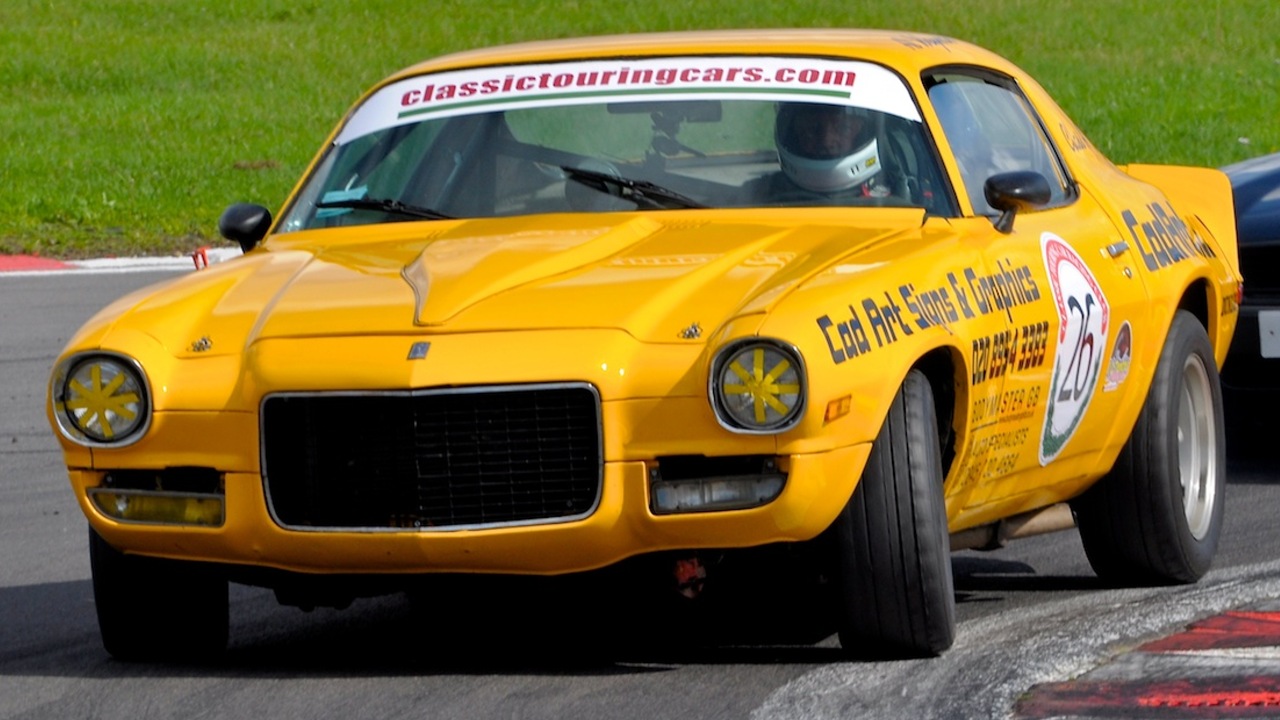
Stylistically, the Camaro did not escape the compromises of the era, but it integrated them in a way that preserved its core image. Plastic bumpers, square taillights, leaky T-tops, and an ugly wrap-around rear window became synonymous with GM’s F-body cars in later years, details that some purists still criticize. Yet those same updates allowed the Camaro to meet changing safety and design rules while staying recognizable as a sporty coupe, a balance that helped it remain popular among Camaro (Chevrolet Camaro) fans even as other nameplates were unrecognizably softened, as noted in a profile of a 1970 Chevrolet Camaro Sport Coupe.
From survivor to segment leader by the late 1970s
The real payoff for that steady approach came later in the decade, when the Camaro moved from survivor to sales leader in a shrunken pony car field. Camaros from 1977-78 brought more power back into the lineup, reflecting both incremental engineering improvements and a renewed appetite for performance as the worst of the fuel crisis faded. Chevrolet’s Camaro outsold the Mustang for the first time in 1977, a symbolic turning point that showed how buyers rewarded a car that still looked and felt like a proper pony car, and that momentum continued into 78, according to sales comparisons that track when the Camaro finally topped the Mustang for the first time, as detailed in coverage of the few times the Camaro outsold the Mustang.
By then, the Camaro had become one of the very few factory performance cars that survived the muscle car collapse with its identity intact. The Chevy Camaro Z28, in particular, was singled out in period road tests as a machine for the young at heart, a car that still offered genuine performance character in an era dominated by economy boxes and detuned sedans. Those tests emphasized that The Chevy Camaro Z28 was one of the very few factory performance cars that survived the muscle car era, a testament to how Chevrolet had managed to keep the flame alive without ignoring the new regulatory and economic realities, as recounted in a road evaluation titled What.
Legacy of the 1970s rebound
The Camaro’s ability to navigate the 1970s did more than keep a single model line alive, it cemented the car as a long-term fixture in American performance culture. The Camaro was born out of necessity after Ford’s Mustang ignited the pony car segment, but the second-generation Camaro (1970–1981) proved that the car could evolve beyond a simple response to a rival and become a legend in its own right. Later retrospectives describe this era as a turning point when The Camaro combined aggressive styling, improved handling, and potent small-block V8 options even under tightening rules, reinforcing its status as a Birth of a Legend moment for Chevrolet’s performance brand, as explored in a feature on the Chevy Camaro legacy.
That legacy was shaped not only by engineers but also by the leadership that insisted the car mattered. Development and Debut of the Camaro had been driven by a team led by William L. Mitchell, and the model’s continued presence in showrooms through the 1970s helped anchor Chevrolet’s performance image even as other nameplates faded. Later reflections on the Camaro’s impact on the automotive industry and pop culture argue that the car’s consistent presence in the street racing scene and on American roads owed much to the decision not to cancel it when the outlook looked bleak, a choice highlighted in historical accounts of the Camaro.
Why the 1970s Camaro still echoes today
The shape and spirit of the 1970s Camaro continue to resonate in modern car culture, a sign of how deeply that era imprinted itself on enthusiasts. The F-body silhouette, with its long hood and muscular fenders, has been revived and reinterpreted in various ways, including custom builds that explicitly reference the period. Details This Trans Am Special Edition is a modern tribute to the 1977 Trans Am featured in the Smokey and the Bandit films, and it was born as a 2013 Camaro 2SS, a conversion that underlines how the second-generation Camaro platform remains a favored canvas for nostalgia-driven projects tied to late 1970s performance imagery, as described in documentation of a Trans Am conversion.
At the same time, the eventual retirement of the F-body in the early 2000s was itself framed through the lens of the 1970s, a reminder that the car’s identity was inseparable from that decade. In the final analysis, the F-body cars went away because they were too reminiscent of cars from the 1970s, with booming engines and not a lot of subtlety, a characterization that shows how the very traits that helped the Camaro stand out in its prime later became a liability in a market chasing refinement and efficiency. That assessment, rooted in an analysis of why the Camaro and Firebird were discontinued, underscores how the model’s 1970s rebound left a lasting, sometimes polarizing imprint on what a Chevrolet pony car should be, as explored in a farewell piece titled In the.
More from Fast Lane Only: