The Plymouth Barracuda Formula S has quietly shifted from overlooked option package to blue-chip Mopar, prized for the way it blends early pony car style with real performance engineering. What began as a way to sharpen a compact fastback has become one of the most closely watched corners of the Barracuda market, as collectors chase cars that still feel raw, mechanical and usable on modern roads. I see the Formula S story as a case study in how a once modest upgrade can, over time, define an entire nameplate’s legacy.
The Barracuda’s head start and the birth of Formula S
The Barracuda arrived at the dawn of the pony car era, and that timing is central to why the Formula S package now carries so much weight with collectors. The original Plymouth Barracuda was first unveiled in 1964, giving Plymouth a compact fastback that predated the better known rival from Ford and helped establish the template for affordable performance coupes in 1964. Later reporting notes that Ford introduced its own two door to the public at the New York World’s Fair on April 17, 1964, a moment that cemented the pony car formula in the wider market and set up a fierce rivalry between the two brands April 17, 1964. That context matters, because it explains why Plymouth needed a more focused performance variant so quickly.
According to early Barracuda histories, the company answered that need when the barracuda got a performance package, the Formula S, In 1965, turning the glassback fastback into something that could credibly chase more powerful competitors on twisty roads as well as at the drag strip In 1965. The Formula branding signaled a more serious chassis and engine combination without abandoning the everyday usability that had made the compact Plymouth Barracuda appealing in the first place. That balance between day to day drivability and genuine performance is exactly what modern collectors now pay a premium to find.
What made the Formula S package special
From the outset, the Formula S recipe was about more than a badge, and that substance is a big reason values have climbed. General year information for the 1965 Plymouth Barracuda shows that the 225 CID I-6 became the base engine, but the Formula S included all the key upgrades enthusiasts still look for, from suspension tuning to visual cues around the front wheel openings that quietly advertised the car’s intent 225. That combination of a relatively humble starting point and a carefully curated performance package gives today’s buyers a clear hierarchy: base cars for nostalgia, Formula S cars for serious driving.
Later first generation examples underline how thoughtfully the package was put together. Coverage of a 1966 Plymouth Barracuda Formula S notes that Some of these add ons were also included in the Barracuda S model’s price, which meant buyers could access a surprisingly sophisticated mix of handling and braking hardware without straying into full race car territory Some of. The resulting car was featured in the Feb issue of a period magazine, and later reporting on that same example, published on May 24, 2018, describes how it remained solid mechanically and body wise, a detail that reassures collectors who worry about the long term durability of these early unibody Mopars May 24, 2018. When a package delivers both performance and longevity, the market tends to notice.
Second generation style and the Formula S sweet spot
The second generation Plymouth Barracuda sharpened the styling and broadened the Formula S appeal, and that redesign is where I see the collector tide really turning. Enthusiast profiles describe how the second generation Plymouth Barracuda is one of the most balanced pony cars of its era, with the 1967 to 69 Plymouth Barracuda Formula S often singled out as a Profile Of a Muscle Car that finally matched its rivals in both looks and speed 69. That assessment matters to buyers who want a car that feels cohesive, not just a parts bin special with a big engine.
By 1968, the Plymouth Barracuda lineup had matured into a full range of fastback, notchback and convertible bodies, and the Formula S package sat at the heart of that mix. One detailed account of the 1968 Plymouth Barracuda, shared on Jun 2, 2023, notes that the Plymouth Barracuda of that year marked the second year of the model’s sleek redesign and was available in multiple body styles that have each found their own following among fans of the muscle car era Jun. Within that broader family, the Formula S cars offer a sweet spot of power and poise that makes them especially attractive to collectors who want to drive their cars rather than park them permanently.
The 340 era and the rise of the underrated Mopar

Among second generation cars, the 1968 Cuda Formula S 340 has emerged as a cult favorite, and its specification explains why. A detailed retrospective published on Nov 25, 2024, describes the 1968 Cuda Formula S 340 as Remembering the Most Underrated Mopar of the Sixties, highlighting how the 340 small block delivered a better all arounder than some of the bigger engines of the period while keeping weight off the nose for sharper handling 340. That balance between straight line speed and cornering composure is exactly what modern buyers look for when they want a classic that can still be enjoyed on contemporary roads.
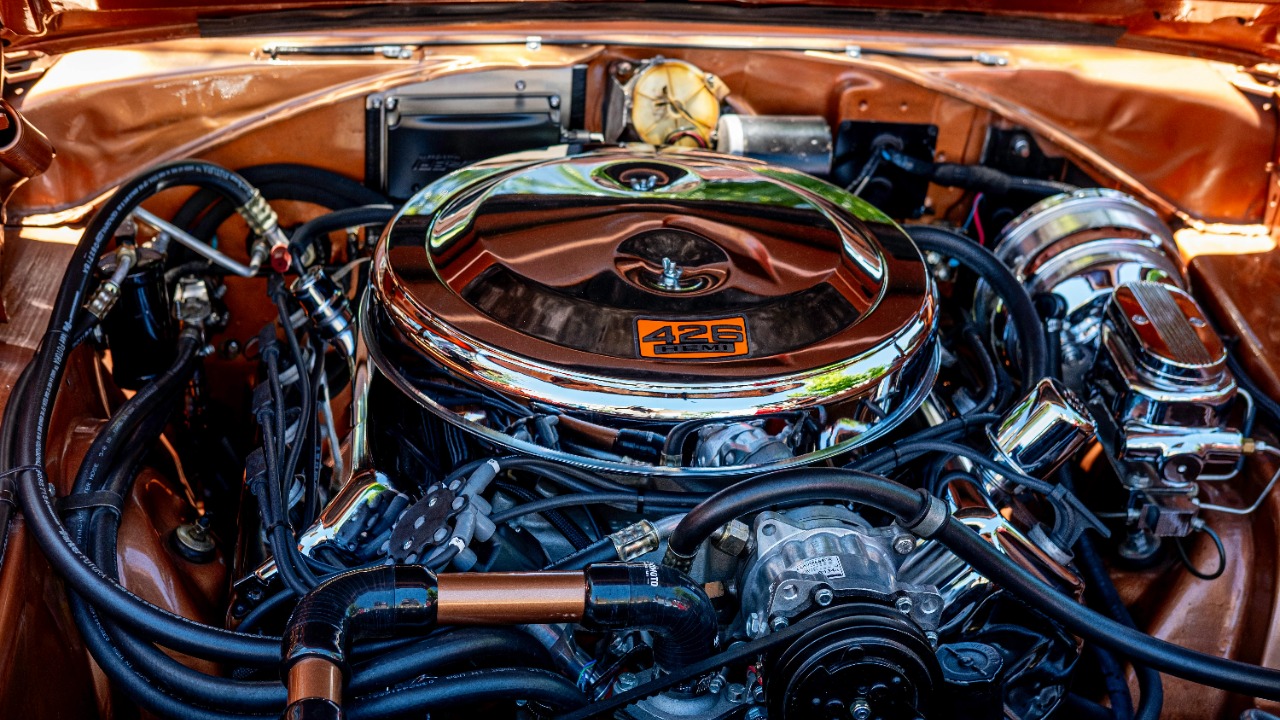
Collector focused reporting also points out that engine options for the Barracuda peaked around this time, with offerings that ranged from small block street combinations to serious drag packages. One analysis notes that 1968 saw about 50 special drag race ready Barracudas fitted with Chrysler’s legendary 426 ci Hemi V8 through collaboration with factory backed programs, a tiny production run that has become a benchmark for rarity in the Mopar world 50. Against that backdrop, the more attainable Formula S 340 cars look like smart buys, offering authentic period performance without the seven figure price tags that follow the most extreme Hemi builds.
From showroom option to collector benchmark
What started as a mid level performance package has now become a reference point for the entire Barracuda market, and recent sales chatter reflects that shift. A social media feature dated Nov 3, 2025, describes how the Plymouth Barracuda Formula variants, including later 1969 cars, are now framed as the sportier siblings in the Barracuda lineup, offering sharper handling, stronger acceleration and a clearer link to Mopar muscle heritage than base models ever could Plymouth Barracuda Formula. That perception feeds directly into auction results, where Formula S cars with original drivetrains and documentation routinely outpace comparable non S examples.
The broader production story also helps explain why demand has intensified. Historical summaries note that Production ended ten years (to the day) after it had begun, and Although today they are sought after collector cars, the third generation and high performance versions of the Plymouth Cuda were not always treated as future investments when new Production. That relatively short production window, combined with the attrition that comes from decades of hard use, means surviving Formula S cars now represent a small and shrinking slice of the overall Barracuda population.
Why the Formula S keeps climbing
Looking across the reporting, I see three forces driving the Formula S surge: historical significance, driving character and scarcity. Historical overviews of the Plymouth Barracuda highlight how the model was the first pony car, debuting 16 days before Ford’s Mustang, and how later Plymouth Barracuda Highlights track the way performance options evolved across the nameplate’s life Plymouth Barracuda Highlights. Within that arc, the Formula S stands out as the moment when Plymouth fully committed to the performance side of the equation, rather than treating speed as an afterthought.
At the same time, individual survivor stories keep the car in the spotlight. A feature on a well preserved 1966 Formula S, tied to the Feb magazine appearance mentioned earlier, shows how a single car can embody decades of enthusiast care and how that continuity appeals to buyers who want more than just a VIN and a paint code Barracuda. When I put those narratives alongside the broader market data, the pattern is clear: the Plymouth Barracuda Formula S has moved from niche curiosity to collector hit because it delivers a rare mix of origin story, real world performance and tangible, documented history that few other pony cars can match.
More from Fast Lane Only