When Ford’s SVT team dropped the 2003–2004 Cobra on the market, it was clear this wasn’t another Mustang with stripes and a spoiler. Nicknamed the “Terminator,” it brought real muscle to the modular V8 game, backed by a factory blower, forged internals, and numbers that embarrassed its V8 rivals. Here are 10 reasons why the Terminator Cobra reshaped what people expected from a Mustang—and why it still matters today.
A Factory Supercharger Changed the Game
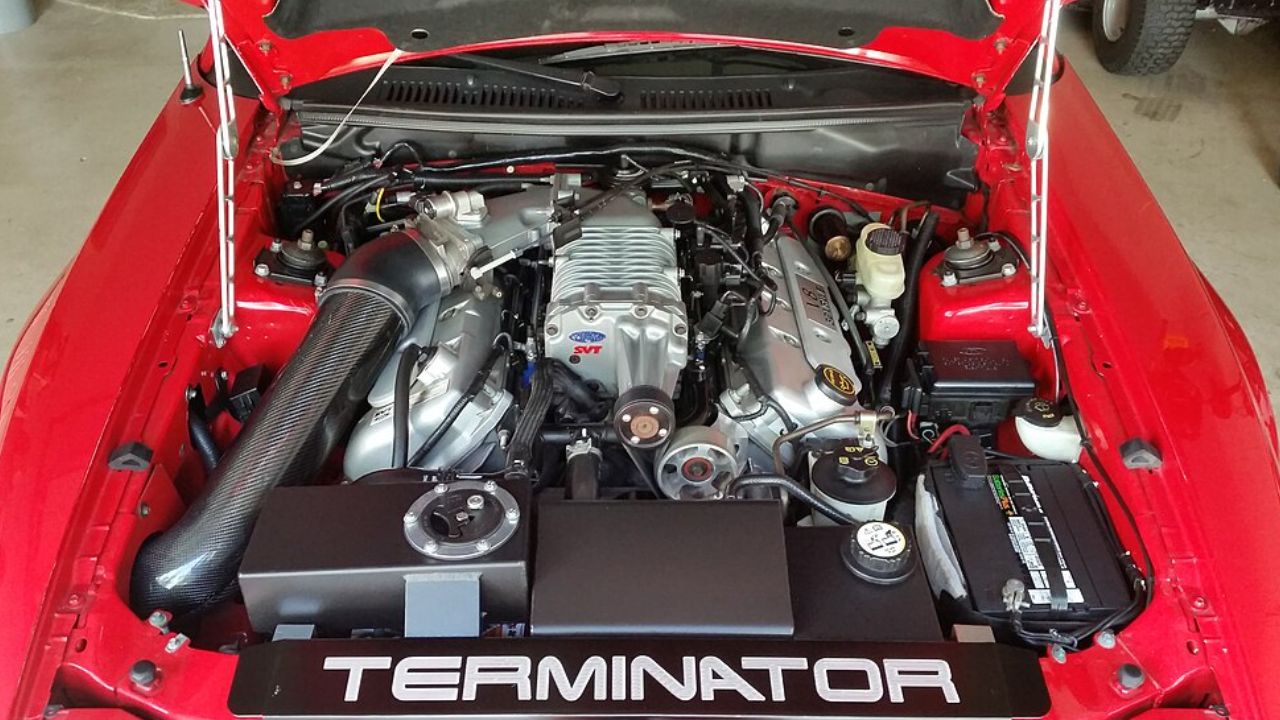
The Terminator Cobra’s centerpiece was its Eaton M112 roots-style supercharger, factory-installed and warranty-backed. Mounted atop a 4.6-liter DOHC V8, it helped deliver 390 hp and 390 lb-ft of torque. Real-world dyno results, however, often showed closer to 420 hp at the crank.
Before the Terminator, a supercharged Mustang meant aftermarket work. This was the first time Ford sold one right off the lot with boost and forged internals, making it a serious player in the muscle car world. It wasn’t just fast—it had the parts to survive being fast.
Forged Internals Meant It Was Built to Last
SVT didn’t just add a blower and call it a day. The Terminator’s engine block was cast-iron instead of aluminum, and it used forged Manley connecting rods, forged pistons, and a forged steel crankshaft. It was a stout setup designed to take abuse.
With the right tuning and pulley swap, these motors routinely pushed 500+ hp without flinching. Ford gave the Terminator real headroom, and tuners took full advantage. It marked a shift from “just enough” performance to a truly overbuilt powerplant.
The T56 Manual Brought Real Gearing
To handle all that torque, the Terminator Cobra used a Tremec T56 six-speed manual transmission, the same basic box found in the Corvette Z06 and Viper of the era. It was a serious upgrade over the weaker five-speed in earlier Cobras.
Ratios were tight, shifts were mechanical, and the gearbox could take real punishment. Ford didn’t sandbag the drivetrain—this was a complete performance setup that made the most of what the engine could do. It gave the car a confident, planted feel under full throttle.
Independent Rear Suspension Changed the Feel
Unlike the solid axle found in every Mustang GT of the era, the Terminator Cobra used an independent rear suspension (IRS). It made the car more composed in corners and less skittish over bumps, especially on uneven roads.
It wasn’t perfect—the IRS could wheel-hop under hard launches—but it offered a smoother ride and better grip in daily driving. More importantly, it showed Ford was willing to do something different for performance. It laid the groundwork for the IRS in the S550 cars years later.
Real-World Performance Surprised Everyone

On paper, the Terminator made 390 hp, but magazines consistently ran 0–60 mph in 4.5 seconds and quarter-miles in the high 12s at over 110 mph. That was Corvette and M3 territory in 2003—at Mustang prices.
What made it stand out was how easily it handled more power. With basic bolt-ons—pulley, tune, intake, exhaust—it jumped into the 500-hp club and ran mid-11s. It turned Mustang tuning from casual to serious business almost overnight.
It Looked Like Business
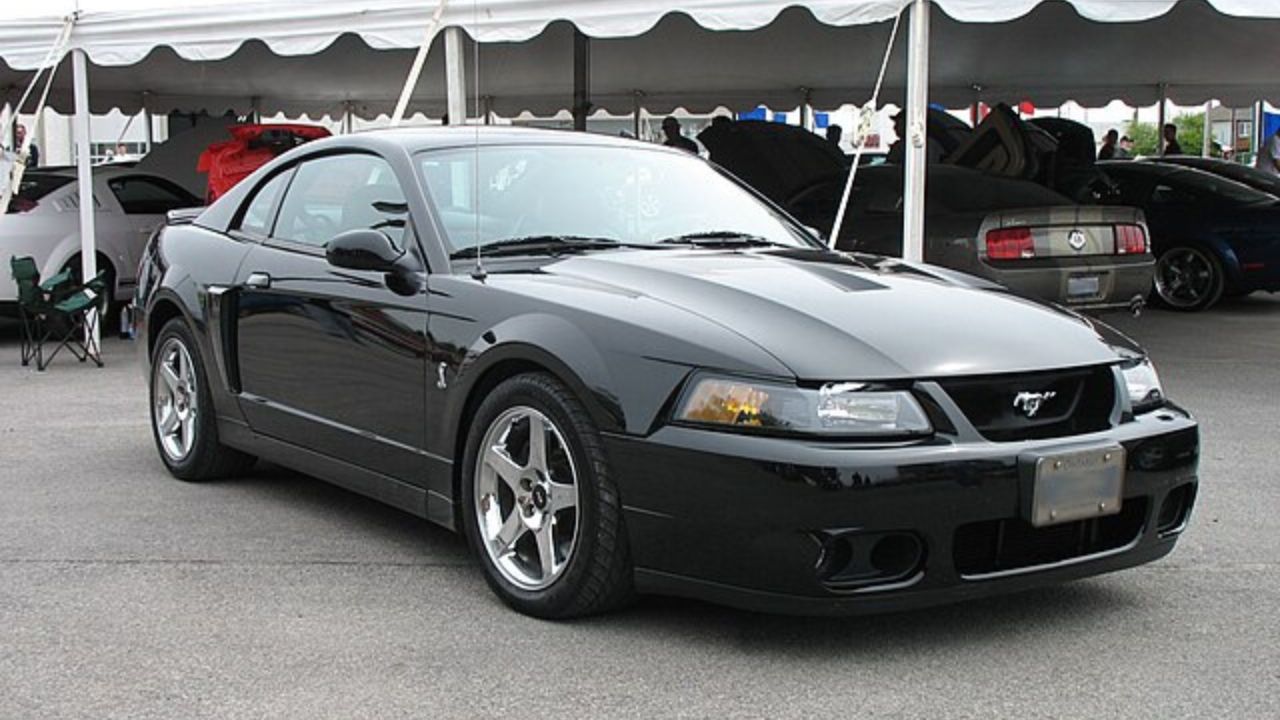
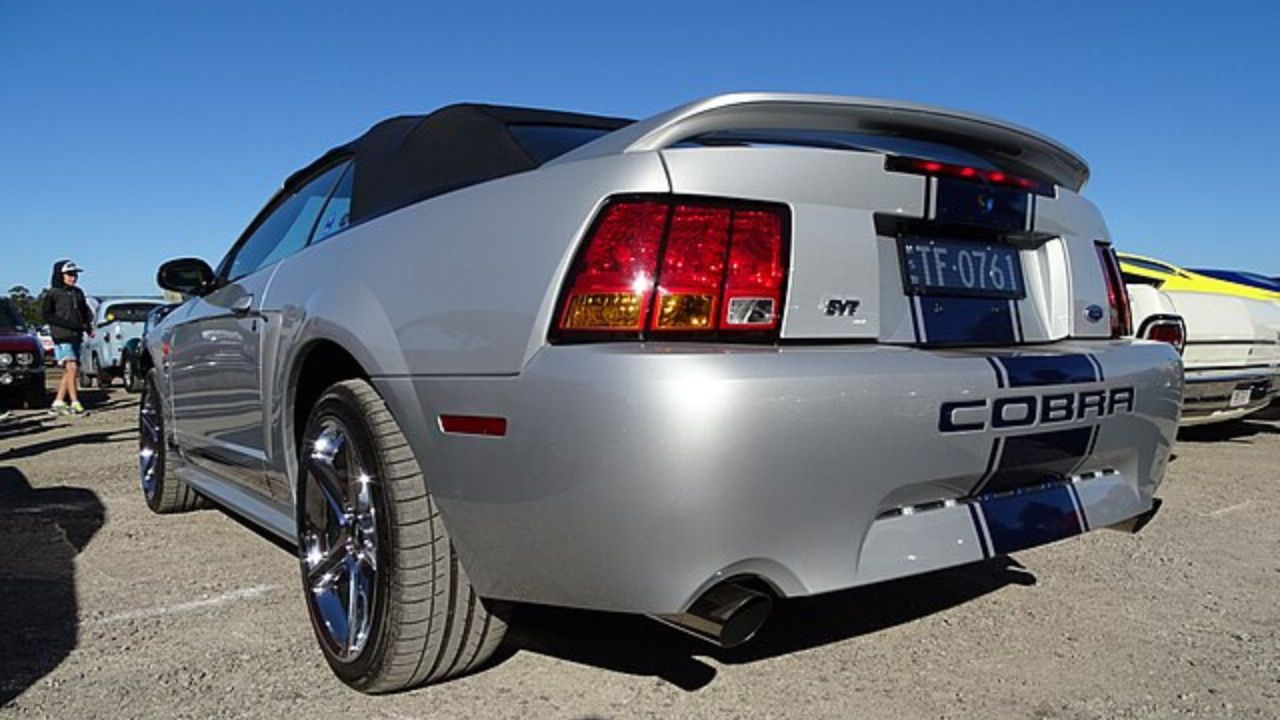
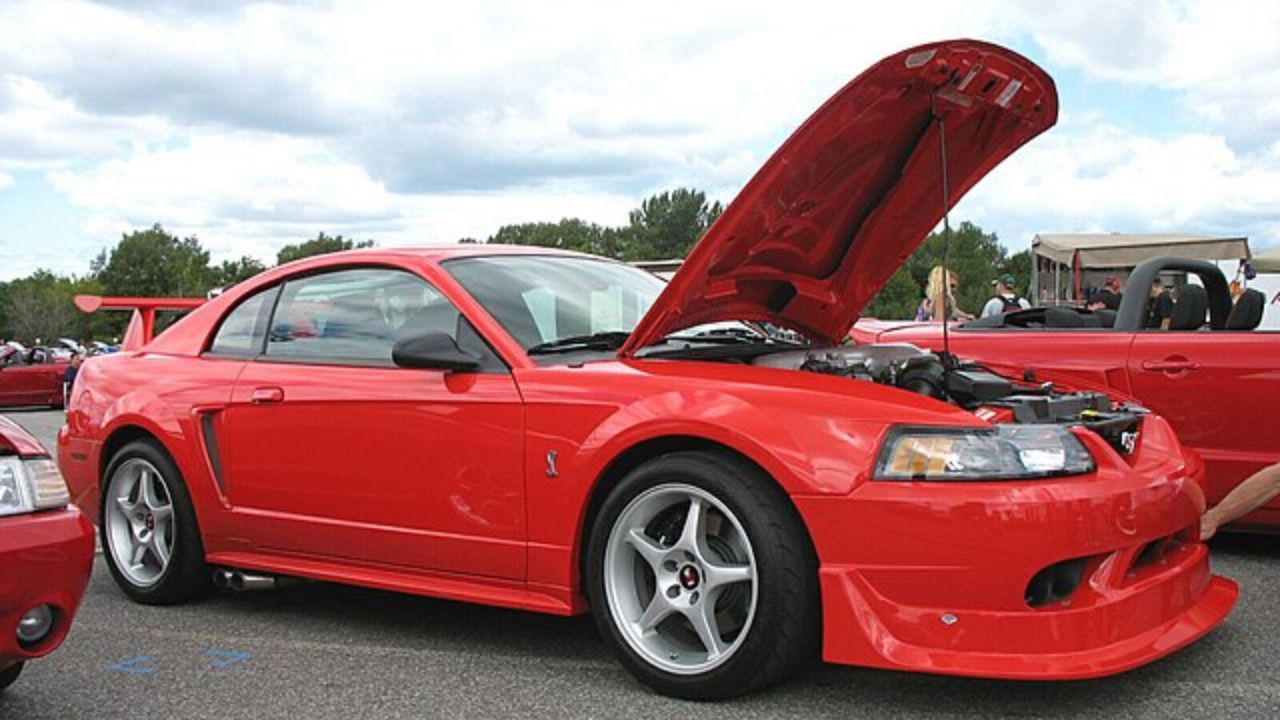
The Terminator wasn’t wild on the outside, but it had a purpose-built look. A vented hood, chunky front fascia, and quad exhaust gave it subtle aggression. The stance was lower, the wheels were 17-inch five-spokes, and the rear bumper said “COBRA” in block letters.
It didn’t need flares or stripes to stand out. The styling reflected the car’s performance: serious, not showy. And with colors like Sonic Blue and Mystichrome, it had just enough flash to get noticed without trying too hard.
The Interior Was a Step Up
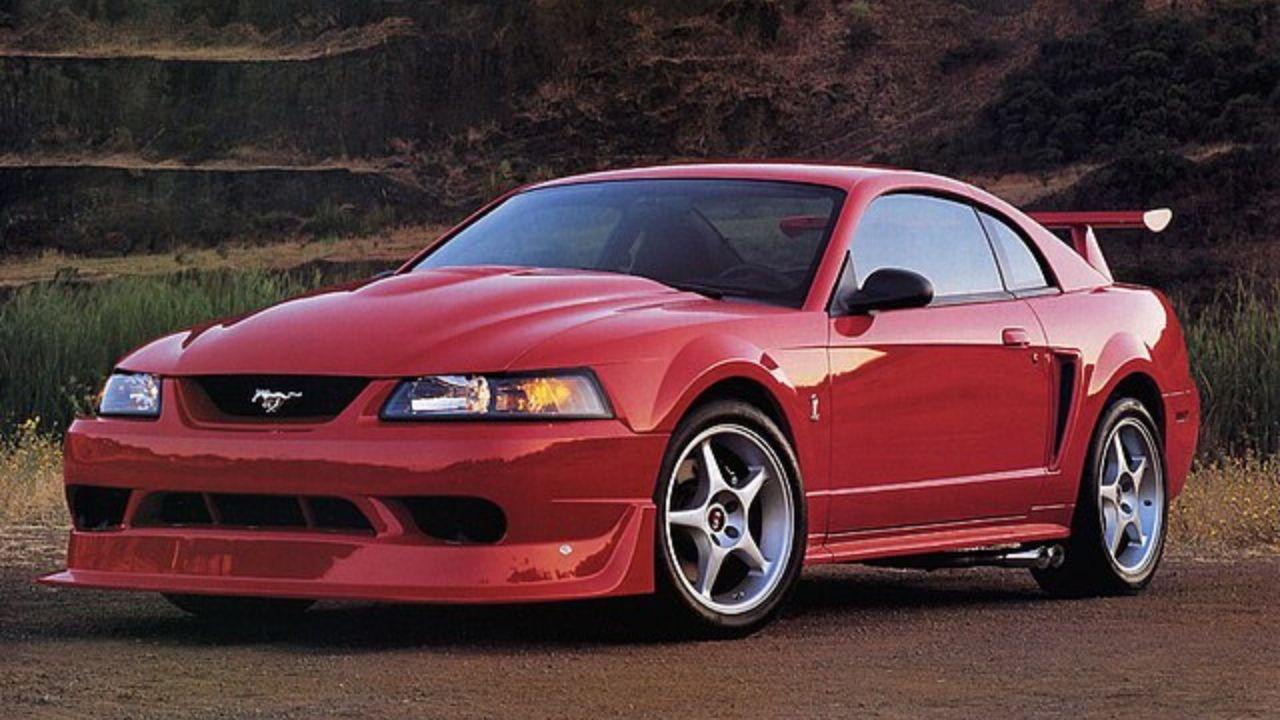
Inside, the Cobra offered bolstered leather seats with suede inserts, a proper boost gauge, and aluminum pedals. It wasn’t luxurious, but it felt better built than earlier SN95s and had features like a 6-disc CD changer and optional Mach 460 sound system.
It still had a liveable layout and enough room for real adults up front. The cabin wasn’t flashy, but it didn’t feel cheap—and it held up better than most of its peers. For buyers in the early 2000s, it felt like a major step forward in quality.
The Mystichrome Package Turned Heads
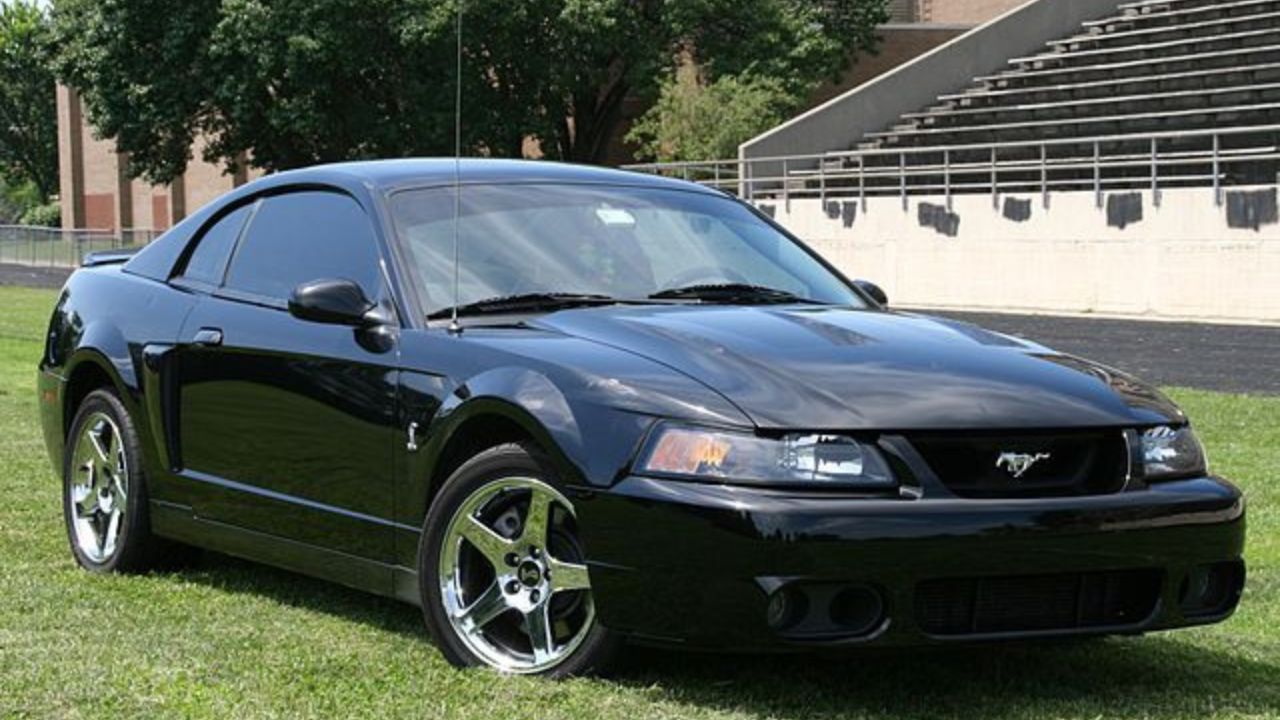
For 2004 only, Ford offered a limited-run Mystichrome paint package that changed color based on the light—shifting from green to purple to blue. Just 1,010 units were built, and each came with color-shifting leather inserts to match.
It was an expensive option, but it added a collector twist to an already fast car. These models are now among the most sought-after Terminators, often commanding premium prices. It showed that Ford wasn’t afraid to mix performance with flair when it counted.
It Closed Out the SVT Cobra Era
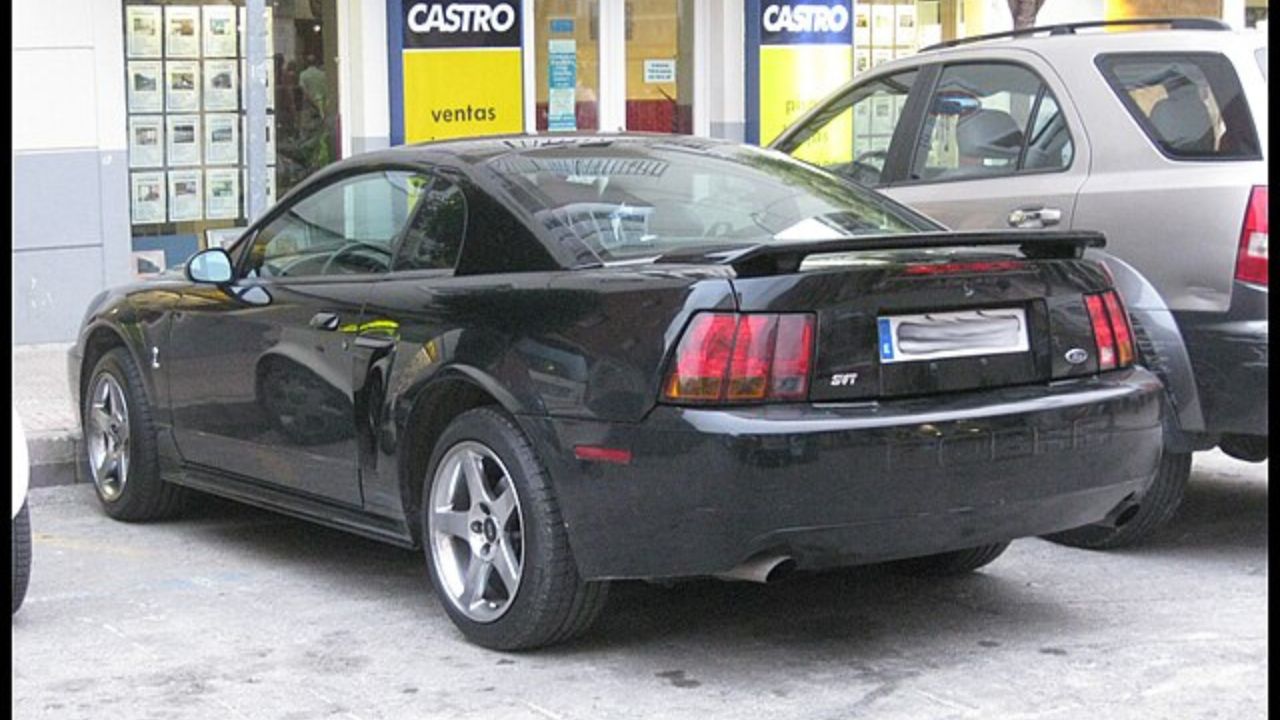
The 2003–2004 Cobra marked the end of SVT’s Mustang dominance before the GT500 name returned in 2007. It was the last Mustang Cobra with direct SVT input and the only one with a factory supercharger during the SN95/New Edge era.
It left on a high note—fast, durable, and tunable. Enthusiasts knew it at the time, and that’s why these cars hold their value and status today. It wasn’t just a great Mustang—it was one of Ford’s best factory performance builds, period.
Today, It’s a Modern Classic

With clean examples regularly fetching $30,000–$50,000, the Terminator Cobra has fully entered modern classic territory. It’s fast enough to hang with today’s muscle, simple enough to work on, and rare enough to stay desirable.
More than anything, it showed what Ford could do when they built a Mustang for real drivers. It redefined expectations—not just for Mustangs, but for American muscle altogether. And that’s why the Terminator still matters.
Like Fast Lane Only’s content? Be sure to follow us.
Here’s more from us:
*Created with AI assistance and editor review.