Classic cars often conjure images of sleek lines and roaring engines, but not all vintage vehicles enjoy a thriving market. Some models, despite their unique place in automotive history, struggle to find buyers. Here’s a look at nine classic cars that, for various reasons, have fallen out of favor with collectors and enthusiasts alike.
AMC Pacer
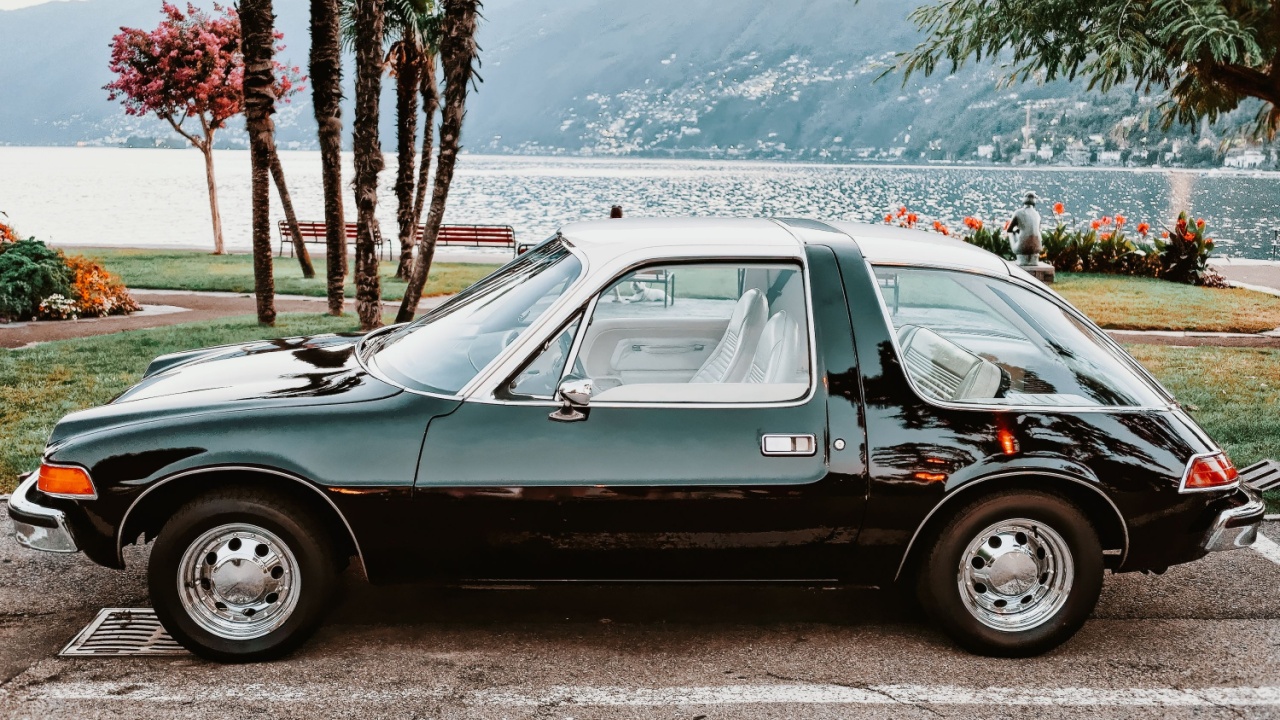
The AMC Pacer, introduced in the mid-1970s, was touted as a revolutionary design with its wide stance and large glass area. Unfortunately, its unconventional look and mediocre performance led to a lack of enthusiasm. The combination of a heavy body and a relatively weak engine made it underwhelming in terms of performance. While it has a quirky charm, the Pacer is often remembered more for its pop culture appearances than its prowess on the road.
Despite its notoriety, the Pacer has struggled to gain traction in the classic car market. Collectors often pass over it in favor of more performance-oriented or stylish options. Its unique appearance and limited fan base mean it remains a tough sell, even for those looking to relive the era.
Ford Pinto
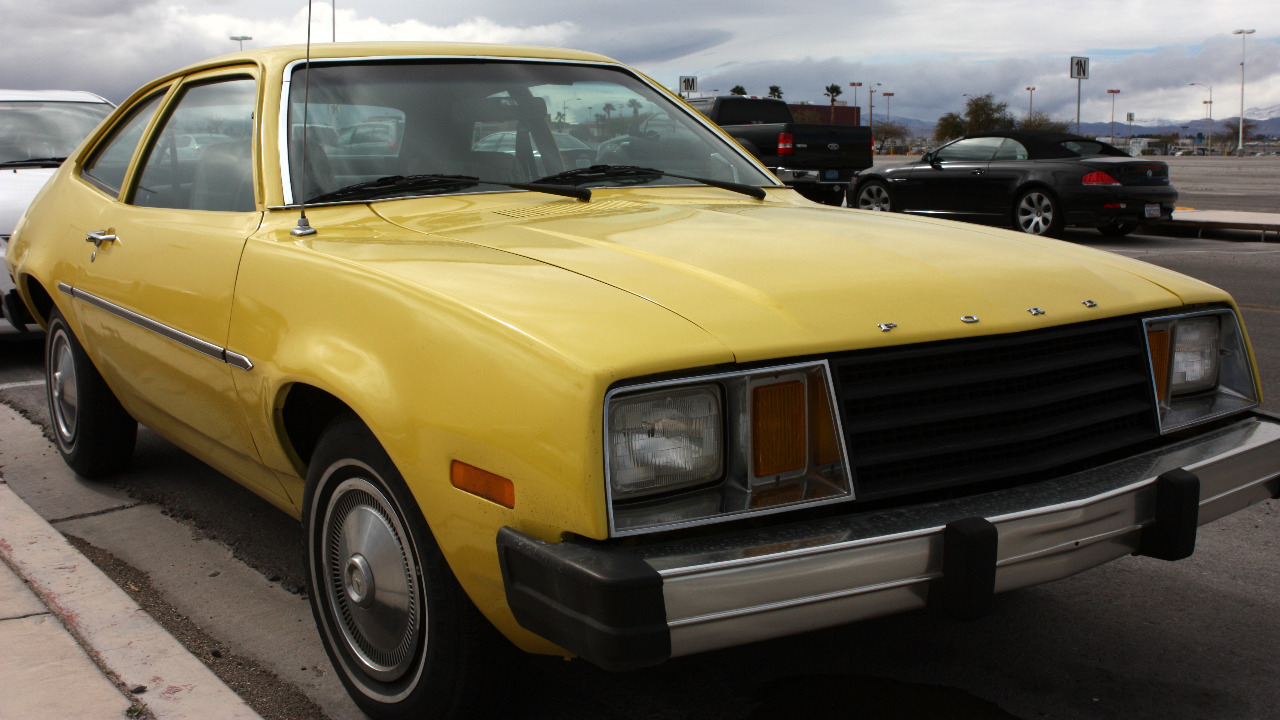
The Ford Pinto is infamous for its safety issues, particularly the controversy over its rear fuel-tank design that led to deadly fires in rear-end collisions. Introduced in the early 1970s, the Pinto’s reputation suffered due to these safety concerns, overshadowing its initial popularity as an affordable compact car.
While early models can still be found at car shows, the Pinto’s legacy makes it a hard sell for collectors. The stigma of its safety record continues to affect its marketability, and many buyers are hesitant to invest in a car with such a controversial past.
Yugo GV
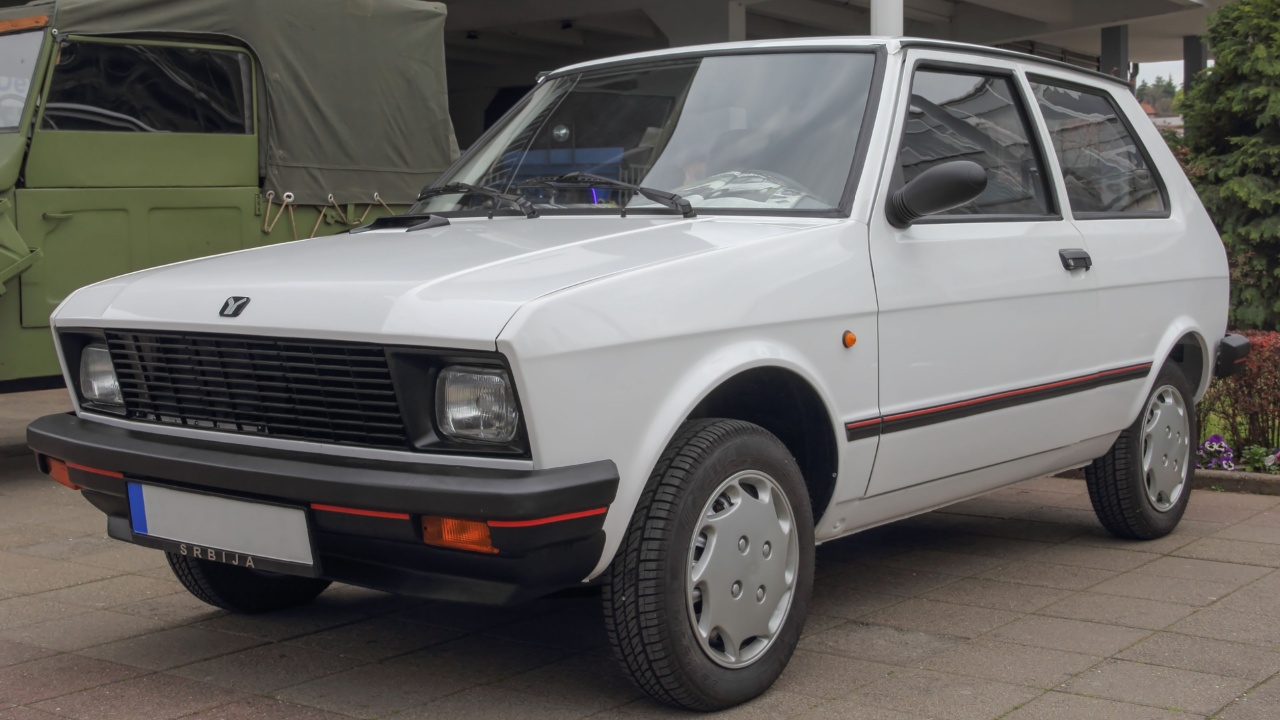
The Yugo GV, imported from Yugoslavia in the 1980s, was marketed as an affordable, no-frills vehicle. However, it quickly became known for its poor build quality and frequent mechanical issues. Despite its low price point, the Yugo struggled to maintain a positive reputation and was soon seen as the epitome of cheap and unreliable cars.
Collectors typically shy away from the Yugo GV due to its reputation and lack of distinctive features. While it has a certain kitsch appeal for some, the majority of classic car buyers prefer more reliable and better-performing vehicles from the same era.
Chevrolet Corvair

The Chevrolet Corvair, produced from 1960 to 1969, was notable for its rear-engine design. However, it became embroiled in controversy after Ralph Nader’s book “Unsafe at Any Speed” criticized its handling and safety. This negative publicity led to a decline in sales and a lasting impact on its reputation.
Although some enthusiasts appreciate the Corvair for its unique engineering and design, it remains a niche interest. Its safety concerns and the stigma attached to it have led to its exclusion from many collectors’ wish lists, making it a less popular choice in the classic car market.
Triumph TR7
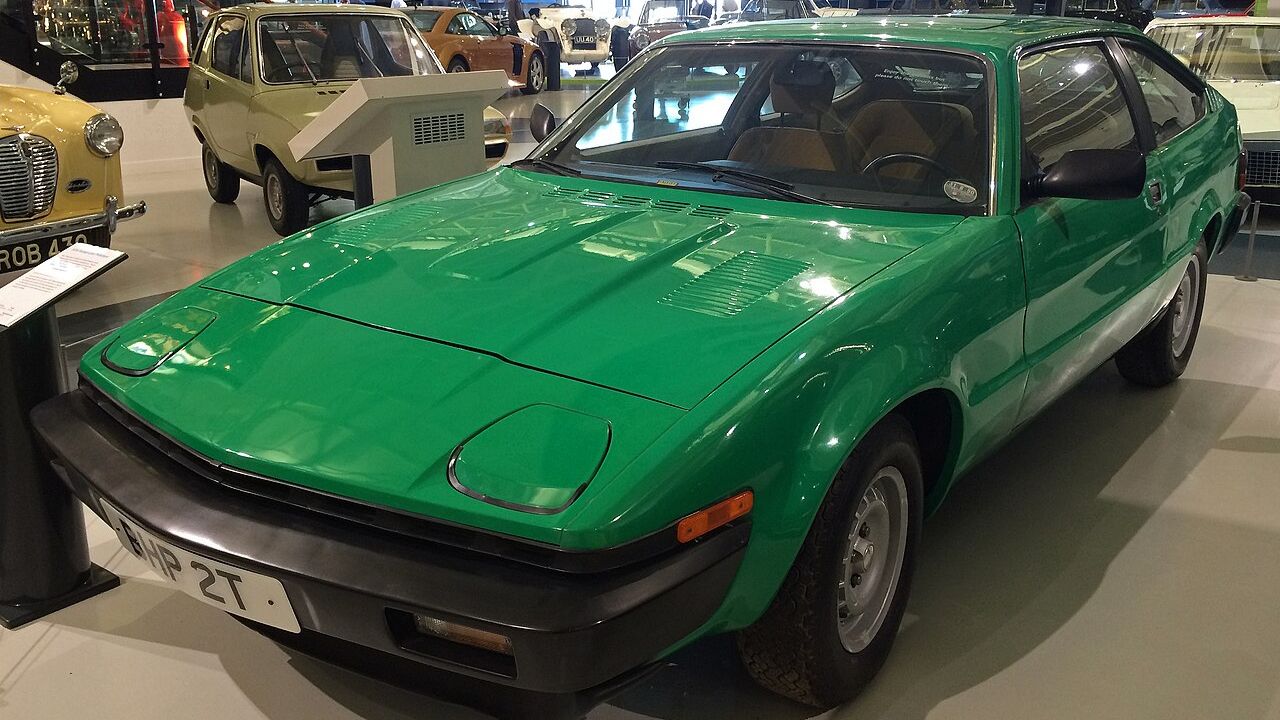
The Triumph TR7, launched in the 1970s, was initially well-received for its wedge-shaped design. However, issues with build quality and reliability plagued the model throughout its production. This, combined with competition from other sports cars, led to its decline in popularity.
Today, the TR7 is often overshadowed by its more successful predecessors, like the TR6. Collectors remain wary due to its mechanical issues and lackluster performance, resulting in limited interest and sales within the classic car community.
Cadillac Cimarron
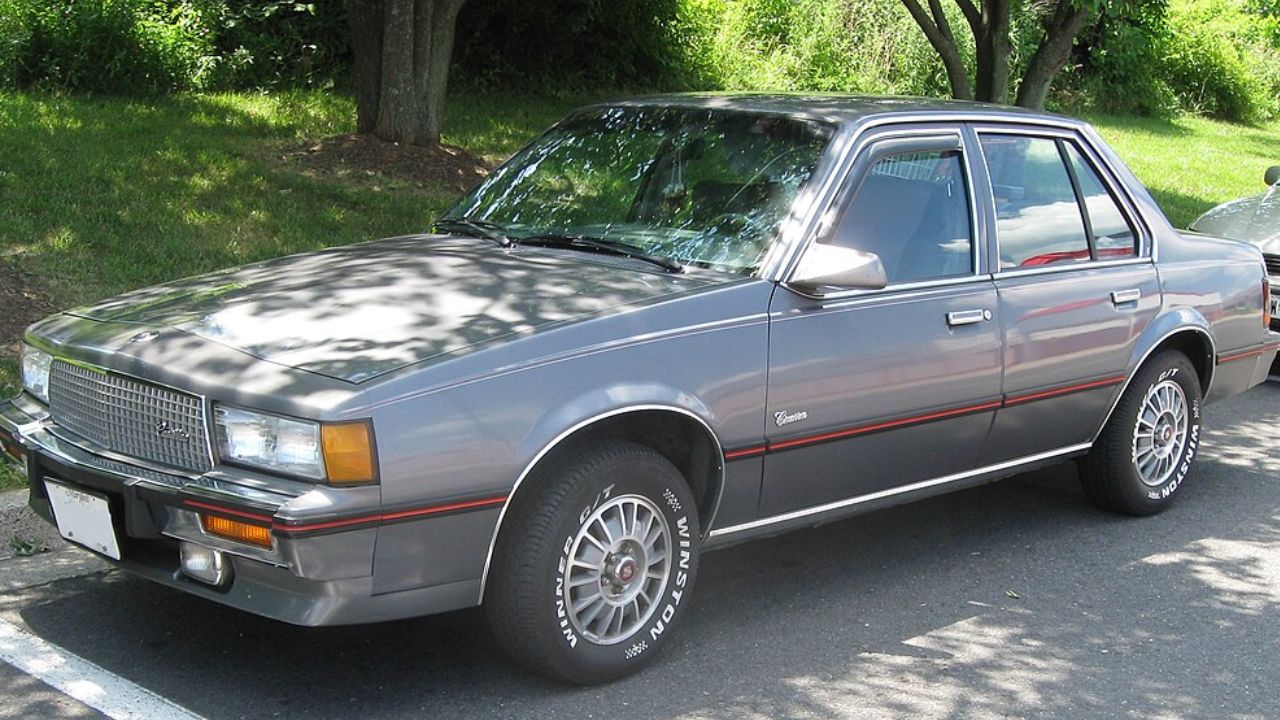
The Cadillac Cimarron, introduced in the 1980s, was a bold attempt to enter the compact luxury car market. Unfortunately, it failed to deliver the luxury experience Cadillac buyers expected, as it was essentially a rebranded Chevrolet Cavalier with a higher price tag.
This misstep in branding and execution led to the Cimarron being viewed as one of Cadillac’s biggest blunders. Its lack of distinctive features and failure to meet luxury standards make it a tough sell for collectors, who often seek out more iconic and successful models.
DeLorean DMC-12
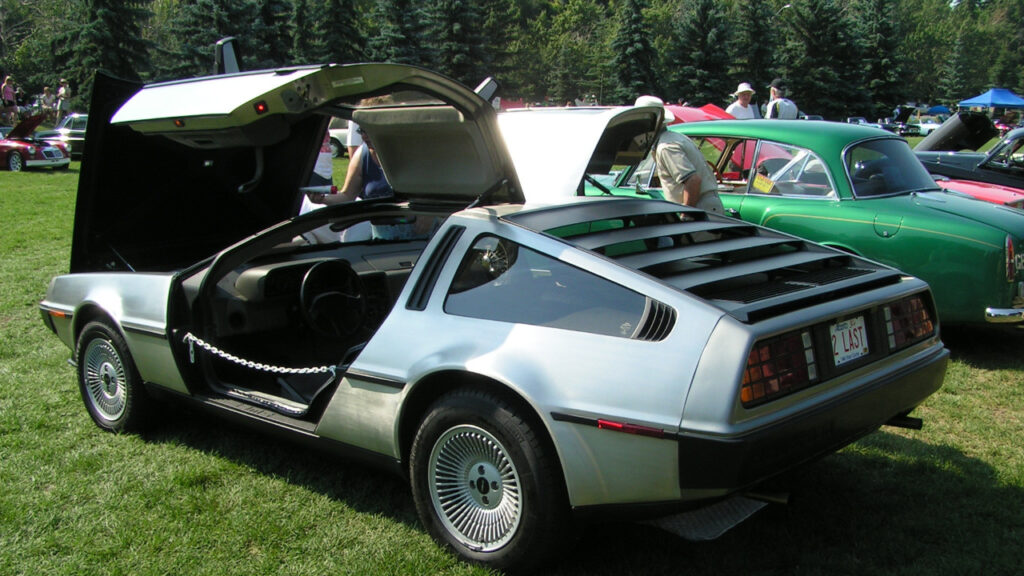
The DeLorean DMC-12 is a classic example of a car more famous for its cultural impact than its automotive credentials. Known primarily for its starring role in the “Back to the Future” movies, the DeLorean’s stainless steel body and gull-wing doors are iconic. However, its performance and production issues have kept it from being a popular choice among serious collectors.
While it certainly has a place in pop culture history, the DeLorean’s mechanical issues and inconsistent production quality often deter classic car buyers looking for reliability and performance. Its niche appeal limits its market despite its fame.
Bricklin SV-1
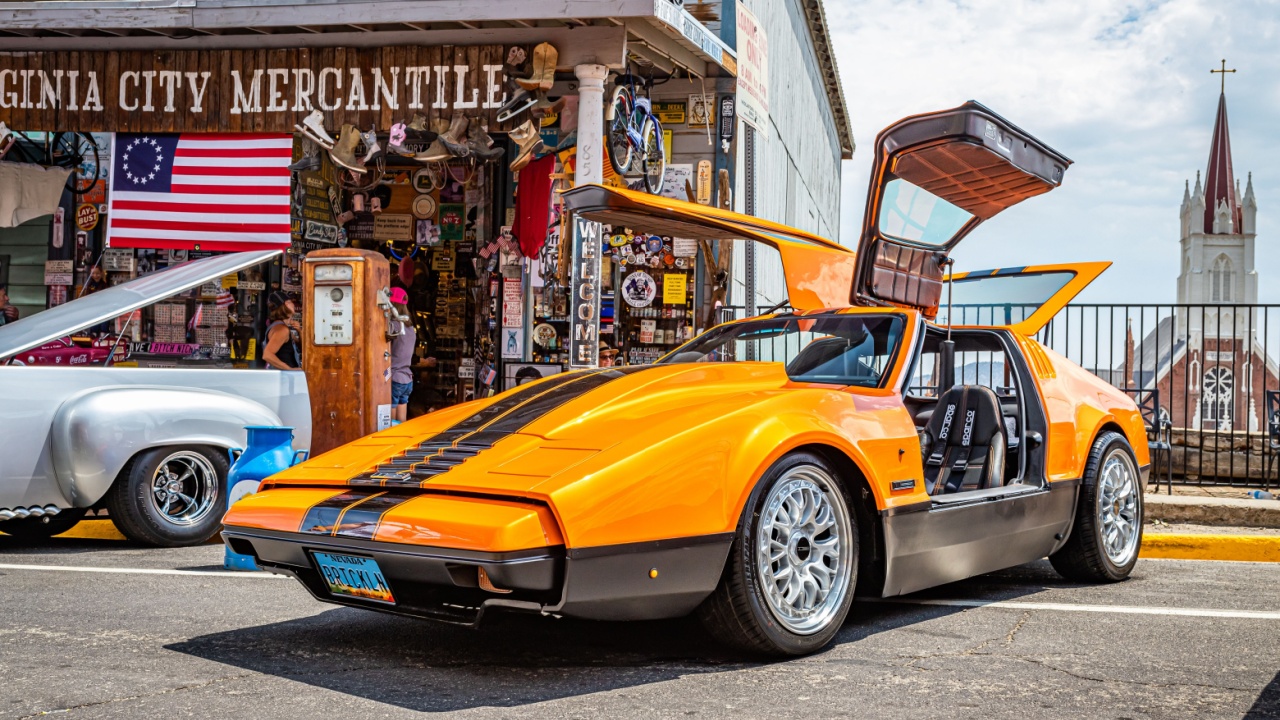
The Bricklin SV-1, produced in the mid-1970s, was designed to be a safe and innovative sports car. Unfortunately, the reality didn’t live up to the vision. The SV-1 was plagued by production delays, quality issues, and a high price tag, which ultimately led to its failure in the market.
Despite its unique design and ambitious goals, the Bricklin SV-1 remains a curiosity rather than a sought-after classic. Collectors often bypass it due to its limited production run and lack of widespread appeal, making it a challenging sell in the classic car market.
Renault Alliance
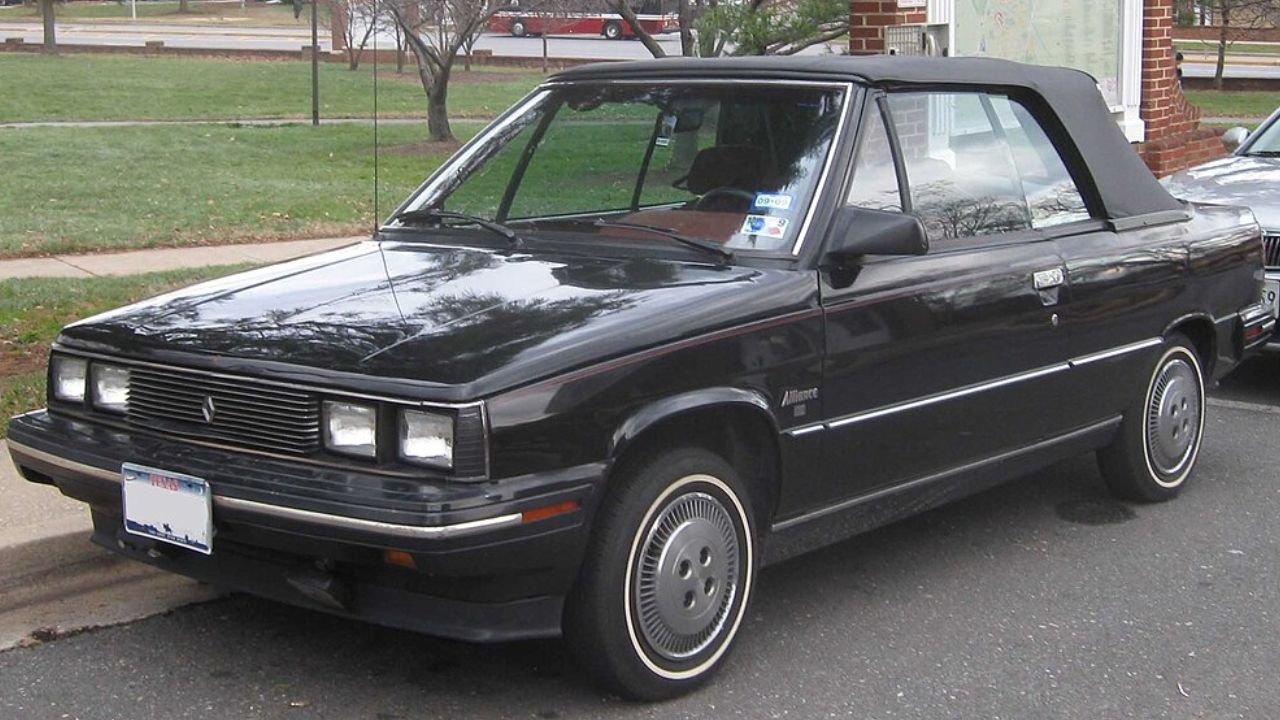
The Renault Alliance, introduced in the 1980s as a joint venture between American Motors Corporation and Renault, was initially praised for its fuel efficiency and European styling. However, it quickly gained a reputation for poor build quality and frequent mechanical problems.
While it was named the 1983 Motor Trend Car of the Year, the Alliance failed to maintain its initial promise. Enthusiasts and collectors often overlook it due to its reliability issues and lack of distinctive characteristics, resulting in low demand and limited interest in the classic car community.
Like Fast Lane Only’s content? Be sure to follow us.
Here’s more from us:
*Created with AI assistance and editor review.