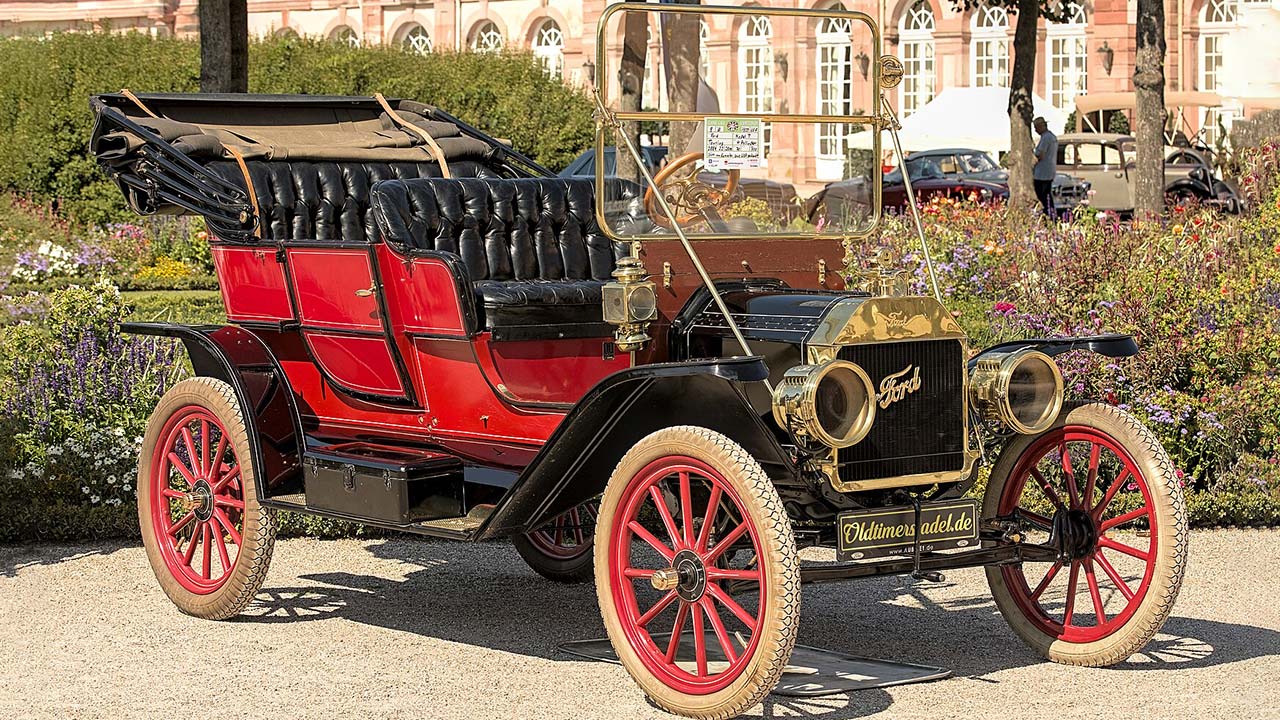
Maintaining wooden wheels and antique trim is essential for preserving the charm and functionality of vintage vehicles and furniture. Ensuring these timeless pieces remain in excellent condition for years to come involves employing effective maintenance techniques and understanding the unique characteristics of the materials involved. Whether you’re a vintage car enthusiast or a collector of antique furniture, following the right practices is key to preserving their beauty and functionality.
Understanding Wooden Wheels and Antique Trim
Wooden wheels have a rich history, dating back to ancient civilizations where they were primarily used in chariots and carts. Over time, their design evolved, becoming more sophisticated with the advent of the automobile. For instance, the 1909 Ford Model T utilized wooden wheels, which were crucial for the vehicle’s performance and aesthetic appeal. The significance of antique trim lies in its ability to enhance the visual appeal of furniture and vehicles, adding a touch of elegance and historical authenticity. This trim often features intricate carvings and designs that reflect the period in which they were created, making them invaluable to collectors and history enthusiasts.
Common types of wood used in wheels and trim include oak, ash, and hickory. Each type of wood offers distinct characteristics; for example, oak is known for its durability and strength, making it ideal for heavy-duty applications like wheels. Hickory, used in the wheels of the 1910 Cadillac Model 30, is prized for its flexibility and shock resistance, which are crucial for absorbing road impacts. While these woods are robust, they have drawbacks, such as susceptibility to moisture and insect damage, highlighting the importance of regular maintenance and protection.
Routine Maintenance Practices
Proper cleaning is essential to prevent damage to wooden wheels and trim. Using the right cleaning agents and tools can make a significant difference. For instance, a mild soap solution and a soft cloth are recommended to gently remove dirt and grime without scratching the surface. Avoid using harsh chemicals or abrasive materials that can strip away protective coatings or damage the wood. A step-by-step cleaning process should start with dusting the surface, followed by applying the cleaning solution with a soft cloth, and finally, drying the wood thoroughly to prevent moisture damage.
Regular inspection and assessment are crucial for identifying signs of wear and damage. Wooden wheels, like those on a 1925 Rolls-Royce Phantom I, can develop cracks, splits, or warping over time. Common indicators of deterioration include discoloration, soft spots, or a musty odor, which can suggest underlying moisture or rot issues. It’s advisable to conduct inspections every six months and seek professional assessments annually to ensure any necessary repairs are made promptly, preventing further damage.
Repair and Restoration Techniques
Addressing common issues in wooden wheels requires a careful and methodical approach. Cracks and splits can often be repaired using wood glue or epoxy resin, which provides a strong bond that restores the wheel’s structural integrity. For missing or damaged spokes, replacement may be necessary. It’s crucial to match the wood type and dimension of the original spokes to maintain the wheel’s balance and performance.
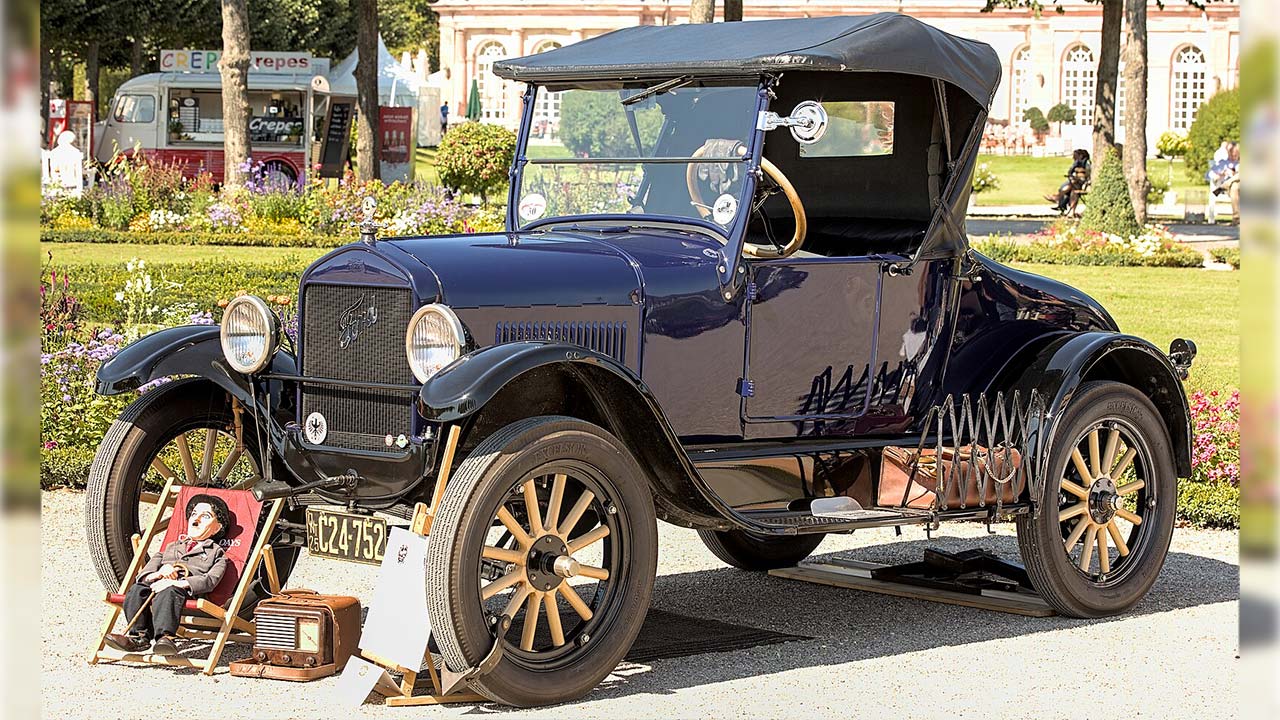
Restoring antique trim to its original glory involves several steps, including stripping old finishes and applying new ones. Techniques such as chemical strippers and sanding are effective for removing outdated coatings and preparing the wood for refinishing. Refinishing methods should aim to match the original style, whether it’s a glossy lacquer or a matte wax finish. This attention to detail ensures that the restored piece retains its historical value and aesthetic appeal.
Protection and Preservation Strategies
Applying protective coatings and treatments is vital for extending the lifespan of wooden wheels and trim. Varnishes, oils, and waxes each offer different benefits; varnishes provide a hard, durable finish that resists scratches and moisture, while oils penetrate the wood to enhance its natural beauty and provide a protective barrier. Waxes offer a softer, more lustrous finish that can be buffed to a shine. Choosing the right product depends on the specific needs of the wood and the desired finish.
Environmental factors, such as humidity and temperature, can significantly impact the longevity of wood. High humidity levels can cause wood to swell and warp, while low levels can lead to cracking and drying out. Vehicles like the 1947 Chrysler Town & Country, which feature extensive wooden elements, require careful storage solutions to minimize these risks. Keeping them in a climate-controlled environment with stable temperature and humidity levels is ideal for preserving their condition.
Resources and Professional Help
Finding skilled craftsmen for specialized work is essential when dealing with complex repairs or restorations. When choosing a reputable restorer, consider their experience, portfolio, and customer reviews. Professional maintenance services offer numerous benefits, including access to specialized tools and expertise that ensure high-quality results and preserve the piece’s historical significance.
For DIY enthusiasts, a wealth of resources is available to guide them through maintenance and restoration projects. Books, online guides, and workshops provide valuable information and step-by-step instructions. Community forums and support networks, such as those dedicated to the 1950s Chevrolet Bel Air enthusiasts, offer a platform for sharing experiences, tips, and advice, creating a supportive environment for vintage enthusiasts to connect and learn from one another.
Like Fast Lane Only’s content? Be sure to follow us.
Here’s more from us:
*Created with AI assistance and editor review.