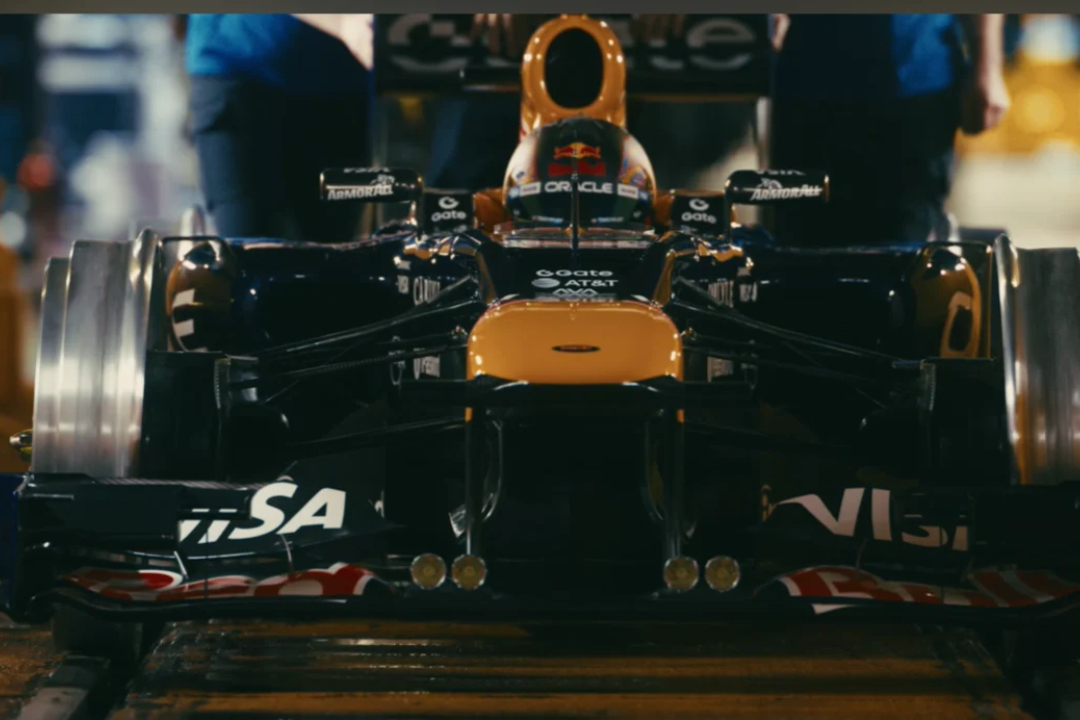
Track technology has come a long way from its early days, influencing various aspects of vehicle design and performance. One of the most significant areas of impact has been the evolution of suspension systems, where advancements in track technology have led to improved handling, comfort, and safety. This article delves into how track innovations have revolutionized suspension systems across different types of vehicles.
The Evolution of Track Technology
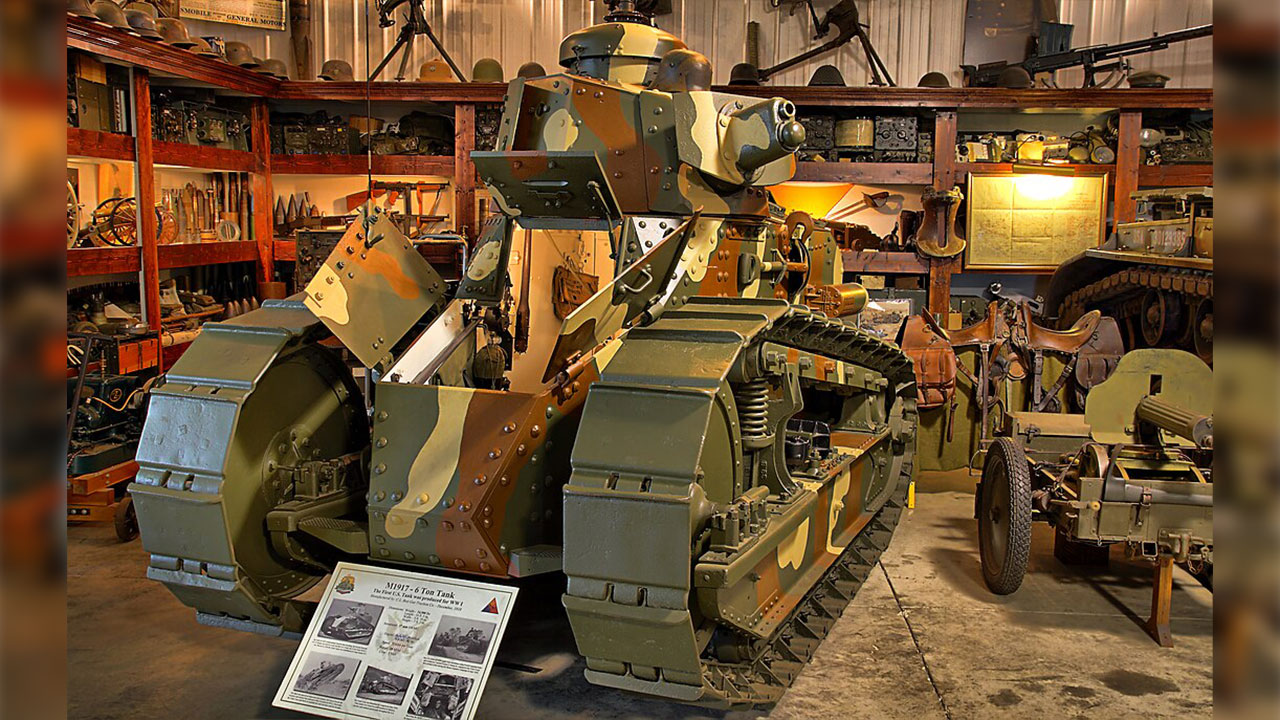
Early track systems were rudimentary, primarily designed for military and industrial applications. These systems faced significant limitations, particularly in navigating diverse terrains. The basic track designs often struggled with durability and efficiency, especially when exposed to harsh environmental conditions. The initial uses of track technology were largely confined to heavy machinery and military tanks, where the need for robust, all-terrain mobility was paramount.
Modern advancements have dramatically transformed track technology. The introduction of new materials, such as composites, has significantly enhanced the durability and performance of tracks. These materials offer superior strength-to-weight ratios, allowing for more efficient and resilient track systems. Additionally, the use of computer-aided design (CAD) has been instrumental in optimizing track layouts, enabling engineers to create more sophisticated and effective designs that cater to specific vehicle requirements.
Impact on Vehicle Dynamics

Advanced track technology has had a profound impact on vehicle dynamics, particularly in terms of traction and stability. By enhancing grip on various surfaces, modern track systems ensure that vehicles maintain optimal performance across different terrains. The science behind load distribution in these systems is crucial, as it allows for even weight distribution, reducing the risk of slippage and improving overall vehicle stability.
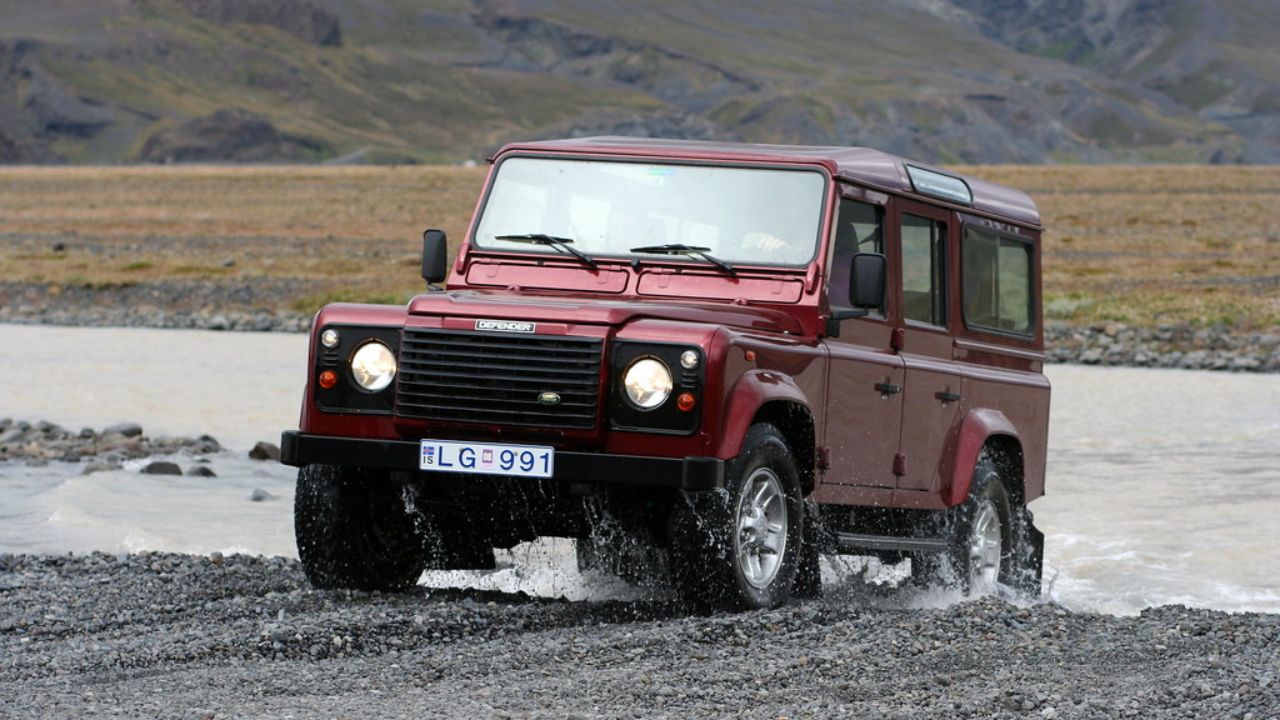
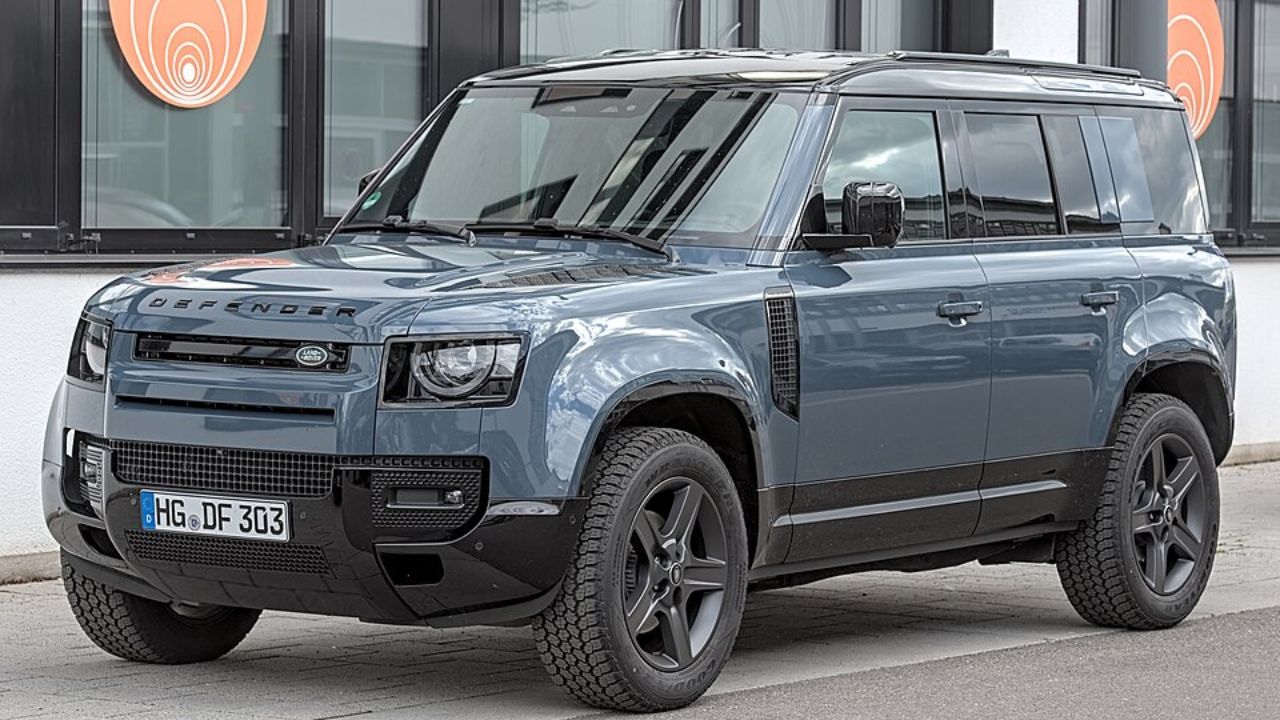
In terms of maneuverability and control, innovations in suspension systems have complemented track technology. These advancements have led to the development of vehicles that can handle more complex driving conditions with ease. For instance, the integration of advanced track systems in vehicles like the Land Rover Defender has significantly improved their off-road capabilities, making them more versatile and reliable in challenging environments.
Suspension Systems: From Traditional to Advanced
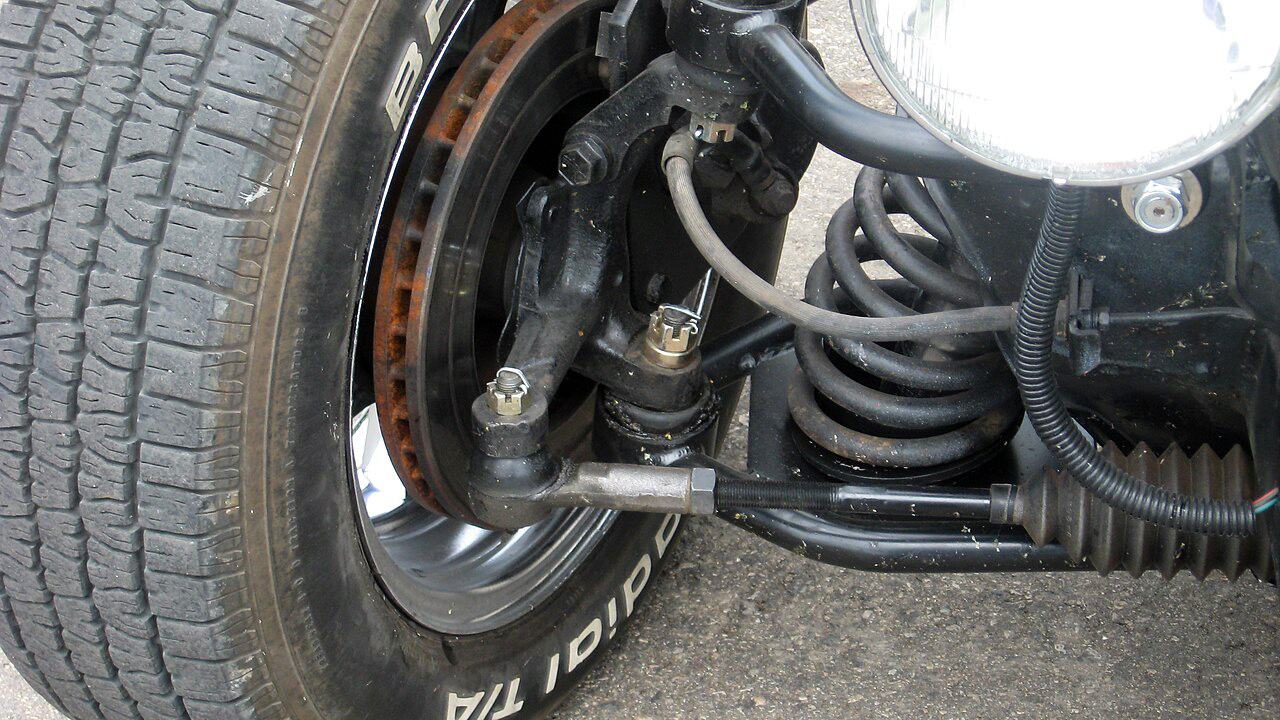
Traditional suspension technologies, such as coil springs and leaf springs, have long been the standard in vehicle design. However, these systems often fall short in high-performance scenarios, where the demands for precision and adaptability are greater. The limitations of traditional suspension systems become evident in situations requiring rapid response and adaptability to changing terrains.
The integration of track technology into modern suspension systems has led to the rise of active suspension systems. These systems rely heavily on advancements in track technology to deliver superior performance. For example, the Mercedes-Benz S-Class features an active suspension system that adjusts in real-time to road conditions, providing a smoother and more controlled ride. This hybrid approach has been successfully implemented in both commercial and military vehicles, showcasing the versatility and effectiveness of combining traditional and modern technologies.
Benefits to Various Vehicle Types
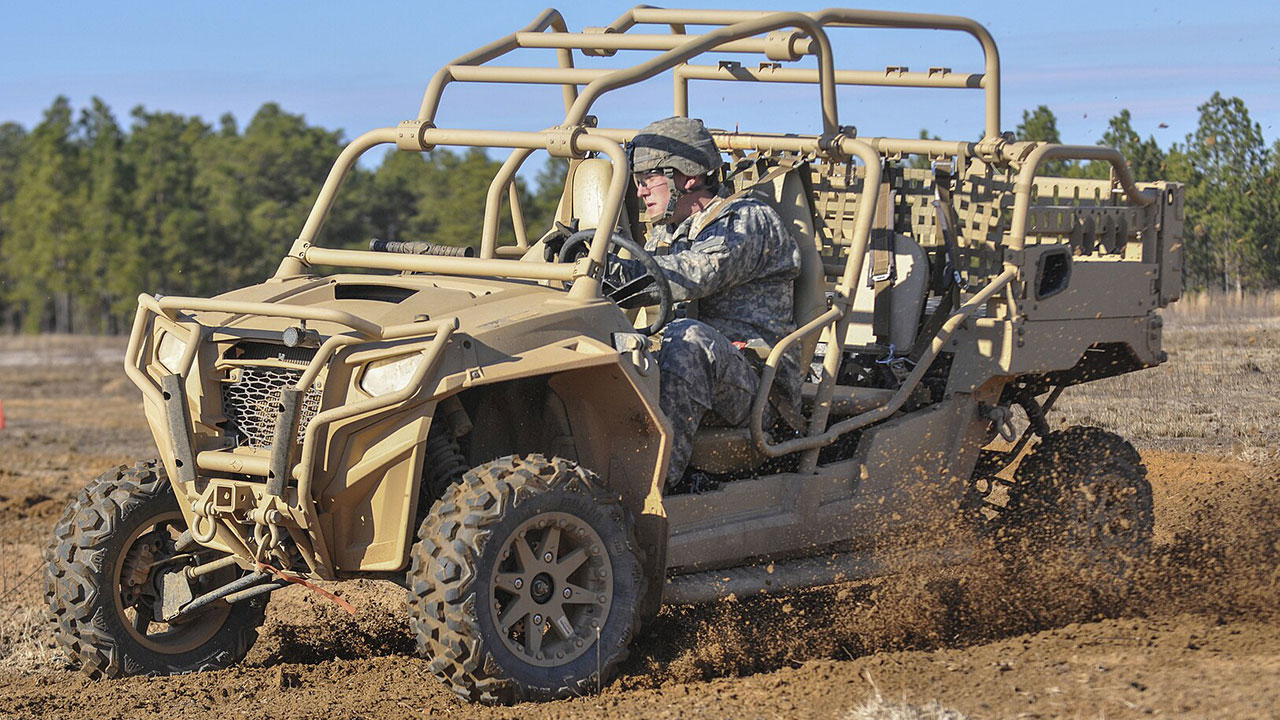
Off-road and all-terrain vehicles have greatly benefited from advancements in track technology. These improvements have enhanced the capability of vehicles designed for rugged environments, allowing them to traverse difficult terrains with greater ease. Military vehicles, such as the M1 Abrams tank, utilize advanced suspension systems to maintain stability and maneuverability in combat situations, while recreational vehicles like the Polaris RZR offer enhanced off-road performance for enthusiasts.
In agricultural and industrial applications, track technology plays a crucial role in enhancing the efficiency of farm and construction equipment. Machinery such as the John Deere 8RX tractor benefits from advanced track systems that provide better traction and reduced soil compaction, leading to more efficient farming operations. Similarly, construction equipment like the Caterpillar D11 bulldozer uses sophisticated track technology to improve performance and durability in demanding work environments.
Future Trends and Innovations
Emerging technologies in track and suspension systems are set to further revolutionize vehicle dynamics. The potential of artificial intelligence (AI) and the Internet of Things (IoT) in this field is immense, offering new possibilities for real-time data analysis and system optimization. Upcoming materials, such as advanced polymers and nanomaterials, are expected to enhance the performance and longevity of track and suspension systems, paving the way for more efficient and sustainable vehicle designs.
The integration of electric and autonomous vehicles presents new challenges and opportunities for track and suspension technology. As electric vehicles become more prevalent, the need for lightweight and efficient systems becomes increasingly important. Autonomous vehicles, with their reliance on precise control and stability, will benefit from continued advancements in track and suspension technology, ensuring they can safely and effectively navigate a wide range of environments.
Like Fast Lane Only’s content? Be sure to follow us.
Here’s more from us:
*Created with AI assistance and editor review.