Hybrids promise fuel savings and low emissions, but they’re not without their downsides. Some issues don’t show up in the brochure—and most owners won’t bring them up until it’s too late. From surprise repairs to cold-weather quirks, here are the problems hybrid drivers tend to keep quiet.
Battery Replacement Can Break the Budget
Hybrid battery packs don’t last forever, and when they fail, the sticker shock is real. While some batteries can go over 150,000 miles, replacements often cost between $2,000 and $6,000, depending on the make and model. Extended warranties help, but once those lapse, it’s all on the owner.
Many hybrid drivers don’t talk about this cost until it hits them. The battery pack is essential to the hybrid system, and unlike replacing a 12V battery, this job requires dealer-level labor and computer resets. It’s a long-term cost that many new buyers overlook.
Brakes That Rust Faster Than You’d Expect
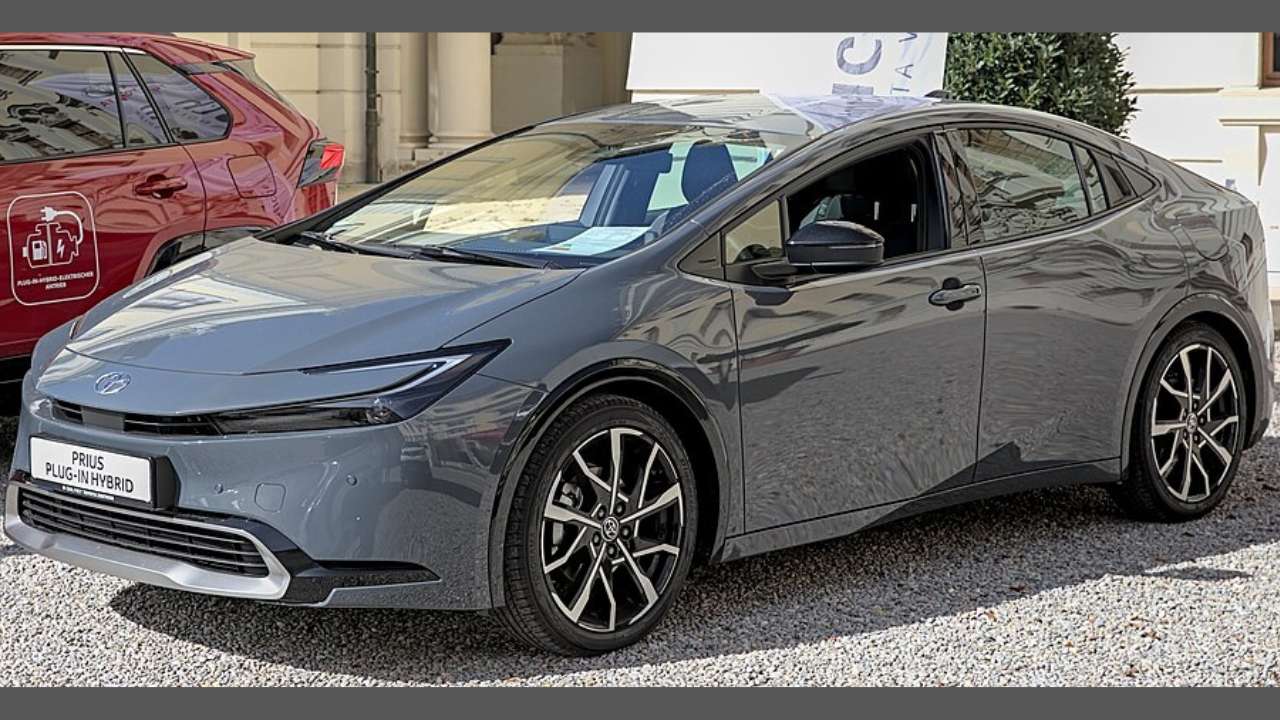
Because hybrids rely heavily on regenerative braking, the conventional brakes are used far less. That sounds like a good thing—until corrosion sets in. Rotors and pads can rust prematurely from lack of use, especially in damp climates or cars driven sparingly.
When friction brakes aren’t regularly engaged, they don’t stay clean. Some hybrid owners end up needing full brake replacements sooner than anticipated—not because they wore out, but because they degraded. It’s not a safety issue if monitored, but it’s an annoying maintenance quirk.
HVAC Systems Work Harder Than You Think
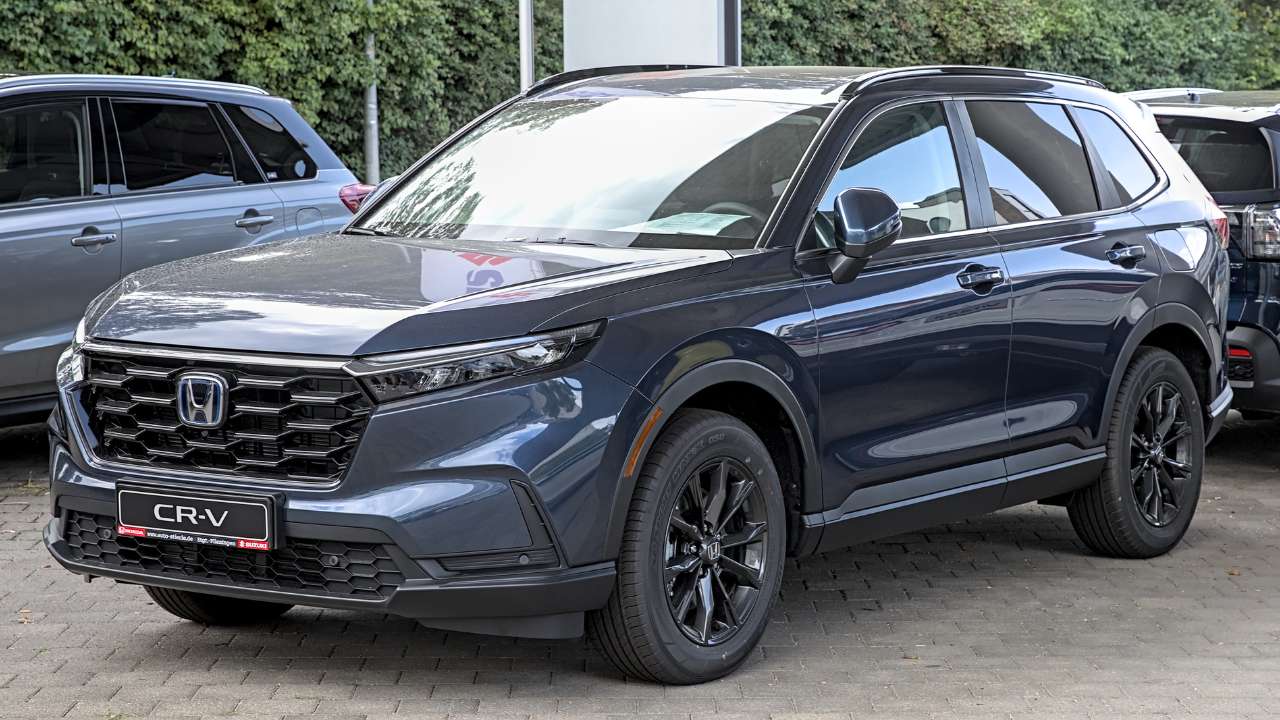
In many hybrids, the air conditioning system runs off the high-voltage battery, not a traditional belt-driven compressor. That helps with fuel economy but also means the system can work harder and wear out sooner—especially in hot climates where the AC runs nonstop.
On top of that, some hybrids cycle the engine on and off just to maintain cabin temperature when idling. This extra demand on the HVAC can lead to more frequent repairs and higher bills. It’s a subtle issue, but one that can catch drivers off guard.
Limited Towing and Payload Capacity
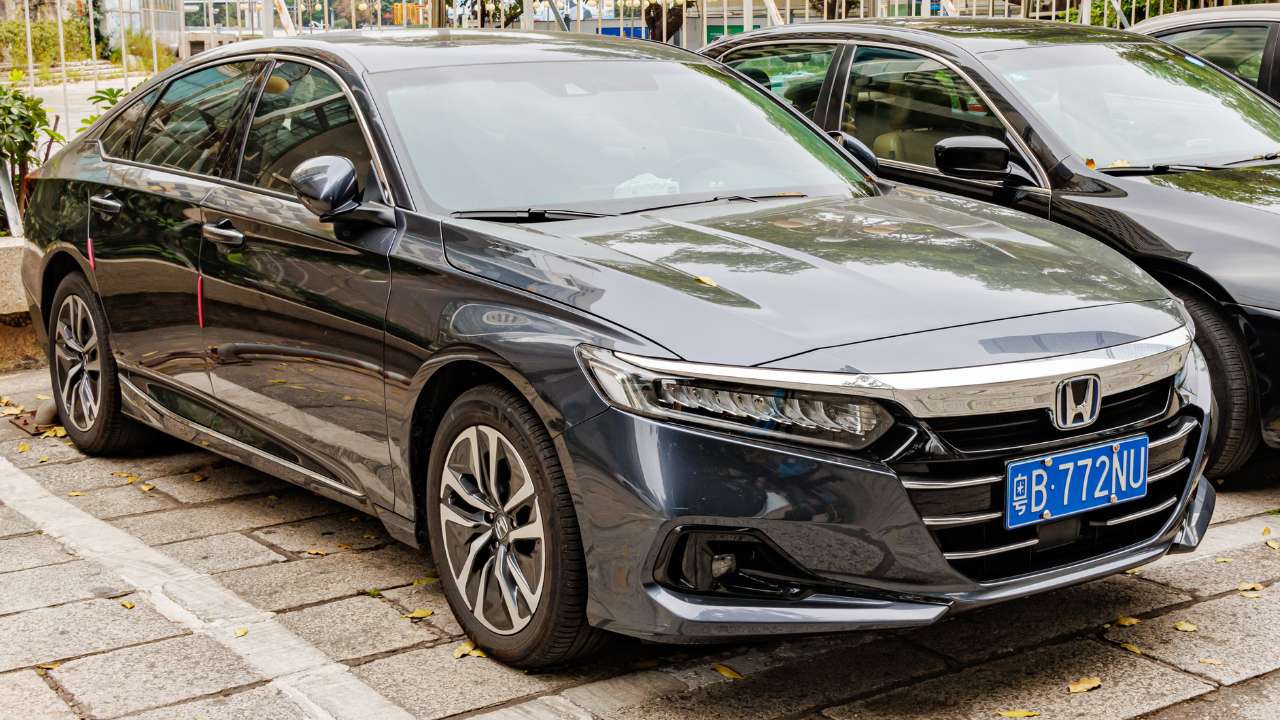
Hybrid powertrains aren’t usually built for heavy hauling. The added weight of the battery pack and electric motors often means reduced payload and towing capacity compared to their non-hybrid counterparts. Even hybrid SUVs that look rugged often come with towing limits under 2,000 pounds.
This may not bother city commuters, but it’s a major limitation for those expecting truck-like versatility. For some buyers, the tradeoff in capability isn’t worth the gain in fuel economy. And dealers don’t always spell that out clearly on the lot.
Complex Diagnostics = Bigger Repair Bills
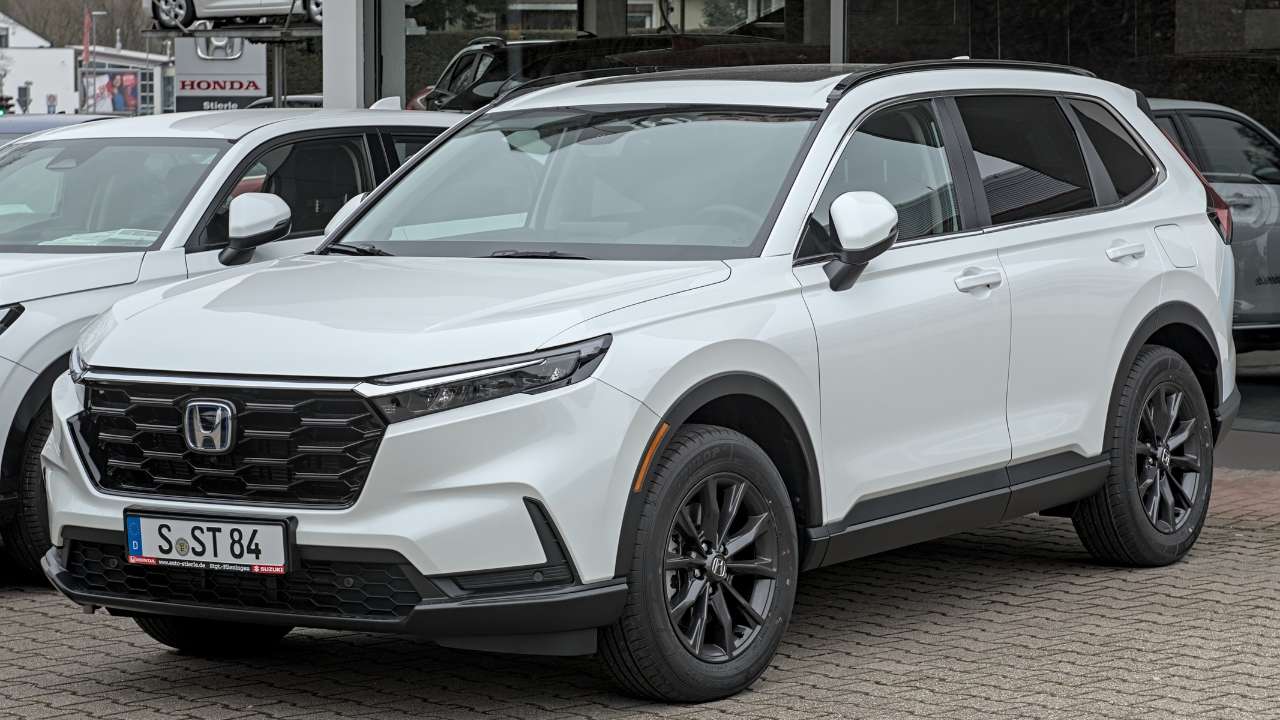
Hybrid systems add layers of complexity to diagnostics and repairs. Even routine issues can require specialized scan tools and technicians trained in high-voltage systems. That extra labor often translates to longer shop time and higher service costs.
Independent mechanics may turn away hybrids or refer owners back to the dealership. As the car ages and issues stack up, the repair bills can creep up faster than expected. What starts as a fuel-efficient daily driver can quietly become a service headache.
Cold Weather Can Cripple Efficiency
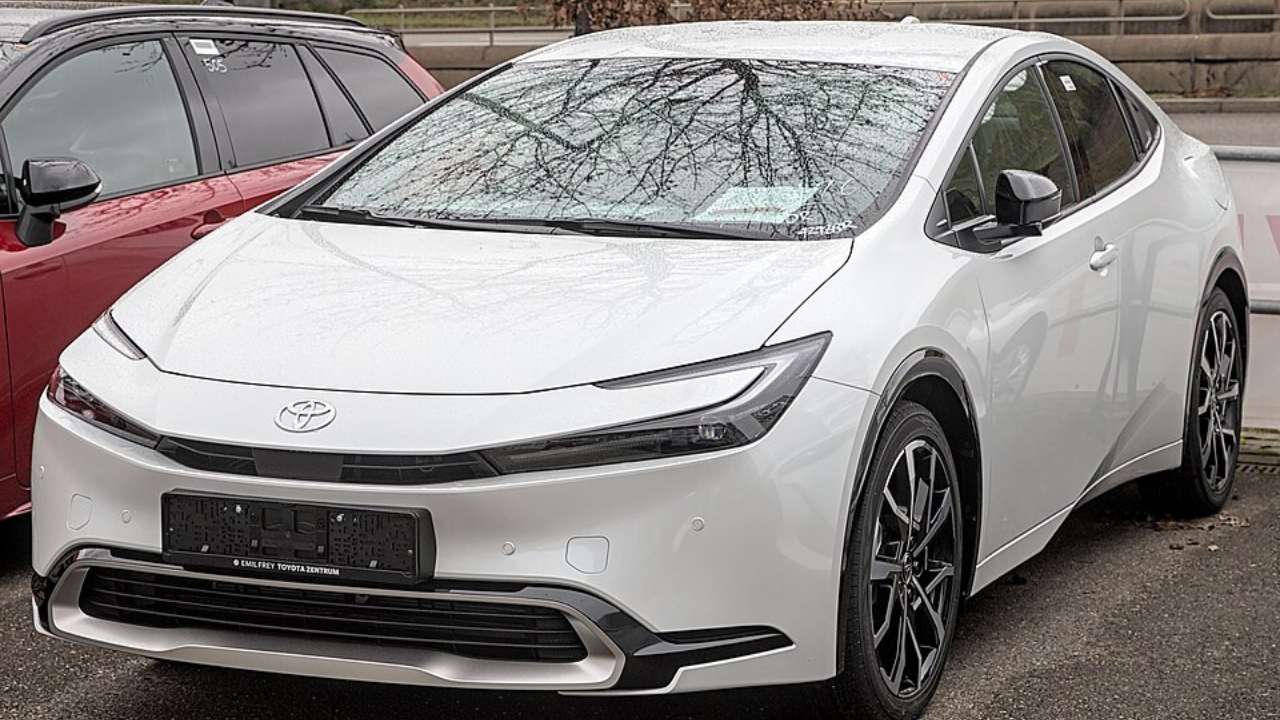
Hybrids often lose efficiency in cold temperatures. The battery chemistry doesn’t operate at peak performance in the cold, and the engine runs more often to generate cabin heat—undermining the fuel economy advantage hybrids are known for.
Owners in northern climates sometimes notice a 20–30% drop in mileage during the winter months. That’s not always mentioned on the showroom floor, but it’s very noticeable in real-world driving. Pre-heating systems help, but they draw even more battery power.
Tire Wear Comes Quicker Than Expected
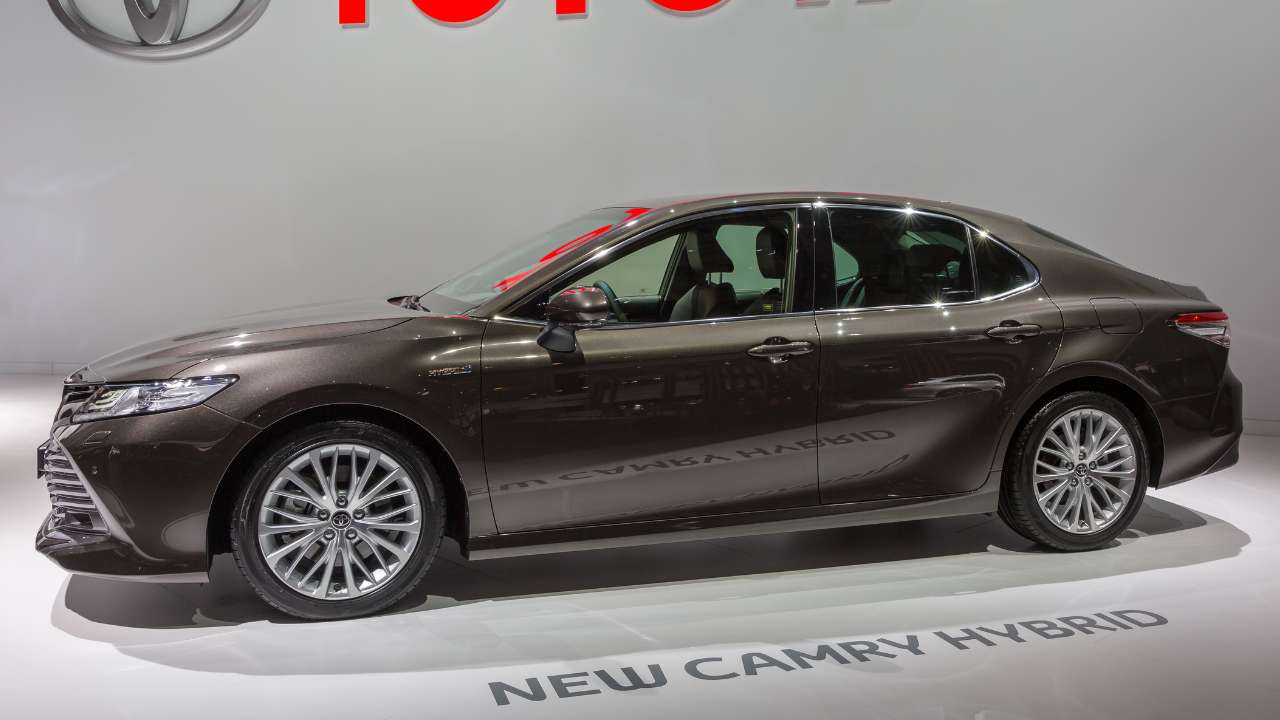
Because hybrids are heavier than standard cars—thanks to their battery packs—they can be harder on tires. Add in the instant torque from electric motors and regenerative braking, and tire wear becomes uneven or accelerated if not carefully managed.
Some hybrids require low-rolling-resistance tires, which can be more expensive and less grippy in certain conditions. Neglecting tire maintenance can affect ride quality, handling, and fuel economy. It’s one of those “quiet” issues that creeps up without warning.
Resale Value Isn’t Always a Win
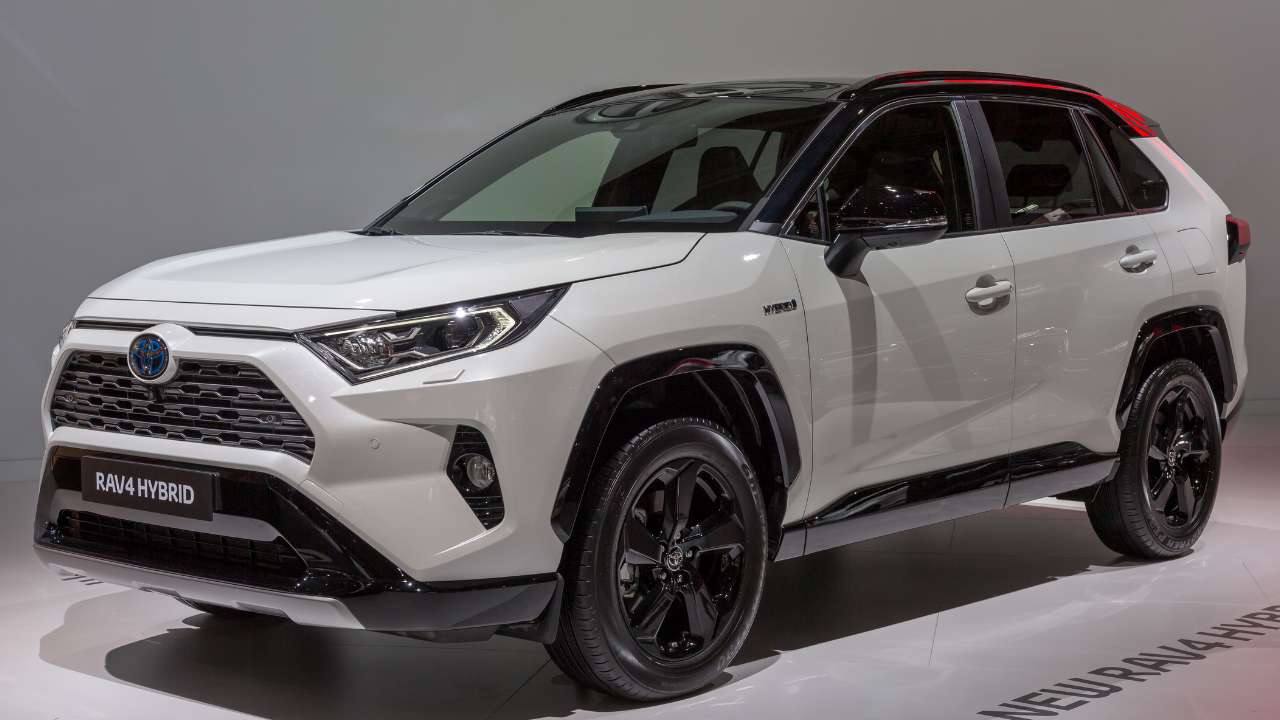
Hybrids tend to lose value rapidly once they exit warranty, mostly because of battery anxiety. Buyers are often wary of inheriting a potential five-figure repair. Even Toyota hybrids, which hold value better than most, can dip sharply after 100,000 miles.
For owners expecting hybrid resale value to match that of a Civic or Corolla, the reality can sting. It’s not that they’re bad cars—it’s just that long-term ownership is often misunderstood. And dealers aren’t always eager to buy them back.
Like Fast Lane Only’s content? Be sure to follow us.
Here’s more from us:
*Created with AI assistance and editor review.