The 1951 Chrysler New Yorker didn’t flaunt its luxury credentials—it let the details do the work. With the introduction of the FirePower HEMI V8, it quietly delivered more performance than most people expected from such a reserved design. It was a luxury car built for buyers who cared more about engineering than exterior flash. In a market full of chrome-heavy flagships and aging powertrains, the New Yorker brought something new under the hood and kept it subtle everywhere else. To see why it still deserves attention, it helps to look at what it was competing with.
1951 Chrysler New Yorker: Understated and Capable
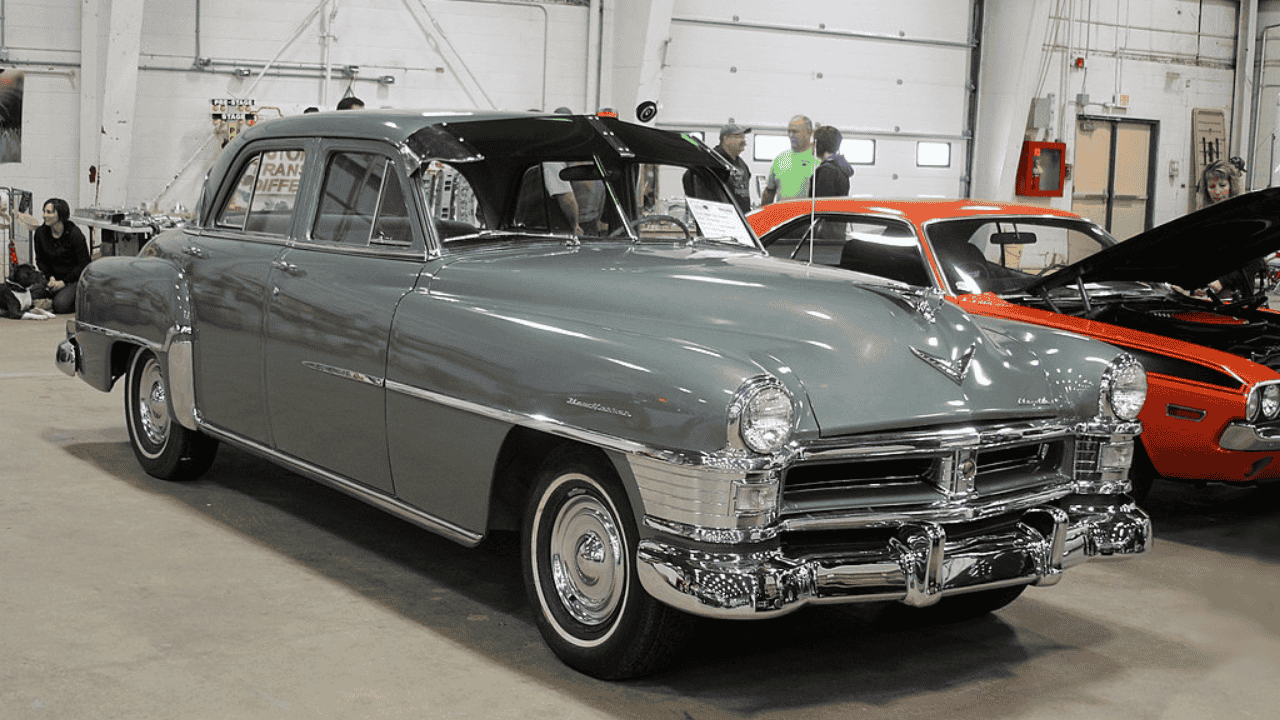
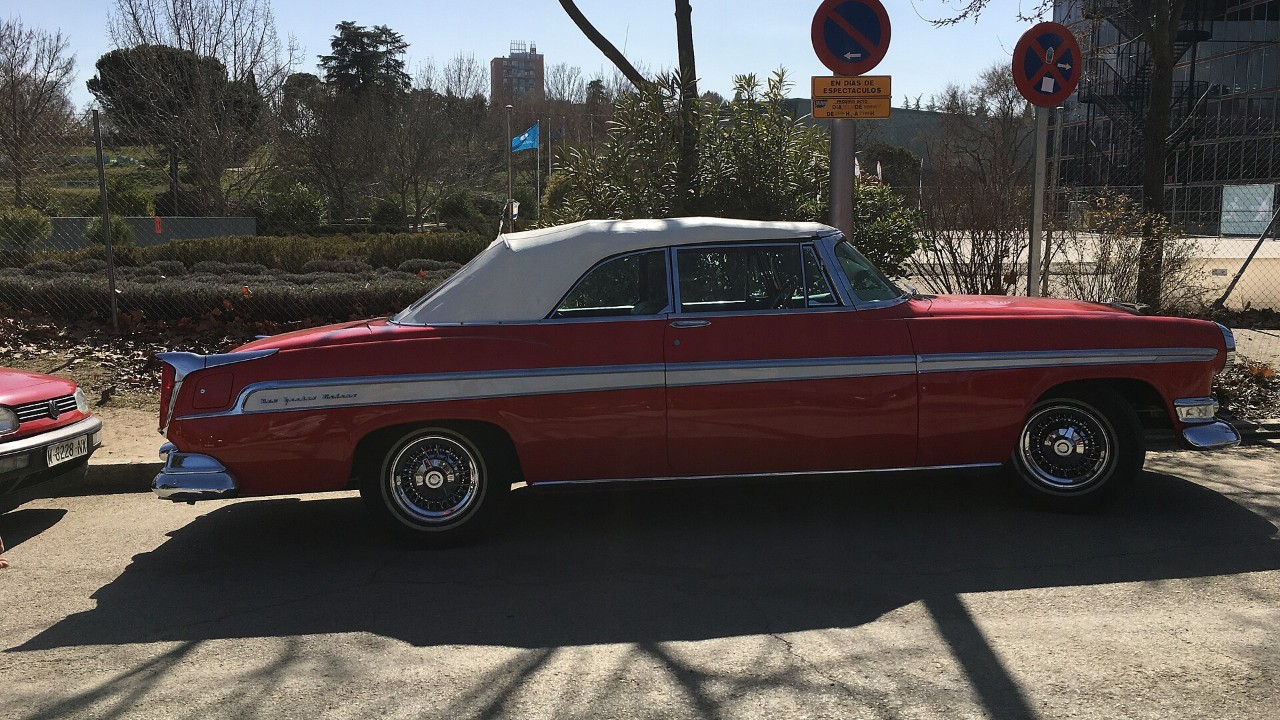
The 1951 New Yorker didn’t make a scene, but it made an impression where it counted. Powered by the new 331-cubic-inch FirePower HEMI V8 making 180 hp, it was quicker than most buyers expected. Paired with Chrysler’s Fluid-Torque Drive semi-automatic transmission, it offered smooth acceleration without the learning curve. Inside, it was trimmed with quality cloth or optional leather, and options included power windows and a heater/defroster combo. The design leaned conservative, but under the surface, this was a capable, refined car that didn’t need showboating to make its point.
1951 Cadillac Series 62: The Flashier Benchmark
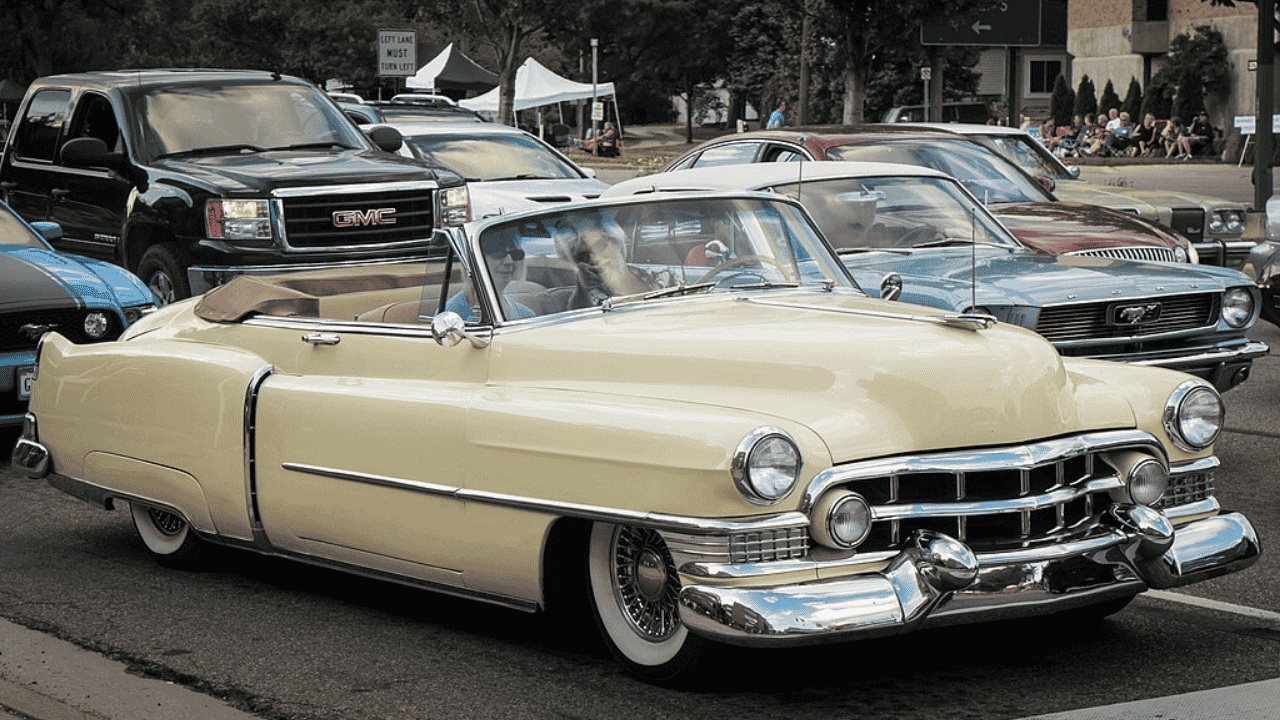
Cadillac’s Series 62 was still the top-tier standard in 1951. Its 331-cubic-inch OHV V8 also made 160–190 hp, and it came with Hydra-Matic drive for smooth shifts. But where Chrysler leaned conservative, Cadillac embraced style: tailfins, polished trim, and a grille that made its presence known. Interiors were plush and well-equipped, with high-end materials and wider dealer support. The Cadillac looked every bit the luxury car it was. The New Yorker, on the other hand, delivered many of the same features and power—but without the showroom theatrics.
1951 Lincoln Cosmopolitan: Big Presence, Mellow Output
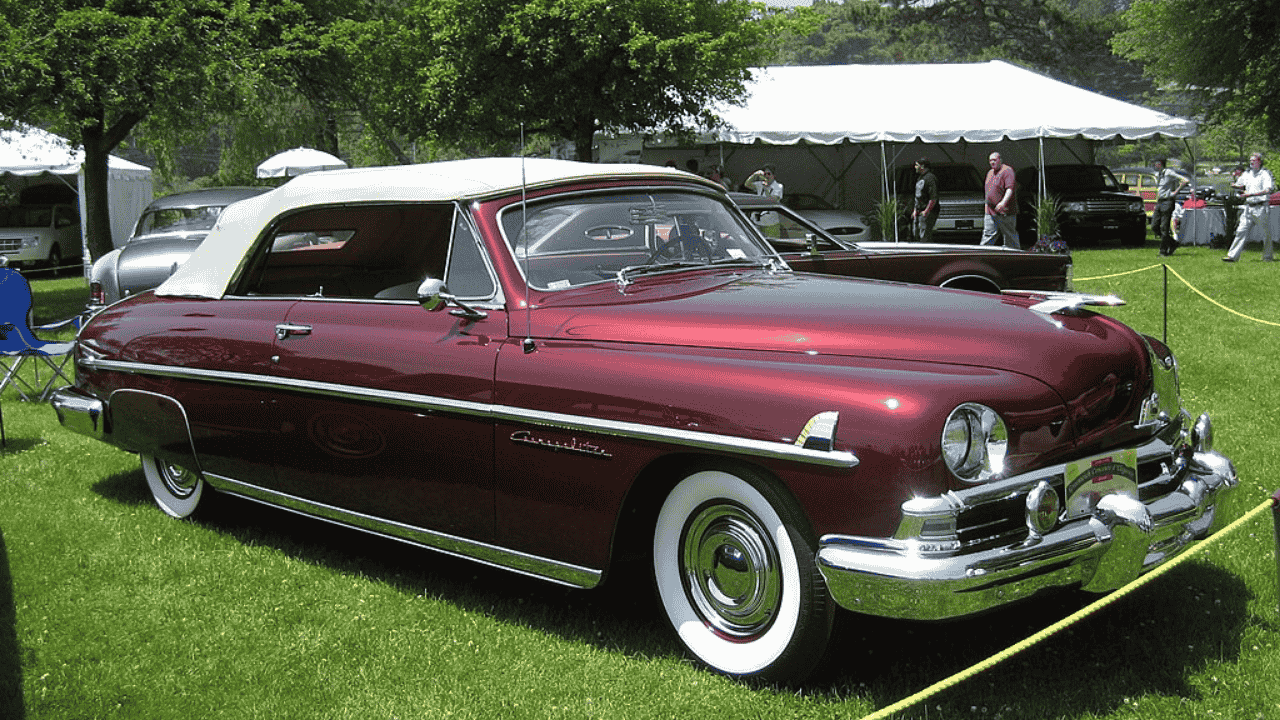
Lincoln’s 1951 Cosmopolitan was huge—over 220 inches long—and carried a 337-cubic-inch flathead V8 making 154 hp. Despite its size and luxury intentions, the powertrain was dated and felt sluggish compared to the HEMI-equipped New Yorker. Inside, it delivered on comfort with broad seats and woodgrain dash details, but it leaned more on scale than refinement. Chrysler’s interior felt tighter but more efficient, and the drivetrain was clearly more modern. The New Yorker didn’t need size to suggest luxury—it used engineering to get the job done.
1951 Packard 300: Well-Trimmed, But Lagging Behind
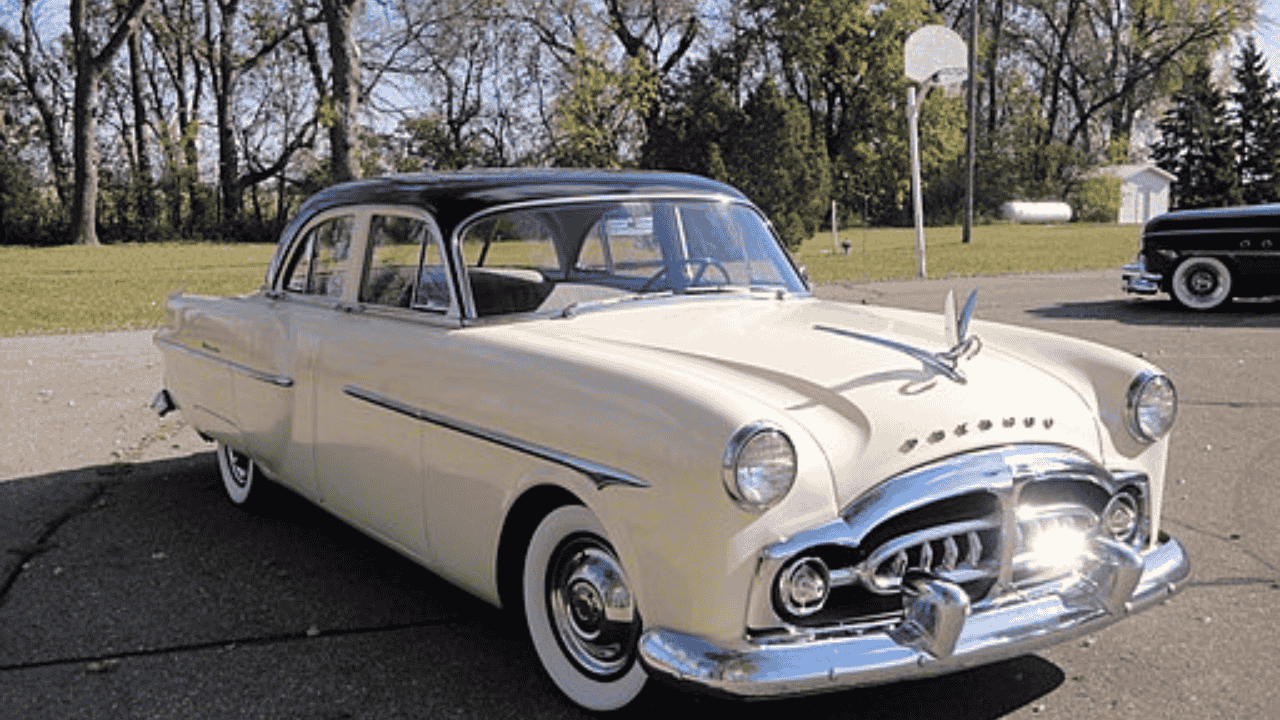
Packard’s 300 was their upper-middle offering and came with a 327-cubic-inch straight-eight good for 150 hp. It was smooth and quiet, but lacked the bite of Chrysler’s HEMI. The ride was soft, and the car’s proportions were elegant but fading into anonymity by ‘51. Interiors were tailored with cloth and chrome trim, offering power seats and windows as options. Packard still had a reputation for luxury, but it was coasting on tradition. Chrysler, by contrast, was quietly rewriting what full-size luxury could be—starting under the hood.
1951 Hudson Hornet: Quick, But Not Quite Luxurious
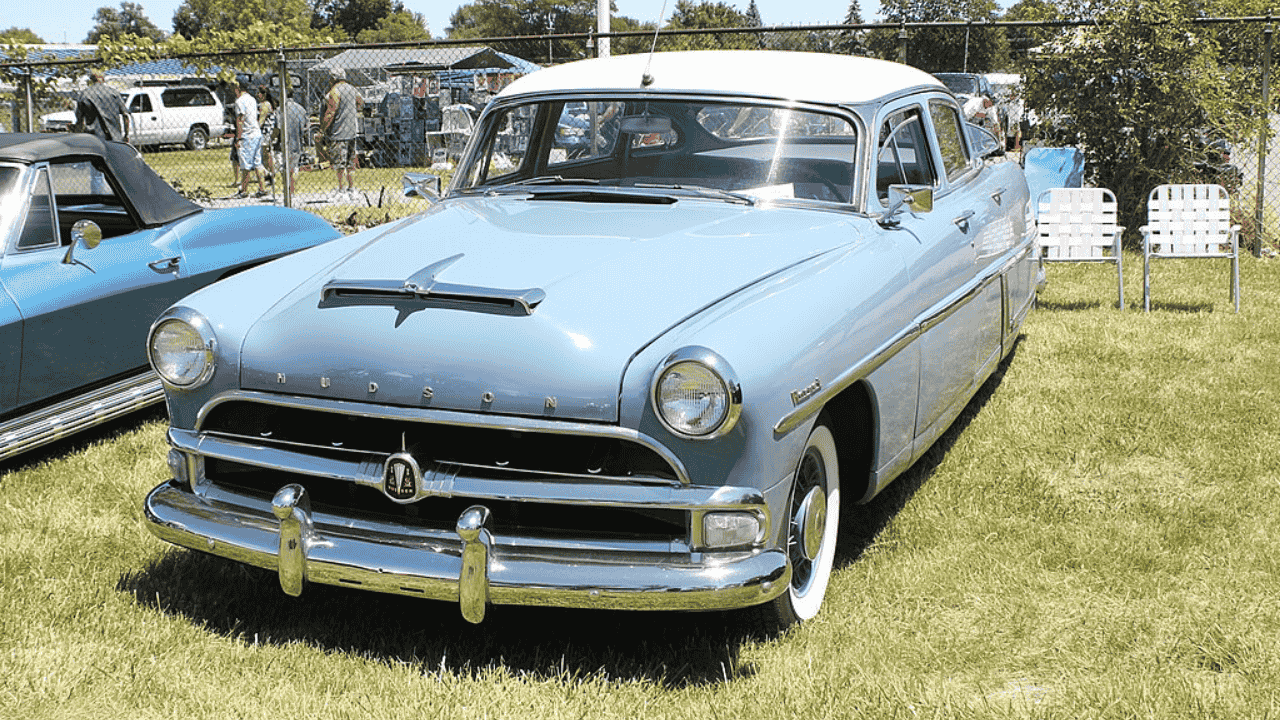
Hudson’s Hornet was famous for its racing success, thanks to its low “step-down” chassis and 308-cubic-inch six making up to 170 hp with Twin H Power. It handled well for its size and had the straight-line performance to back it up. But the focus was on speed, not refinement. Interiors were functional but plain, lacking the upscale details found in the New Yorker. The Hornet was a standout on the track; the Chrysler was better suited for highway cruising with class. Different goals—but both technically advanced in their own way.
1951 Buick Roadmaster: Smooth Ride, Aging Engine
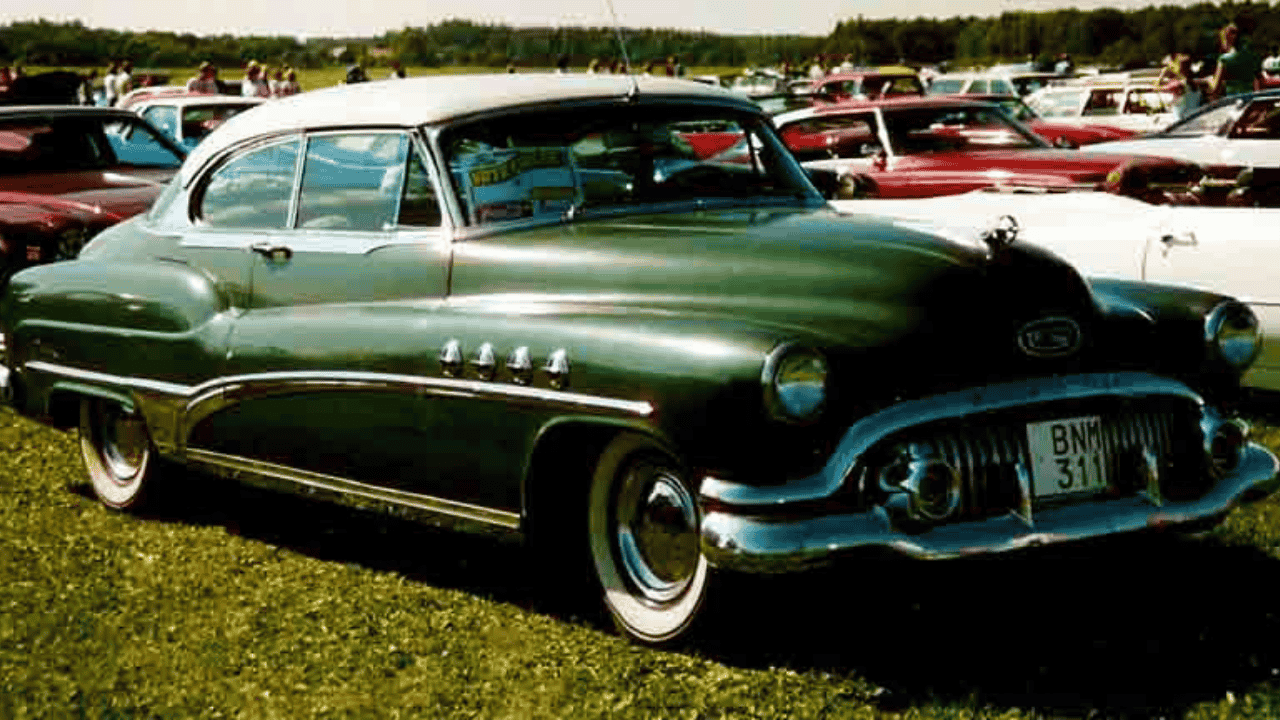
The Roadmaster’s 320-cubic-inch straight-eight was still in service, delivering 152 hp through Buick’s Dynaflow transmission. The ride quality was excellent, and the car was quiet on the road, but the engine tech was behind the curve. Styling was more dramatic than Chrysler’s, with sweeping lines and trademark ventiports. Inside, the Roadmaster was spacious and nicely equipped, with flashy two-tone trims and chrome-plated switches. Chrysler didn’t try to outshine Buick in flash—it just built a more modern machine and let the HEMI do the talking.
1951 Oldsmobile 98: The “Rocket” That Set Expectations
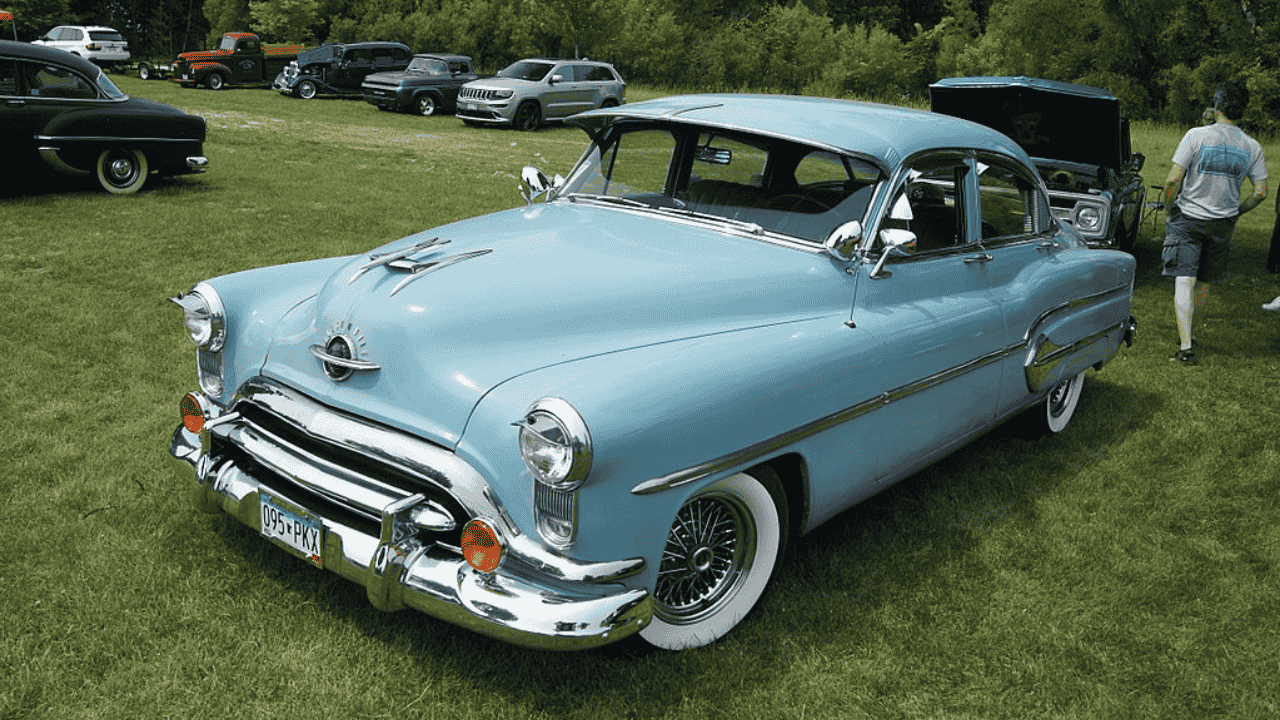
Oldsmobile’s 98 carried the 303-cubic-inch Rocket V8, making 135–160 hp depending on carburetion. It was a lighter car than the New Yorker, and quicker off the line. The styling was sleeker too, with wraparound grilles and a lower roofline. Interiors offered upscale materials, but not quite at Chrysler’s level. What Olds had was youth appeal and modern power, making it a favorite among those who wanted performance in a premium wrapper. The New Yorker felt more traditional, but also more composed—less sport, more road presence.
1951 Nash Statesman Custom: Compact and Clever
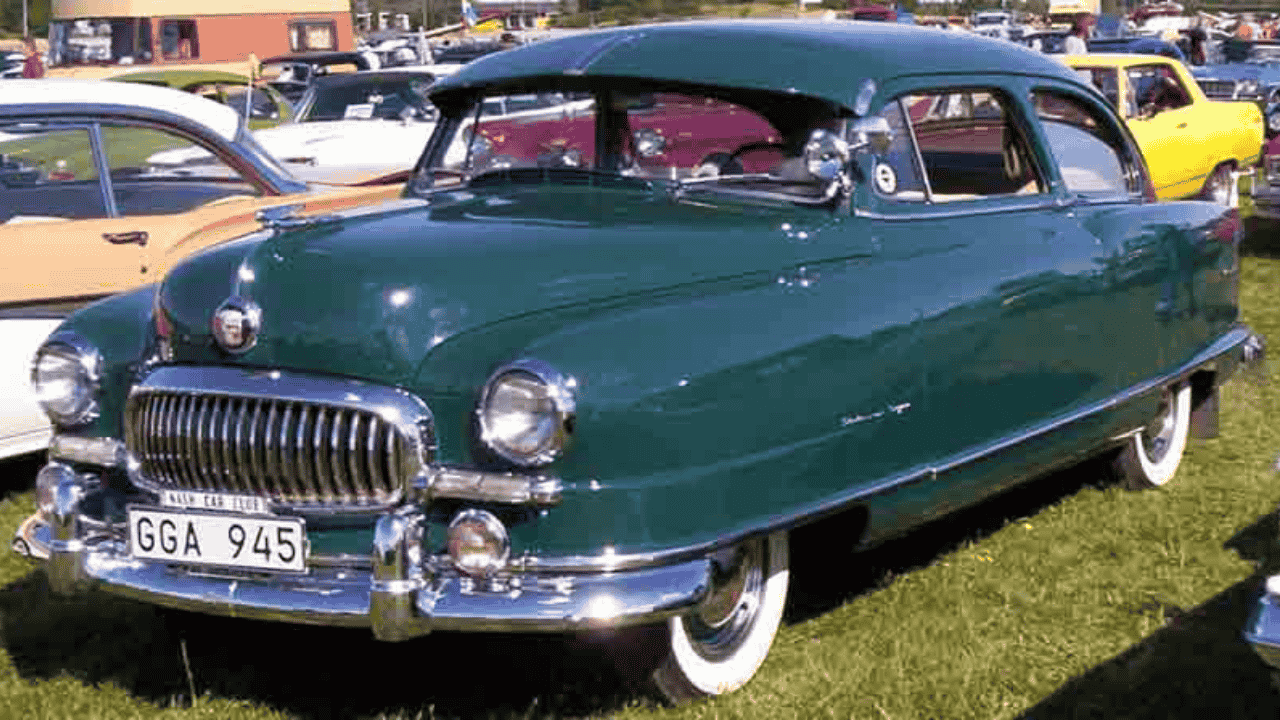
Nash took a different route in ’51, offering smaller dimensions, enclosed fenders, and unit-body construction. The Statesman Custom ran a 184-cubic-inch inline-six making just over 85 hp—not in the New Yorker’s league at all. But it offered forward-thinking features like reclining seats and excellent aerodynamics. It felt futuristic in packaging, but not in performance. While Nash was playing the long game in efficiency and packaging, Chrysler was refining the luxury sedan formula with power, comfort, and durability—all under a suit that never screamed for attention.
Like Fast Lane Only’s content? Be sure to follow us.
Here’s more from us:
*Created with AI assistance and editor review.