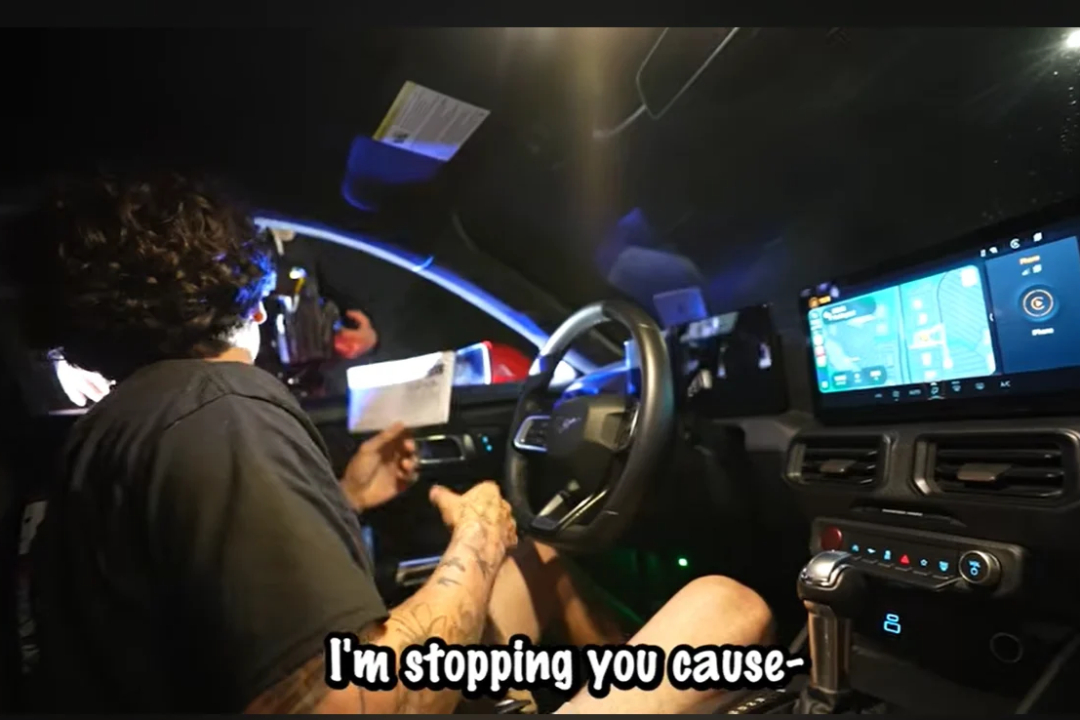
It starts the way a lot of modern car annoyances start: you notice something small, then you can’t unsee it. A trim panel on the inside of the car is peeling—maybe along the door, maybe near the center console—like the surface coating decided it’s done being part of the team. It doesn’t look “lived in.” It looks like it’s giving up.
So you do the sensible thing and bring it to the dealership, figuring it’s a quick warranty fix. Instead, the service counter takes one look and says the phrase that can turn any calm person into a part-time consumer-rights attorney: “That’s normal wear.”
A small peel that turns into a big question
Peeling interior panels are having a moment, and not in a cute way. Soft-touch plastics, vinyl wraps, and rubberized coatings can degrade from heat, skin oils, cleaners, friction, or just time. Sometimes it’s a thin top layer lifting; other times it’s a sticky coating breaking down and looking like it’s shedding.
The frustrating part is that it often doesn’t feel “earned.” This isn’t a torn seat from hauling lumber or a cracked dash from leaving it uncovered in the desert for a decade. It can show up on cars that are only a few years old, parked in normal places, used like, well, a car.
What the dealership means by “normal wear” (and why it’s convenient)
When a dealership says “normal wear,” they’re usually pointing at the fuzzy line between a defect and deterioration. Warranties typically cover defects in materials or workmanship, but not cosmetic wear items that change with use. The problem is, “cosmetic” can be used like a magic word to make anything disappear.
From their perspective, it’s also a risk calculation. If they approve a panel replacement too easily, the manufacturer may push back on the claim, and the store could get stuck holding the bill. So the path of least resistance is often the one that ends with you paying.
Here’s what most warranties actually say (in plain language)
Most new-vehicle limited warranties are built to cover failures, not feelings. If something breaks, stops working, or was made wrong, you’ve got a strong argument. If something looks worse over time, they may call it wear—even if it’s happening faster than you’d expect.
Interior trim sits right in that gray zone. Some brands treat peeling, bubbling, or delaminating as a material defect if it happens early or without obvious abuse. Others lean hard on exclusions for “appearance changes,” especially if there’s any sign of abrasion or chemical damage.
The real-world detail that changes everything: documentation
If you’re dealing with peeling trim, the most powerful tool isn’t a speech. It’s a camera and a calendar. Photos that show the peeling area, the surrounding surfaces, and the vehicle’s mileage can turn a “maybe” into a “we can submit this.”
It also helps to document how the car’s been cared for. If you’ve used standard interior cleaners (or just a damp cloth), say that. If the peel is on a spot you rarely touch, that’s worth mentioning too, because “wear” is harder to sell when the area doesn’t get much contact.
Why some panels peel early (even if you’re not hard on the car)
Modern interiors are a mix of comfort, cost, and chemistry. Soft-touch coatings feel great, but some formulas don’t age well in heat cycles—hot sun during the day, cool at night, over and over. Add humidity, sunscreen, hand sanitizer, or the wrong cleaner, and the finish can start lifting like a cheap screen protector.
There’s also plain old manufacturing variation. A slightly off batch of coating, a surface that wasn’t prepped perfectly, or a rushed cure time can lead to premature peeling. When that happens, it looks like “wear,” but it behaves like a defect.
What to say at the service desk (so it doesn’t turn into a debate club)
Keep it simple and specific. You’re not asking them to agree that it’s annoying; you’re asking them to evaluate whether it’s a defect and submit it as a warranty claim. A calm line like, “This coating is delaminating and I’d like it inspected for warranty coverage,” tends to land better than “This is ridiculous.”
If they say no right away, ask a practical follow-up: “Can you note in the repair order that the panel is peeling and warranty coverage was declined?” That written record matters, especially if it gets worse later and you want to show it started earlier.
The quiet power move: ask for the criteria
“Normal wear” sounds final, but it’s usually an opinion backed by… not much. Ask what standard they’re using. Is there a mileage threshold? Is there a guideline from the manufacturer? Are they seeing signs of chemical damage or abrasion?
This does two things. First, it forces the explanation into something concrete. Second, it gives you a roadmap: if they’re claiming cleaner damage, you’ll know to mention what you used (and didn’t use), and you can ask them to point out the evidence.
If the dealership won’t help, the next step isn’t a meltdown
Escalation can be surprisingly low-drama. Many manufacturers have customer care lines or online case portals, and a polite complaint with photos often gets a second look. The manufacturer can authorize “goodwill” coverage even when a dealer is hesitant, especially if the car is within the basic warranty window or just outside it.
It also helps to try a second dealership if one is dismissive. Different service departments have different appetites for borderline claims, and some are simply better at writing them up in a way the manufacturer will approve.
What “goodwill” is (and why it’s not a dirty word)
Goodwill repairs are basically the manufacturer saying, “We’re not admitting anything, but we’ll help.” It might cover the part, the labor, or a percentage of the cost. It’s common when a problem seems premature, even if the warranty language gives them an escape hatch.
The key is tone and timing. If you can show regular maintenance, reasonable use, and a problem that doesn’t match the car’s age, you’re giving them a reason to keep you happy. Nobody wants a customer telling friends that the interior started peeling before the first set of tires wore out.
Repair options if you’re stuck paying (and how to avoid making it worse)
If warranty or goodwill doesn’t happen, you still have choices, but be careful. Some “quick fixes” like harsh solvents, aggressive scrubbing, or sticky dressings can turn a small peel into a full-on goo situation. If the coating is failing, the goal is stabilization, not experimentation.
An interior trim shop can often re-wrap or refinish panels in a way that looks factory-clean, sometimes better. If it’s a replaceable trim piece, ordering the part and paying for installation may be straightforward, but it’s worth asking whether the replacement uses the same material that failed in the first place.
The bigger takeaway: “normal” shouldn’t mean “accept it”
Interior peeling sits in that irritating space where a car still drives fine, but your eyes keep drifting to the flaw like it’s a notification you can’t clear. Dealers may default to “wear,” but that doesn’t automatically make it true. A finish that delaminates early can be a material issue, even if it’s not a safety issue.
If you stay organized, keep it polite, and push for written documentation, you’re not being difficult—you’re being practical. And if the panel really is “normal wear,” they should be able to explain why without sounding like they’re reading from a script written by a shrug.
More from Fast Lane Only