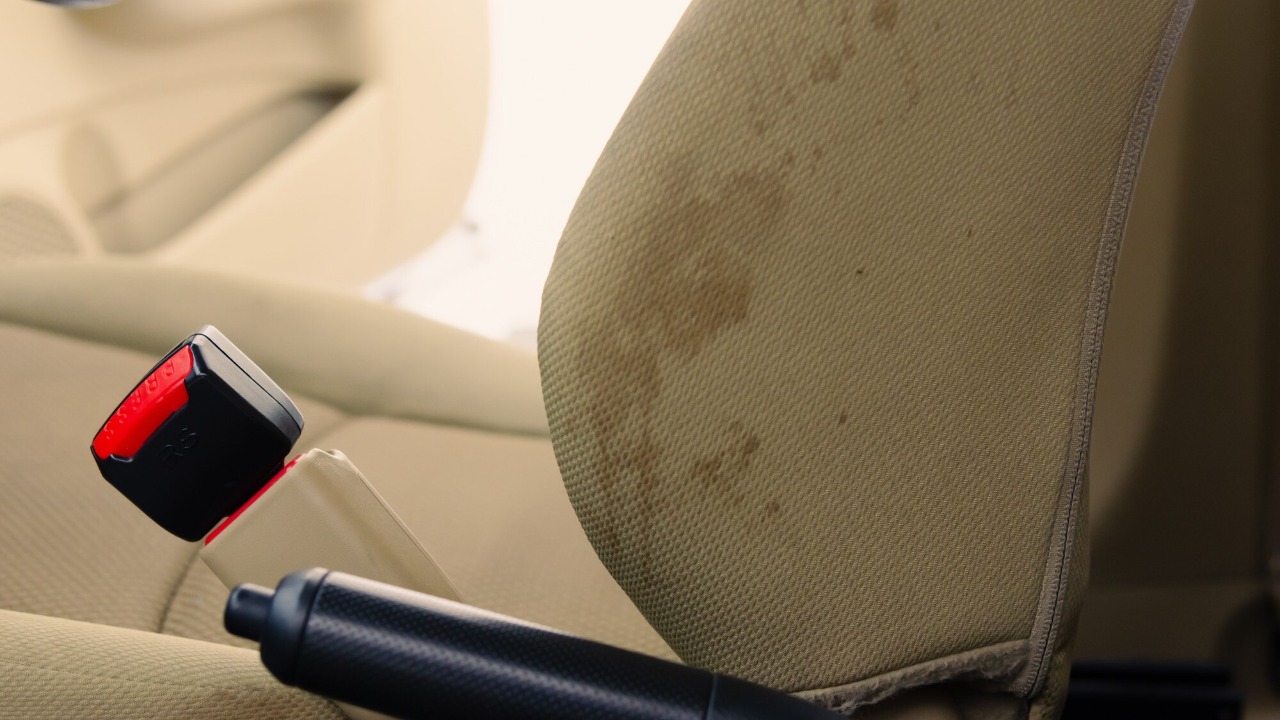
It’s the kind of small heartbreak that feels way bigger than it should: paying for a “full detail,” picking the car up with that fresh-clean smell, and then spotting the exact same stains on the seats like they never even left the group chat. You stare at them for a second, hoping it’s just weird lighting. It’s not.
And honestly, it’s not just about the stain. It’s the expectation that “full detail” means someone went to battle with every spill, smudge, and mystery mark life has thrown into your interior. When that doesn’t happen, it feels like you paid for the vibe of clean instead of the actual clean.
What “full detail” usually implies (and why it’s confusing)
Here’s the messy truth: “full detail” isn’t a regulated term. One shop might mean a thorough vacuum, wipe-down, windows, and a light shampoo. Another might mean full extraction of seats and carpets, stain treatment, steam, and multiple passes until the fabric looks new.
So when someone hears “full detail,” they picture the whole interior getting reset to factory settings. But some places are really selling a comprehensive cleaning package, not guaranteed stain removal. That gap between what you think you bought and what they think they sold is where the frustration lives.
The moment of discovery: clean-ish, but not clean
Most people notice it in a very specific way: the car looks better overall, but the problem spots are still there, loud and proud. Maybe it’s a coffee ring on the passenger seat, salt lines on the carpet, or that dark patch near the cupholder that’s been collecting crumbs since last summer.
It’s also common to notice it after a day or two, once the interior fully dries. Some stains “ghost” back as moisture evaporates and pulls residue to the surface. So it can look like nothing happened, even if someone did try—just not with the right method, enough time, or the right chemistry.
Why stains sometimes survive a detail
Not all stains are created equal. A quick shampoo can handle surface grime, but deep stains can be bonded into fabric fibers or padding underneath. If the spill soaked through, the visible stain is basically the tip of the iceberg, and a top-only clean won’t touch the real source.
Then there’s the “unknown stain” category, which is basically half of car ownership. Sugary drinks, milk, pet accidents, oily food, makeup, sunscreen—each one behaves differently. If the cleaner uses a one-size-fits-all product, some stains will shrug it off like it’s a gentle suggestion.
Time is another factor. A busy shop might be booking back-to-back appointments, and interior work is slow, physical, and easy to under-estimate. When the clock is tight, stain treatment is usually the first thing that gets shortened: fewer passes, less dwell time, no second round of extraction.
When “detail” is mostly cosmetic
Some services are designed to make the car look presentable fast. That can mean dressing plastics to look darker, quick vacuum lines, and fragrance that screams “clean” even if the upholstery wasn’t deeply washed. It’s not always a scam—sometimes it’s exactly what was purchased—but it can feel misleading if the menu didn’t spell it out.
And sometimes the shop avoids aggressive stain removal to reduce risk. Over-wetting seats can cause mildew. Harsh chemicals can bleach fabric. Scrubbing can fuzz upholstery. If they’re not confident about the stain type or material, they may choose the safer route and stop early.
What to do if you pick it up and the stains are still there
First, take a breath and look at it in good light. Then take clear photos right away—wide shot for context, close-up for detail. If you have “before” photos, even better, but don’t panic if you don’t; most people aren’t running a stain documentation program on their phone.
Next, reach out quickly and keep it simple. Something like: “Hey, I just picked up the car and I’m still seeing the same stains on the seat and carpet. Can we talk about what was done and what options there are to remove them?” You’re not accusing; you’re inviting a fix.
If they ask you to come back, try to go sooner rather than later. Freshly cleaned fabric can be easier to re-treat, and it also helps avoid the awkward “why didn’t you tell us for two weeks?” moment. If the shop is reputable, they’ll usually offer a re-clean or spot treatment—sometimes free, sometimes discounted, depending on what was promised.
Questions that get you a real answer (without starting a fight)
It helps to ask specific questions that pin down the process. Did they shampoo the seats or do hot-water extraction? Did they use a stain remover and let it dwell, or was it a quick pass? Did they treat the stain multiple times or just once?
Also ask whether the stain might be permanent. Some dyes, bleach marks, and heat-set stains won’t fully disappear without repair or re-dyeing. A good detailer will tell you what’s realistic instead of promising miracles, and that honesty is worth a lot.
What shops should be saying up front (and what you can ask before booking)
If you’re booking in the future, ask what “full detail” includes in plain language. Is stain removal included, or is it “best effort”? Is there an upcharge for heavy soiling, pet hair, or deep extraction?
One useful trick: mention the stains while booking and ask for a quick estimate of effort. If they respond with, “Yeah, no problem,” ask what method they’ll use. If they say, “We can try, but it may not come out,” that’s not a bad sign—it’s usually a realistic one.
When it’s reasonable to ask for a redo or refund
If the service description clearly included shampooing or stain removal and the stains look untouched, it’s fair to ask for a redo. Same if the car came back with obvious missed areas—sticky cupholders, unvacuumed corners, or visible grime that a normal wipe would handle.
A refund is trickier, because stain removal is often not guaranteed, and some stains genuinely don’t lift. But if there’s a clear mismatch between what was advertised and what was delivered, you can calmly escalate: ask for a manager, show the photos, and focus on outcomes rather than motives.
The bigger takeaway: define “clean” before you pay for it
That annoying moment—seeing the same stains after spending good money—usually comes down to unclear expectations and inconsistent service definitions. The good news is it’s often fixable with one straightforward conversation and a shop that stands behind its work.
And if nothing else, it’s a reminder that “full detail” is like “fully loaded” at a diner: it sounds great, but you still want to know if that includes the extra fries. Because nobody should have to pay premium money just to keep meeting the same stain in the same seat, day after day, like it’s paying rent.
More from Fast Lane Only