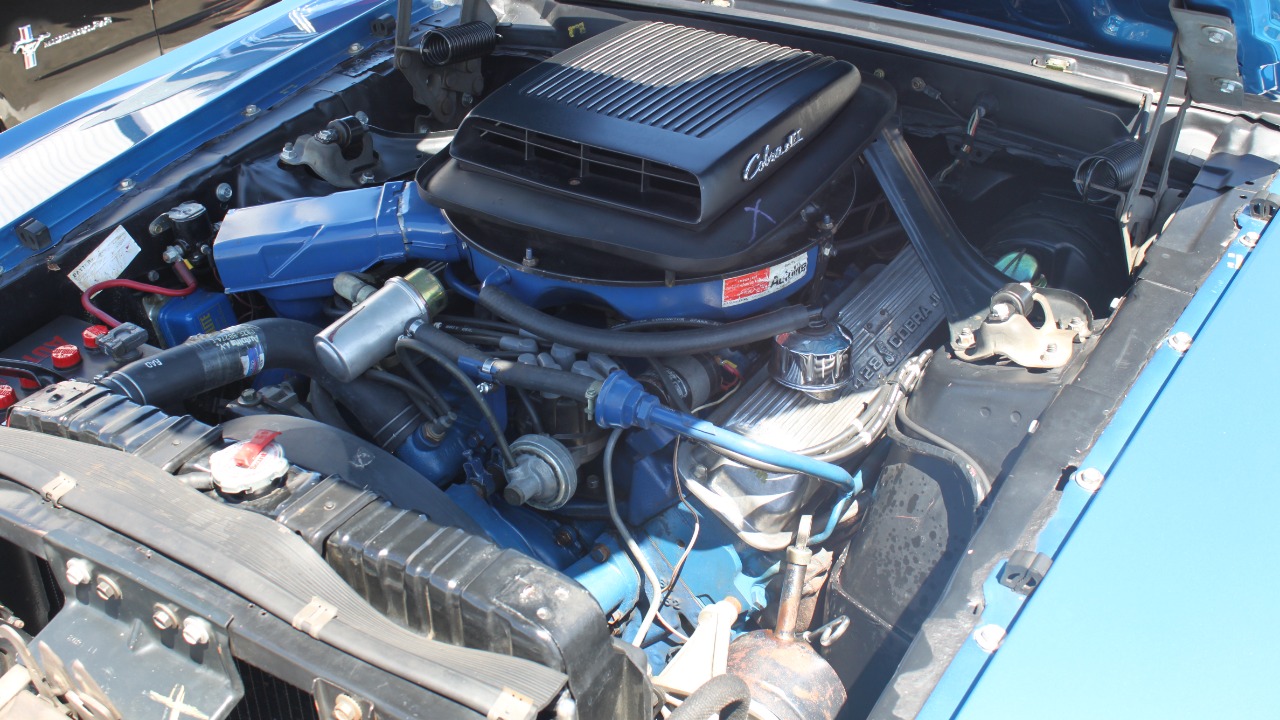
The Shelby GT500, an iconic name in American muscle car history, is powered by the formidable 428 Cobra Jet engine. Delving into the secrets of this legendary engine reveals its intricate design, impressive performance, and the profound impact it has had on automotive culture. Enthusiasts and collectors alike continue to celebrate the GT500 and its engine, which serve as a testament to Ford’s commitment to performance and innovation.
The Origins of the 428 Cobra Jet Engine
The 428 Cobra Jet engine, introduced in 1968, was born out of a need for performance that could compete on the racetrack and in the streets. Spearheaded by engineers like Larry Shinoda and Jim Wangers, the development of this engine aimed to create a powerhouse that would solidify Ford’s presence in the growing muscle car market. Initially designed for high-performance variants of the Ford lineup, the 428 Cobra Jet quickly became a cornerstone of the Shelby GT500. Its introduction coincided with a wave of competition among American automakers, all vying for dominance in the performance car arena.
The late 1960s was a transformative period for American muscle cars, characterized by increasing horsepower and aggressive styling. The 428 Cobra Jet engine was not only a response to consumer demand but also a reflection of the broader automotive trends of the time. As automakers pushed the limits of engineering, the Cobra Jet emerged as a symbol of power and performance, setting the stage for future generations of muscle cars.
Engineering Marvels: Design Features of the 428 Cobra Jet
The 428 Cobra Jet engine boasts impressive specifications, featuring a displacement of 428 cubic inches and delivering a staggering 335 horsepower. However, many enthusiasts believe that the actual horsepower figures were significantly underestimated by Ford, with some estimates suggesting outputs closer to 400 horsepower. The engine’s torque figures are equally impressive, rated at 420 lb-ft, providing the GT500 with exceptional acceleration and responsiveness.
What sets the 428 Cobra Jet apart from its contemporaries are its unique design elements. The engine features redesigned cylinder heads and an intake manifold that enhance airflow and combustion efficiency. These innovations allow for better performance and reliability, critical factors for both street and track applications. Additionally, the Cobra Jet’s cooling and lubrication systems were engineered to withstand the rigors of high-performance driving, ensuring that the engine operated optimally under various conditions.
Performance Metrics and Specifications
The performance metrics of the 428 Cobra Jet engine have earned it a place among the most revered powerplants in American automotive history. With a 0-60 mph time of approximately 6.5 seconds, the Shelby GT500 equipped with the Cobra Jet engine was a formidable contender on the streets and the drag strip. Compared to other engines in the same class during its production era, such as the Chevrolet 396 and the Pontiac 400, the 428 Cobra Jet stood out for its combination of power and torque.
Real-world performance metrics from tests conducted during the late ’60s showcased the Cobra Jet’s prowess. In various drag racing events, the GT500 consistently posted quarter-mile times in the mid-13-second range, a remarkable achievement for its time. These performance figures not only solidified the GT500’s reputation as a muscle car but also influenced the development of future performance vehicles.
The 428 Cobra Jet in Racing: Dominance on the Track
The 428 Cobra Jet engine played a pivotal role in establishing the Shelby GT500 as a dominant force in motorsports. Its large displacement and powerful output made it a favorite among drag racers, leading to numerous victories and accolades. Notably, the GT500 equipped with the Cobra Jet engine secured wins at prestigious events such as the NHRA Nationals, where it showcased its capabilities against the best in the sport.
Records set by the Shelby GT500 with the Cobra Jet engine were impressive, with the vehicle frequently outperforming its competitors. The success of the GT500 not only elevated Ford’s standing in the racing community but also influenced racing regulations, pushing manufacturers to innovate and improve their performance standards. The Cobra Jet became synonymous with racing excellence, leaving a lasting legacy in the world of motorsport.
The Cultural Impact of the Shelby GT500
The Shelby GT500 and its 428 Cobra Jet engine have transcended their automotive roots to become cultural icons. The combination of raw power and American engineering has made the GT500 a symbol of automotive prowess, celebrated in films, music, and popular culture. From its iconic appearances in movies like “Gone in 60 Seconds” to its mention in songs that pay homage to classic American cars, the GT500 has captured the imagination of enthusiasts and casual fans alike.
The community surrounding the Shelby brand is vibrant and passionate, with clubs and forums dedicated to the appreciation of these vehicles. Events like the annual Shelby American Automobile Club (SAAC) meetups bring together enthusiasts who share a common love for the brand and its history. This strong sense of community has helped keep the legacy of the Cobra Jet engine alive, inspiring new generations of car lovers to appreciate the engineering marvels of the past.
The Evolution of the 428 Cobra Jet Engine
While the original 428 Cobra Jet engine debuted in 1968, its design and performance have evolved over the years. Subsequent models and special editions, such as the 1970 Mustang with the Cobra Jet engine, saw improvements in efficiency and power output, reflecting advancements in automotive technology. Today, modern interpretations and replicas continue to pay homage to the original design while integrating contemporary performance features.
The legacy of the Cobra Jet engine is evident in modern performance vehicles, as manufacturers draw inspiration from its engineering excellence. The principles of airflow management, power delivery, and performance optimization that were hallmarks of the Cobra Jet can be seen in the design of today’s high-performance engines, showcasing the enduring influence of this iconic powerplant.
The Shelby GT500 Collector’s Market
The collector’s market for Shelby GT500 models, particularly those equipped with the 428 Cobra Jet engine, has experienced a surge in interest and value in recent years. Factors such as rarity, historical significance, and performance capabilities heavily influence the desirability of these vehicles among collectors. Models from the late 1960s, especially those with documented racing histories, tend to command premium prices at auctions.
Notable auction events, such as those held by Barrett-Jackson and RM Sotheby’s, frequently feature Shelby GT500s, with some cars fetching prices in the six-figure range. The allure of owning a piece of automotive history, coupled with the impressive performance credentials of the Cobra Jet engine, ensures that these vehicles remain highly sought after in the collector community.
Maintenance and Restoration of the 428 Cobra Jet
Owning a Shelby GT500 with the 428 Cobra Jet engine comes with its own set of challenges, particularly when it comes to maintenance and restoration. Common issues faced by owners include oil leaks, overheating, and performance tuning. Understanding how to properly address these issues is essential for maintaining the engine’s performance and longevity.
For those looking to restore a Shelby GT500, preserving the original performance and aesthetics is crucial. This often involves sourcing authentic parts and consulting with experts who specialize in classic Ford vehicles. Resources such as the Mustang Club of America and various online forums provide valuable support and advice for enthusiasts seeking to undertake restoration projects. Connecting with fellow enthusiasts can also lead to discovering tips and tricks for keeping the 428 Cobra Jet engine in peak condition.
Future Prospects: The Legacy of the Cobra Jet Engine
The legacy of the 428 Cobra Jet engine is poised to continue influencing the world of muscle cars for years to come. As automotive engineering continues to evolve, the principles established by the Cobra Jet engine will likely inform the design of future high-performance powerplants. The current trends in performance engineering, including advancements in turbocharging and hybrid technology, draw upon the foundation laid by iconic engines like the Cobra Jet.
As the Shelby brand continues to innovate, its commitment to performance remains unwavering. The ongoing popularity of the Shelby GT500, alongside the appreciation for its historical significance, ensures that the legacy of the Cobra Jet engine will endure. With each new generation of enthusiasts discovering the thrills of driving a Shelby, the impact of this legendary engine will be felt for years to come.
More from Fast Lane Only