With the allure of speed, luxury, and exclusivity, supercars remain a coveted dream for many automotive enthusiasts. However, potential buyers often ponder whether now is the right time to invest in such high-performance vehicles. Various factors, from market trends to technological advancements, play a crucial role in this decision-making process.
Current Market Trends
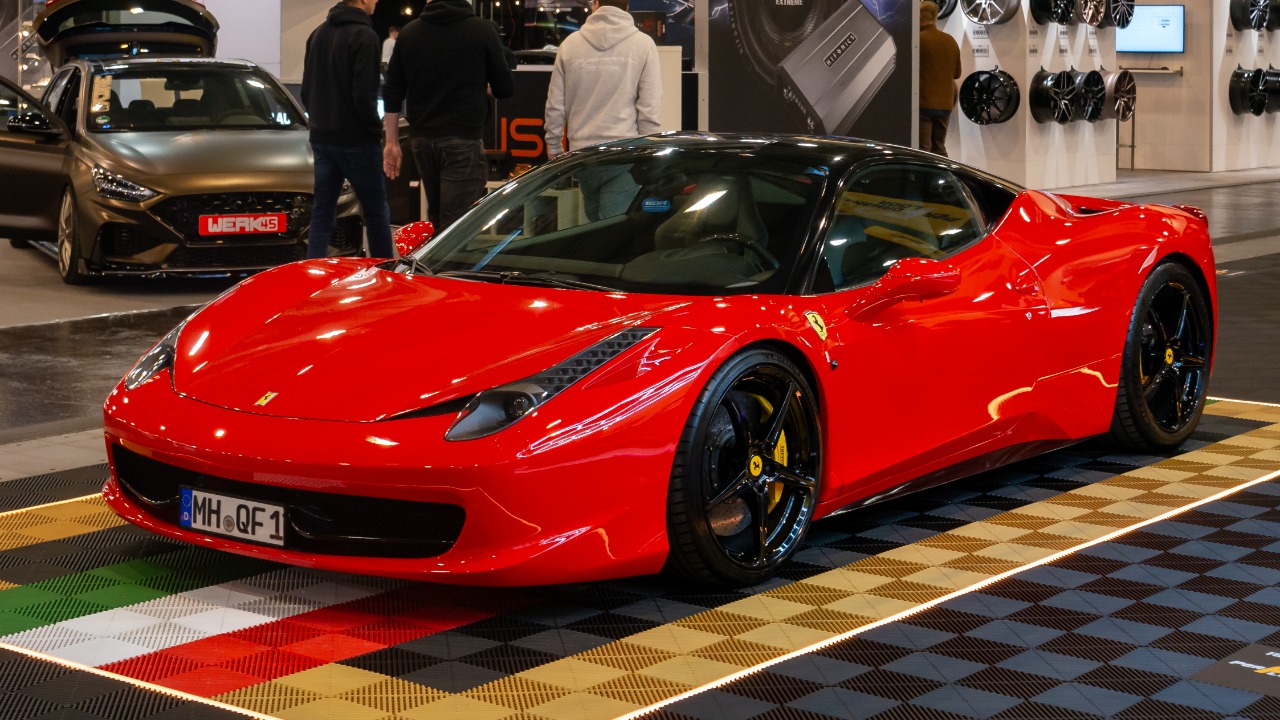
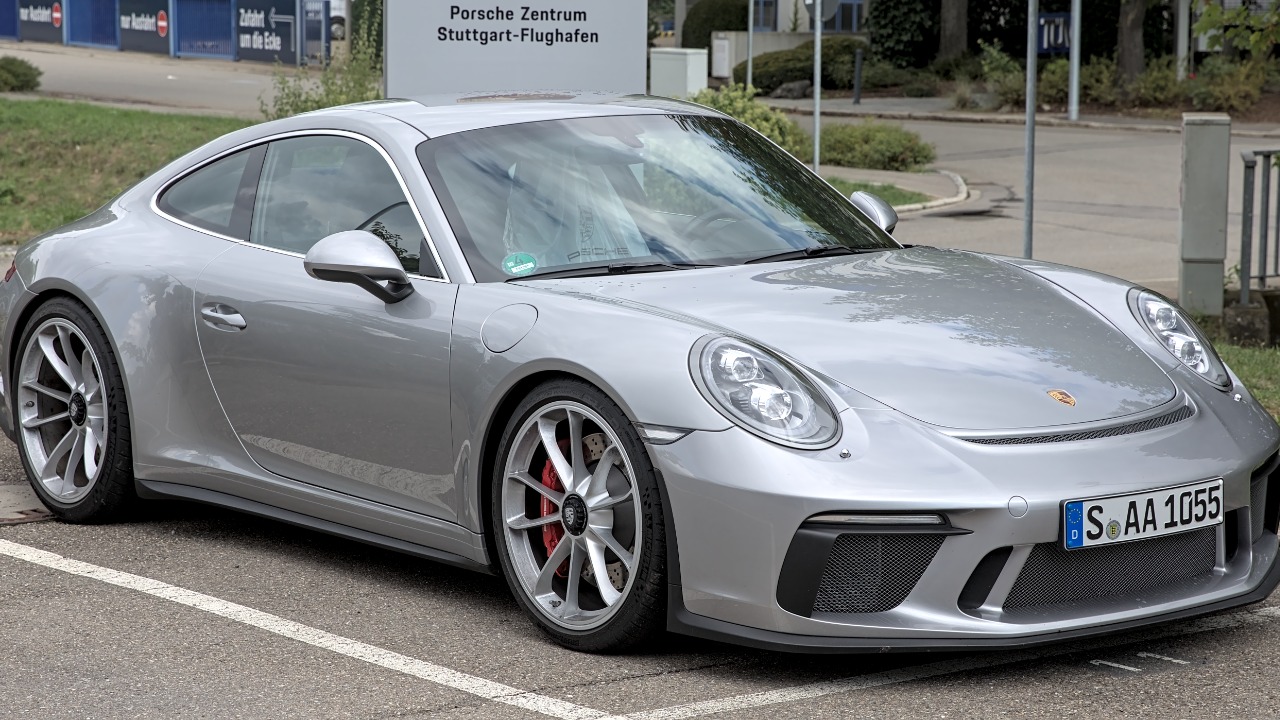
The supercar market is constantly evolving, with trends often reflecting broader economic conditions. In recent years, some models have experienced a dip in sales due to economic uncertainties and increased competition from electric and hybrid vehicles. Despite this, consumer interest in supercars remains strong, driven by the unique combination of performance and prestige these vehicles offer. Economic fluctuations have also impacted supercar prices, sometimes making them more accessible. For instance, certain models like the Ferrari 458 have depreciated significantly, offering potential buyers an opportunity to own a once untouchable masterpiece. According to a recent analysis, some supercars have depreciated so much that they’re almost affordable, appealing to a wider audience. However, not all supercars lose value equally. Iconic models such as the Porsche 911 GT3 tend to maintain their value, thanks to their enduring appeal and limited production numbers.
Economic Considerations
Owning a supercar is not just about the purchase price; there are significant financial implications to consider. Maintenance costs can be exorbitant, with regular servicing, high-performance tires, and specialized parts adding up quickly. Insurance rates for supercars also tend to be higher than average, reflecting the increased risk and high repair costs associated with these vehicles. Fuel consumption is another consideration, as these high-performance machines are rarely fuel-efficient. Financing options are varied, with interest rates playing a critical role in the overall cost of ownership. Prospective buyers should evaluate whether the current financial climate offers favorable conditions for securing a loan. Additionally, some supercars are considered viable investments. Historically, certain models have appreciated over time, turning into collector’s items. A study on investment potential suggests that while the majority of vehicles depreciate, supercars from iconic brands can sometimes buck this trend, offering a financial return on investment.
Cultural and Lifestyle Factors

The cultural aspect of owning a supercar cannot be understated. Being part of a supercar community offers numerous social benefits, from networking opportunities to exclusive events. Supercar clubs and social media platforms have significantly influenced purchase decisions, as enthusiasts share their experiences and insights online. A study on supercar communities highlights how these networks can affect a buyer’s decision, emphasizing the importance of camaraderie and shared passion among owners. From a lifestyle perspective, supercars often reflect personal identity and status. They can symbolize success and achievement, resonating with buyers who align their lifestyle with the exclusivity and performance these vehicles offer. However, practical considerations such as daily usability and storage shouldn’t be overlooked. Many supercars are not practical for everyday use due to their limited cargo space, low ground clearance, and fuel consumption.
Technological Advancements
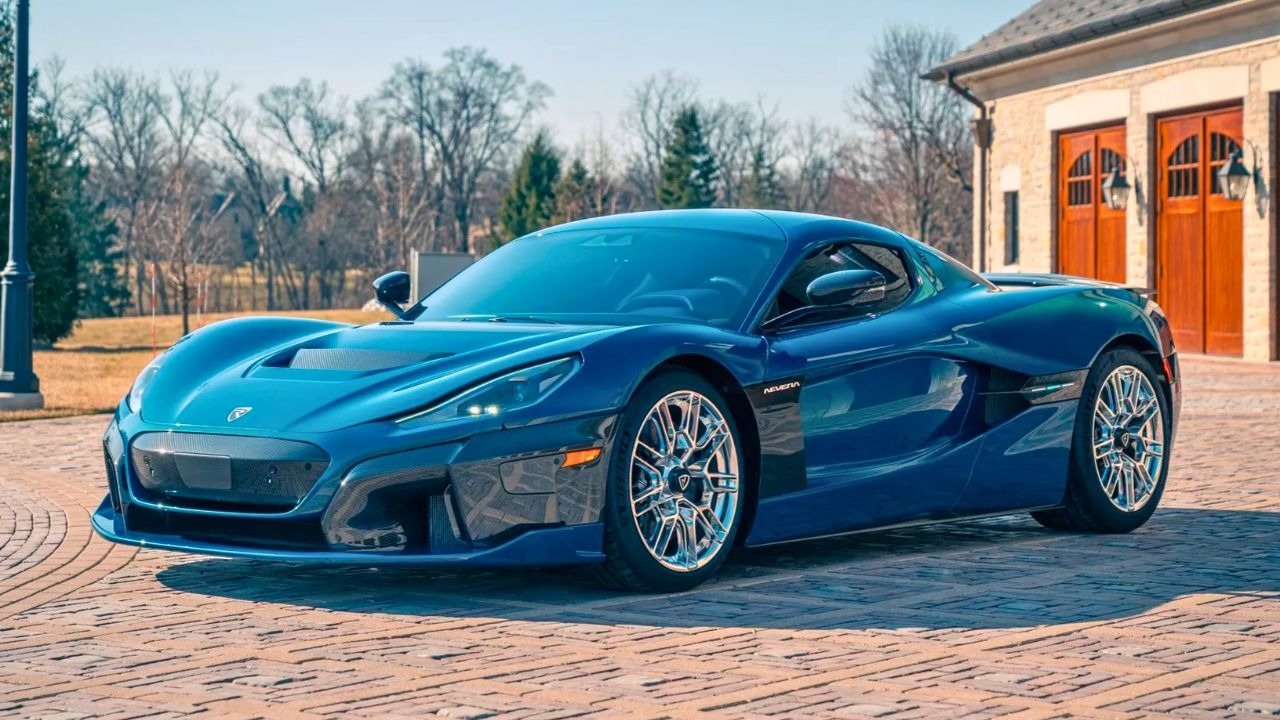
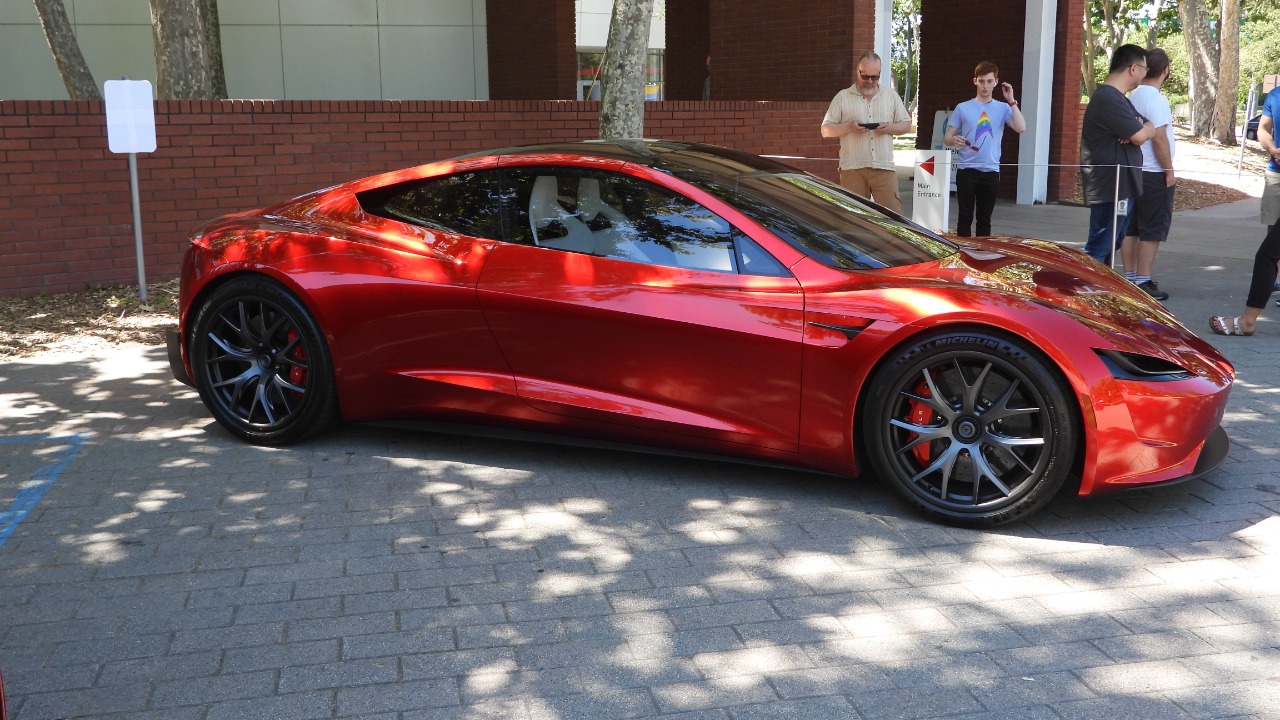
Technological advancements in supercar design continue to push the boundaries of performance and innovation. Recent developments in aerodynamics, materials science, and powertrain engineering have resulted in vehicles that are faster and more efficient than ever before. The integration of advanced electronics and driver-assistance technologies further enhances the driving experience, making modern supercars both exhilarating and safer to drive. Looking ahead, the future of supercar technology seems poised to embrace sustainability. The rise of electric and hybrid models is reshaping the landscape, as manufacturers strive to balance performance with environmental responsibility. Companies like Tesla and Rimac are leading the charge in electric supercar development, challenging traditional manufacturers to innovate. As regulations on emissions tighten globally, the shift towards sustainable supercar designs is likely to accelerate. A report on future trends suggests that this evolution will not only enhance performance but also broaden the appeal of supercars to a new generation of environmentally conscious buyers.
External Influences
Regulatory and environmental factors significantly impact the supercar market. Government policies, such as emissions standards, influence production practices and can affect the availability of certain models. As countries around the world implement stricter environmental regulations, manufacturers may face challenges in balancing performance with compliance. The potential for increased taxation on high-emission vehicles could also deter some buyers, affecting overall demand.
Global events, such as pandemics or geopolitical tensions, can also influence consumer behavior and supercar sales. During periods of economic instability, luxury purchases often decline as consumers prioritize essential spending. Additionally, supply chain disruptions can affect supercar availability and pricing, as seen during recent global events. These factors underscore the importance of timing when considering a supercar purchase. For those interested in the market’s current state, a video analysis provides insights into how these external influences shape consumer decisions.
Like Fast Lane Only’s content? B
e sure to follow us.Here’s more from us:
*Created with AI assistance and editor review.