For years, drivers have complained that modern car cabins feel more like confusing smartphones than intuitive machines. Kia is now positioning itself as the rare automaker willing to admit that the industry went too far, and to chart a different course. Instead of forcing every function into a screen, the company is promising a new interior philosophy that keeps physical controls where they matter most while still expanding digital features.
The move directly targets one of the most persistent frustrations in contemporary vehicles: the simple act of changing temperature, volume, or drive mode has become a multi-tap chore. By rethinking how drivers interact with their cars, Kia is betting that a calmer, more tactile cockpit can be a competitive advantage, not a nostalgic indulgence.
Why drivers are fed up with all-screen dashboards
Modern interiors have been dominated by the idea that bigger touchscreens and fewer buttons equal progress, yet daily use has exposed the limits of that logic. Many drivers now find that basic tasks, such as adjusting climate settings or activating seat heaters, require diving into deep touchscreen menus that pull attention away from the road. Reports on Kia’s new strategy explicitly describe how these Deep menu structures have become a source of irritation for drivers of all types, from tech enthusiasts to those who simply want straightforward controls.
This frustration is not just about taste, it is about cognitive load and safety. When a driver must remember which submenu hides the defogger or how to swipe through layered icons at highway speeds, the interface has failed its most important test. Coverage of Kia’s shift notes that the company is Responding to growing Driver Frustration, acknowledging that the problem lies not only in interior design but also in the way functions are buried behind glass. The phrase “Touchscreen fatigue” has become shorthand for this backlash, and Kia’s leadership appears to have accepted that the all-digital experiment has gone too far for everyday usability.
Kia’s new philosophy: digital where it helps, buttons where it counts
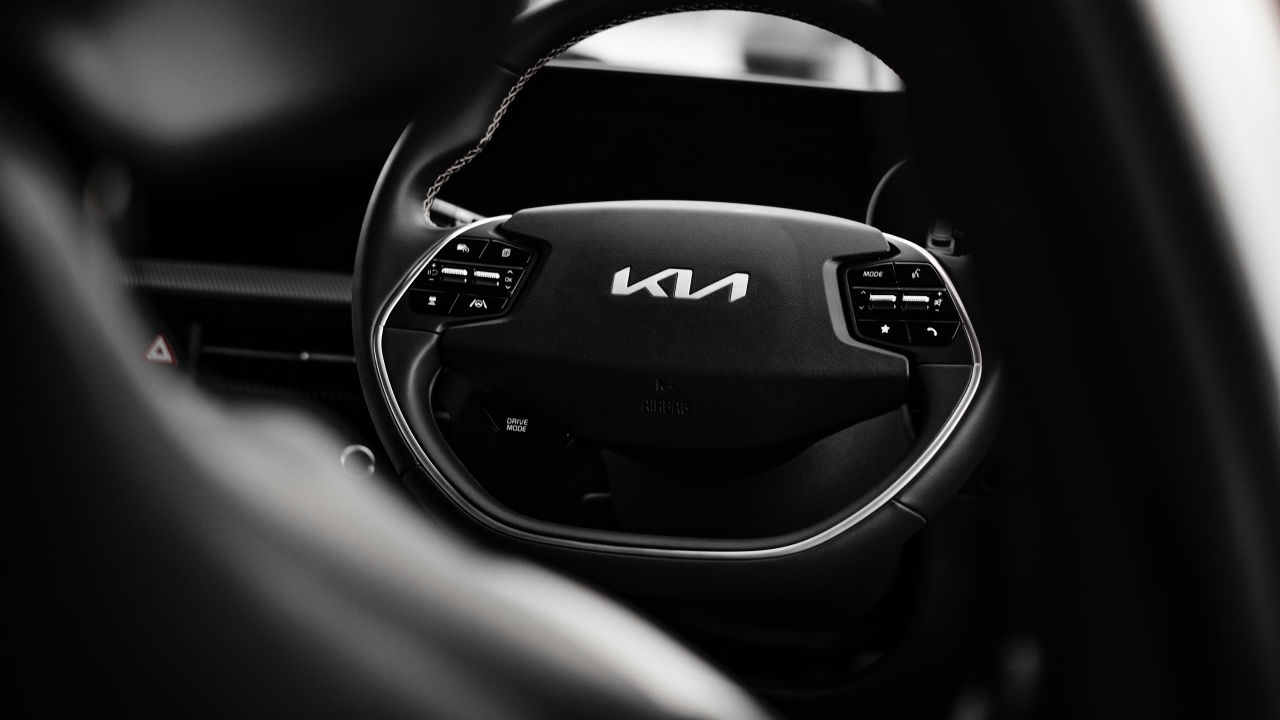
Rather than abandoning technology, Kia is trying to redraw the boundary between physical and virtual controls. The company has signaled that it will continue to expand connected and digital features, including sophisticated infotainment and over-the-air capabilities, but it will keep key buttons intact for the most frequently used functions. Reporting on the strategy explains that Kia intends to preserve dedicated controls for essentials such as climate, audio volume, and core driver-assistance toggles, instead of relegating them to layered touch interfaces.
This approach is framed as a deliberate balance between screens and hardware, not a retreat from innovation. Analyses of Kia’s plan describe a design rule of thumb: if accessing a function requires multiple taps or swipes, it should be reconsidered for a physical shortcut. That principle directly addresses the Driver Frustration that has built up as automakers chased minimalist dashboards at the expense of ergonomics. By committing to a hybrid layout, Kia is effectively arguing that the most advanced cabin is not the one with the fewest buttons, but the one that lets drivers operate the car with the least mental effort.
How this will change future Kia cabins
The practical impact of Kia’s decision will be felt in the layout of upcoming models, where the company is expected to refine the mix of screens and tactile controls rather than simply adding more display real estate. Reporting tied to the 2026 Kia EV9 indicates that the brand is already integrating this thinking into its larger electric vehicles, pairing wide digital panels with rows of physical keys for core functions. Instead of hiding everything in a central touchscreen, the cabin is being organized so that the most common tasks can be performed by feel, with minimal eye movement.
Inside these future cabins, drivers are likely to see a clearer hierarchy of interaction. Large displays will still handle navigation, media browsing, and advanced vehicle settings, but quick-access operations will be anchored by knobs and buttons that sit within easy reach. Sources describing Kia’s interior direction emphasize that this is not a cosmetic tweak, it is a structural change in how the human-machine interface is conceived. By treating physical controls as a first-class part of the design, rather than an afterthought, Kia is attempting to restore a sense of mechanical confidence that many drivers feel has been lost in the touchscreen era.
Listening to driver frustration, not just design trends
What sets Kia’s move apart is the explicit acknowledgment that the company is Responding to Driver Frustration, rather than simply following a styling trend. Reports on the new philosophy stress that customer feedback has been central: drivers have repeatedly signaled that they value clarity and immediacy over ultra-clean dashboards that look impressive in photos but feel awkward in daily use. By treating those complaints as a design brief instead of a nuisance, Kia is positioning itself as more attentive to real-world experience than to showroom theatrics.
This responsiveness also reflects a broader competitive context. Analyses of Kia’s strategy note that the problem is not confined to one brand or region, and that the company is watching how rivals, including aggressive Chinese manufacturers, are experimenting with different balances of physical and digital controls. In that environment, simply copying the prevailing minimalist template would risk blending into the crowd. By publicly committing to keep essential buttons and to avoid burying functions in Deep touchscreen layers, Kia is using customer irritation as a guidepost for differentiation, turning a common complaint into a strategic opportunity.
What it means for the wider car industry
Kia’s decision has implications that extend beyond its own showrooms, because it challenges a decade of assumptions about what a “modern” interior should look like. If a major global brand can admit that “Touchscreen” overload has gone too far and still present itself as technologically forward, it undercuts the notion that progress must always mean fewer buttons and more glass. Industry observers already describe Kia as Fixing What Drivers Hate Most About Modern Car Interiors, a phrase that captures both the scale of the problem and the ambition of the response.
Other automakers will be watching how customers respond to this recalibrated cockpit. If buyers reward Kia for its more tactile, less distracting layouts, it could encourage a broader rethink of interior design priorities, with ergonomics and cognitive simplicity returning to the forefront. The reporting that first highlighted Kia’s shift, including analysis by Jan and Stephen Rivers, frames the move as part of a larger conversation about how technology should serve drivers rather than overwhelm them. In that sense, Kia is not only redesigning its dashboards, it is testing whether the industry is ready to admit that the smartest car interior might be the one that lets drivers stop thinking about the interface at all.
More from Fast Lane Only