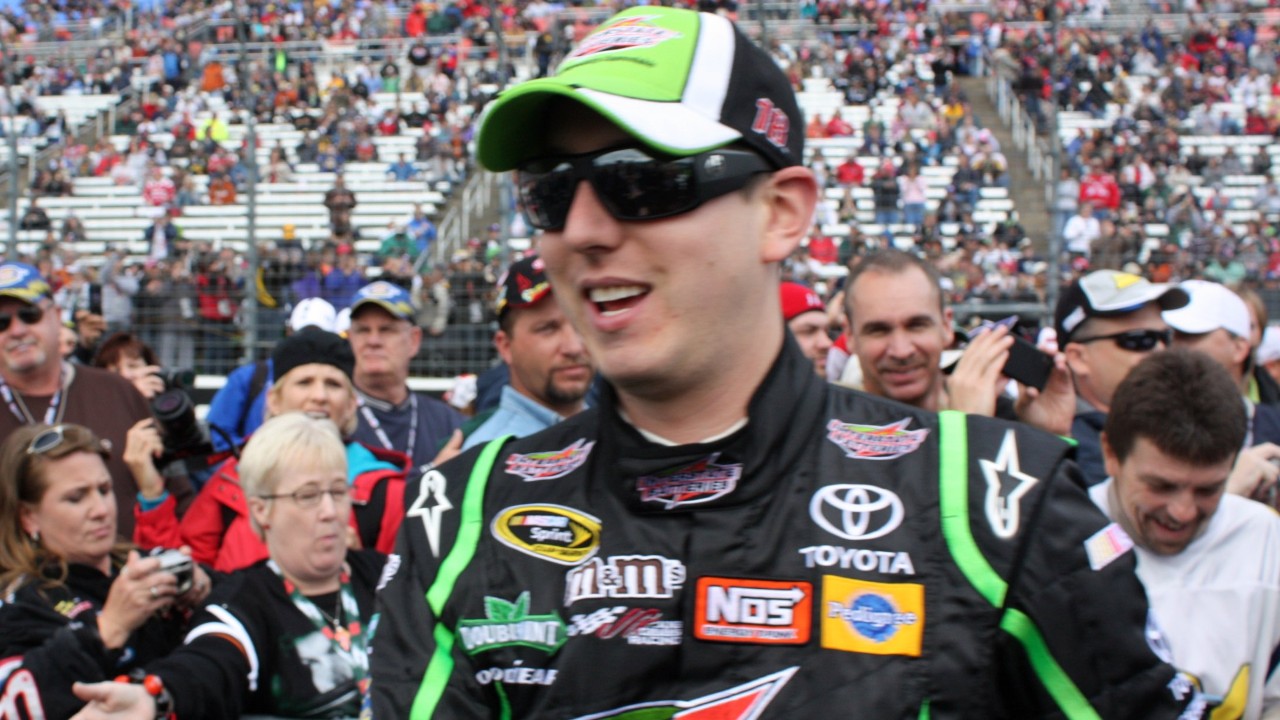
Kyle Busch has spent his career turning grandstands into dueling choruses of cheers and boos, and he has done it while stacking up a record book that looks almost unreal. His polarizing style is not a side plot to his success, it is the engine that keeps pushing him to more trophies, more laps led, and more arguments in the garage.
He is widely regarded as one of the greatest drivers of his generation in NASCAR history, and the same traits that make some fans bristle are the ones that keep him in the fight every single week. To understand why he keeps winning, I have to start with the uncomfortable truth that the sport’s favorite villain is also one of its most relentlessly effective competitors.
The numbers that make Kyle Busch impossible to ignore
Before anyone gets to the attitude, the hand gestures, or the radio rants, the raw production forces me to take Kyle Busch seriously. Busch owns the most all-time NASCAR national series wins with 231, a staggering total built from 63 NASCAR Cup Series wins, 102 NASCAR Xfinity Series wins and dozens more in the Truck Series. That kind of volume is not just a function of longevity, it is evidence of a driver who shows up in almost any vehicle, at almost any track, and finds a way to run at the front. When he crossed the milestone of 200 national series victories, it cemented his place among the sport’s all-time elite and made it impossible to talk about modern NASCAR without putting his name near the top.
Those numbers land differently because of how he gets them. Busch is known for his dominance across the NASCAR ladder, hopping between the Cup Series, Xfinity Series and Trucks and often winning in all three within the same season. Critics complain that when he drops into lower series he “stinks up the show” for the regulars, a frustration that has been voiced for years by fans who see him as a big-league star beating up on what some call “minor leaguers” in the Cup Series feeder ranks. That tension, between a driver chasing every checkered flag he can find and a fan base that sometimes wants a more level playing field, is baked into his legacy as much as the trophies themselves.
Why his aggressive edge turns fans into lovers and haters
What fascinates me about Kyle Busch is how cleanly the fan base splits around him. There is no denying that Busch is a polarizing figure among fans, and that divide is not accidental. Many love his passion and drive, the way he refuses to hide his emotions after a win or a loss, and they see that fire as proof that he cares as deeply as they do about every lap. Others look at the same behavior and see arrogance, entitlement, or a lack of respect for competitors, which is why grandstands often erupt in boos even as he climbs out of a winning car. That emotional charge is part of what keeps people glued to his every move.
His supporters latch onto the swagger and the ruthless competitiveness. His fans love his aggressive style and his “Second place is the first loser” attitude, a mantra that fits perfectly with a driver who openly says he hates losing more than he enjoys winning. When Kyle Busch talks about how he hates losing more than he enjoys winning, he is not offering a cute soundbite, he is explaining the core operating system that drives him to dive into gaps where other Drivers would lift. The flip side is just as intense. His critics see the same aggression as reckless, point to incidents where he has roughed up rivals, and argue that he “stinks up the show” when he dominates a race from start to finish. That love-hate dynamic is exactly why he remains the most talked-about driver in the garage even on weekends when he does not win.
The on-track incidents that hardened his villain image
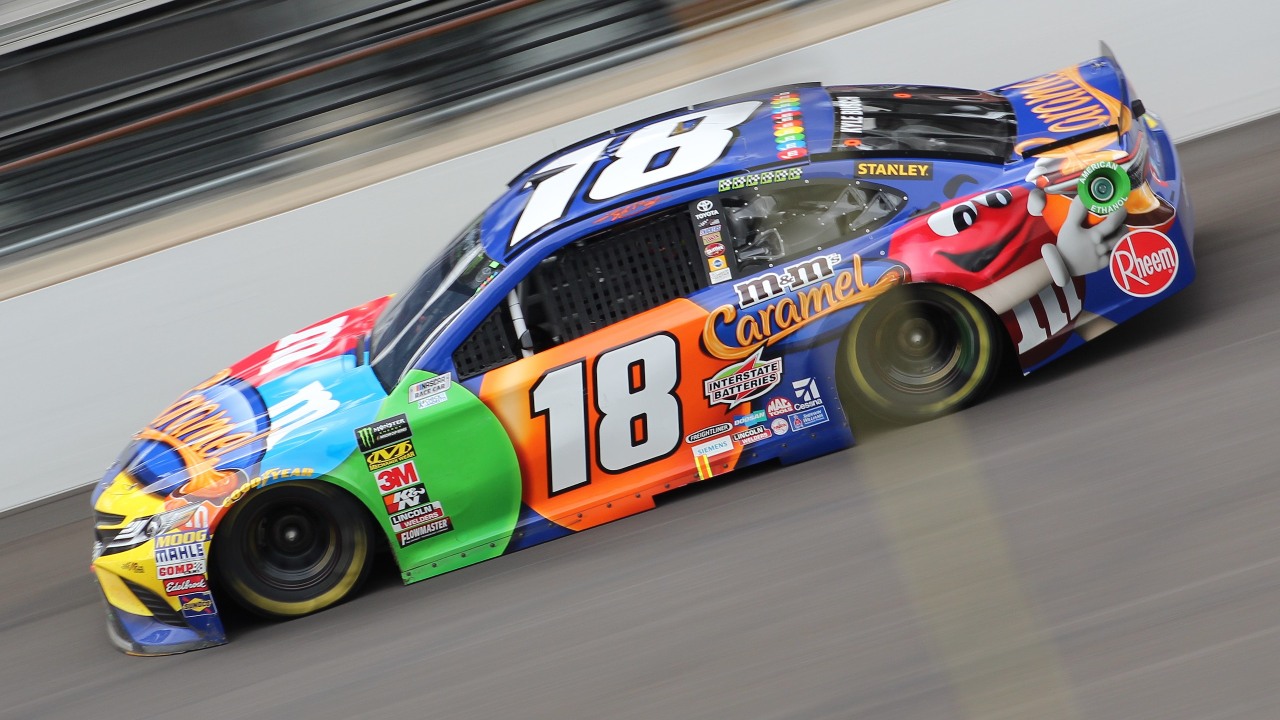
Busch’s reputation did not form in a vacuum, it was forged in very public moments when his temper and intensity boiled over. At Texas, he once made an obscene hand gesture toward a NASCAR official that was caught on live television from his in-car camera, a flash of frustration that instantly became part of his highlight reel for all the wrong reasons. Episodes like that, combined with run-ins with other drivers, have given his detractors plenty of ammunition and reinforced the idea that he is willing to cross lines that others will not. Even he has acknowledged that some of those moments went too far, but the memory of them lingers every time he finds himself in the middle of a new controversy.
On the track, he has long walked a fine line between hard racing and outright provocation. Because in NASCAR, competitors can make another driver’s job miserable and difficult if they so desire, and Busch has never been shy about using his bumper or his air to send a message. That willingness to race where some would not dare, to put his car in tight spots and force others to make a decision, is part of what keeps him near the front. It is also what fuels the boos when he climbs from the car, since every bold move that wins him a race usually costs someone else a shot at glory. The villain label sticks in part because he seems comfortable wearing it, and in part because his rivals know he will not back down just to make friends.
The mindset that keeps him fast, even as the sport evolves
What keeps me intrigued is how a driver with such a combustible image has managed to adapt as NASCAR itself has changed. Earlier this year, Kyle Busch talked about how his perspective and racing style have evolved over the course of his NASCAR career, reflecting on the difference between the kid who jumped into the sport and the veteran who now has to think about the long game. He still burns to win, but he has acknowledged that experience has taught him when to push and when to manage, when to take a risk and when to bank points. That kind of self-awareness is not what people expect from a caricatured villain, yet it is a big part of why he remains competitive deep into his career.
He has also shown that his competitive streak is not limited to the driver’s seat. When asked about how NASCAR’s fandom has changed and how he spends his time, he rattled off a list that sounded like a teenager’s dream: Everything from Video games to pool and ping pong, even joking that people should Ask Austin Dillon about how intense their pickleball battles get. That relentless need to compete at everything, whether it is a console race or a backyard game, mirrors the way he approaches Sundays. It is not that he flips a switch when he straps into the car, it is that the switch never really turns off, and that constant edge keeps him sharp in a field where tiny lapses can cost a race.
Why his polarizing style still translates into wins in the Next Gen era
As NASCAR’s Next Gen car has reshaped the Cup Series, some of Busch’s old habits have been tested. His aggressive style, which was once purely beneficial, has at times started to cost him spins and opportunities in this new package, and Busch only has a couple of seasons in the latest car to show for it so far. His, once automatic, ability to muscle the car around traffic now has to be balanced against a platform that punishes overstepping the limit more quickly. Yet even as he adjusts, the same instincts that made him a terror in the previous generation still give him an edge when the race turns chaotic and others hesitate.
What keeps him in the conversation is that his core approach has not softened, it has sharpened. He still hates losing more than he enjoys winning, still believes that second place is the first loser, and still races with a chip that dates back to his earliest days in the Cup Series. The difference now is that he layers that mindset on top of two decades of experience, a deep understanding of how NASCAR races unfold, and a statistical record that already includes 200 national series wins and a total of 231 across NASCAR’s top tours. That combination of raw edge and refined craft is why, love him or hate him, I still expect Kyle Busch to keep finding ways to win long after the boos and cheers fade into the background noise of another Sunday afternoon.