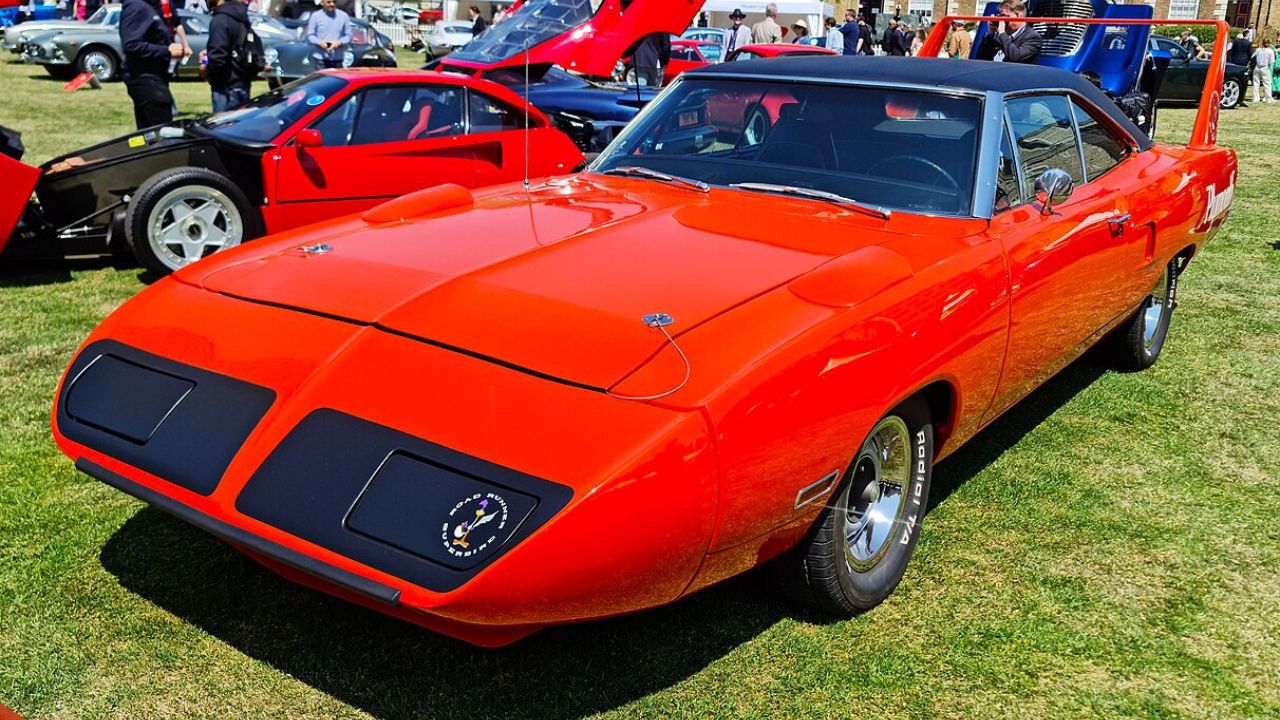
The 1970 Plymouth Road Runner arrived at a moment when muscle cars were starting to trade grit for comfort, yet it doubled down on being loud, simple, and unapologetically fast. While rivals layered on luxury trim and complex options, this B-body coupe kept its focus on straight-line speed, bare-bones hardware, and a price that still made big-block power feel attainable. Its mix of subtle updates and stubbornly old-school engineering is what allowed it to stay raw even as the rest of the segment softened.
Viewed today, the 1970 model year stands out as a pivot point, when the Road Runner refreshed its look and cabin but refused to abandon the stripped-down formula that had made it a hit. The car evolved just enough to stay current, yet its core remained a budget bruiser built around torque, noise, and minimal frills.
Fresh sheetmetal, same blue-collar mission
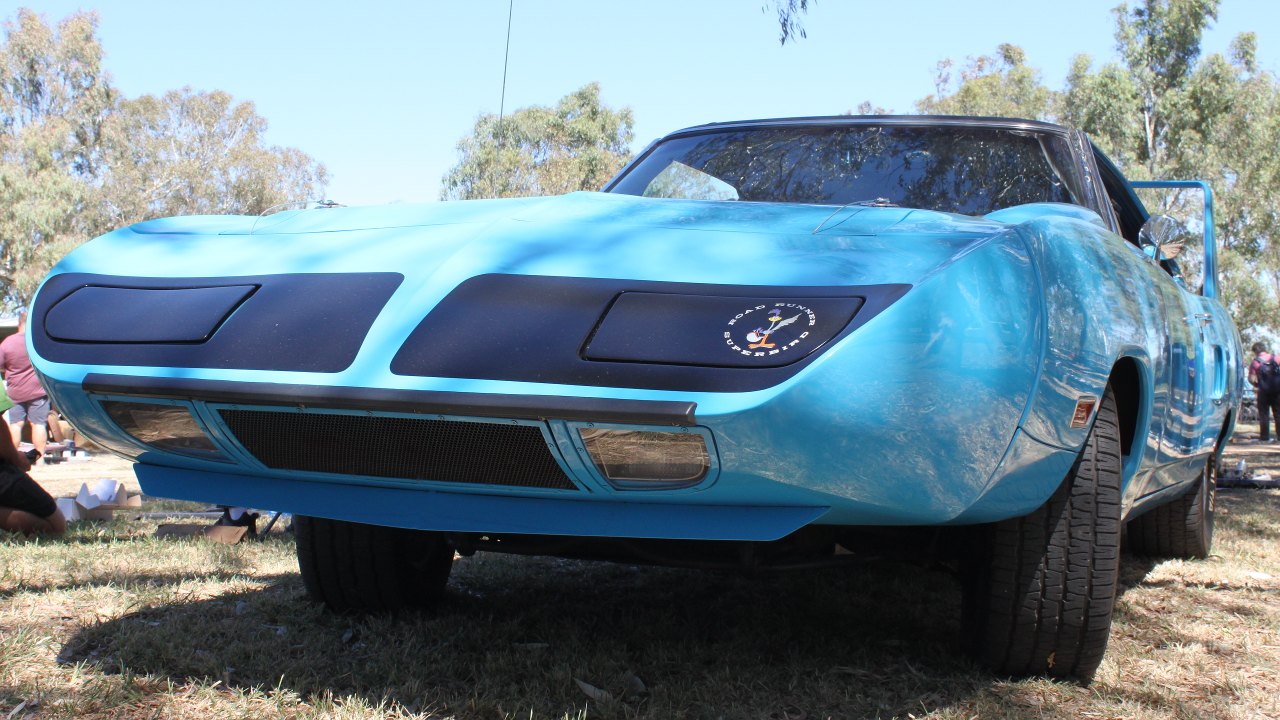
The most obvious change for 1970 was visual, with new front and rear treatments grafted onto the basic 1968 body shell. The updated nose and tail gave the Road Runner a sharper, more aggressive face without altering its fundamental proportions or adding unnecessary ornament. According to 1970 model year documentation, the car kept the same underlying structure, which meant the familiar long hood, short deck, and relatively plain flanks stayed intact even as the lighting and grille details changed.
That decision to re-skin rather than reinvent mattered. It signaled that Plymouth was not chasing the more upscale, curvy redesigns that were starting to creep into the muscle segment. The Road Runner still looked like a work shirt compared with some rivals’ tailored suits, and the new front and rear styling simply sharpened that image instead of softening it. In period and in modern walk-arounds like the one from Jun on the Ritual Rules Vault channel, the car still comes across as a blunt instrument, its updated sheetmetal serving mainly to frame the stance and the engine rather than to turn it into a fashion piece.
Engines that kept the menace intact
Under the hood, the 1970 Road Runner stayed committed to big displacement and straightforward power delivery. The model continued to offer serious V8 options that prioritized torque and noise over refinement, a choice that kept it aligned with dragstrip culture rather than boulevard cruising. As the engine lineup details confirm, the car did not pivot to smaller, more economical powertrains as standard fare, even as insurance pressures and fuel concerns were starting to nibble at the muscle market.
That mechanical stubbornness is part of why the 1970 Road Runner still feels raw today. In the Ritual Rules Vault feature, Jun treats the car as a kind of time capsule, walking through a powertrain that is all about mechanical connection and unfiltered response. There is no attempt to hide vibration or exhaust bark, and the drivetrain remains the centerpiece of the experience. While some competitors were beginning to emphasize quieter cabins and smoother manners, the Road Runner’s engine choices kept it firmly in the camp of cars that wanted to be heard and felt first, and judged on comfort a distant second.
A cabin that added function, not fluff
Inside, the 1970 Road Runner did gain a notable upgrade, but it was one that enhanced driver focus rather than luxury. New for Road Runner in 1970 was the “rallye” dashboard, a cluster that essentially borrowed the 1968 Dod Charger layout and dropped it into Plymouth’s budget bruiser. Reporting on a pristine “1 of 59” example highlights how this RALLYE DASH brought round gauges and a more performance-oriented layout to the car without turning the interior into a plush lounge.
The key is that this change was about information and control, not about soft-touch materials or extra sound deadening. The rallye dashboard made it easier for drivers to monitor revs and speed at a glance, reinforcing the Road Runner’s identity as a driver’s car. Paired with hardware like the Hurst Pistol Grip shifter described in the same coverage, the cabin remained a place built around shifting, revving, and watching the tach, not reclining in comfort. Where other muscle cars were starting to flirt with woodgrain and thicker padding, the Road Runner’s new dash simply sharpened the tools in front of the driver and left the rest of the interior largely unpretentious.
Options that sharpened the edge instead of softening it
The 1970 Road Runner’s options list also reveals how Plymouth chose to double down on performance rather than comfort. The availability of the rallye dashboard and the Hurst Pistol Grip shifter, as highlighted in the DodgeGarage look at a rare example, shows that when Plymouth added features, they were aimed at making the car more precise and engaging to drive. The pistol grip in particular turned shifting into a more deliberate, mechanical act, reinforcing the sense that the driver was working with the gearbox rather than being insulated from it.
Even in enthusiast coverage like Jun’s Ritual Rules Vault episode, the focus falls on these tactile, performance-oriented pieces rather than on any attempt to dress the car up. The Road Runner’s identity remained tied to its hardware, from the way the shifter felt in the hand to the way the gauges framed the engine’s behavior. That stands in contrast to contemporaries that were beginning to offer more elaborate trim packages, vinyl roofs, and comfort options that diluted the original muscle car brief. The Road Runner’s most celebrated upgrades for 1970 were the ones that made it more of a driver’s tool, not a nicer place to sit.
Why the 1970 Road Runner still feels unfiltered today
Looked at from today’s vantage point, the 1970 Plymouth Road Runner reads like a last stand for the original muscle car formula. The body received a fresh face, the interior gained a rallye dashboard, and the shifter evolved into a pistol grip, yet the car never lost sight of its mission as a relatively affordable, big-engine, low-frills performance machine. The core structure carried over from 1968, the engine choices stayed serious, and the most meaningful upgrades were all about how the driver interacted with the car rather than how pampered they felt inside it, as reflected in both the model history and the detailed heritage feature.
That is why, when Jun walks around a 1970 Road Runner on Ritual Rules Vault and describes it as a legendary ride where “horsepower never dies,” the car still comes across as raw rather than nostalgic. The styling tweaks, rallye dash, and pistol grip shifter did not civilize the Road Runner so much as they sharpened its purpose. In an era when many muscle cars were starting to chase comfort and image, the 1970 Road Runner stayed focused on the basics: a tough body, a serious engine, and a cockpit that put the driver in direct conversation with the machinery. Unverified based on available sources whether every competitor softened at the same pace, but within the reporting at hand, the Road Runner’s refusal to lean into luxury is what keeps its reputation so unfiltered today.