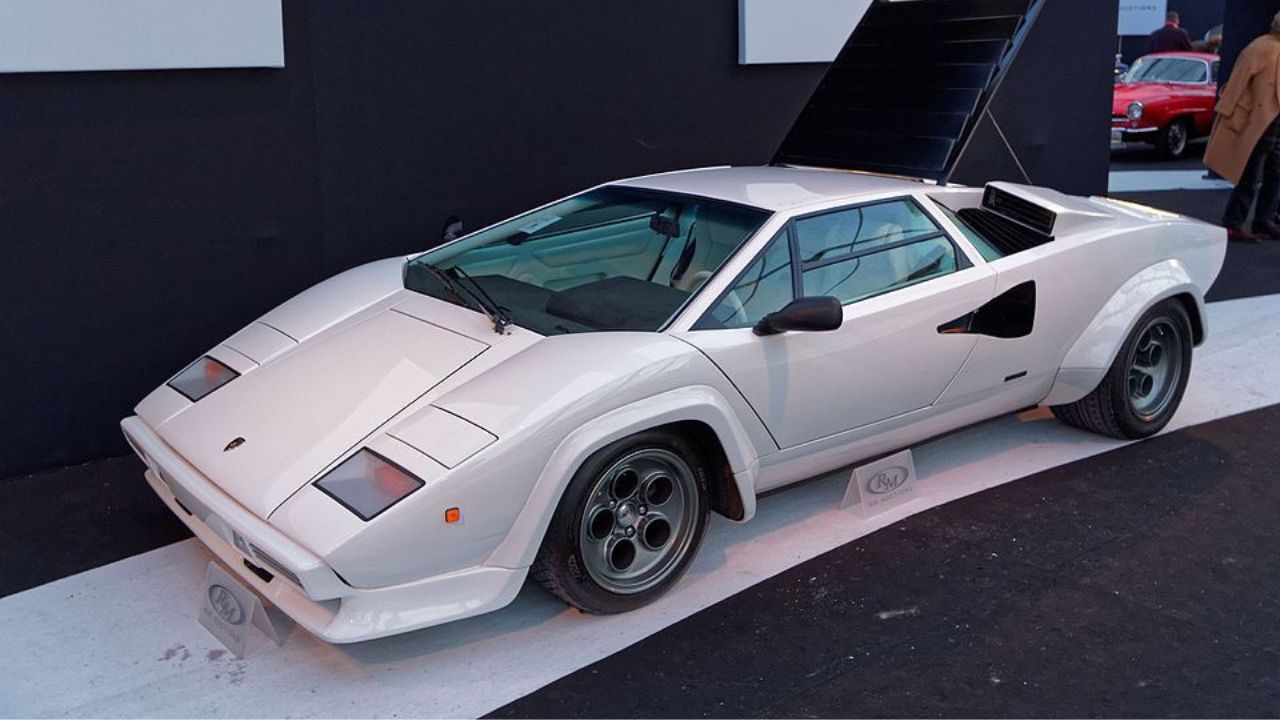
Lamborghini is synonymous with bold design and high performance, yet not all of its creations have basked in the limelight. While models like the Countach and Aventador are well-known, others have quietly slipped into the background. Let’s delve into eight Lamborghinis that deserve recognition but never quite made it to center stage.
Lamborghini Athon
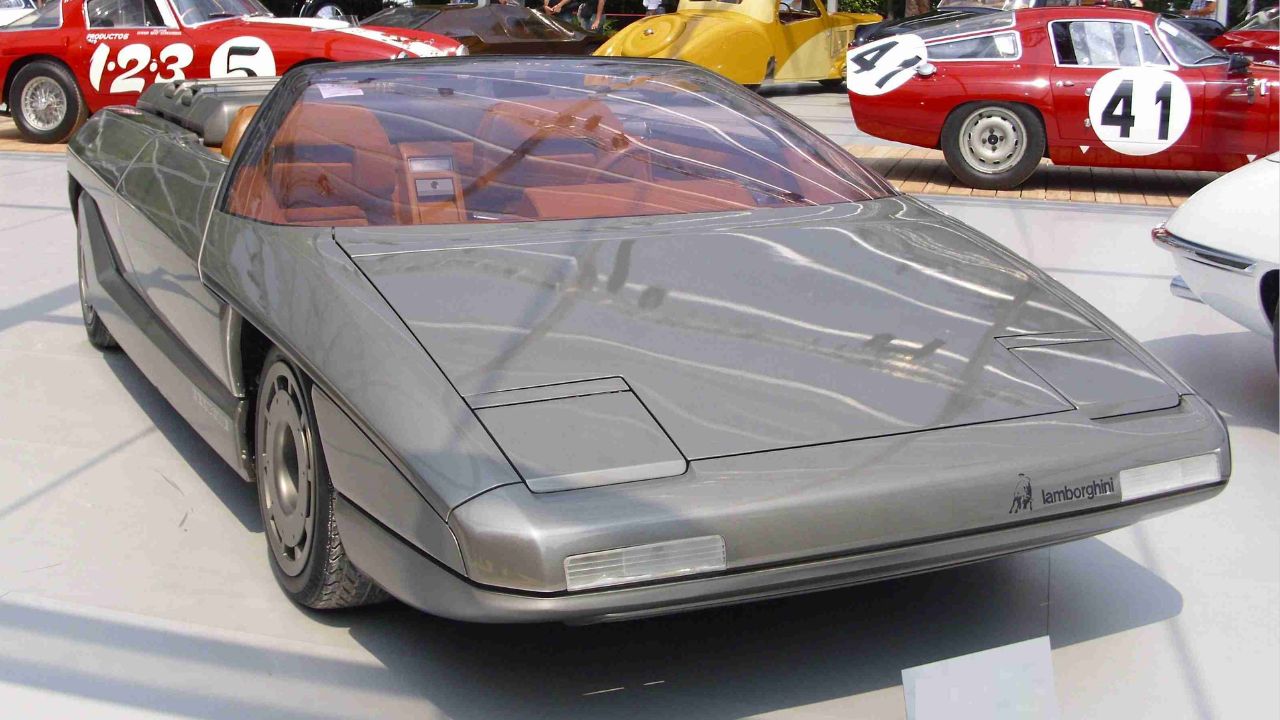
Unveiled at the 1980 Turin Motor Show, the Lamborghini Athon was a stunning concept car designed by Bertone. Its futuristic design featured a wedge shape and an open-top, highlighting the era’s penchant for angular aesthetics. Despite its striking appearance, the Athon never transitioned into production, remaining a captivating glimpse into what could have been.
Built on the chassis of a Lamborghini Silhouette, the Athon was powered by a 3.0-liter V8 engine. Though it was praised for its design, Lamborghini faced financial difficulties during this period, which halted further development. Today, the Athon remains a symbol of the brand’s visionary concepts.
Lamborghini Bravo
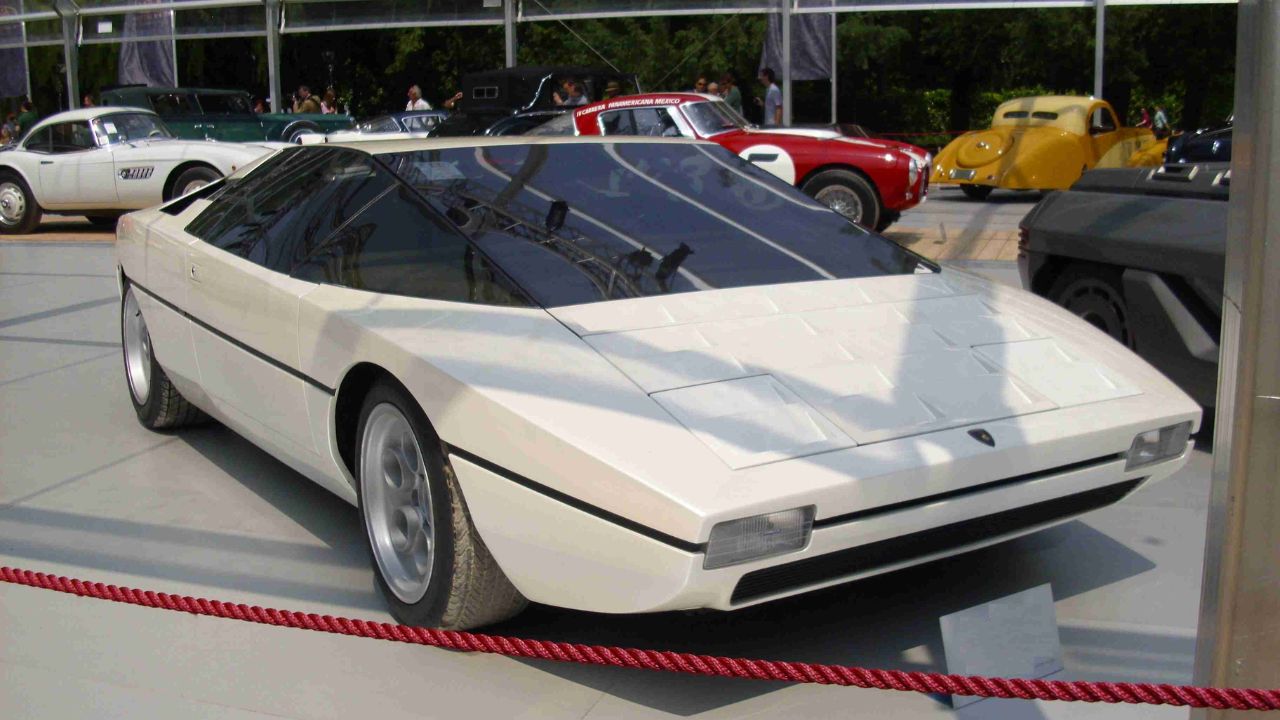
The Lamborghini Bravo was introduced in 1974 as a concept car aimed to replace the Urraco. Designed by Marcello Gandini at Bertone, the Bravo featured an audacious aesthetic characterized by its sharp lines and geometrical shapes. Despite its potential, the Bravo never made it past the prototype stage.
Underneath its hood was a 3.0-liter V8 engine, a nod to its intended successor status. Although the Bravo wowed audiences with its innovative design, economic constraints and changing market demands led Lamborghini to pursue other projects. The Bravo now resides in the Bertone museum, a relic of ambitious design.
Lamborghini Marco Polo
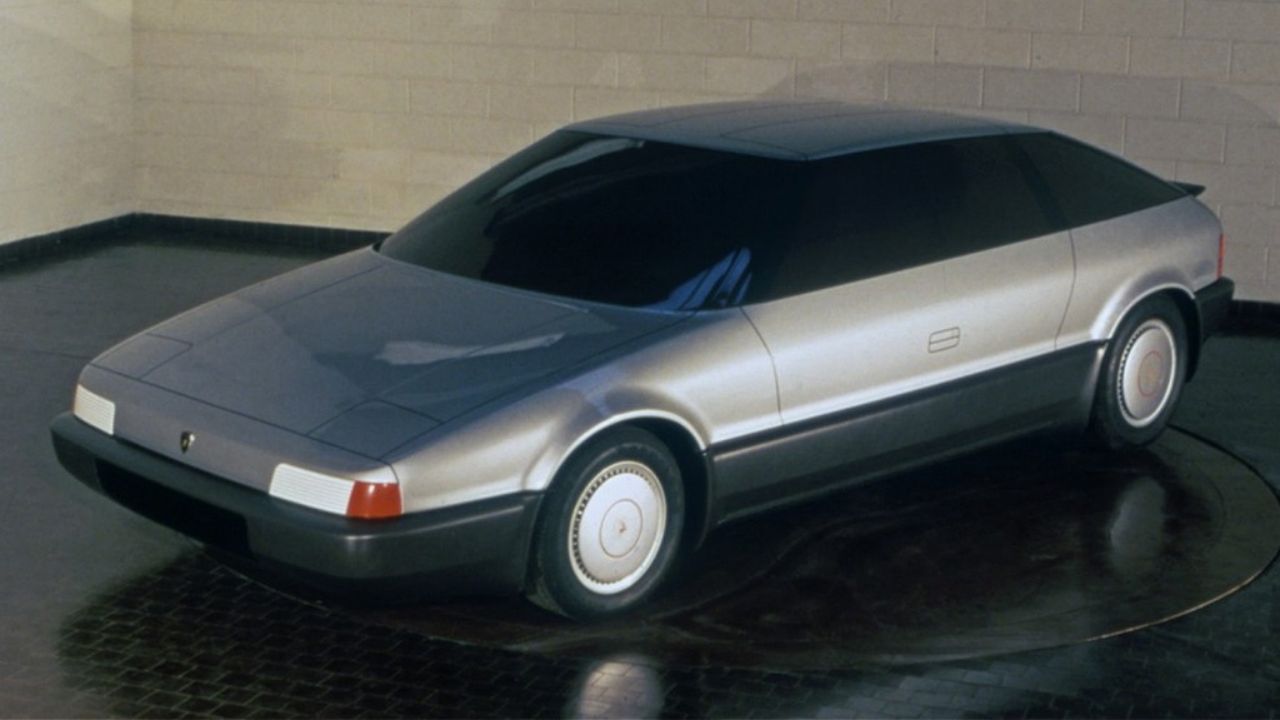
In 1982, Italdesign unveiled the Lamborghini Marco Polo at the Bologna Motor Show. This concept car was a departure from Lamborghini’s traditional designs, opting for a more aerodynamic and smooth profile. It was a stark contrast to the brand’s typical sharp and angular offerings.
Despite its unique design, the Marco Polo never went into production. It was intended to house a V12 engine, showcasing Lamborghini’s commitment to performance even in concept form. The Marco Polo serves as a reminder of the brand’s willingness to explore new design philosophies.
Lamborghini Cala
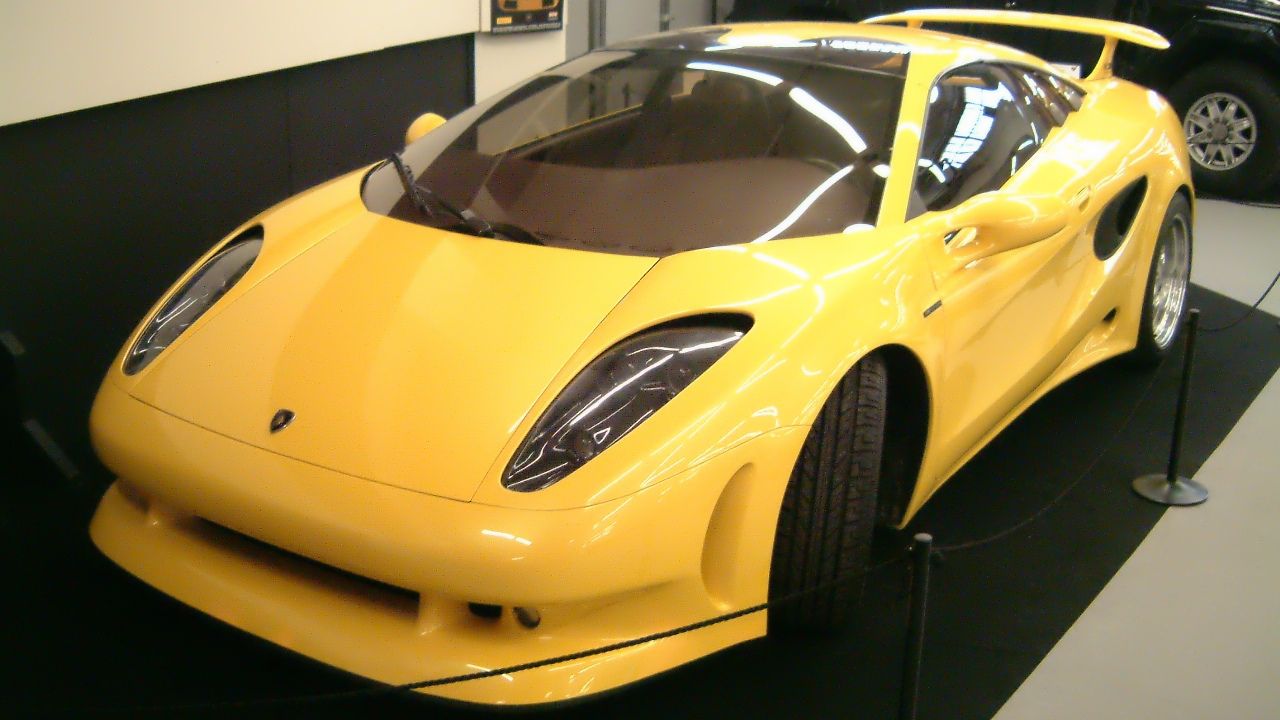
Debuting in 1995, the Lamborghini Cala was a collaboration with Italdesign, featuring styling by Giorgetto Giugiaro. Designed as a potential replacement for the Jalpa, the Cala was equipped with a 4.0-liter V10 engine, promising a blend of performance and style.
Despite generating excitement, the Cala never reached production due to Lamborghini’s acquisition by Audi in 1998, which shifted the brand’s priorities. Nevertheless, the Cala’s influence can be seen in future models, particularly the Gallardo, which inherited its spirit and ambition.
Lamborghini Portofino
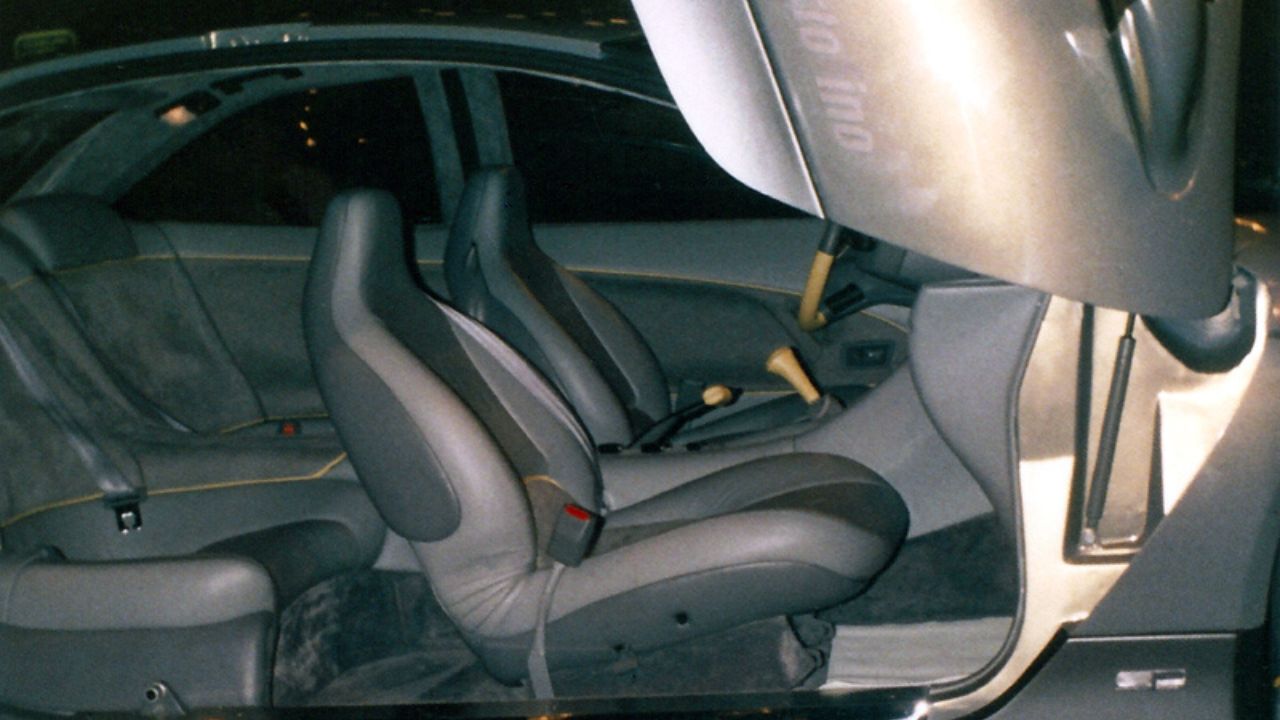
The Lamborghini Portofino was a four-door sedan concept introduced in 1987. Designed by Kevin Verduyn at Chrysler, which owned Lamborghini at the time, the Portofino was a bold attempt to enter the luxury sedan market while maintaining Lamborghini’s sporty edge.
Built on the Chrysler platform, the Portofino featured a V8 engine and a sleek, aerodynamic design. While it never reached production, the concept influenced Chrysler’s subsequent designs and demonstrated Lamborghini’s potential versatility beyond sports cars.
Lamborghini Pregunta
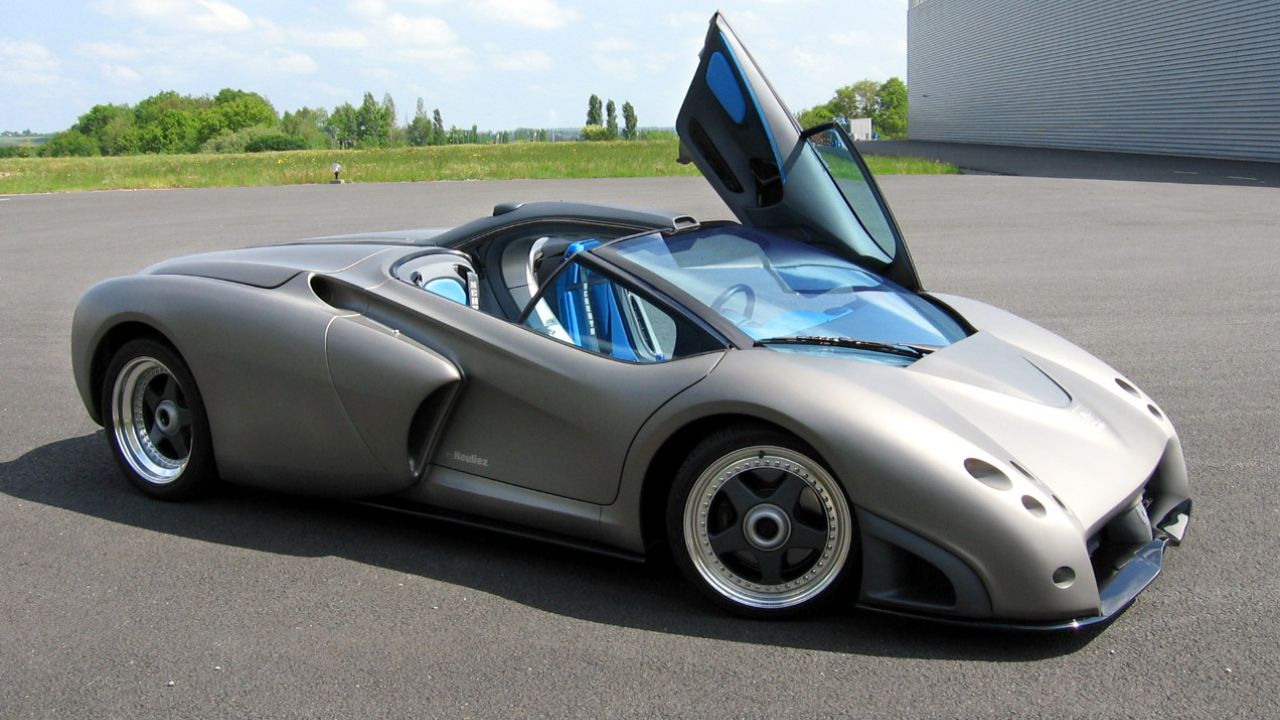
Unveiled in 1998, the Lamborghini Pregunta was a futuristic concept developed by Carrosserie Heuliez. It was based on the Diablo and powered by the same 5.7-liter V12 engine, capable of reaching speeds over 200 mph. The Pregunta was inspired by aerospace design, with a cockpit-style interior and advanced aerodynamics.
Despite its impressive specifications and bold design, the Pregunta never entered production. It remains a fascinating example of Lamborghini’s exploration into cutting-edge design and technology, capturing the imaginations of car enthusiasts and collectors alike.
Lamborghini Zagato Raptor
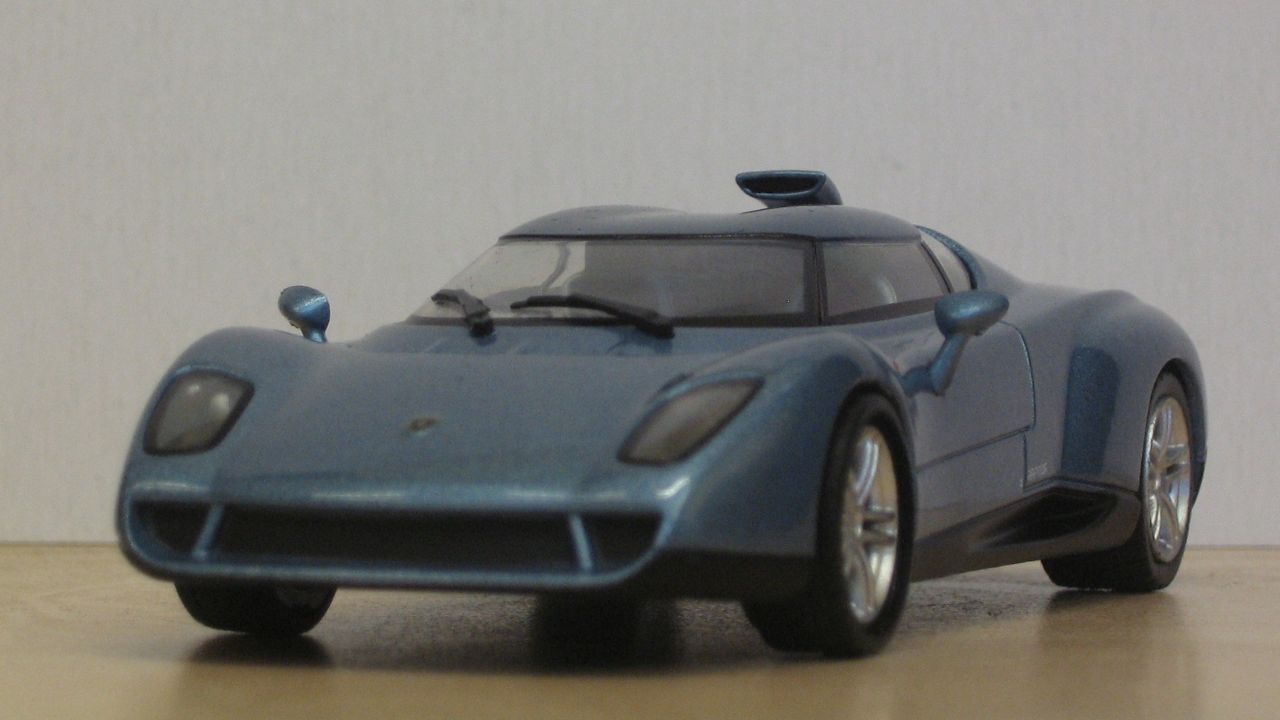
The Lamborghini Zagato Raptor was a unique collaboration between Lamborghini and Zagato, introduced in 1996. This striking concept car featured a removable roof and a 6.0-liter V12 engine from the Diablo, blending performance with innovative design.
Although the Raptor was well-received for its bold aesthetics and engineering, it was ultimately overshadowed by the Diablo’s success. The Raptor’s design elements, however, influenced future Lamborghini models, showcasing the brand’s continuous evolution in automotive design.
Lamborghini Flying Star II
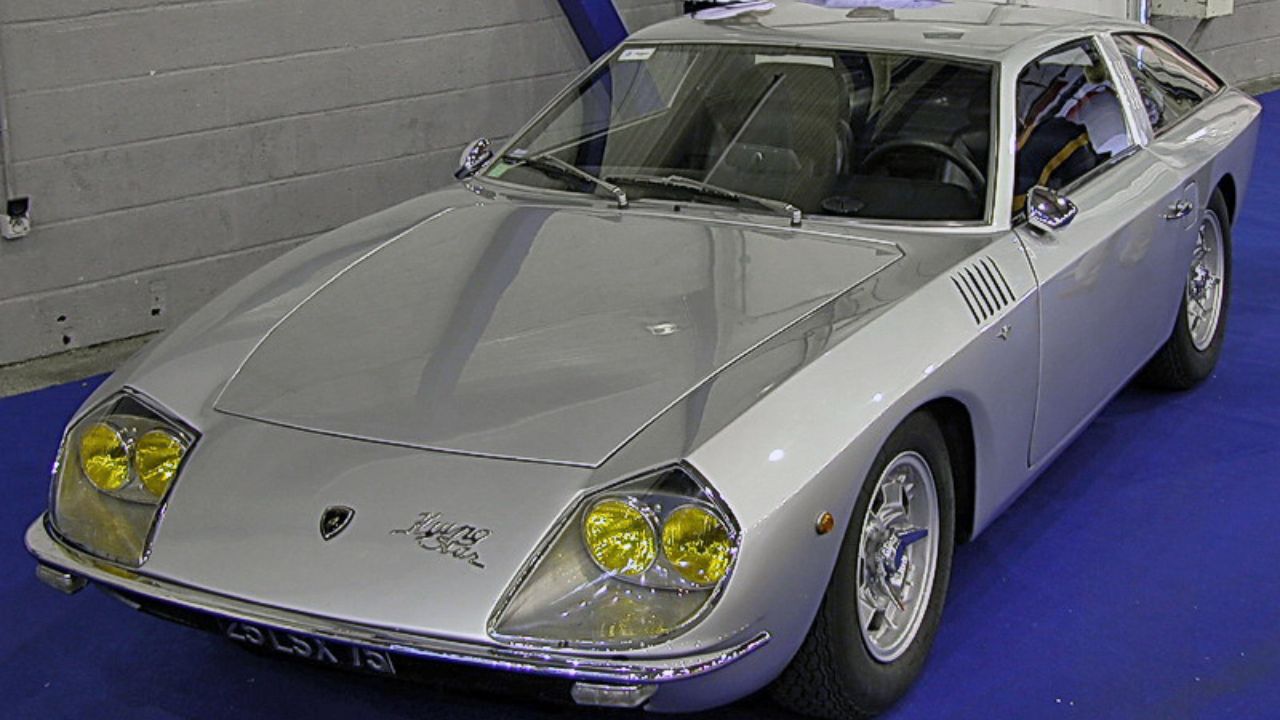
Created in 1966, the Lamborghini Flying Star II was a unique shooting brake concept designed by Carrozzeria Touring. Built on the chassis of the Lamborghini 400 GT, it featured a 4.0-liter V12 engine, combining practicality with performance in a distinctive package.
Despite its intriguing concept, the Flying Star II never went beyond the prototype stage. The car’s rarity and unique design have made it a sought-after collector’s item, symbolizing a period of innovation and experimentation in Lamborghini’s rich history.
Like Fast Lane Only’s content? Be sure to follow us.
Here’s more from us:
*Created with AI assistance and editor review.