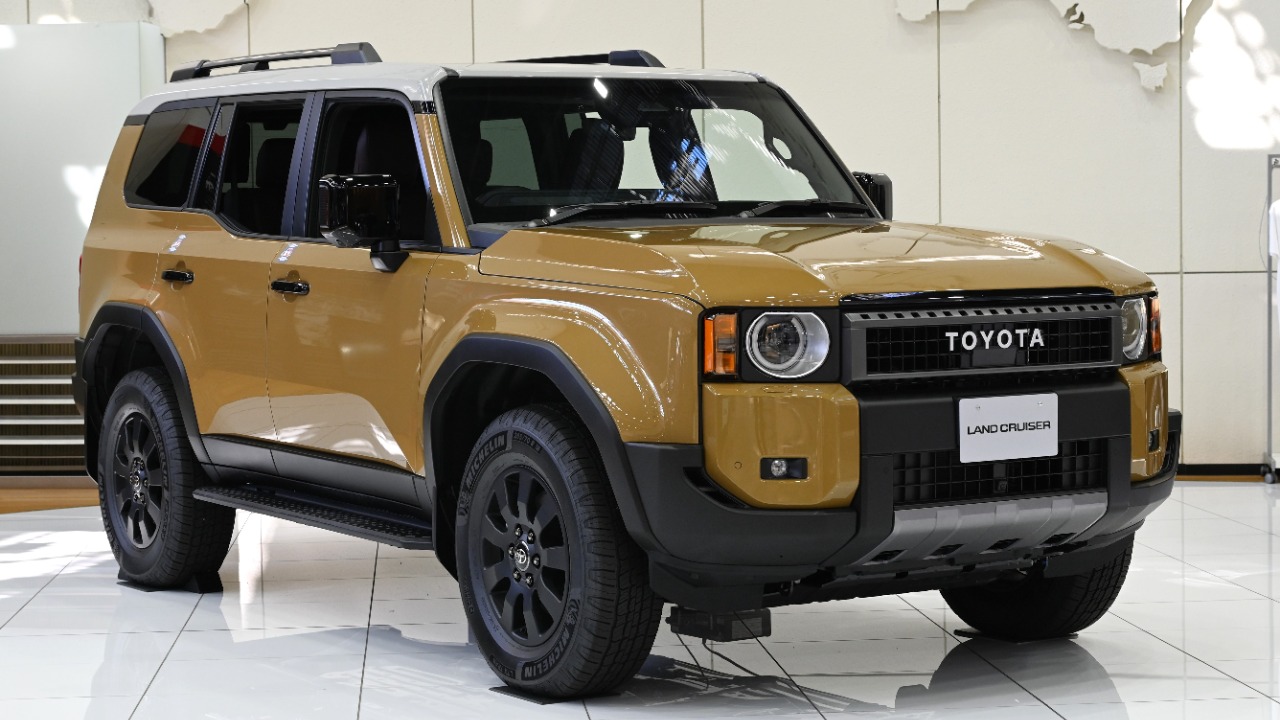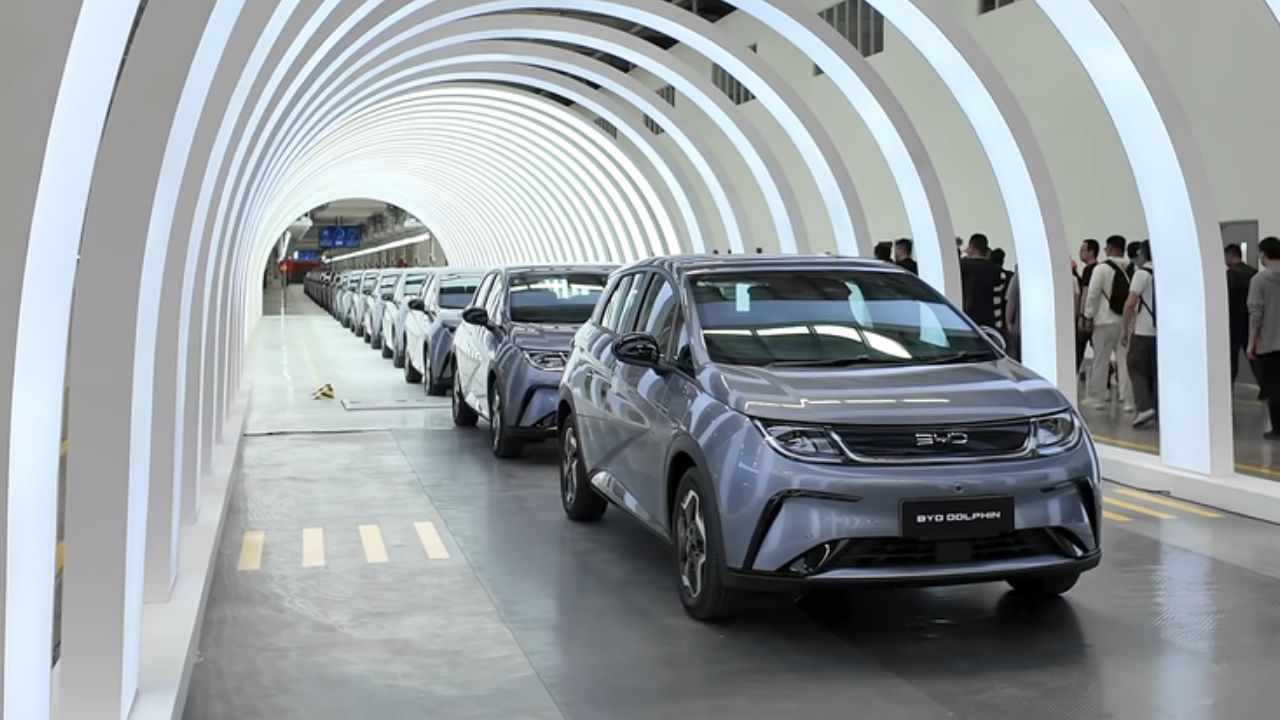
As tensions between the U.S. and China escalate, lawmakers are increasingly advocating for stringent restrictions on Chinese vehicles in the American market. This move is driven by concerns over national security, economic competition, and the desire to protect domestic manufacturers.
Background on U.S.-China Relations
The history of U.S.-China relations has been marked by both cooperation and conflict. Over the past few decades, economic interdependence has grown significantly, with China becoming one of the United States’ largest trading partners. However, recent developments, particularly concerns over intellectual property theft and human rights abuses, have soured relations. Trade wars initiated by tariffs and sanctions have further strained economic ties, leading to a climate of distrust.
Geopolitical tensions have increasingly influenced legislative actions in Washington. Lawmakers are concerned that allowing greater access to the U.S. market for Chinese automotive manufacturers could compromise national security and undermine American jobs. The ongoing competition for global influence, especially in technology and manufacturing, has made it imperative for U.S. policymakers to reassess trade agreements and their implications for national security. Heightened concerns surrounding data security and espionage have also come to the forefront, prompting calls for legislative measures that would restrict Chinese automotive companies from operating freely in the U.S.
Current Legislative Efforts
Recent legislative efforts in Congress have focused on introducing bills aimed at restricting Chinese automotive manufacturers from entering the U.S. market. Key proposals include measures that would impose tariffs on vehicles produced by companies with significant ties to the Chinese government, as well as regulations requiring thorough vetting of foreign automakers before they can sell in the U.S. market. Notably, lawmakers such as Senator Marco Rubio and Congressman Mike Gallagher have been vocal advocates of these restrictions, emphasizing the need to protect American jobs and technology from foreign threats.
There is a growing bipartisan consensus around these measures, as both Republicans and Democrats recognize the strategic importance of safeguarding the U.S. auto market. As highlighted in a recent article from CBT News, there is an urgent push among lawmakers to ensure that American manufacturers remain competitive in the face of rising Chinese influence. The bipartisan support reflects broader concerns about the long-term viability of American manufacturing and the potential risks posed by foreign investments in critical industries.
Impact on American Auto Industry
The implications of restrictions on Chinese vehicles could have profound effects on the American auto industry. On one hand, these measures may provide a temporary shield for domestic manufacturers, allowing them to maintain market share and protect jobs. However, they could also lead to increased costs and limited choices for consumers. As domestic manufacturers adapt to shifting regulations, suppliers may face disruptions in their supply chains, potentially leading to job losses in ancillary industries.
Industry leaders have expressed mixed sentiments regarding the proposed restrictions. While some argue that these measures are necessary to protect American jobs from unfair competition, others caution that isolating the market could stifle innovation and reduce consumer choice. The risk of retaliation from China could also exacerbate tensions and lead to a downward spiral in trade relations. As the automotive landscape evolves, manufacturers must navigate these challenges while remaining competitive in a global marketplace.
Consumer Implications
The restrictions on Chinese vehicles are likely to have a direct impact on American consumers, particularly regarding vehicle pricing and availability. Many Chinese automakers, such as BYD and NIO, have gained popularity for their affordable electric and hybrid vehicles, which could become less accessible to U.S. consumers if restrictions are enforced. This may force consumers to pay higher prices for domestic alternatives, which could lead to dissatisfaction among those who have come to appreciate the value offered by Chinese brands.
Additionally, the shift towards electric and hybrid vehicles is a consideration that cannot be overlooked. As consumers increasingly prioritize sustainability and fuel efficiency, the absence of innovative Chinese models in the market could limit choices for environmentally conscious buyers. This could ultimately hinder the U.S. transition to electric vehicles, a sector where competition is crucial for driving down prices and improving technology. Consumer backlash may arise as buyers express frustration over decreased options and affordability, emphasizing the complexity of balancing national security with market access.
International Reactions
The response from the international community regarding U.S. restrictions on Chinese vehicles has been mixed. Countries in Europe and Asia are closely monitoring the situation, as they too have significant trade relations with China. Some European automakers are concerned that U.S. restrictions could set a precedent that might affect their own interests in the Chinese market, where they seek to expand their presence. The interconnectedness of global trade means that any unilateral actions by the U.S. could have ripple effects across various economies.
Moreover, there is a looming threat of retaliatory measures from China. Beijing has previously responded to U.S. tariffs with its own set of restrictions, and a similar pattern could emerge in the automotive sector. Such actions could complicate international trade relations and lead to a broader economic confrontation. The role of international organizations, such as the World Trade Organization, will be crucial in mediating these disputes and ensuring that trade remains fair and equitable. The potential for escalating tensions underscores the need for careful diplomacy and engagement with global partners.
Technological Competition
The race for technological supremacy in the automotive sector is accelerating, particularly with the shift towards electric vehicles. Chinese automakers have made significant strides in EV technology, with companies like BYD and Xpeng leading the charge in battery innovation and smart vehicle features. These advancements have positioned China as a formidable competitor in the global automotive market. However, restrictions on Chinese vehicles may hinder healthy competition that drives technological progress and innovation.
In the face of these challenges, it is essential for American automakers to invest in research and development to remain competitive. Collaboration with tech companies and investment in new technologies will be critical for the U.S. to maintain its edge in the automotive sector. As the industry evolves, fostering innovation while navigating geopolitical tensions will be paramount for ensuring long-term success in the global market.
Security Concerns
The national security concerns driving legislation against Chinese vehicles are rooted in broader fears of espionage and data security. Reports of data breaches and allegations of espionage have heightened awareness regarding the risks associated with foreign-made vehicles. Lawmakers have cited specific incidents, such as the hacking of U.S. government databases, as warnings that underscore the potential vulnerabilities that may arise from allowing Chinese manufacturers access to the U.S. market.
Security experts emphasize the need for stringent safeguards to protect sensitive information and infrastructure. They argue that allowing Chinese vehicles to operate freely in the U.S. could expose critical systems to potential threats. As the automotive industry increasingly integrates advanced technology and connectivity, the stakes are higher than ever. Balancing national security concerns with economic interests will require a nuanced approach that addresses the complexities of modern trade.
Future of U.S.-China Trade Relations
As tensions between the U.S. and China continue to mount, the future of trade relations remains uncertain. Ongoing debates over tariffs, restrictions, and security concerns are likely to shape future trade agreements. The potential for a new trade paradigm focused on national security is emerging, as policymakers reconsider the implications of globalization in a rapidly changing world. The challenge will be to strike a balance that protects American interests while fostering a constructive relationship with China.
Long-term implications for both economies hinge on their ability to navigate these challenges. As they confront issues related to technology, trade, and security, finding common ground will be essential for sustainable growth. The evolving landscape of U.S.-China trade relations will undoubtedly impact industries beyond automotive, affecting everything from technology to agriculture. As both nations grapple with these complexities, the path forward will require strategic foresight and diplomacy.
More from Fast Lane Only