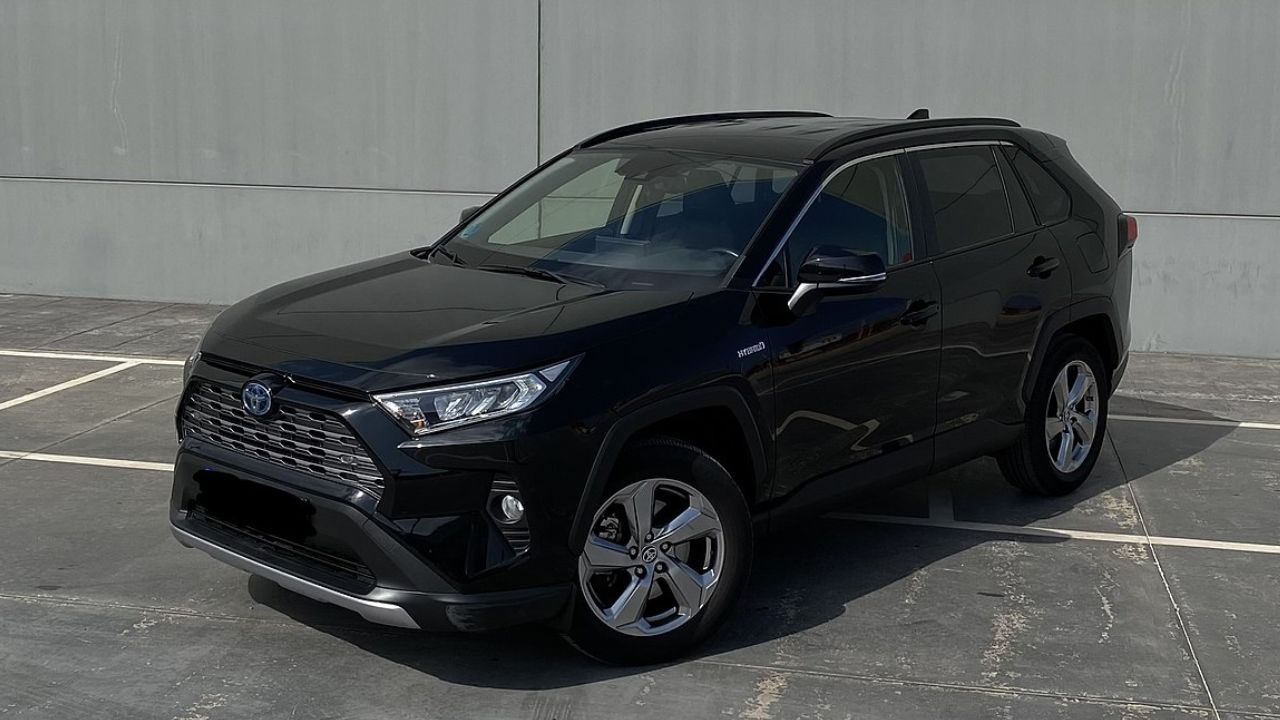
Toyota has long been a leader in the automotive market, particularly with its popular RAV4 model. Despite selling hundreds of thousands of these vehicles, recent news indicates that only a small fraction is being recalled, raising questions about safety, quality control, and consumer trust.
Overview of the Toyota RAV4’s Popularity
The Toyota RAV4 has been a significant player in the compact SUV market since its introduction in 1994. Initially, it was one of the first vehicles to blend the benefits of a car with the capabilities of an SUV, leading to its quick rise in popularity. Over the years, it has evolved through multiple generations, each introducing enhanced features and technologies that cater to the changing demands of consumers. Today, the RAV4 offers a mix of practicality, efficiency, and style that appeals to a wide range of buyers.
Key features contributing to the RAV4’s high sales numbers include its spacious interior, advanced safety features, and fuel-efficient hybrid variants. The latest models come equipped with Toyota Safety Sense, a suite of active safety technologies that help prevent accidents. Additionally, its reputation for reliability has made it a top choice among families and commuters alike. Market trends indicate a growing shift towards compact SUVs, with the RAV4 consistently outperforming competitors in sales, reflecting Toyota’s strong position in this segment.
The Nature of the Recall
Recently, Toyota announced a recall that affects a small number of RAV4 units, specifically those manufactured in a certain period. The recall stems from issues related to the fuel pump, which can potentially lead to engine stalling. According to Toyota, the recall affects approximately 50,000 vehicles out of the hundreds of thousands sold during that timeframe, highlighting the company’s proactive approach to safety despite the relatively small number of affected units.
While the number might seem minor compared to total sales figures, any recall raises concerns among consumers about the safety and reliability of their vehicles. The specific defects identified in this recall include the potential for fuel pumps to fail, which could cause the engine to stop running unexpectedly while driving. Such defects can lead to dangerous situations, prompting Toyota to act swiftly to address the issue and mitigate risks.
Consumer Response to Recalls
Consumer sentiment regarding vehicle recalls can be complex. On one hand, many appreciate a manufacturer’s transparency and willingness to address issues proactively. On the other hand, recalls can lead to anxiety and distrust among consumers. In the case of Toyota, past recalls have shaped public perception, particularly following high-profile incidents involving unintended acceleration in the early 2010s, which led to significant scrutiny of the brand’s safety practices.
Research shows that recalls can impact brand loyalty, especially if consumers feel that their safety is compromised. A case study involving the 2016 Toyota RAV4 hybrid highlighted how recalls can lead to temporary declines in sales, but loyal customers often return once the issues are resolved. In contrast, competitors like Ford and GM have faced more significant challenges in regaining consumer trust following extensive recalls, indicating that the manner in which a brand handles recalls can have long-lasting effects on its reputation.
Quality Control Measures at Toyota
Toyota has long been recognized for its rigorous manufacturing and quality assurance processes, which are integral to its reputation for reliability. The company’s commitment to the Toyota Production System (TPS) emphasizes quality at every stage of production, from design to assembly. This system includes thorough testing and inspection protocols designed to identify potential defects before vehicles reach consumers.
In comparison to industry standards, Toyota’s quality control measures are often viewed as benchmarks for excellence. The company’s dedication to continuous improvement, or “Kaizen,” ensures that lessons learned from past recalls inform current practices. For instance, the response to earlier recalls has led to enhanced training for employees and better communication with suppliers, ultimately improving the overall quality of the vehicles produced.
The Role of Regulatory Bodies
In the United States, the National Highway Traffic Safety Administration (NHTSA) is the primary agency responsible for overseeing vehicle safety. This agency plays a crucial role in mandating recalls when safety defects are identified. Manufacturers like Toyota are required to report any safety-related defects to the NHTSA, which then evaluates the information and determines whether a recall is necessary.
The relationship between manufacturers and regulatory agencies is vital for maintaining vehicle safety standards. Toyota’s proactive approach to recalls reflects its commitment to compliance with regulatory requirements. By promptly addressing safety concerns and collaborating with the NHTSA, Toyota aims to uphold consumer safety and trust, ensuring that issues are resolved efficiently and transparently.
Implications for Future RAV4 Sales
The recall’s impact on future RAV4 sales remains to be seen, but there are several strategies Toyota may employ to mitigate consumer concerns. Firstly, clear communication about the recall and the steps being taken to resolve the issue can help reassure current and potential buyers. Additionally, providing free repairs and customer support during the recall process can enhance consumer confidence in the brand.
Long-term effects on the RAV4’s market position will depend on how effectively Toyota manages this situation. If the company can demonstrate swift resolution and maintain its reputation for quality, it is likely that sales will not suffer significantly. However, if consumer sentiment shifts negatively, it could impact future sales figures as buyers weigh their options in a competitive market.
Comparison with Competitors
When it comes to recalls and consumer safety, different manufacturers have varying approaches. For instance, Honda and Subaru have been praised for their proactive recall strategies, often communicating openly with consumers about potential issues and ensuring timely resolutions. In contrast, brands like Fiat Chrysler have faced criticism for their handling of recalls, which has affected consumer trust and sales.
Key differences in safety records among compact SUVs can be seen in the performance of models like the Ford Escape and the Nissan Rogue. Both of these competitors have faced their share of recalls, but their strategies in addressing these issues can influence consumer perceptions and market performance. Current market analysis indicates that brands that prioritize transparency and consumer communication, like Toyota, tend to fare better in retaining customer loyalty during recall situations.
Consumer Safety and Awareness
Consumer education regarding recalls is crucial in today’s automotive landscape. Many buyers may not be aware of the resources available to check the safety of their vehicles. Websites like the NHTSA’s recall portal provide valuable information on active recalls, allowing consumers to stay informed about potential issues with their vehicles.
For potential RAV4 buyers, being aware of safety features and past recall history is essential. I recommend researching the specific model year you are considering, as some years may have more recalls than others. Additionally, resources like CarBuzz can provide insights into common problems and maintenance costs associated with the RAV4, helping consumers make informed decisions.
Looking Forward: Toyota’s Future Strategies
As Toyota navigates the challenges associated with recalls, it is also focusing on innovations in vehicle safety technologies. The company is investing in advanced driver-assistance systems (ADAS) and exploring new methods to enhance the overall safety of its vehicles. This commitment to innovation is vital for maintaining consumer trust and ensuring that Toyota remains a leader in automotive safety.
Additionally, the lessons learned from past recalls are shaping Toyota’s future strategies. By prioritizing consumer safety and enhancing communication, the brand aims to strengthen its reputation and brand integrity. Future models, including updated versions of the RAV4, will likely reflect this focus on safety and reliability, ensuring that Toyota continues to meet the evolving expectations of consumers in a competitive market.
More from Fast Lane Only