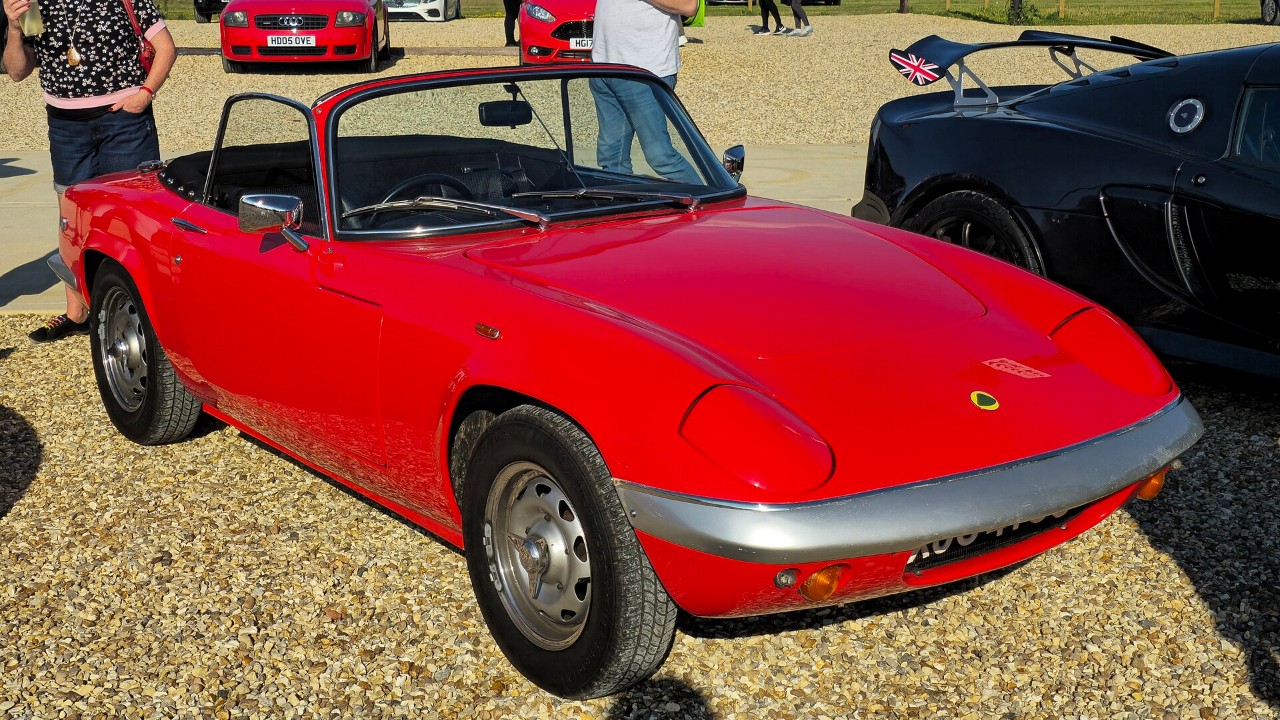
Lotus road cars went from a bare 36-horsepower roadster to a 210-horsepower turbocharged wedge in 23 years. Colin Chapman’s company kept chasing low weight the whole way, but each new model also solved a different problem. Here are nine of them, in order, from the 1957 Seven to the 1980 Turbo Esprit.
For each of these Lotus road cars, the production count is the figure Lotus publishes in its own heritage pages. Many of those counts are approximate, so we say so where Lotus does.
1. 1957–1960 Lotus Seven Series 1
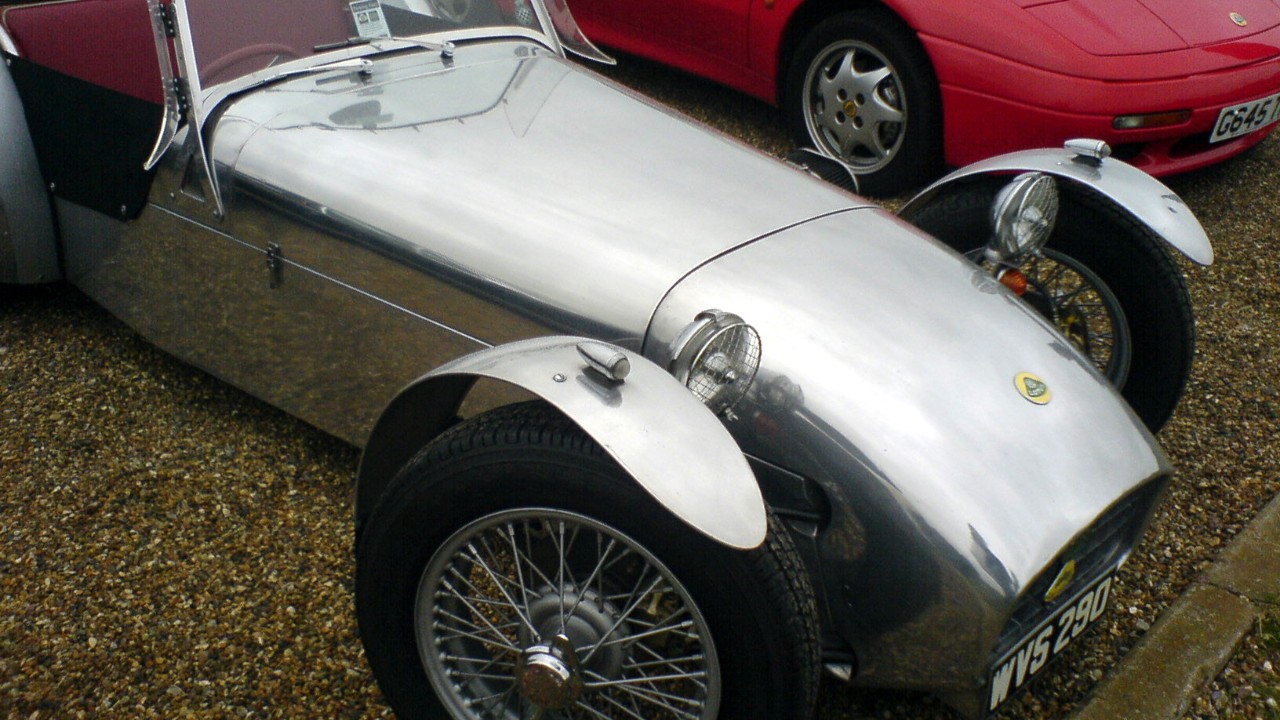
The Seven arrived in 1957, a year after the race-winning Lotus Eleven. It was a bare open two-seater, and it shows how little Lotus thought a fast car needed. In fact, the Series 1 weighed just 328 kg.
According to Lotus’s Seven history, the Series 1 used a 1,172cc four-cylinder rated at 36 bhp with a three-speed gearbox. Lotus built 243 of them from 1957 to 1960. The design never died, either, because Caterham makes the Seven to this day.
2. 1957–1963 Lotus Elite Type 14
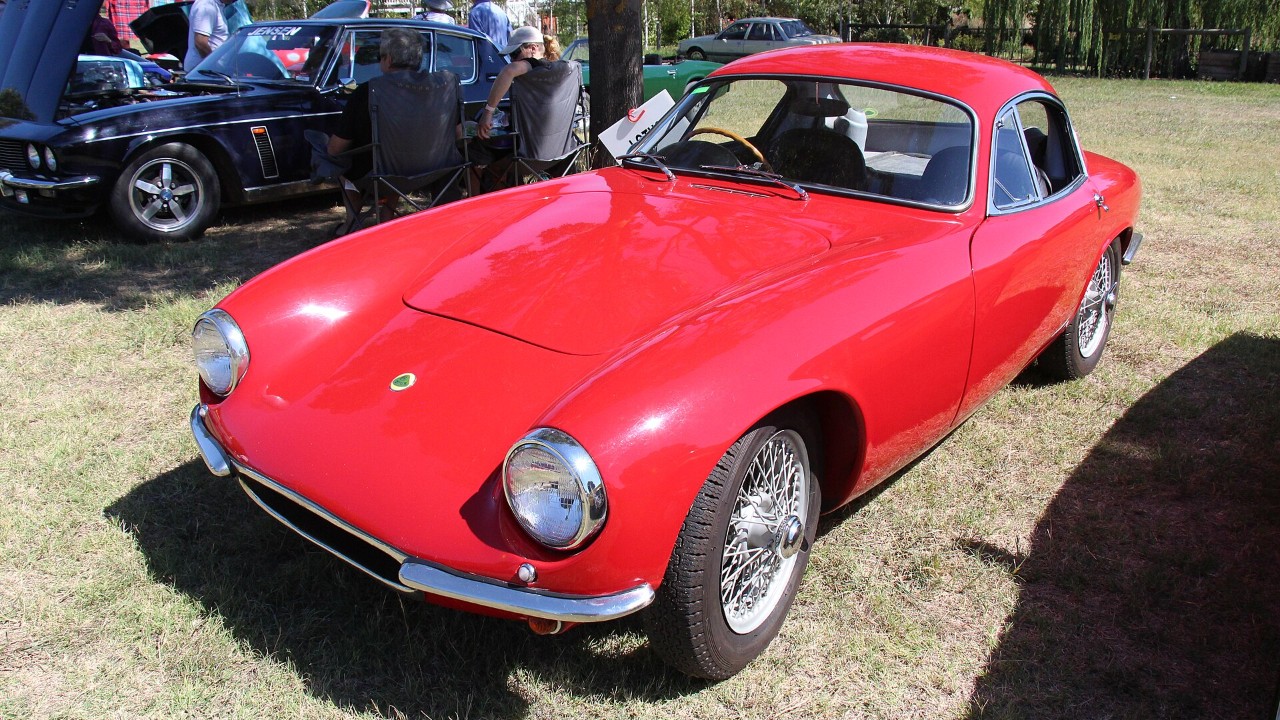
The Elite debuted at the Earls Court Motor Show in October 1957, the same year the Seven arrived. However, it was a very different machine. Instead of a steel frame, Lotus gave it a fibreglass monocoque that served as chassis and body in one.
Lotus lists a 1,216cc four-cylinder with 75 bhp and a drag coefficient of only 0.29. The Lane Motor Museum calls it the world’s first fiberglass monocoque production car and puts output at about 1,030 cars from 1957 to 1963.
3. 1962–1973 Lotus Elan
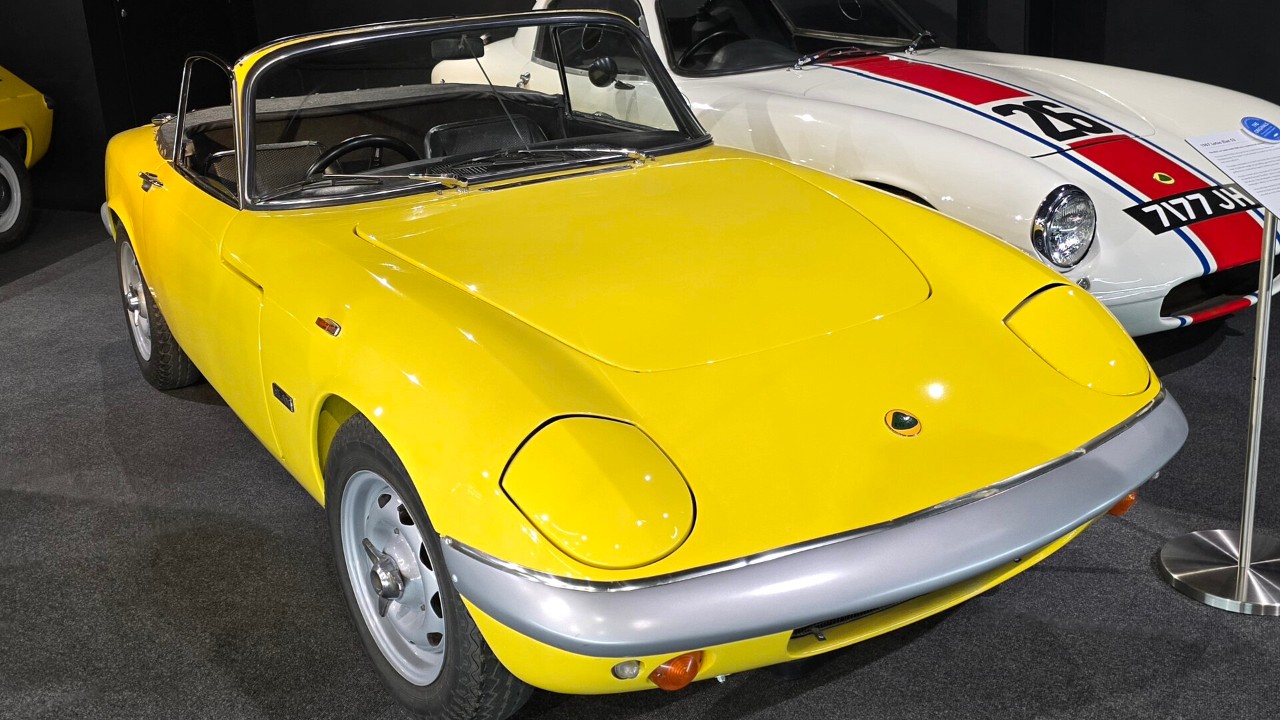
Lotus developed the Elan in 1962 as the Elite’s successor. This time the structure was different again. A steel backbone chassis carried a sleek glass-reinforced composite body, and early cars weighed 550 kg.
Power came from the 1,558cc Lotus Twin-cam. According to Lotus, the Series 1 made 100 bhp and 848 were built from 1962 to 1964. Buyers could also take the car as a kit, and the component kit cost just £1,095.
4. 1966–1972 Lotus Europa
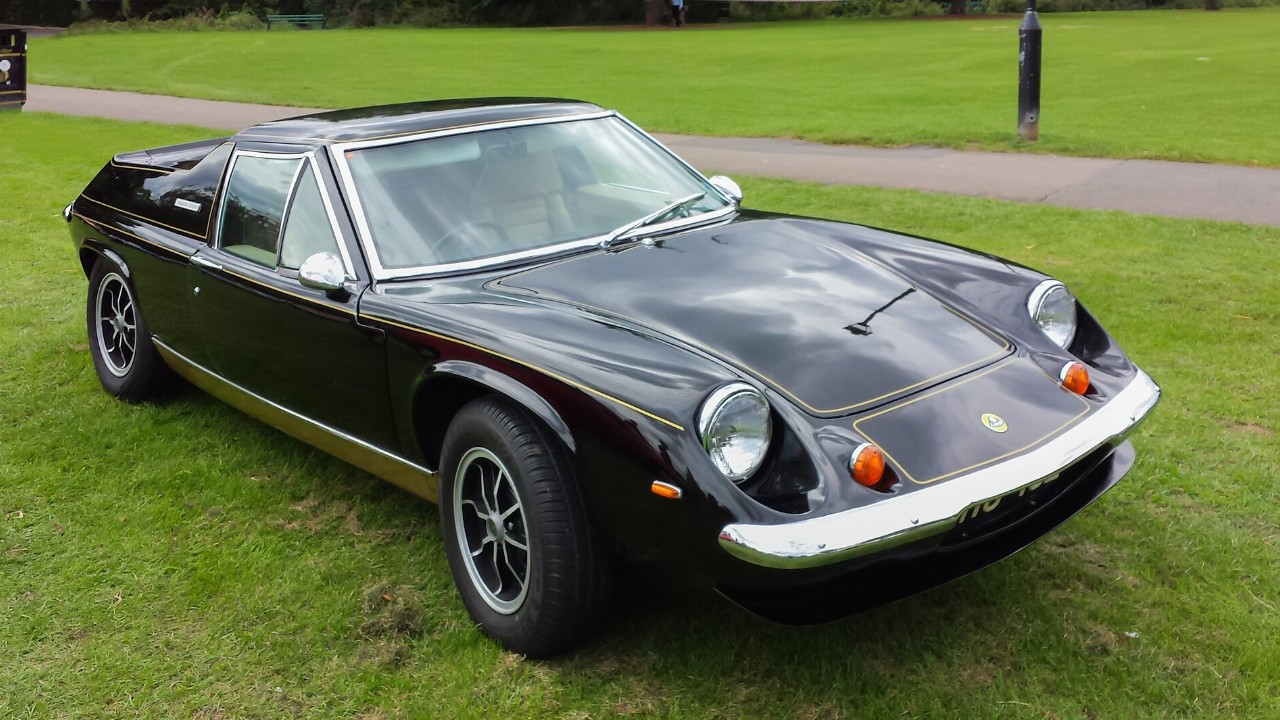
Lotus calls the 1966 Europa Britain’s first mid-engined sports car. A fibreglass body sat on a steel spine chassis, so the mass stayed low. The first Type 46 cars weighed 612 kg.
The Lotus Europa page lists a 1,470cc four with 78 bhp in the Series 1, of which about 644 were built from 1966 to 1968. Later, the 1971–1972 Twin-Cam took the 1,558cc engine to 105 bhp. Lotus says roughly 1,580 of that version left the factory.
5. 1967–1974 Lotus Elan +2
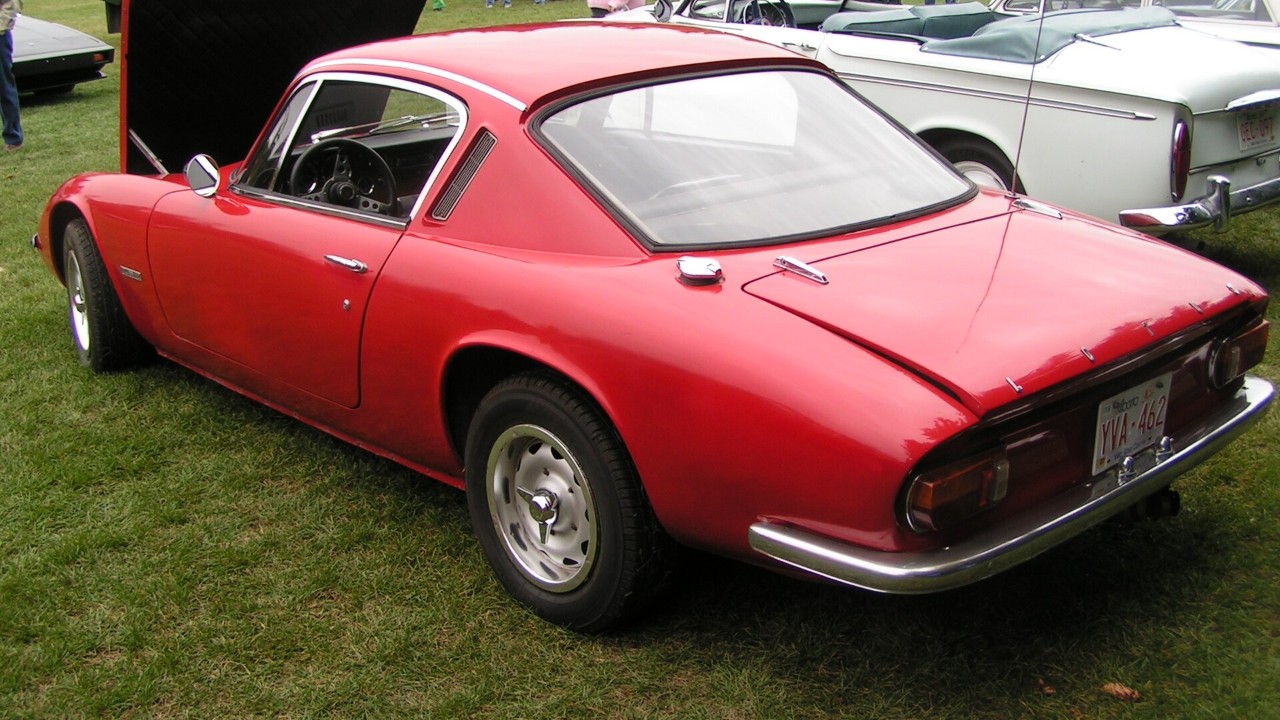
The Elan +2 (Type 50) added extra seats for drivers who had started families. Even so, Lotus still described it as a road-going racing car focused on driving pleasure. The base car weighed 853 kg.
Every version used the 1,558cc four, according to Lotus’s Elan +2 history. The original +2 made 118 bhp, and Lotus built 1,592 from 1967 to 1970. Then the 1971–1974 +2S/130 rose to 126 bhp and gained a five-speed gearbox in October 1972.
6. 1974–1979 Lotus Elite Type 75
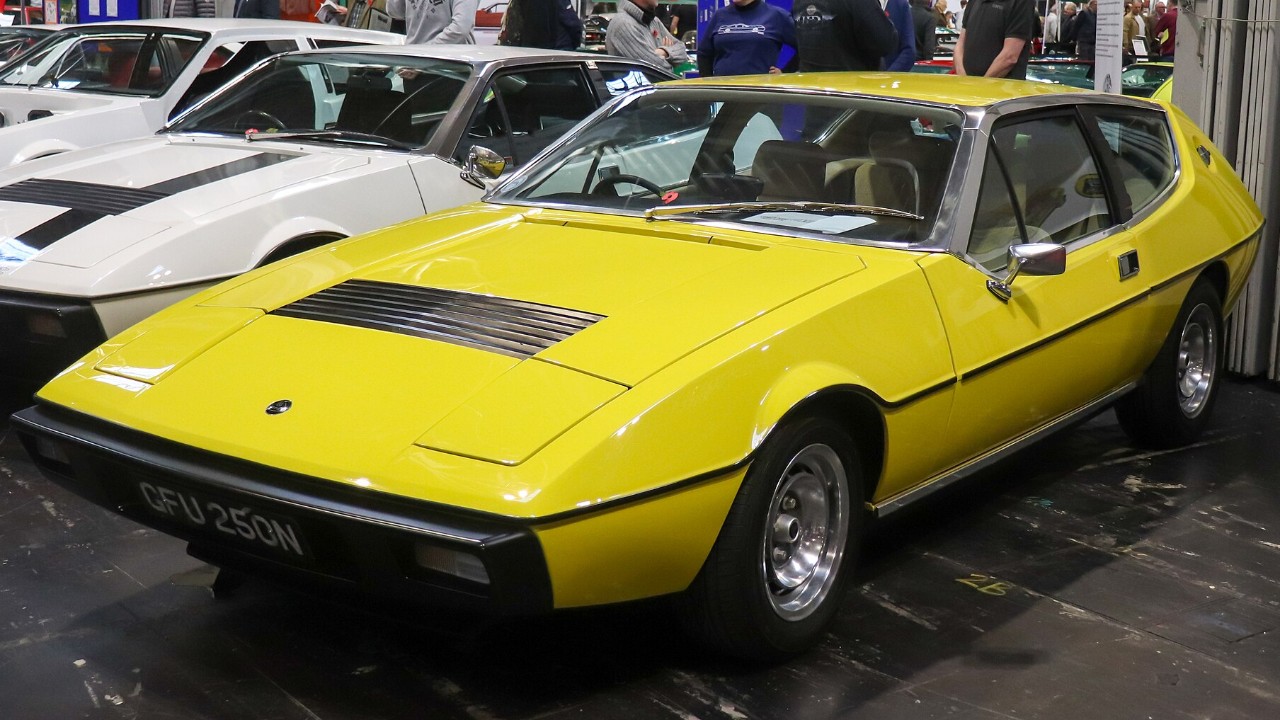
The second Elite pushed Lotus upmarket. Oliver Winterbottom drew a wedge-shaped body that fitted four adults comfortably. Meanwhile, Lotus built the shell in two halves, top and bottom, and hid the join behind a rubbing strip.
It was also the first Lotus to use the new 1,973cc Lotus 907 engine, rated at 160 bhp, according to Lotus. About 2,398 Type 75 cars were built from 1974 to 1979. In addition, the Elite won the 1975 International Don Safety Trophy, Lotus’s first safety award.
7. 1975–1982 Lotus Eclat, from Chapman’s push for practical road cars
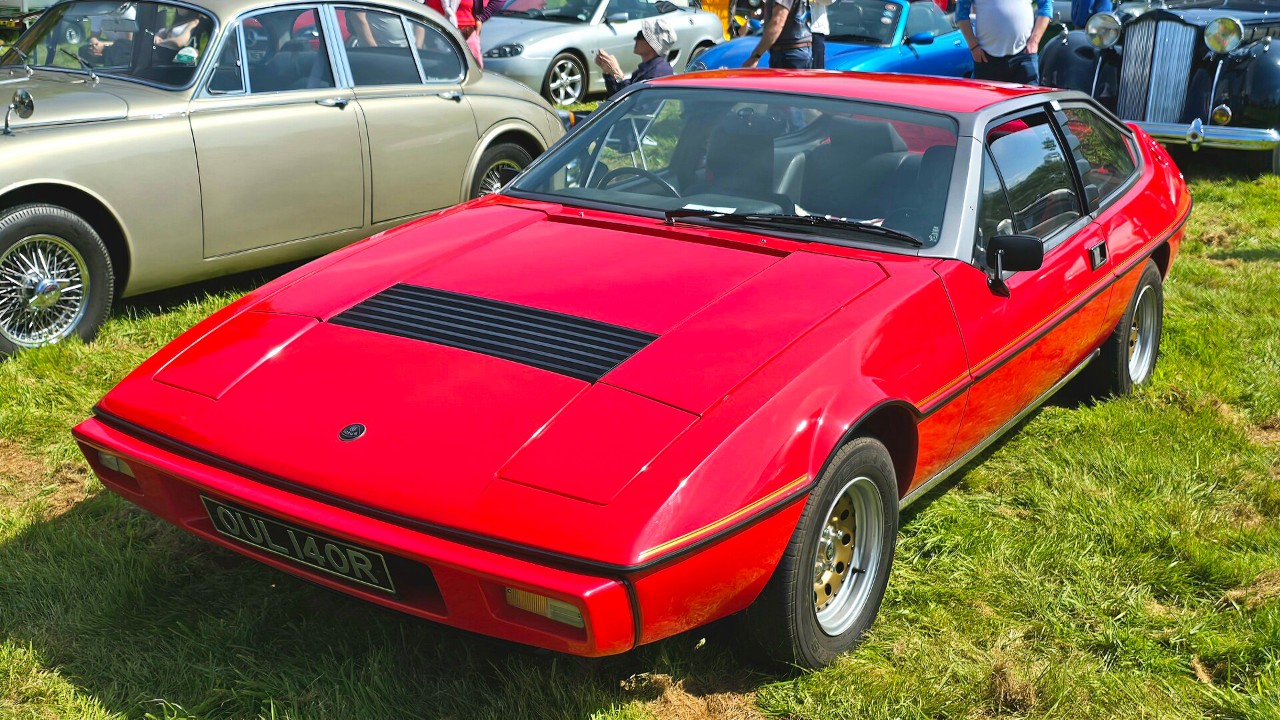
In the 1970s, Chapman wanted more practical sports cars for grand touring and everyday driving. The Eclat (Type 76) followed that plan. Winterbottom stretched the Elite’s angular profile into a fastback coupe.
The Lotus Eclat page lists the same 1,973cc 907 four with 160 bhp and a weight of 980 kg. Lotus built 1,299 from 1975 to 1980. After that, the Series 2.2 (Type 84) moved to a 2,174cc engine, and only 223 were built from 1980 to 1982.
8. 1976–1977 Lotus Esprit S1
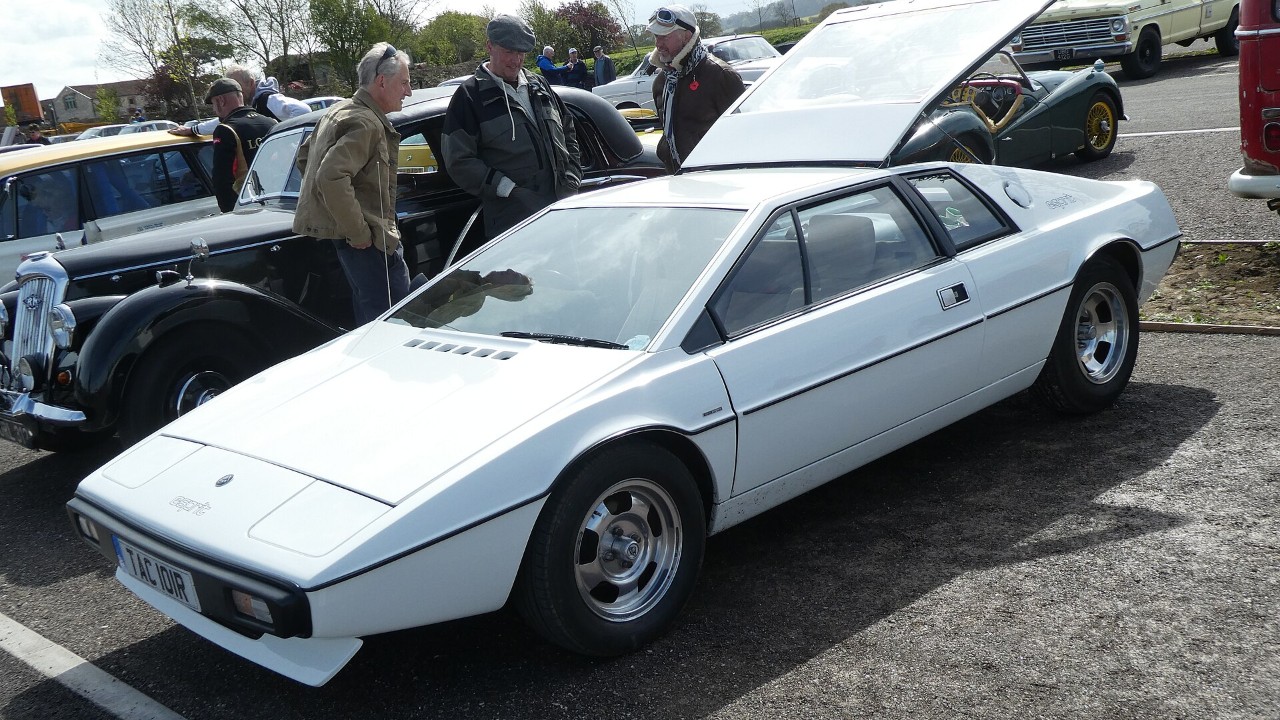
The Esprit began as a Giorgetto Giugiaro Ital Design concept at the 1972 Turin motor show. Four years later, the production S1 went on sale. Then a white S1 turned into a submarine in the 1977 James Bond film “The Spy Who Loved Me.”
Under the wedge sat the 1,973cc Lotus 907, a 16-valve four rated at 160 bhp, per Lotus’s Esprit history. The S1 weighed 1,006 kg and used a five-speed gearbox. Lotus built 864 of them across 1976 and 1977.
9. 1980–1987 Lotus Turbo Esprit
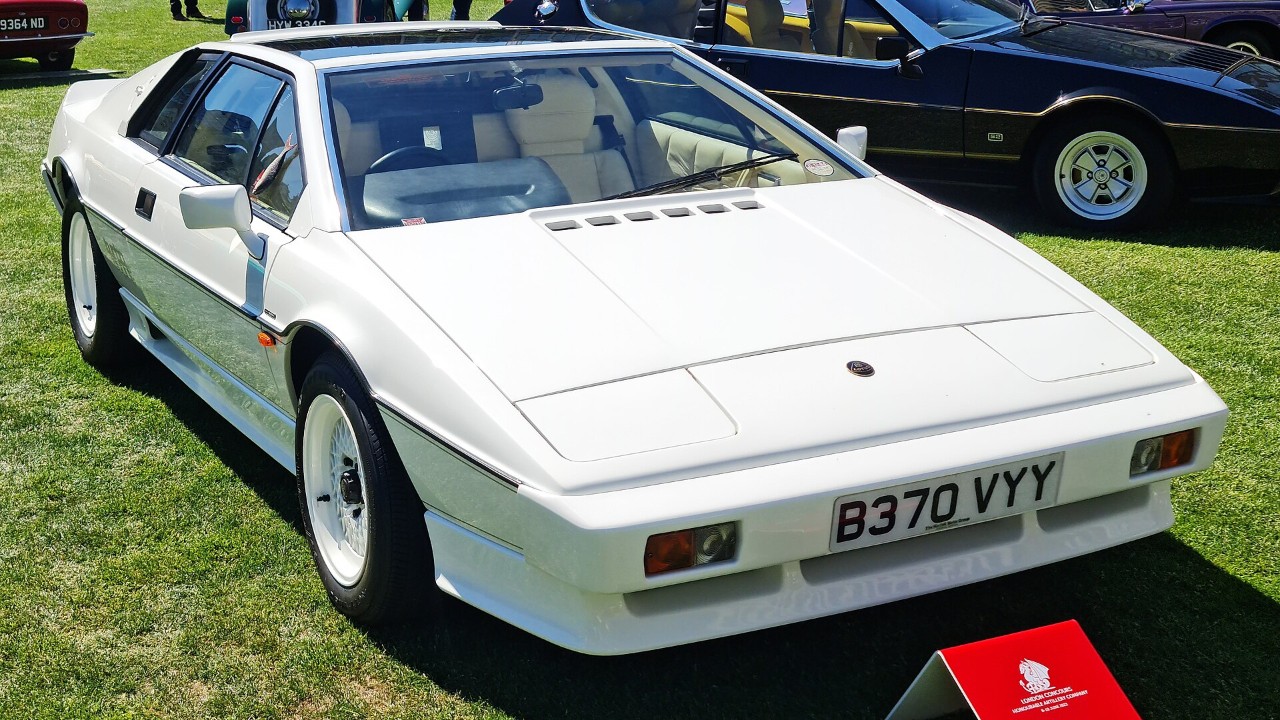
The Turbo Esprit arrived in 1980 and ran until 1987. Don’t confuse it with the later Esprit Turbo that followed Peter Stevens’s 1987 redesign. Two Esprits, one white and one bronze, also appeared in the 1981 Bond film “For Your Eyes Only.”
Lotus rates its turbocharged 2,174cc Lotus 910 four at 210 bhp, with a five-speed gearbox and a 1,203 kg curb weight. Lotus says about 3,155 were built. After that, the Esprit line ran for 27 years in all, and it ended in 2004 with 82 hand-built Final Edition cars.
More from Fast Lane Only
- Unboxing the WWII Jeep in a Crate
- 15 rare Chevys collectors are quietly buying
- 10 underrated V8s still worth hunting down
- Police notice this before you even roll window down
This article was created with the help of AI and was reviewed and edited by Fast Lane Only editors before publication.