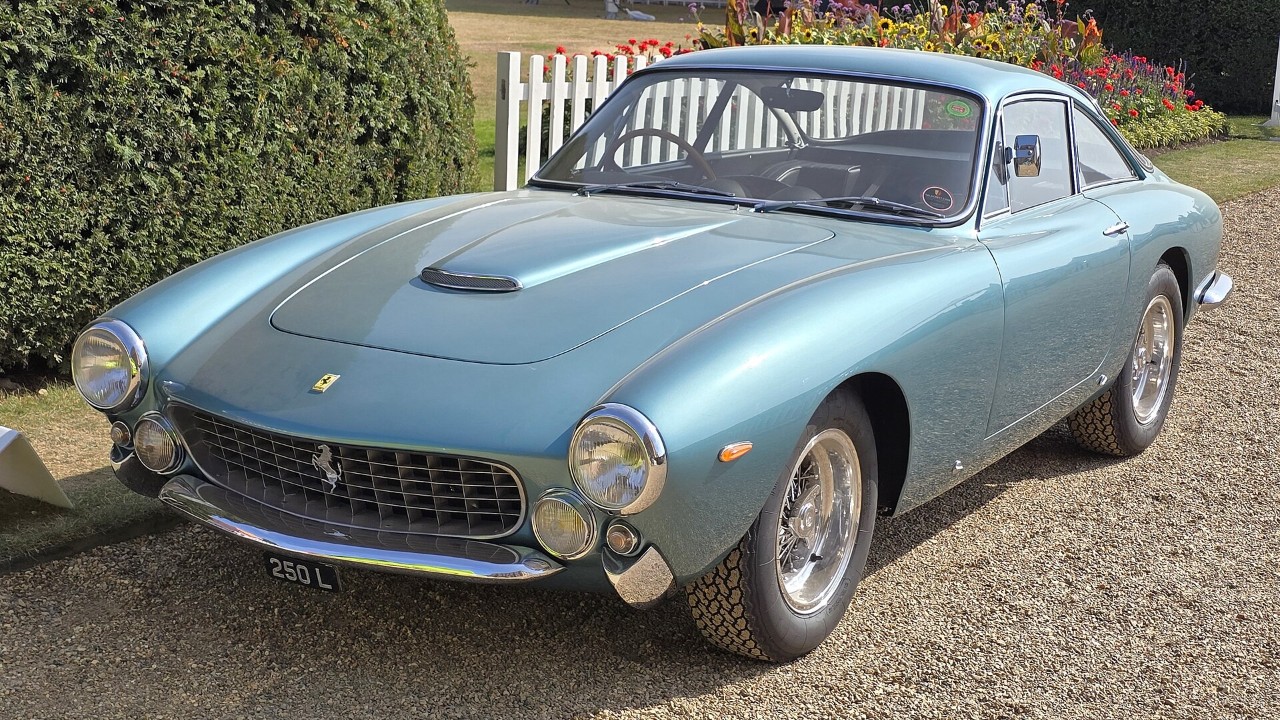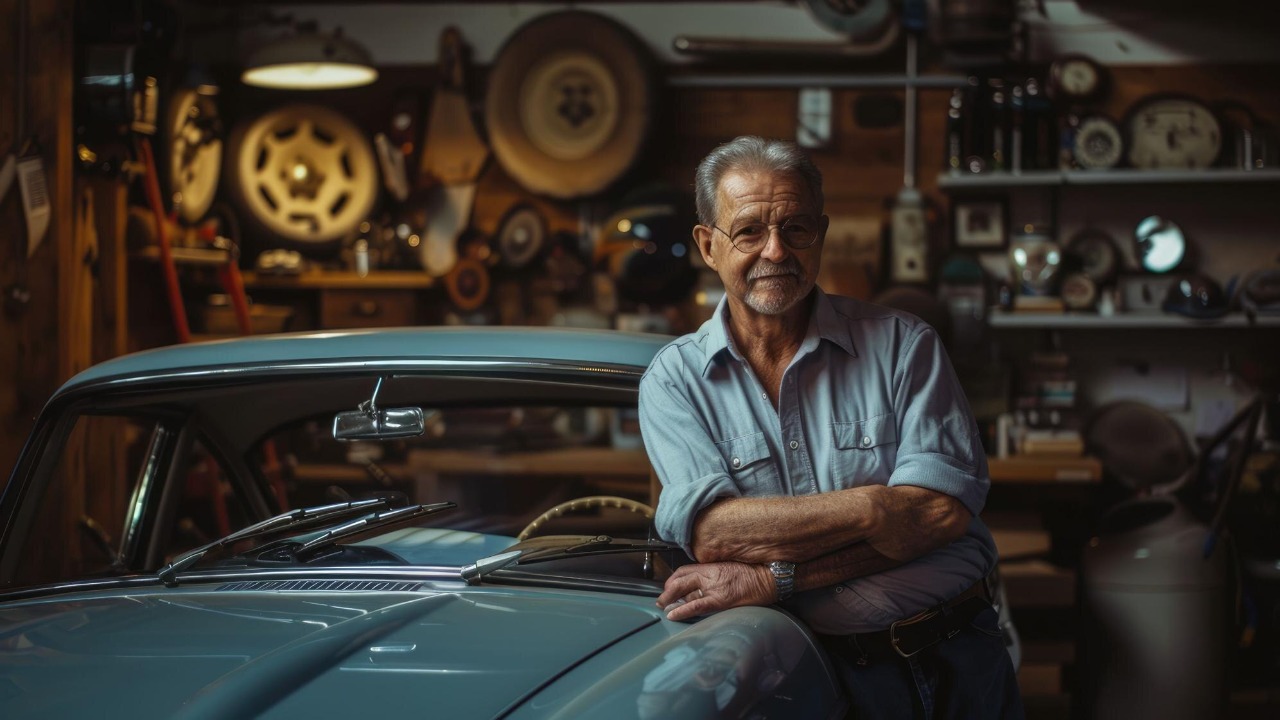
For years, the car sat exactly where it always had: tucked into the back of a garage, half-hidden behind boxes of holiday decorations and the kind of tools nobody throws away because “they still work.” The owner, a longtime resident of a quiet suburban neighborhood outside Columbus, says he never meant for it to become a museum piece. It just… happened, one postponed weekend at a time.
Now, he’s facing a surprisingly modern family debate: his adult daughter wants to sell it. He says she’s practical, financially savvy, and tired of watching a valuable hunk of metal quietly age in the dark. He, on the other hand, hears the engine in his head every time he opens the garage door.
A car that became a time capsule
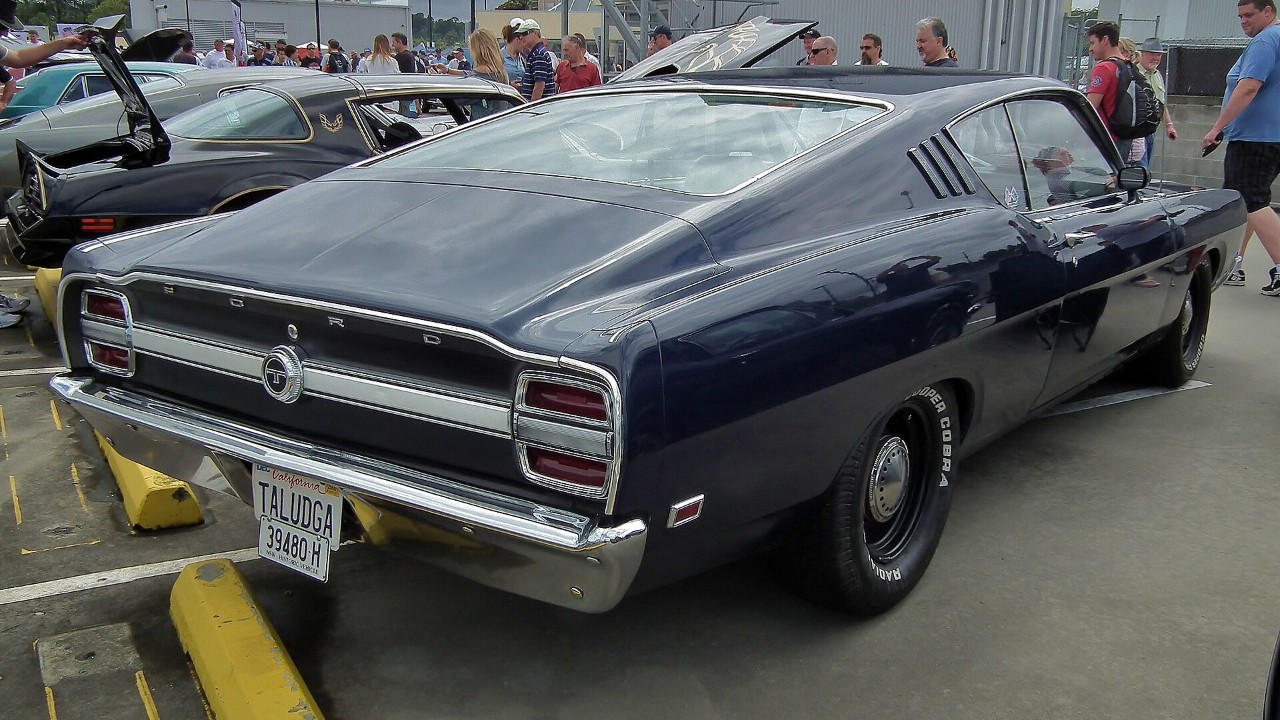
The vehicle in question is a classic American coupe from the late 1970s, the kind of car that looks like it was designed with a ruler, a dream, and an unapologetic love for chrome. The father, who asked to be identified only as “Mark,” said the car was the family’s main ride when his daughter was little. “This thing did school drop-offs, road trips, moving days—everything,” he said. “It’s got our fingerprints all over it.”
Mark says the car was parked after a minor mechanical problem that never got fully addressed, partly because life got busier and partly because it wasn’t urgent. A newer car arrived, then another, and the old coupe slid into the background. Over time, the garage became a storage unit with a steering wheel.
His daughter’s argument: space, money, and momentum
His daughter, Jenna, sees it differently. She’s in her late 20s, works in project management, and—according to her dad—has “a spreadsheet for things people don’t even know can be spreadsheeted.” Her point is straightforward: the car isn’t being used, it’s taking up space, and in today’s market, older vehicles in restorable condition can bring in real money.
Jenna has also raised the cost of keeping it, even if it’s not technically “costing” anything day to day. There’s insurance, registration decisions, occasional maintenance to prevent deterioration, and the ever-present risk of turning a fixable project into a rusted-out regret. “She told me, ‘Dad, it’s not an heirloom if it’s falling apart,’” Mark said, sounding half amused and half wounded.
A father’s counterpoint: memories don’t have a Kelley Blue Book value
Mark doesn’t deny the practical logic. He just doesn’t think the decision is purely practical. The car, he says, is tied to a version of life he can still touch—literally—by walking into the garage and placing a hand on the hood.
He remembers teaching Jenna to sit in the front seat and “pretend-drive” while he packed the trunk for summer trips. He remembers the smell of the interior on hot days and the way the radio dial clicked into place. “I know it sounds sentimental,” he said, “but it feels like selling a chapter of our family.”
The real issue might be bigger than the car
Family counselors and financial planners alike have noticed that these kinds of disagreements often aren’t actually about the object itself. They’re about what the object represents: independence, aging, legacy, and the quiet fear that once something is gone, the memory goes with it. In other words, it’s never just a car—it’s a symbol with wheels.
Mark admits the timing makes it harder. He’s recently been talking about downsizing, and Jenna has been helping him sort through decades of accumulated stuff. “It’s like every drawer has a decision in it,” he said. The car is simply the biggest, loudest decision in the building.
Classic cars are having a moment—and that changes the math
It’s not Jenna’s imagination: interest in older vehicles has been strong in many regions, especially for models with clean titles and original parts. Even non-running cars can fetch surprising prices if the body is solid and the trim isn’t missing half its teeth. Online marketplaces make it easy to find buyers who are actively hunting for specific years and makes.
But the upside comes with a catch. A long-stored vehicle can look better than it is, and once it’s pulled into daylight, the realities show up fast: brittle hoses, old fuel issues, dry rot in tires, and wiring that may have become a snack for small animals. Mark joked that he’s afraid to lift the cover because “something might scurry out and claim squatters’ rights.”
The “sell it” versus “restore it” debate
Jenna’s proposal is simple: sell the coupe “as-is,” use the money for something tangible—home improvements, travel, or even setting up a college fund for future grandkids. Mark’s dream is the classic one: restore it, drive it on weekends, maybe take it to local car shows. He imagines handing Jenna the keys someday as a piece of family history that actually runs.
Restoration, of course, is where romance meets receipts. Depending on the condition, the work can cost far more than the car’s market value, especially if a shop is doing the labor. Even when it’s a DIY project, the biggest expense is often time—and time is the one thing Mark says he wishes he’d invested earlier.
A compromise plan starts to take shape
After weeks of back-and-forth, Mark says they’re inching toward a middle ground. First, they’ll get the car assessed by a reputable mechanic who’s familiar with older vehicles, just to understand what’s actually involved. Second, they’ll document it—photos, the story behind it, any old paperwork—so the history doesn’t live only in Mark’s memory.
They’re also considering a “deadline with options.” If Mark can get it running within a set period, he keeps it and commits to using it regularly. If not, they’ll sell it, but with a preference for a buyer who plans to restore it, not strip it for parts.
Why this story is resonating with other families
When Mark mentioned the situation to neighbors and friends, the responses came fast: a cousin’s truck that’s been “almost fixed” since 2009, an uncle’s motorcycle that hasn’t moved since the last presidential administration, a garage full of inherited furniture nobody knows what to do with. The details change, but the emotional math is the same. People want to honor the past without getting stuck inside it.
For Jenna, the goal isn’t to erase family history—it’s to keep the present manageable. For Mark, the goal isn’t to hoard—it’s to hold onto something that still feels alive. And somewhere between those two points is a driveway, a set of keys, and a decision that’s oddly hard for something with four tires.
For now, the old coupe remains in the garage, still and quiet, waiting for its next chapter. Mark says he’s trying to look at it Jenna’s way, and Jenna says she’s trying to feel it Mark’s way. “We’re both right,” Mark said. “Which is, unfortunately, what makes it complicated.”
More from Fast Lane Only