In the ever-evolving world of automotive design, some performance cars have strayed from their iconic roots, raising eyebrows among car enthusiasts. While innovation is essential, certain models have undergone transformations that left fans wondering whether their beloved cars have lost their core identity.
Ford Mustang Mach-E
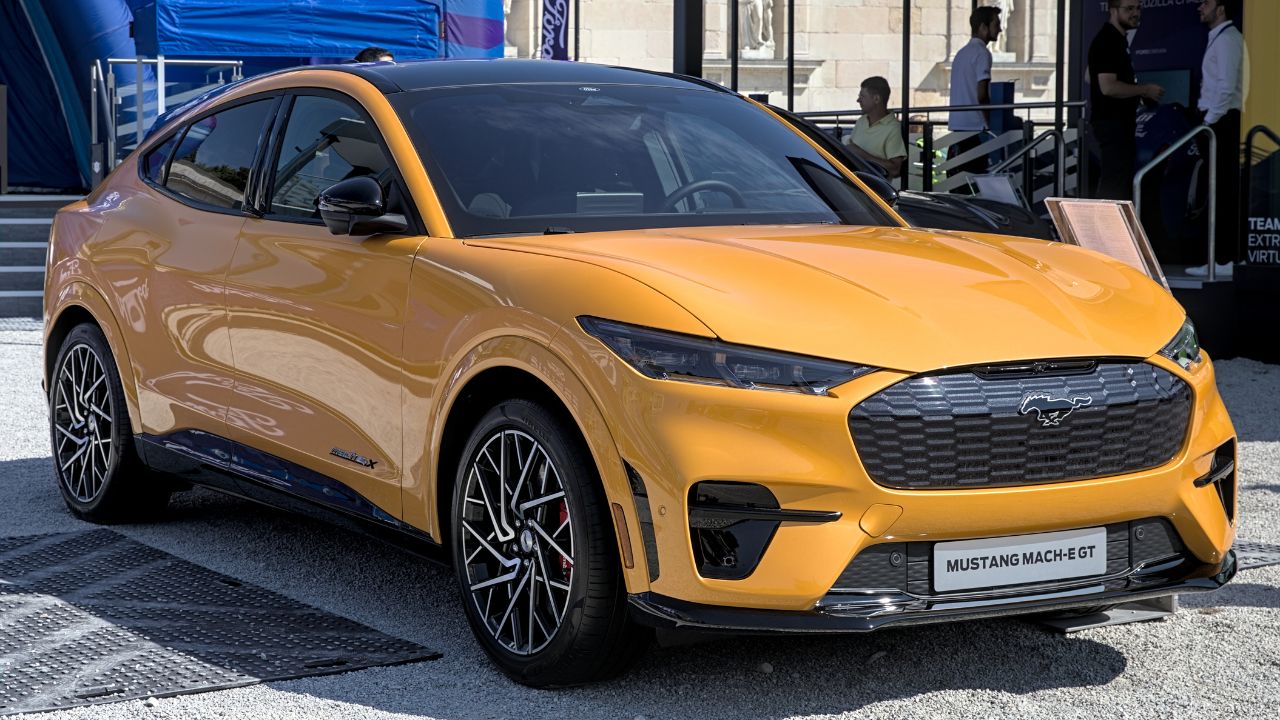
The Ford Mustang Mach-E marks a significant departure from the traditional Mustang lineage. Known for its roaring V8 engines and muscular aesthetics, the Mustang has been an emblem of American performance since its debut in the 1960s. However, the Mach-E, introduced in 2021, is an all-electric SUV, representing Ford’s commitment to an electric future. This shift has sparked debate among purists who argue that the Mach-E lacks the visceral experience associated with the Mustang name.
Despite its impressive range and modern features, the Mach-E challenges the conventional perception of what a Mustang should be. While it attracts a new audience seeking sustainable options, long-time fans may find it difficult to reconcile the Mustang’s storied heritage with this electric SUV variant.
Mitsubishi Eclipse Cross
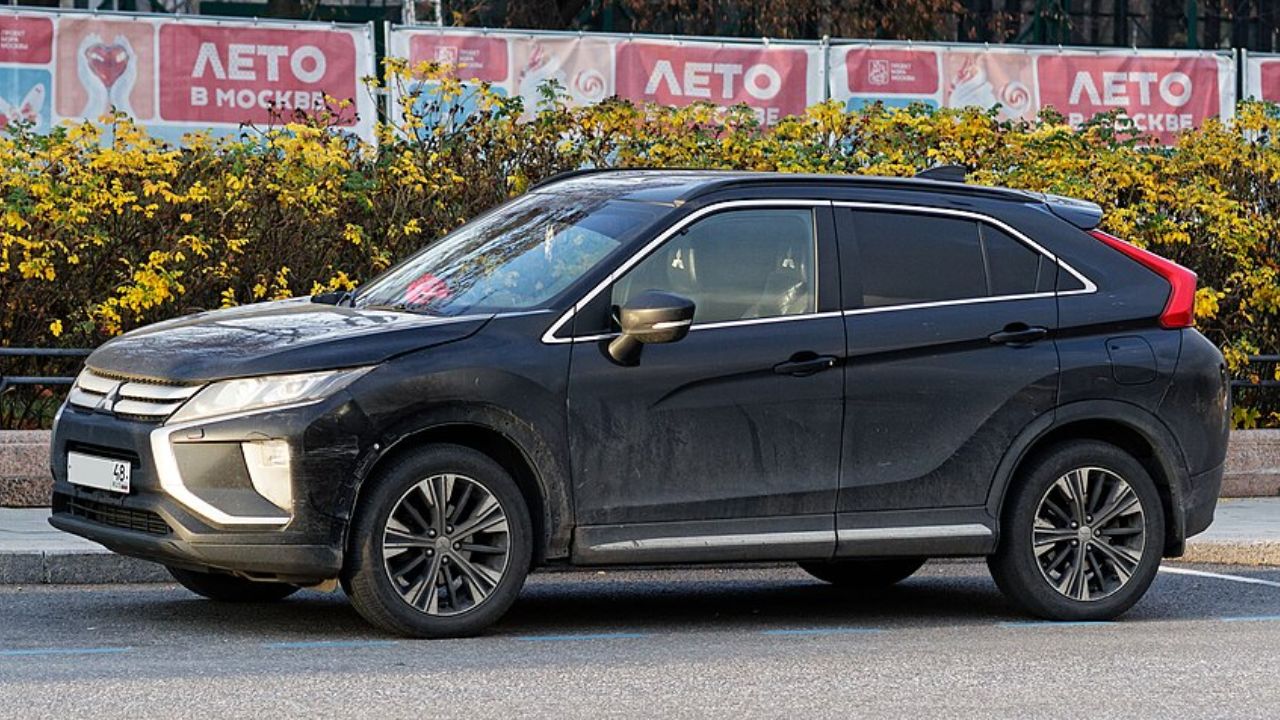
The Mitsubishi Eclipse was once synonymous with sporty coupes that delivered exhilarating driving experiences during the 1990s and early 2000s. However, the Eclipse Cross, introduced in 2017, reimagines the nameplate as a compact crossover SUV. While it offers practicality and a higher driving position, the transformation has left some enthusiasts yearning for the Eclipse’s sporty past.
By shifting from a performance-oriented coupe to a family-friendly SUV, Mitsubishi has broadened the Eclipse’s appeal. However, this change alienates those who remember the Eclipse for its turbocharged power and sleek design, which were hallmarks of its earlier iterations.
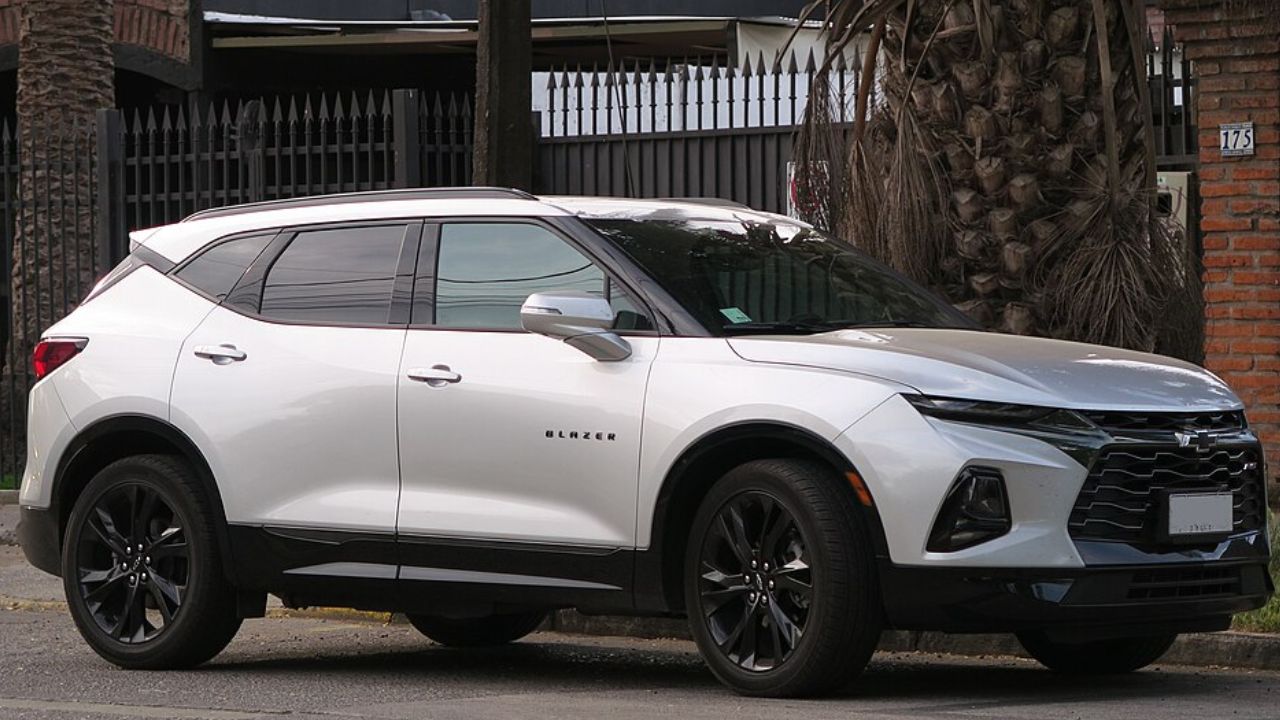
Chevrolet Blazer
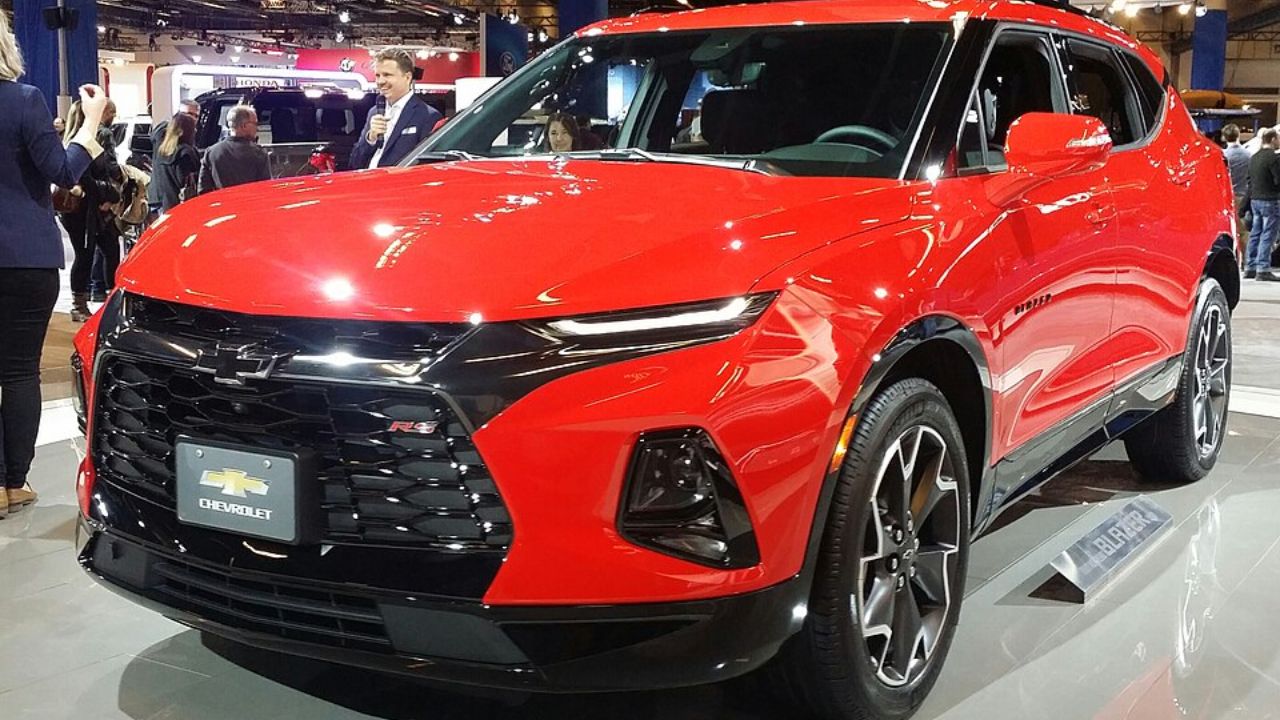
The Chevrolet Blazer was once a rugged, off-road capable SUV that earned a reputation for durability and strength. Revived in 2019 as a mid-sized crossover, the new Blazer has adopted a more refined and urban-friendly persona. While it boasts contemporary styling and advanced technology, it lacks the off-road prowess that defined its predecessors.
The transition from a utilitarian SUV to a stylish crossover has been polarizing. The modern Blazer appeals to a different market segment, but fans of the original models miss the ruggedness and trail-ready capabilities that were once synonymous with the Blazer name.
BMW 2 Series Gran Coupe
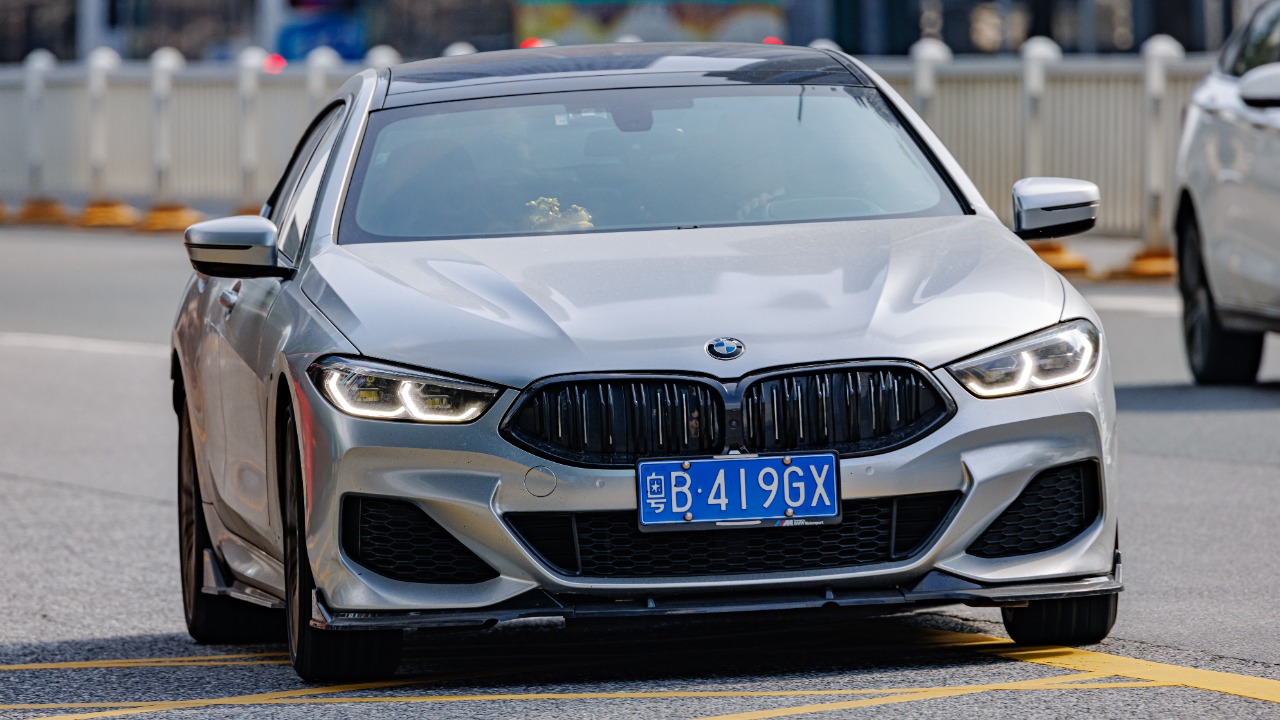
BMW’s 2 Series was introduced as a compact, driver-focused coupe, celebrated for its engaging driving dynamics. The 2 Series Gran Coupe, launched in 2020, deviates from this formula by offering a front-wheel-drive platform and a four-door configuration. While it provides practicality and sleek design, it diverges from the sporty essence that initially defined the 2 Series.
Critics argue that the Gran Coupe, with its focus on style and comfort, lacks the driving engagement that BMW purists expect. As the brand expands its lineup, the challenge remains to balance innovation with the core values that make BMW’s performance cars beloved by enthusiasts.
Toyota Supra (A90)
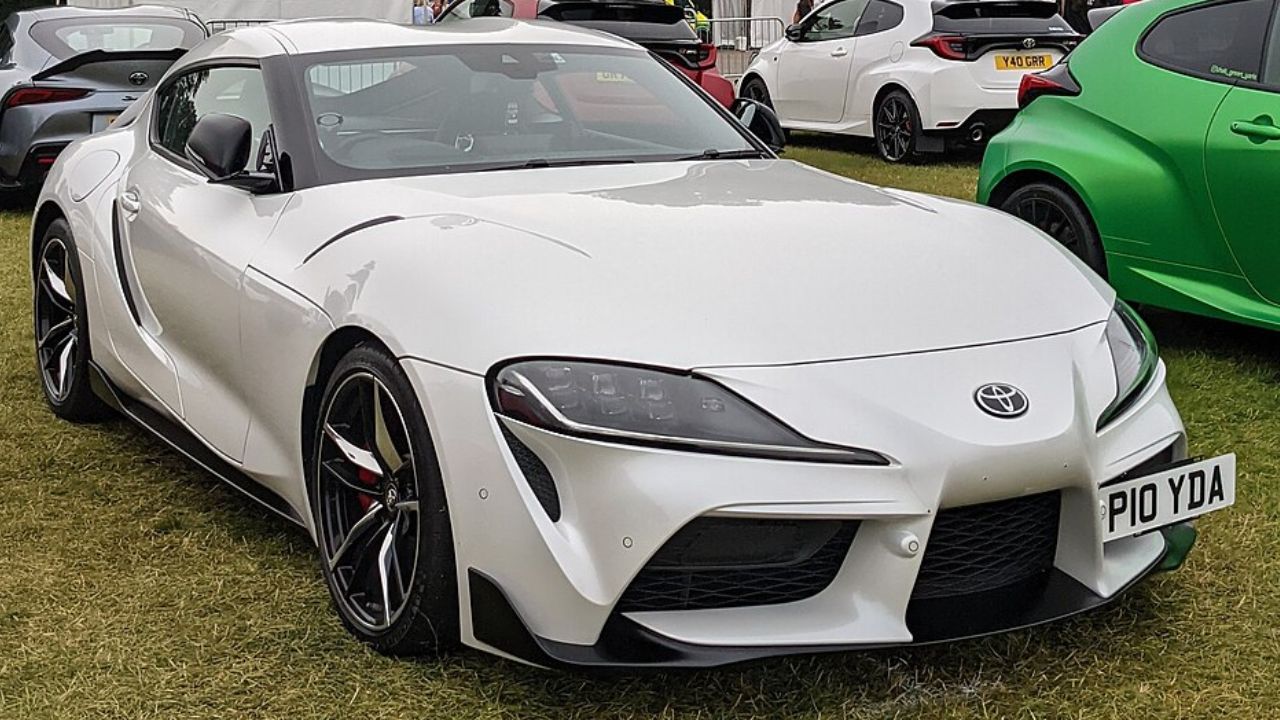
The Toyota Supra, especially the A80 model, is revered as one of the greatest sports cars of its era. The A90 Supra, reintroduced in 2019, marked a highly anticipated return but faced scrutiny due to its BMW partnership. Sharing a platform and engine with the BMW Z4, some purists feel that the A90 lacks the unique Toyota character that made its predecessors legendary.
While the A90 Supra delivers impressive performance and modern technology, the collaboration with BMW leaves some fans questioning its authenticity. Despite these concerns, the A90 has successfully rekindled interest in the Supra brand, appealing to a new generation of enthusiasts.
Honda Civic Type R
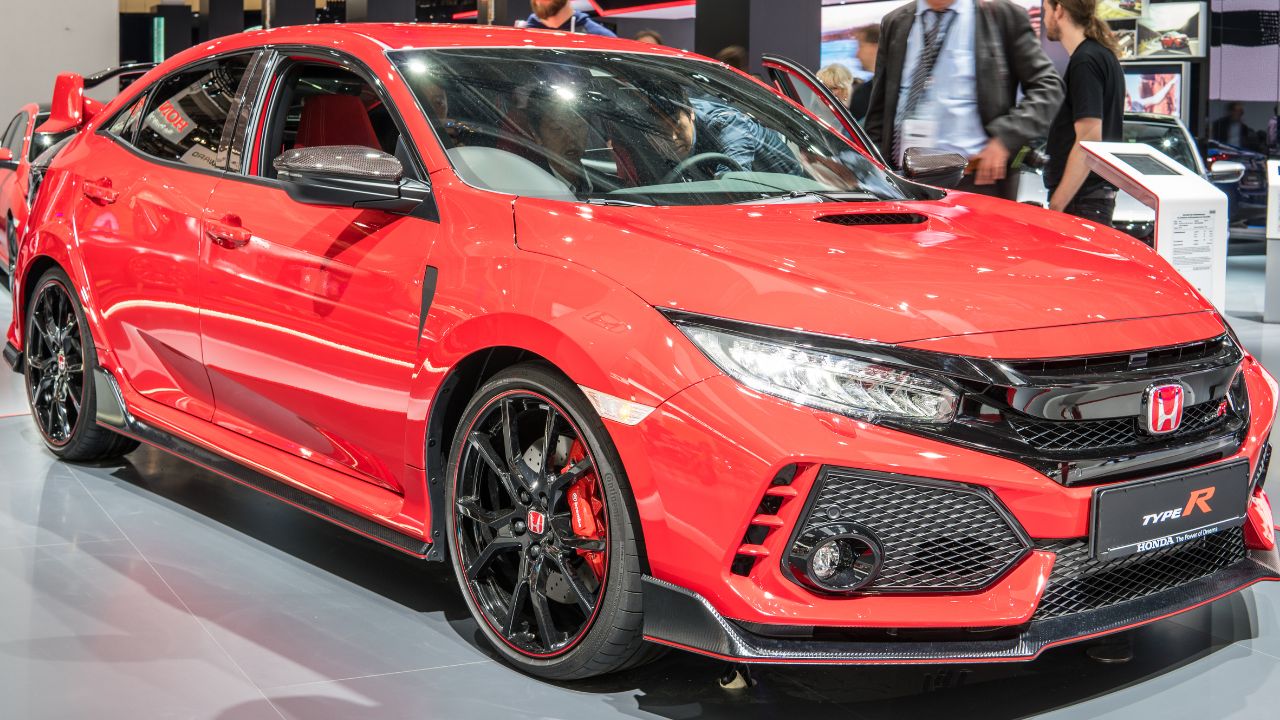
The Honda Civic Type R has been celebrated for its high-revving engines and precise handling since its inception. The latest iteration, introduced in 2017 and updated in 2020, continues to deliver thrilling performance but has grown in size and weight, sparking debate among purists about its evolving identity.
While the newer Type R models offer advanced technology and improved comfort, some enthusiasts miss the raw, unfiltered driving experience of earlier models. Honda’s challenge lies in maintaining the Type R’s performance pedigree while catering to modern demands for safety and convenience.
Nissan Z Proto
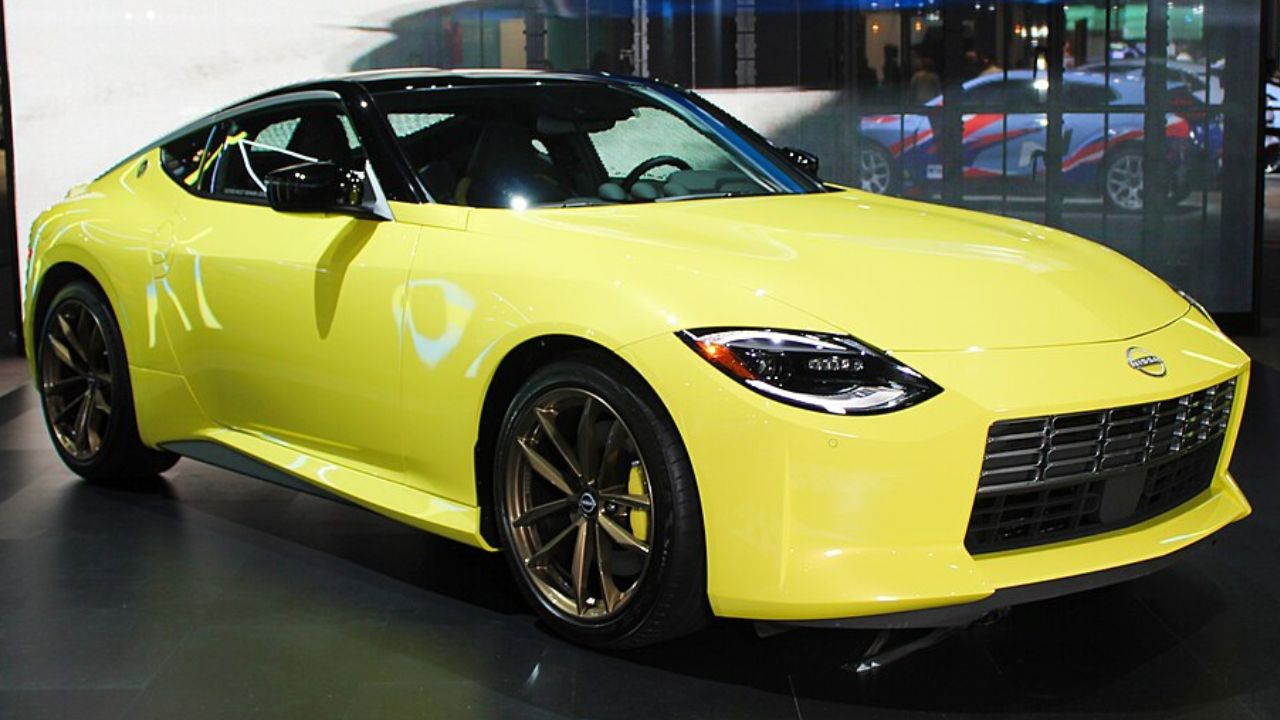
The Nissan Z series has long been a symbol of affordable sports car performance. The Z Proto, unveiled in 2020 as a preview of the next-generation Z car, pays homage to its predecessors with retro styling cues. However, questions about its powertrain and platform sharing with other Nissan models have left some fans uncertain about its true identity.
While the Z Proto promises to deliver the driving excitement synonymous with the Z name, its potential reliance on existing Nissan components has sparked debate about its uniqueness. Enthusiasts hope the final production model will stay true to the Z legacy of offering a pure, engaging sports car experience.
Dodge Hornet
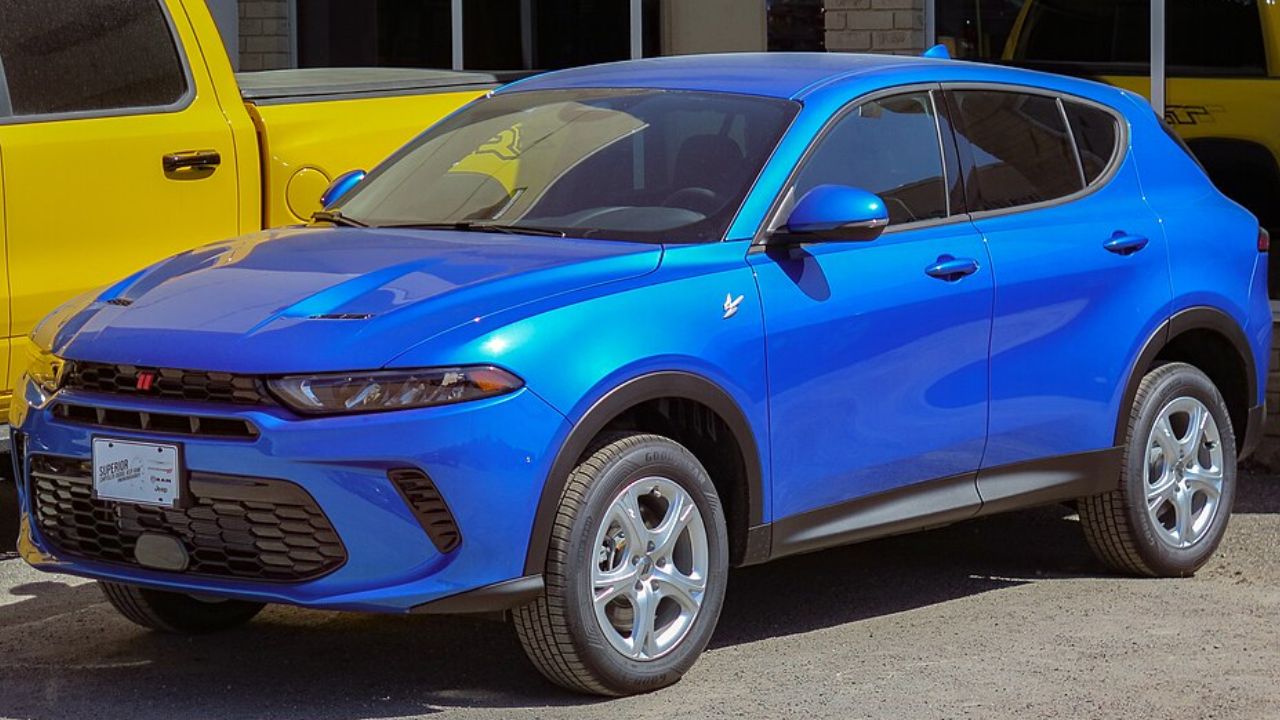
The Dodge Hornet, once a name associated with American muscle cars, has been resurrected as a compact SUV. Launched in 2022, the new Hornet diverges from its heritage, aiming to capture a slice of the competitive crossover market. While it offers practicality and contemporary styling, it lacks the muscle car spirit that initially defined the Hornet.
Dodge’s decision to pivot the Hornet into an SUV reflects the brand’s adaptation to modern consumer preferences. However, this shift leaves some enthusiasts nostalgic for the days when the Hornet name represented raw power and performance rather than urban utility.
More from Fast Lane Only