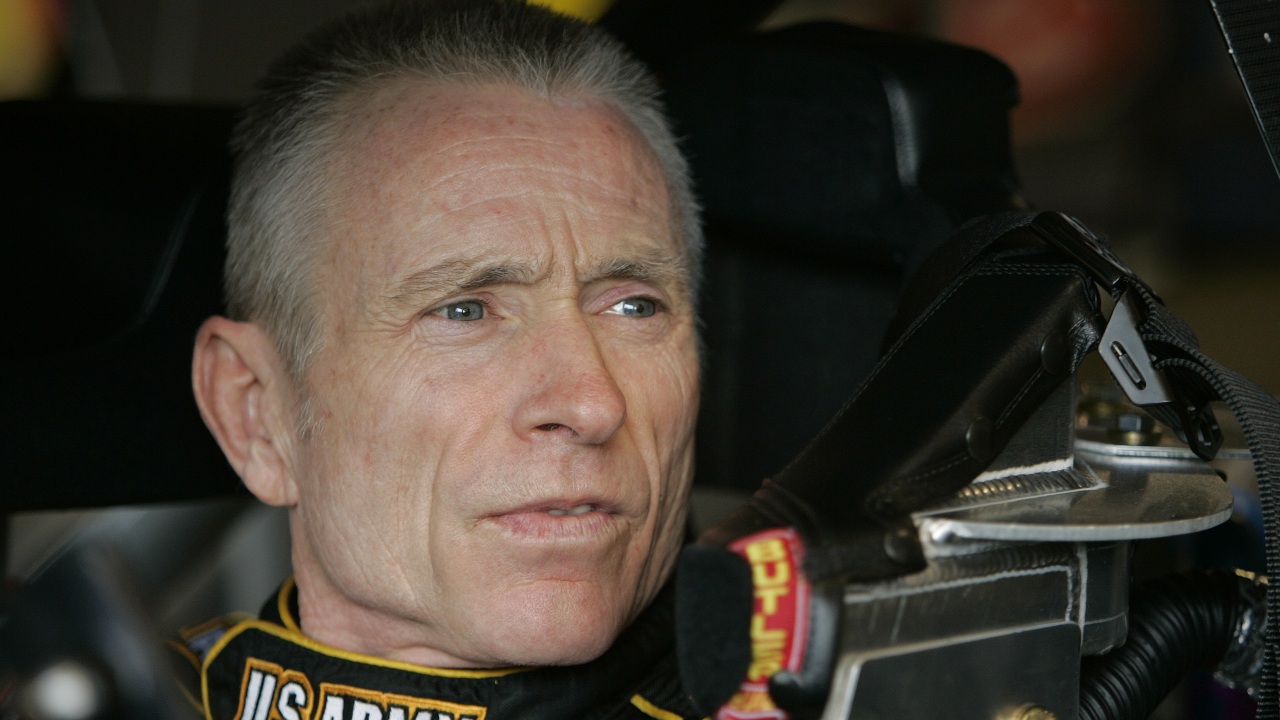
Mark Martin built a career that shatters the lazy idea that greatness is measured only in trophies. His record, his consistency, and the respect he commands inside the garage make a louder statement than any single championship banner ever could. If the sport needs a definitive example of how a driver can be the standard without a Cup title, it already has one in Martin.
From Batesville, Arkansas to the NASCAR Hall of Fame, Martin turned raw talent into a meticulous, relentless craft that delivered wins at every level of stock car racing. The story of why he stands as the greatest driver without a championship is not a tale of what he lacked, but of how much he achieved, and how fiercely he kept coming back when the title slipped away.
From Batesville to the big leagues
I always come back to where the legend started, because Martin’s roots explain so much of his edge. He grew up in Batesville, Arkansas, far from the traditional Southern racing hotbeds, and still fought his way into the national spotlight as a young short-track phenom. That climb from a small-town background into the upper reaches of stock car racing set the tone for a career built on grit rather than entitlement, a path that eventually carried him into the NASCAR Hall of Fame.
Once he arrived on the biggest stage, Martin made his name in the No. 6 Ford for Roush Racing for the majority of his career, turning that blue oval into a weekly threat at tracks of every size. His partnership with Ford for Roush Racing for the long haul turned into one of the defining combinations of the modern era, a steady, methodical operation that mirrored Martin’s own personality. He was not the loudest driver in the room, but he was often the one everyone else had to beat.
Building a winning machine, one race at a time
What separates Martin from most “almost” champions is how thoroughly he mastered every rung of the NASCAR ladder. He did not just dabble in different series, he won in them, stacking victories in the premier division, in what is now the Xfinity Series, and in trucks, proving that his skill translated across formats and generations. The Hall of Fame credits him with success at every level of NASCAR, describing how he kept Building, Racing Legacy One Win, Time, and that phrase captures the relentless, brick-by-brick way he built his résumé.
His peak seasons were not just good, they were ferocious. In 1998, Martin set career highs for wins, top fives, and laps led, including a staggering 1,730 circuits out front that year, a number that underlines how often he controlled races rather than lucking into them. That same stretch saw him become a perennial title threat, finishing runner-up multiple times while still adding to a win total that stretched deep into his forties, capped by a premier series victory in 2009 that showed his speed had not faded. When I look at that body of work, the pattern is obvious: this was a driver who turned consistency into a weapon.
Always the contender, rarely the champion
The cruel twist in Martin’s story is that his best seasons collided with some of the toughest competition the sport has ever seen. He kept putting together complete campaigns, only to watch the championship slip away by narrow margins, mechanical heartbreak, or the sheer force of rivals at their absolute peak. The Hall of Fame recounts how his 1998 surge, with those 1,730 laps led and a stack of wins, still ended in another second-place finish in the standings, a reminder that even dominant years can be overshadowed when the points fall just out of reach.
Those near-misses became a defining thread, but not in the way casual fans might think. Detailed looks at his closest calls emphasize that Martin never backed off, never coasted, and never treated the title as an excuse to change who he was behind the wheel. One retrospective frames it bluntly: Maybe the moral is that he kept giving everything he had every time he strapped in, and that relentless effort, not the missing trophy, is what his legacy should be. I see those seasons not as failures, but as proof that he was always in the fight when it mattered most.
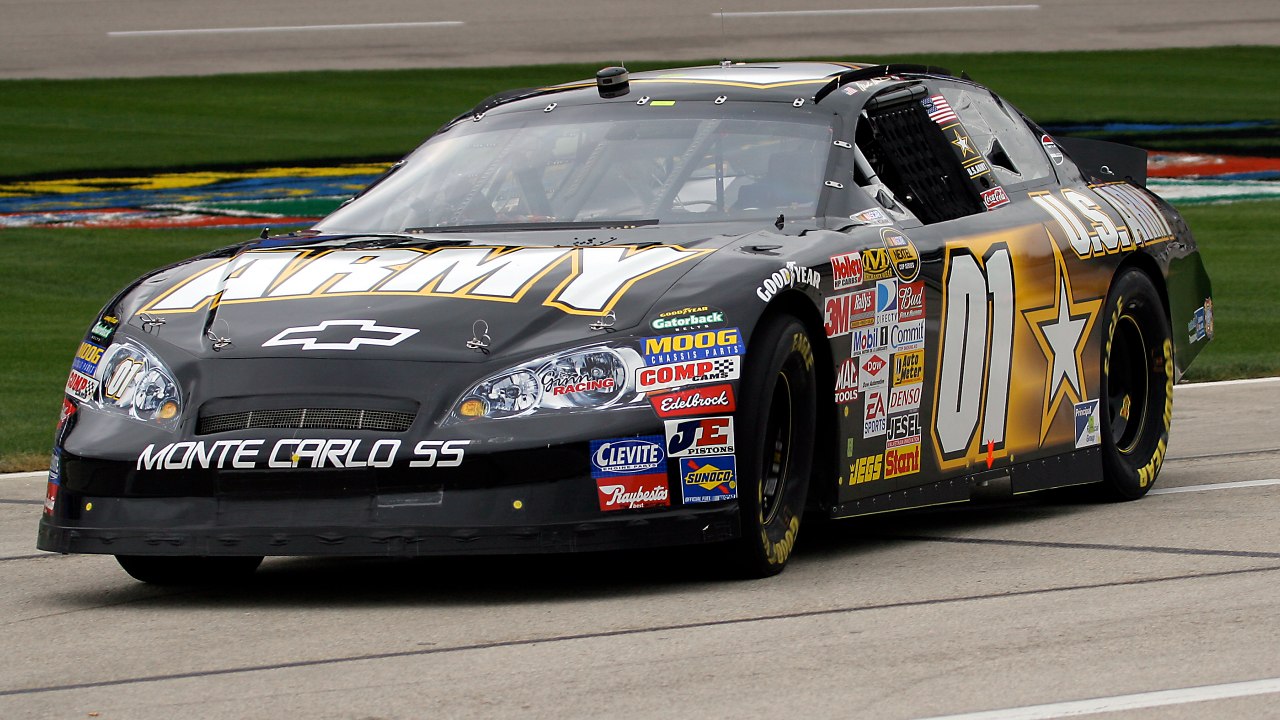
The GOAT without a Cup
When people argue about the greatest driver never to win a championship, the conversation usually starts and ends with Mark Martin. One detailed comparison of title-less stars flatly states that Mark Martin Covers as the GOAT without a Cup, and that is not hyperbole. It is a recognition that his blend of wins, longevity, and constant contention sets him apart from other greats who fell just short of the big trophy.
That reputation is not just media hype, it is baked into how the sport’s institutions talk about him. The Motorsports Hall of Fame describes it as generally accepted that Mark Martin was NASCAR’s all-time best driver without a championship on his résumé, noting his stature as a Sprint Cu era star who consistently ran at the front. When a Hall of Fame labels you the benchmark for an entire category of greatness, the debate starts to feel settled. I see that consensus as the ultimate validation that the absence of a title did not diminish his standing, it sharpened it.
Defining greatness beyond the trophy case
What excites me most about Martin’s career is how it forces us to rethink what greatness looks like in motorsports. He was not just a winner, he was a standard-setter for preparation, fitness, and professionalism, the kind of driver younger competitors studied as much for his approach as for his lap times. Profiles of his later years describe him as one of the greatest NASCAR drivers, a veteran who openly embraced the idea of closing one chapter and starting another, saying, “And I’m proud of that. But it’s time for me to open a new chapter and do some other things.” That simple “But” carries the confidence of someone who knows his legacy is secure.
Even outside the Cup spotlight, Martin’s broader record reinforces that point. A detailed career profile lists him as Mark Martin, Born January 09, 1959, Age 66, Country United States, Current Competition not active, with 1,231 starts across disciplines that include major endurance events like the 24 Hours of Daytona and the 24 Hours of Le Mans. That kind of volume, paired with class victories in those grueling races, shows a driver who chased challenges wherever he could find them, not just where the cameras were brightest.
The races that tell the real story
If you really want to feel Martin’s impact, you have to zoom in on the individual races that shaped his legend. Signature wins at tracks like Darlington, Rockingham, and the road courses did more than pad his stats, they showcased a driver who could dissect a race, manage tires, and outthink the field over long green-flag runs. One breakdown of his most important victories calls him one of the most iconic drivers in NASCAR history and highlights how specific wins became turning points in his career and in the sport’s competitive balance.
Those moments matter because they reveal the competitor behind the numbers. In race after race, Martin showed a willingness to race clean but hard, to accept second when the car was not good enough, and to pounce when it was. Analyses of his biggest days at the track frame them under the simple hook of “What’s Happening?” because when Martin was in contention, the entire dynamic of an event changed. That is the mark of a true great: the ability to tilt the room, or in this case the racetrack, just by being in the mix.
In the end, the absence of a Cup championship on Mark Martin’s résumé feels less like a gap and more like a plot twist that keeps his story burning in the sport’s collective memory. He turned Batesville beginnings into Hall of Fame credentials, dominated seasons without the ultimate payoff, and still emerged as the driver everyone points to when they talk about greatness without a title. For me, that is the clearest proof that the sport’s most complete careers are not always the ones with the most hardware, but the ones that keep us talking, arguing, and admiring long after the engines go quiet.
More from Fast Lane Only: