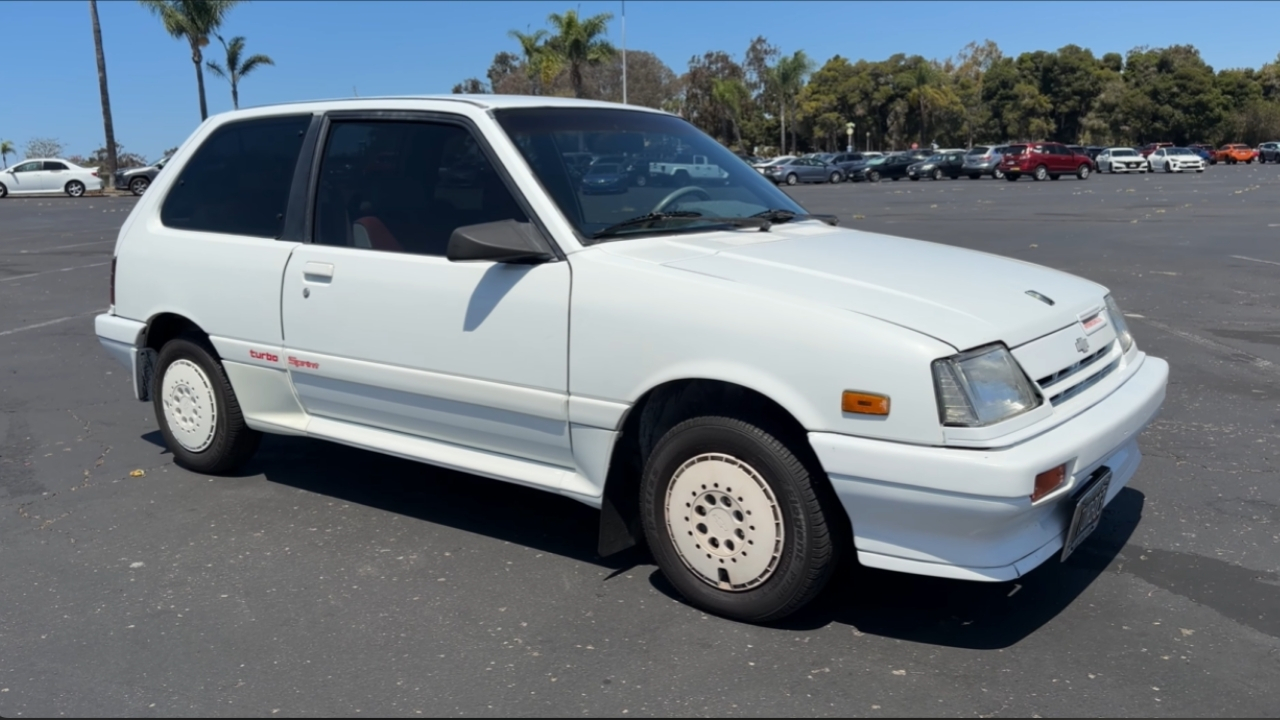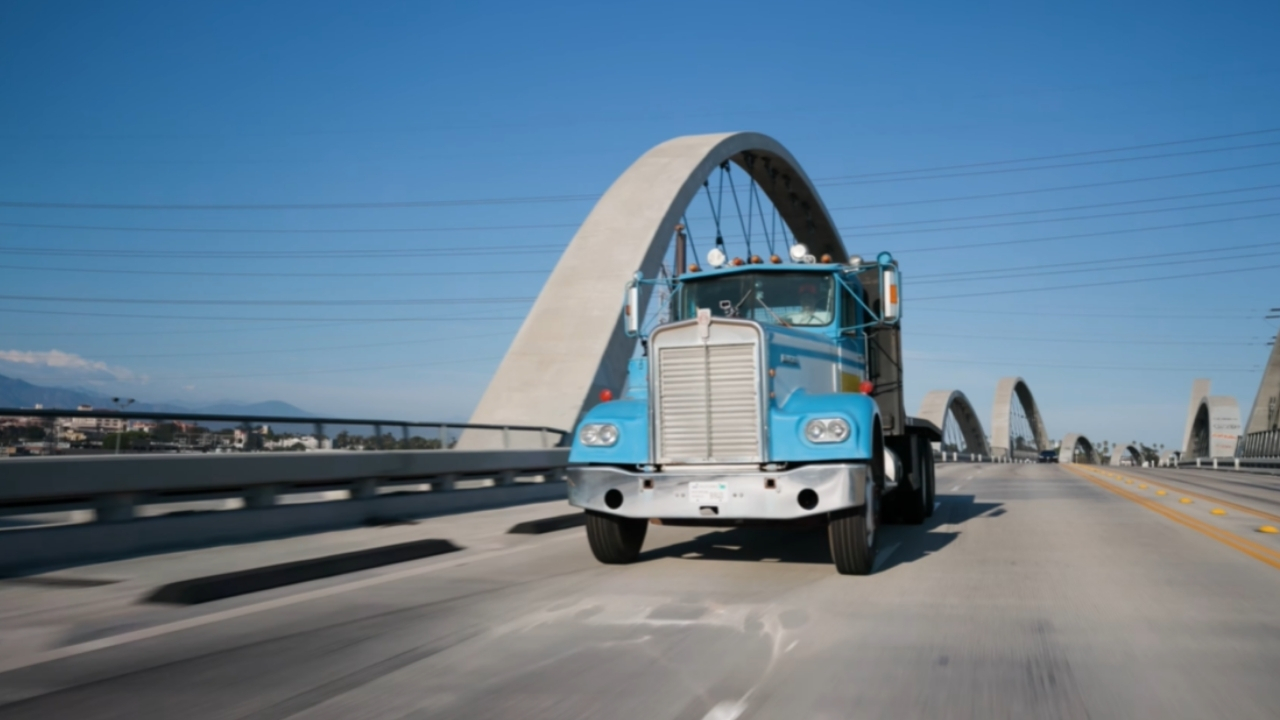
It started like a lot of used-vehicle stories do: a decent price, a quick test drive, and that little buzz of “I think I scored.” Nothing felt obviously wrong at first, and the seller seemed relaxed and confident. Then it went to a mechanic for a routine inspection, and the whole mood shifted in about five seconds.
Tucked underneath, in a spot most people don’t casually crawl around to inspect, was a cracked frame section. Not a squeaky belt, not a worn brake pad—one of those problems that makes you stop talking mid-sentence and just stare. The buyer wasn’t expecting perfection, but they also weren’t expecting the structural backbone of the vehicle to be compromised.
A “normal” inspection that turned into a red flag parade
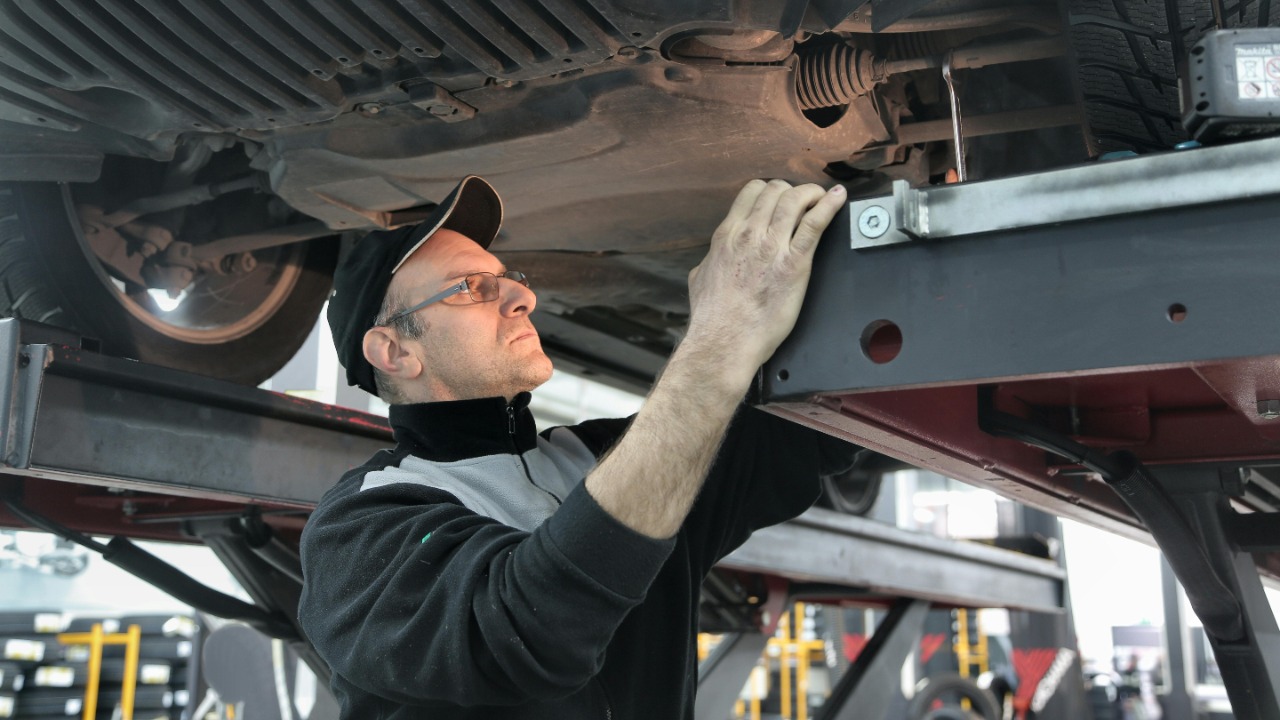
The mechanic reportedly spotted the issue while checking the underside, near a stressed area where frame rails and mounts take a lot of load. To most of us, the underside is just… the underside. To a mechanic, it’s a storybook of impacts, rust, shortcuts, and repairs that may or may not have been done with actual care.
The crack wasn’t something you’d likely notice during a quick driveway look-over. It’s the kind of thing that hides behind road grime, undercoating, and shadows, especially if you don’t know exactly where to aim a flashlight. And when a mechanic finds something like that, it’s rarely the only surprise.
Once the crack showed up, everything else got a closer look: surrounding rust, signs of past welding, uneven undercoating, and whether the damage looked fresh or had been “living there” for a while. That’s when the big question popped up—how did this happen, and who knew?
Why a cracked frame is a bigger deal than it sounds
People hear “frame crack” and sometimes assume it’s like a cracked bumper bracket or a noisy suspension bushing—annoying, but manageable. A frame is different. It’s the structure that keeps everything aligned: suspension geometry, crash protection, how the vehicle handles load, and how it reacts in a hard stop.
A crack can spread over time, especially if it’s near a high-stress point like a control arm mount, steering component area, or a tow/haul attachment. Even if the vehicle feels fine now, that doesn’t mean it will feel fine after a pothole, a heavy load, or a sharp evasive maneuver. This is one of those “it matters most when you least want it to” issues.
And yes, some frame damage can be repaired properly. But “properly” is doing a lot of heavy lifting there—repairs often require skilled welding, reinforcement plates, measurements to confirm alignment, and sometimes manufacturer-specific procedures. If it’s repaired poorly, it can be worse than leaving it alone, because it may fail without much warning.
The seller didn’t mention it… so what does that mean?
The uncomfortable part is the silence. The seller never mentioned any frame damage, no prior repairs, no incident that might’ve caused it. That could mean they genuinely didn’t know, or it could mean they knew and hoped it wouldn’t come up before money changed hands.
In private sales, disclosure rules vary a lot depending on where you live. Some places expect sellers to disclose known major defects; other places lean heavily on “buyer beware.” But even where disclosure isn’t strictly required, failing to mention a structural crack is still a pretty loud ethical miss.
There’s also the possibility the seller bought it that way, drove it, and never had it inspected closely. People skip pre-purchase inspections all the time—until they get burned once and suddenly become very dedicated to flashlight ownership. Either way, the buyer is now holding the stress ball.
How mechanics typically verify it’s not just surface damage
Not every scary-looking line is a catastrophic crack, so mechanics usually confirm what they’re seeing. They’ll clean the area, scrape undercoating, and look for a crack that continues through the metal rather than sitting on the surface. Sometimes they’ll use dye penetrant or other inspection methods if the area is hard to read.
They also look around the crack for clues: rust inside the split (often a sign it’s been there a while), shiny exposed metal (more recent), or telltale signs of a previous repair like grinding marks and uneven weld beads. A clean-looking patch with fresh coating isn’t always good news—it can be camouflage. The goal is figuring out whether the vehicle is unsafe, repairable, or a walking “nope.”
Another big piece is alignment and geometry. If the frame is compromised, the vehicle might show uneven tire wear, pulling, strange gaps in body panels, or doors that don’t line up quite right. None of these signs are guaranteed, which is exactly why inspections matter.
What the buyer can do next (without spiraling)
First: get everything documented. Ask the mechanic for photos, notes, and a written estimate—even if the estimate is basically “needs specialist evaluation.” That paper trail helps with negotiating, deciding whether to proceed, or making a case if the situation turns into a dispute.
Second: figure out whether the sale is still reversible. If it was purchased from a dealer, there may be specific consumer protection rules, limited warranties, or misrepresentation policies that apply. If it was a private sale, options might be narrower, but documentation still matters if you end up needing legal advice.
Third: don’t accept a vague promise like “my buddy can weld it.” Frame repairs can be legitimate, but they should be done by a qualified shop that understands structural work, uses correct reinforcement methods, and can verify measurements afterward. If a repair can’t be certified, insured, or confidently explained, that’s your answer.
Can a cracked frame ever be “fine”? Sometimes, but it’s a gamble
There are cases where a crack is small, isolated, and caught early, and a reputable shop can repair it correctly. There are also cases where rust has weakened the surrounding metal so much that welding is like trying to stitch wet cardboard. The difference is usually obvious to a professional and annoyingly unclear to everyone else.
Costs vary wildly. A straightforward reinforcement might be manageable; a complex repair involving disassembly, alignment checks, and corrosion mitigation can get expensive fast. And even if the repair is excellent, resale value and insurability can take a hit, because “frame damage” tends to cling to a vehicle’s history like glitter.
If the vehicle was bought for towing, hauling, or long highway trips, the risk calculus changes, too. A cracked frame on a vehicle used lightly around town is still serious, but the consequences of failure under load or at speed are much higher. This is one of those moments where being practical is also being safe.
The quiet lesson: the best time to find this is before you buy
This story is a pretty strong advertisement for pre-purchase inspections, even when a vehicle looks clean and drives nicely. A shiny exterior can hide a rough underside, and sellers—good or bad—often focus on what you can see in daylight. A lift, a trained eye, and ten minutes underneath can save you months of frustration.
If you’re shopping for a used vehicle, it helps to check common rust areas for that model, ask direct questions about accidents and repairs, and request service records. And if a seller gets weird about an inspection, that’s useful information all by itself. The goal isn’t paranoia—it’s clarity.
For this buyer, the cracked frame section changed everything, not because it’s impossible to address, but because it rewrites the whole value of the deal. The vehicle might still be salvageable, or it might be a financial sinkhole with good paint. Either way, the mechanic did exactly what they were supposed to do: catch the problem before it catches someone else.
More from Fast Lane Only
- Unboxing the WWII Jeep in a Crate
- 15 rare Chevys collectors are quietly buying
- 10 underrated V8s still worth hunting down
- Police notice this before you even roll window down
*Research for this article included AI assistance, with all final content reviewed by human editors.