A routine oil change turned into a small mystery this week when a mechanic discovered an oil filter that was only hand-tight on a customer’s car. It wasn’t dangling off or spraying oil everywhere, but it was loose enough to raise eyebrows. And, in a moment that felt equal parts concern and curiosity, the mechanic asked the question nobody really wants to hear at a service counter: who worked on it last?
For drivers, it’s the kind of detail that sounds minor until you picture what an oil filter actually does. It’s basically the bouncer at the door of your engine oil system, keeping grit and metal particles from circulating where they shouldn’t. If that bouncer isn’t firmly in place, things can get messy fast.
What “hand-tight” really means (and why it’s a red flag)
Oil filters are designed to be installed snugly, usually by spinning them on until the gasket makes contact and then tightening a bit more. Many manufacturers and filter brands specify something like “three-quarters of a turn after gasket contact,” though exact guidance can vary. The point is: it shouldn’t be loose enough that it feels like it could come off with casual effort.
“Hand-tight” can mean different things depending on who’s doing the tightening. Some people have a gorilla grip; others tighten it like they’re closing a jar of pickles they don’t actually want to open later. But when a mechanic says it was hand-tight in that worried tone, they usually mean it didn’t have the proper snug-and-seated feel.
How this gets spotted during a normal visit
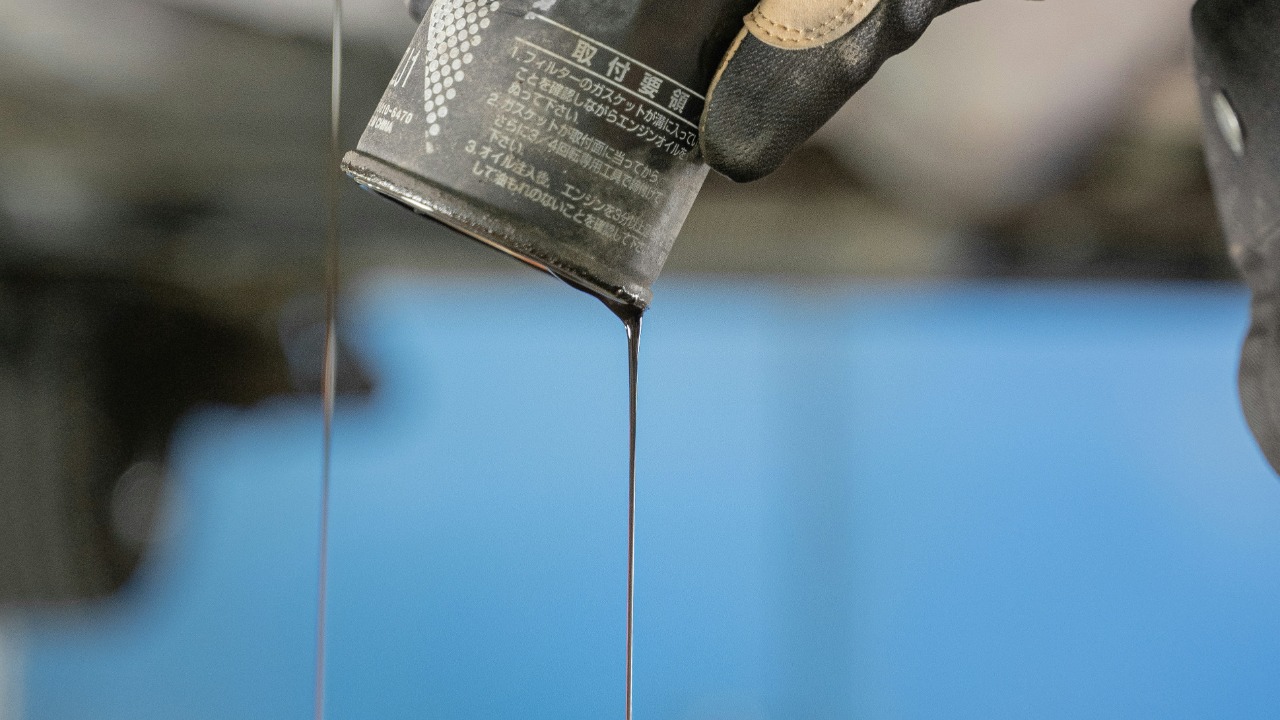
The discovery often happens during the simplest part of the job: removing the old filter. A properly installed filter usually needs a filter wrench, or at least a firm twist with a gloved hand and some effort. When it spins off too easily, that’s when the mechanic pauses, squints a little, and starts wondering what happened.
In some cases, there are clues right on the vehicle. A light oil film around the filter housing, a few drops on an undertray, or a faint burnt-oil smell after driving can hint at a slow leak. And sometimes there are no obvious symptoms at all, which is part of what makes it unsettling.
Why a loose oil filter matters more than people think
An oil filter that isn’t fully seated can leak, and leaks rarely get better on their own. Heat cycles and vibration can gradually loosen things further, especially if the gasket wasn’t properly oiled or the filter wasn’t tightened to spec. The worst-case scenario is the filter backing off enough to dump oil quickly, which can lead to severe engine damage in a shockingly short time.
Even without a dramatic oil dump, a slow leak can still cause low oil levels over time. Low oil means less lubrication and less cooling for internal engine parts, which adds wear where you really don’t want it. Think of it like running a marathon while slowly losing water from a cracked bottle—you might not notice at first, but eventually you’re going to have a bad day.
The awkward question: “Who last serviced it?”
When a mechanic asks who last worked on the car, it’s not always about blaming someone. Sometimes it’s about figuring out whether this was a DIY job, a quick-lube stop, a dealership visit, or a shop that used a different filter type. Knowing that history helps them decide what else to check, like whether the correct filter was installed or if a gasket might have been double-stacked.
Still, it can feel a little like being asked who dented the fridge door. The customer might not even know—maybe it was done during a busy week, maybe a family member took it in, maybe it happened months ago. The mechanic’s job is to keep it factual: something’s off, and they want to reduce the odds of it happening again.
Common ways a filter ends up not fully tightened
The most innocent explanation is distraction. Oil changes are repetitive, and repetitive tasks can lead to skipped steps when someone’s rushed or interrupted. If a tech starts the filter, gets called away, then comes back, it’s surprisingly easy to assume a step was already finished.
Another possibility is a gasket issue. If the old filter gasket stuck to the engine and a new filter was installed on top of it, the filter can feel “tight” at first but not actually seal correctly. There’s also the occasional wrong filter application—threads catch, but the sealing surface isn’t quite right, so it never seats the way it should.
What drivers should watch for after an oil change
Most people don’t want homework after paying for service, and that’s fair. But a quick glance in the days following an oil change can catch problems early. If you see fresh spots where you park, smell oil, or notice a sudden “low oil pressure” or “check engine” warning, it’s worth checking immediately.
It’s also smart to check your oil level once after the service, ideally on level ground after the car’s been off for a few minutes. The dipstick takes about 30 seconds, and it can save a lot of stress. If the level is dropping, don’t just top it off and hope for the best—find the source.
What a shop typically does once they find it
When a mechanic finds a filter that’s too loose, they’ll usually inspect for leaks and check the condition of the gasket seating surface. They may clean the area, install a new filter (or reinstall properly if it’s in good shape), and refill oil to the correct level. In many cases, they’ll also look for oil spray patterns or residue that could indicate how long it’s been leaking.
They’ll often document it, too, especially if there’s any sign the engine ran low. That can include notes on oil level on arrival, any warning lights reported, and what they observed around the filter. It’s not about building a case; it’s about being clear on what they found and what they did next.
If you did the last oil change yourself, don’t panic
DIY oil changes are common, and plenty of people do them perfectly for years. If you hear “hand-tight” and realize you were the last one under the car, it doesn’t mean you’ve committed an automotive crime. It usually means one step went a little sideways—maybe the gasket wasn’t lubricated, maybe the filter wasn’t turned far enough after contact, or maybe it loosened over time.
The fix is simple: make sure the correct filter is used, oil the gasket lightly, tighten per the filter’s instructions, and recheck for leaks. If access is tight, a small mistake is more likely, so take your time. And if you’re ever unsure, it’s totally reasonable to have a shop do a quick inspection without turning it into a big ordeal.
A small detail with a big impact
An oil filter being hand-tight isn’t the kind of story that sounds dramatic—until you remember the engine depends on oil the way lungs depend on air. Most of the time, catching it early means the outcome is boring in the best way: tighten it correctly, clean up, confirm the oil level, and move on. The real lesson is that tiny, overlooked steps can matter a lot, especially when they’re spinning around a hot, vibrating engine at highway speed.
And if you ever find yourself at the counter hearing that question—who last serviced it—try not to take it personally. It’s usually just a mechanic’s way of connecting dots, preventing repeat problems, and keeping your car from turning a minor oversight into an expensive surprise.
More from Fast Lane Only
- Unboxing the WWII Jeep in a Crate
- 15 rare Chevys collectors are quietly buying
- 10 underrated V8s still worth hunting down
- Police notice this before you even roll window down
*Research for this article included AI assistance, with all final content reviewed by human editors.