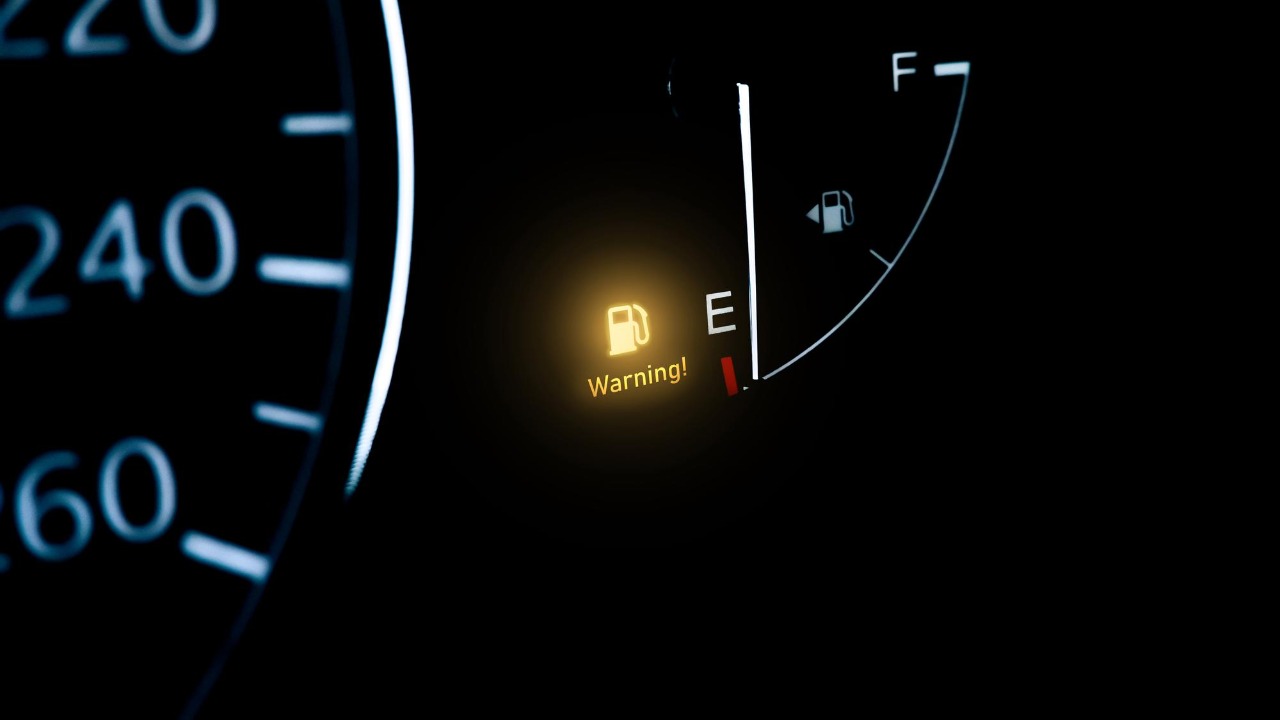
It started as one of those simple, everyday deals that keeps a household running: take the car, run the errand, fill the tank on the way back. Nothing dramatic, no big speech, just a quick “yeah, I’ve got it.” And then, like a punchline nobody asked for, the low-fuel warning light popped on before the car even made it home.
For the adult waiting at home, it wasn’t just the glowing icon on the dash that stung. It was the gap between a promise and what actually happened. If you’ve ever watched a car coast into the driveway on fumes, you know the feeling: part relief, part disbelief, and part “how is this even possible?”
A Small Promise With Big Expectations
The agreement was pretty standard. The teen needed the car, and the adult needed reassurance that the car wouldn’t come back emptier than it left. So the expectation was clear: stop for gas, fill it up, come home.
It’s not really about gasoline, at least not only. It’s about trust, follow-through, and the basic rhythm of sharing something expensive that can strand you on the side of the road. A car isn’t a shared hoodie; you can’t just shrug and say you’ll deal with it later.
The Timeline That Didn’t Add Up
According to what was shared afterward, the plan had been to get fuel “right after” the errand. Then it became “after one more stop.” Then it turned into “I was going to, but…” and that’s usually the moment everyone knows where this is headed.
By the time the car pulled in, the warning light was on, which is basically the automotive version of a smoke alarm. Most cars light that indicator with roughly 30–50 miles left, depending on the model and driving conditions. In other words: it wasn’t just low, it was living dangerously.
How This Happens More Often Than People Admit
If you’re wondering how someone can sincerely intend to get gas and still end up nearly empty, you’re not alone. But it happens all the time, especially with newer drivers who haven’t yet developed that internal “fuel clock.” Gas feels optional right up until it absolutely isn’t.
There’s also the psychological trick of “I’ll do it later,” which sounds harmless until later becomes “not today.” Add a little distraction—friends texting, music, traffic, a snack stop—and the gas station turns into a future problem. Unfortunately, the fuel gauge does not accept future payments.
The Quiet Panic of a Glowing Light
When the low-fuel light comes on mid-drive, it changes the whole vibe. Suddenly every hill feels steeper, every red light feels personal, and the distance to home feels longer than it did five minutes ago. People start turning off the AC like it’s a sacred ritual, even if it barely helps.
That anxiety is part of why this moment sticks. The adult at home isn’t just thinking, “They didn’t do the thing.” They’re thinking, “They could’ve been stranded,” or worse, “They could’ve tried to fix it with some risky shortcut.” The warning light is small, but the stakes feel big.
What the Teen Likely Heard Versus What the Adult Meant
Here’s where it gets interesting, because both sides often think they were perfectly clear. The teen may have heard “put some gas in” the way you hear “grab paper towels” at the store—nice if you remember, but not mission-critical. The adult almost certainly meant “fill it up, because running low isn’t acceptable.”
It’s also possible the teen interpreted “fill the tank” as “put in enough so I’m not on empty,” which is a very different standard. In a teen’s mental math, ten dollars might feel like a meaningful contribution. In an adult’s mental math, ten dollars is “thanks for the fumes.”
The Money Part Nobody Loves Talking About
There’s a practical angle that can’t be ignored: gas is expensive, and teens don’t always carry enough to fill up a tank. Even when they do, spending it can feel like lighting cash on fire, especially if they don’t fully connect fuel with the privilege of using the car. That doesn’t excuse the promise, but it can explain the hesitation.
Sometimes the situation is as simple as embarrassment. If the teen realized at the pump they didn’t have enough, they might’ve bailed rather than admit it. It’s not logical, but it’s human, and it’s extra common at an age where pride is basically a co-pilot.
Why This Turns Into a “Bigger Than Gas” Moment
This kind of incident tends to escalate fast because it touches a sensitive nerve: responsibility. The adult sees a pattern forming—if they’ll skip the gas after promising, what else will they “forget” when it matters? The teen sees a reaction that feels, to them, wildly out of proportion to a dashboard light.
Both reactions make sense from where each person is sitting. One side is thinking in terms of safety, cost, and reliability. The other side is thinking in terms of intention—“I meant to”—and not fully grasping that reliability is measured by what happens, not what was planned.
What Usually Helps After the Car’s Parked
In situations like this, the most effective conversations tend to be specific, not dramatic. Instead of debating whether the teen is “responsible,” the discussion can stick to clear rules: how low is too low, what “fill up” means, and what happens if it’s not done. People argue less when the expectations are measurable.
A lot of families also find it helps to build a simple system. For example: the car doesn’t leave the driveway if it’s below a quarter tank, or whoever drives last tops it off if it dips under half. Another option is requiring a photo of the gas receipt, not as surveillance, but as training wheels for follow-through.
The Little Lesson Hidden in the Warning Light
The funny thing about fuel lights is that they’re honest. They don’t care about good intentions, busy schedules, or how close you swear you were to stopping. They just report the truth, and sometimes that truth arrives at the exact moment someone is pulling into the driveway hoping nobody will notice.
In this case, everybody got lucky: the car made it home. But the glow on the dash did what it always does—it turned a small decision into a clear message. Next time, the hope is that the promise to “fill the tank” won’t be a vague idea, but a completed stop on the way back.
More from Fast Lane Only
- Unboxing the WWII Jeep in a Crate
- 15 rare Chevys collectors are quietly buying
- 10 underrated V8s still worth hunting down
- Police notice this before you even roll window down
*Research for this article included AI assistance, with all final content reviewed by human editors.