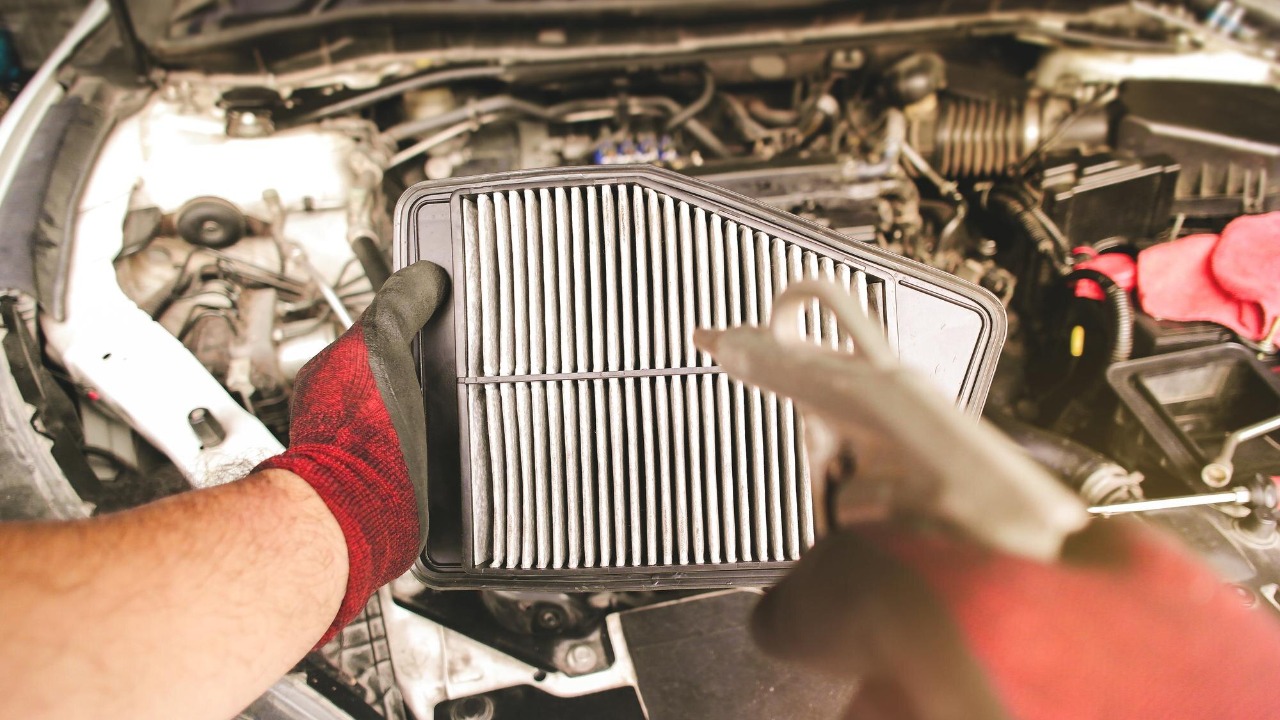
It started like a totally normal service visit: a car came in running a little rough, fuel economy had dipped, and there was that vague “something’s off” feeling that’s hard to describe but easy to notice. Nothing dramatic, no smoke pouring out, no warning lights flashing like a disco. Just the kind of complaint that makes a mechanic shrug, pop the hood, and start with the basics.
That’s when the air filter housing got opened, and everyone in the bay did the same little double-take. Inside, tucked where only an air filter and clean airflow should be, was a messy stash of leaves, insulation fluff, and chewed-up bits of whatever could be dragged in. It wasn’t fresh, either—it had that packed-down, been-here-a-while look.
A “Simple” Check That Turned Into a Mystery
Checking the air filter is usually a quick, almost boring step. Undo a few clips or screws, lift the lid, slide the filter out, and see if it’s clogged. Most of the time you find dust, maybe a few bugs, and a filter that’s overdue by a couple thousand miles.
This time, the filter was only part of the story. The housing itself had become a storage unit, with debris layered like it had been added little by little. The kind of scene that makes you wonder not just “how?” but “how long?”
How Stuff Even Gets in There
Air filter housings aren’t wide open to the world, but they’re not Fort Knox, either. Your engine needs air, so there’s an intake path—usually a snorkel or duct that pulls air from somewhere in the front of the engine bay. That path is designed for airflow, not for keeping out every determined critter with a survival plan.
If a small animal finds the intake opening, it can sometimes push nesting material in, piece by piece. Some housings have baffles and resonators that make it harder, but not impossible. And if the car sits for long stretches, that’s basically an open invitation in the animal world.
The Usual Suspects: Tiny Tenants With Big Plans
Most of the time, this kind of stash points to rodents—mice and similar small animals that love warm, sheltered spaces. The engine bay stays cozy after a drive, and the smell of food wrappers, pet kibble, or even certain plant materials can draw them in. They don’t need much space to start a home improvement project.
And yes, they can be surprisingly ambitious. They’ll haul leaves, dryer lint, seat stuffing, and anything fibrous they can grab. If you’ve ever wondered where that missing corner of a hood liner went, sometimes the answer is: it got redecorated into a nest.
Why It Stayed Hidden for Months
The sneaky part is that a car can keep running with a partially blocked air intake for a while. Modern engines have sensors that try to compensate, adjusting the fuel mixture based on airflow readings. So instead of instantly dying, the car just starts acting “not quite right.”
That’s why the driver might notice small changes first: sluggish acceleration, more frequent downshifts, a rough idle on cold mornings, or a fuel economy drop that feels like it came out of nowhere. If the blockage grows slowly, it’s easy to chalk it up to bad gas, weather, or “maybe I’m imagining it.” Spoiler: they usually aren’t.
What It Does to the Engine (And Why It Matters)
Your engine is basically an air pump, and it hates being forced to breathe through a pillow. When airflow is restricted, the engine can run rich, struggle under load, and generally lose its pep. Over time, that can mean more carbon buildup and extra stress on components that were designed for clean, steady airflow.
There’s also the gross factor: nests can trap moisture. Moisture can lead to moldy smells and corrosion in places that should stay dry. And if nesting material gets past the filter (or the filter isn’t seated perfectly), debris can head toward the mass airflow sensor or throttle body—parts that are picky and not cheap.
The Bigger Risk: Chewed Wires and Surprise Warning Lights
The air filter housing stash is often just the visible clue, not the whole story. If rodents are visiting, they may also chew wiring, vacuum lines, and insulation. Some cars use soy-based wire coatings that, unfortunately, can smell like a snack to the wrong houseguest.
That’s when things get expensive fast. A single damaged wire can trigger random warning lights, misfires, sensor faults, or a no-start situation that seems to come out of nowhere. People tend to blame “electronics” in general, but it’s sometimes more like: a tiny set of teeth with questionable life choices.
How the Mechanic Handled It
First step: remove the debris carefully and check whether the air filter itself was torn, soaked, or improperly seated. Then the housing gets cleaned out so loose material doesn’t get sucked deeper into the intake later. If the filter looks suspicious at all, it gets replaced—no one wants to gamble an engine on a $20 part.
Next comes the inspection tour. The intake ducting gets checked for chew marks or gaps, the surrounding wiring gets a close look, and the engine bay gets scanned for other signs of nesting. Sometimes there’s a second stash elsewhere, because apparently one pantry isn’t enough.
What Drivers Can Watch For at Home
You don’t have to be a mechanic to notice early hints. If your car suddenly smells “earthy,” like leaves or a hamster cage, pay attention. Same goes for bits of fluff near the hood, little piles of seeds, or shredded material that wasn’t there yesterday.
Sound can be a clue, too. Scratching noises, especially after the car’s been sitting overnight, deserve a look. And if performance changes quickly—hesitation, rough idle, or a check engine light—don’t assume it’ll sort itself out.
Easy Ways to Keep Critters From Moving In
If a car sits for long periods, that’s when prevention matters most. Popping the hood occasionally, driving it regularly, and keeping the area around where it’s parked clean can help. Rodents like predictable, quiet shelter, not interruption.
Some people use deterrents like peppermint oil packs, ultrasonic devices, or rodent tape on wiring. Results vary, and none of it is magic, but layering strategies helps. The most reliable move is reducing nearby food sources and checking under the hood every so often—five minutes now can save a very annoying bill later.
A Reminder That “Routine” Checks Aren’t Routine for No Reason
The funny thing is how often the simplest checks catch the weirdest problems. An air filter inspection is supposed to be basic maintenance, not a wildlife documentary. But cars live in the real world, and the real world has determined little creatures and a lot of leaves.
In this case, opening the air filter housing didn’t just solve a performance issue—it explained months of slow, creeping symptoms that didn’t seem connected at first. And it’s a solid reminder: when a car feels off, starting with the basics isn’t boring. Sometimes it’s exactly where the story is hiding.
More from Fast Lane Only
- Unboxing the WWII Jeep in a Crate
- 15 rare Chevys collectors are quietly buying
- 10 underrated V8s still worth hunting down
- Police notice this before you even roll window down
*Research for this article included AI assistance, with all final content reviewed by human editors.