It’s not the kind of thing you expect to hear when you’re picking up your car. You’re usually bracing for a bill, maybe a lecture about oil changes, and then you’re out the door. But this time, the keys didn’t get handed over—because the mechanic said taking the car back on the road could send someone straight to the hospital.
According to people familiar with the visit, the driver arrived thinking it was a routine repair. The car had been acting “a little off,” nothing dramatic, just enough to be annoying. Then the inspection turned into a full stop.
A Simple Drop-Off Turned Into a Hard No
The driver reportedly brought the vehicle in after noticing shaking at speed and a faint grinding sound when braking. That description might sound vague, but to a shop, it’s a big neon sign that says: “Check the safety stuff first.” The mechanic took it for a quick evaluation and came back with a different tone than expected.
Instead of “we can have this ready by end of day,” the message was more like: “You can’t drive this.” Not “shouldn’t,” not “it’d be better if you didn’t.” Flat-out refused.
The mechanic’s reasoning was blunt: if the car left the lot in its current condition, someone could end up in the hospital. That could be the driver, a passenger, or the unlucky person in the next lane who didn’t sign up for a surprise physics lesson.
What Makes a Mechanic Refuse to Release a Car?
Here’s the thing: in most places, a shop can’t literally “confiscate” your car just because it’s unsafe. If it’s yours, it’s yours. But a mechanic can refuse to sign off on it, refuse to do a partial repair that leaves it dangerous, and refuse to participate in sending a hazardous vehicle back onto public roads.
That refusal is often less about being dramatic and more about liability and ethics. If a shop knowingly lets a customer drive away with a critical failure—especially after warning them—things can get messy fast. And most people who fix cars for a living didn’t get into the job because they wanted to roll the dice with strangers’ lives.
Shops also have internal policies. Some will only release a car if it’s towed, or they’ll ask the owner to sign paperwork acknowledging the risk. Others simply won’t hand over keys until there’s a safe plan in place, like moving it to another shop via tow.
The Usual Suspects: The Failures That Turn Cars Into Missiles
The specific issue in this case wasn’t publicly detailed, but mechanics tend to use “hospital” language for a few repeat offenders. Brakes are the big one—especially if pads are gone and metal is grinding into rotors, or if a brake line is leaking. When brakes fail, you don’t get a polite warning; you get a pedal that goes soft at the worst possible time.
Steering and suspension problems can be just as scary. A worn ball joint, failing tie rod, or cracked control arm can cause loss of steering control or a wheel to shift in ways that make the car suddenly pull hard. If something separates at speed, it can turn a normal commute into chaos in a second.
Tires and wheels are another sleeper danger. A tire with sidewall damage, cords showing, or a bubble can blow out without much notice. Add loose lug nuts or a damaged wheel bearing, and you’ve got the kind of failure that doesn’t give you time to “just pull over.”
And then there are frame or structural issues—rusted-through mounting points, subframe rot, or badly repaired accident damage. Those don’t always look dramatic to the untrained eye, but they can mean the car can’t handle normal loads, potholes, or emergency maneuvers safely.
What the Driver Heard — And How That Usually Lands
Being told you can’t take your car is a weird feeling. People tend to cycle through the same reactions: confusion, irritation, bargaining, and then either relief or suspicion. It’s not fun to feel like someone else is suddenly “in charge” of your plans.
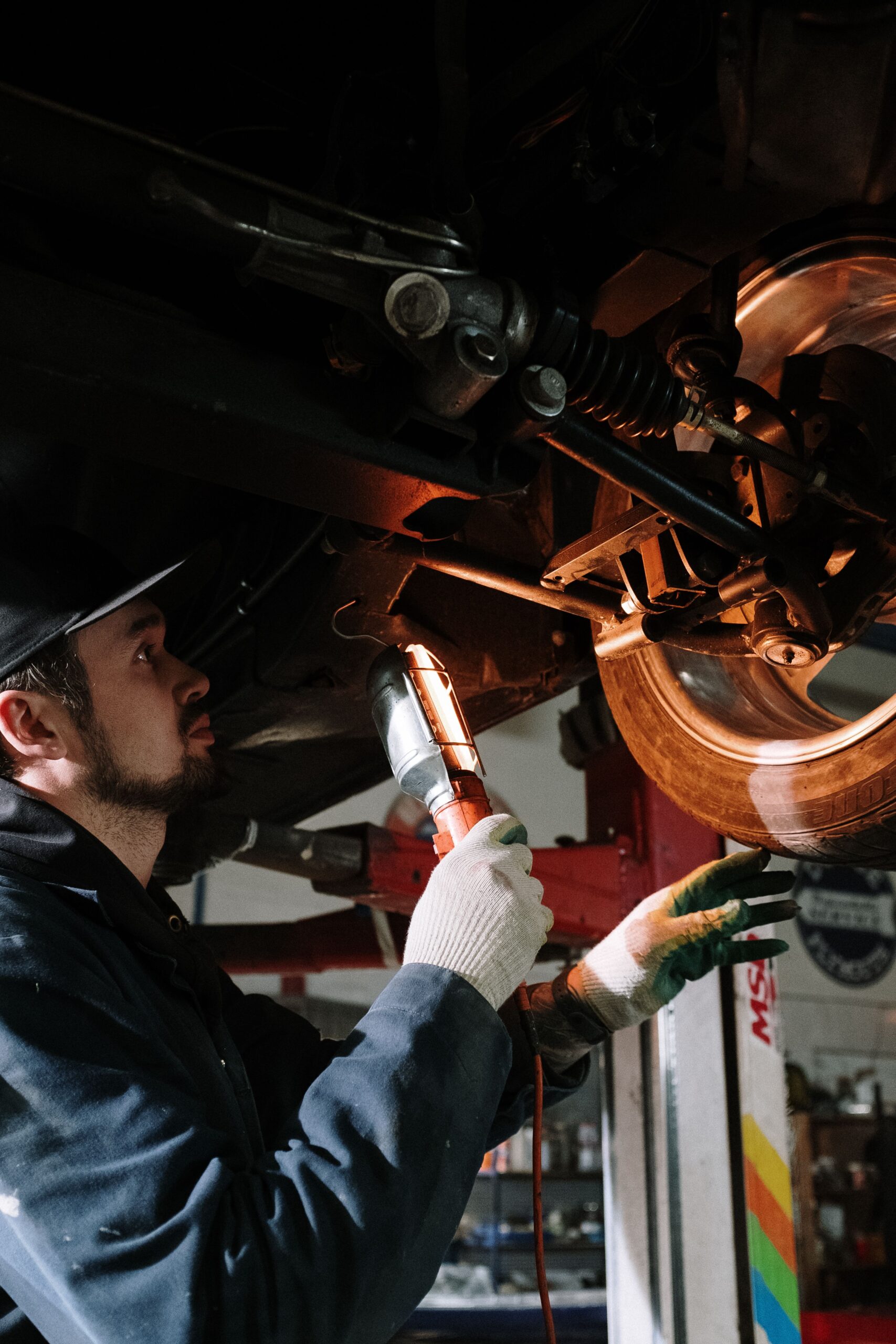
In situations like this, mechanics often try to show rather than tell. They’ll bring the customer into the bay, point at the worn component, wiggle the loose part, or show a leak. It’s not a scare tactic; it’s a translation—because “unsafe” means different things to different people, but a dangling component is pretty universal.
Still, it can feel personal even when it isn’t. A driver might think, “Are they exaggerating to sell me a bigger job?” That’s an understandable worry. But refusing to release a car is actually a move that can cost a shop time, create conflict, and slow down the day—so it’s rarely done casually.
The Shop’s Dilemma: Fix It, Tow It, or Document It
When a vehicle is judged too dangerous to drive, the shop typically tries to steer the situation toward a few practical options. The first is a repair that gets the car to a baseline safe condition, even if it’s not every recommended item. For example, replacing a failed brake line now, and scheduling the rest later.
The second option is towing. It sounds extreme until you remember it’s basically a controlled way to move an unsafe vehicle without betting your life on it. Many shops can help arrange a tow, and if you’ve got roadside assistance or certain insurance coverage, it may not be as expensive as people fear.
The third option—if the driver refuses repairs and refuses towing—is paperwork. Shops may ask for a signed acknowledgment that the driver was warned. Some won’t even do that and will simply decline to release it for road use from their property, nudging the owner toward towing as the only off-lot solution.
How to Tell If “This Is Dangerous” Is Real or Sales Pressure
If you’re ever in this position, you don’t have to guess. Ask for specifics: what part is failing, what could happen, and how soon. A solid shop can explain the failure mode in plain language, like “this could separate and you’d lose steering,” not just “it’s bad.”
Ask to see it. A reputable mechanic won’t mind walking you over and pointing it out, even if you don’t know what you’re looking at. Photos and videos are also common now, especially at shops that document inspections.
And ask for a “safe-to-drive minimum” quote. Not everyone can afford a full wish list on the spot. The key is separating “must fix before driving” from “should fix soon” from “keep an eye on it.” A trustworthy shop can do that without getting defensive.
Why This Kind of Refusal Is Becoming More Common
Cars are heavier and faster than they used to be, and traffic is more intense. A failure at 35 mph in 1995 might’ve been a rough day; a failure at 75 mph in a modern traffic pack can be catastrophic. Mechanics see the outcomes, sometimes literally, and that shapes how they talk about risk.
There’s also more awareness around liability and safety culture. Shops are expected to document inspections, and customers expect transparency. When everyone’s got a phone camera and reviews matter, being clear and cautious isn’t just ethical—it’s good business.
And honestly, some of it is fatigue with near misses. If you’ve spent years seeing tires worn to threads or brakes down to metal, you stop sugarcoating it. “Hospital” isn’t poetry; it’s shorthand for “this isn’t theoretical.”
What to Do If This Happens to You
If a mechanic refuses to release your car for safety reasons, pause and breathe before arguing. Ask them to show you the issue and explain the risk in plain terms. Then decide between a minimum safety repair, arranging a tow, or getting a second opinion—ideally without driving it there.
If you want that second opinion, ask if another shop can inspect it where it sits, or have it towed. It’s not the most convenient plan, but it’s the one that doesn’t depend on luck. And if the mechanic is wrong, you’ve lost some time; if they’re right, you’ve avoided a nightmare.
Either way, the moment someone who works on cars all day says, “This could put someone in the hospital,” it’s worth taking seriously. Not because they’re always right, but because they’re rarely casual about saying something like that. When the person holding the wrench refuses to hand over the keys, it’s usually not drama—it’s a warning.
More from Fast Lane Only
- Unboxing the WWII Jeep in a Crate
- 15 rare Chevys collectors are quietly buying
- 10 underrated V8s still worth hunting down
- Police notice this before you even roll window down
*Research for this article included AI assistance, with all final content reviewed by human editors.