What looks like an easy way to save money at the pump can quietly become one of the fastest ways to stress a modern turbocharged engine. Mechanics are increasingly warning that running low-octane fuel in performance-oriented trucks isn’t just a minor compromise—it can directly affect combustion stability, long-term reliability, and even engine longevity.
What happened
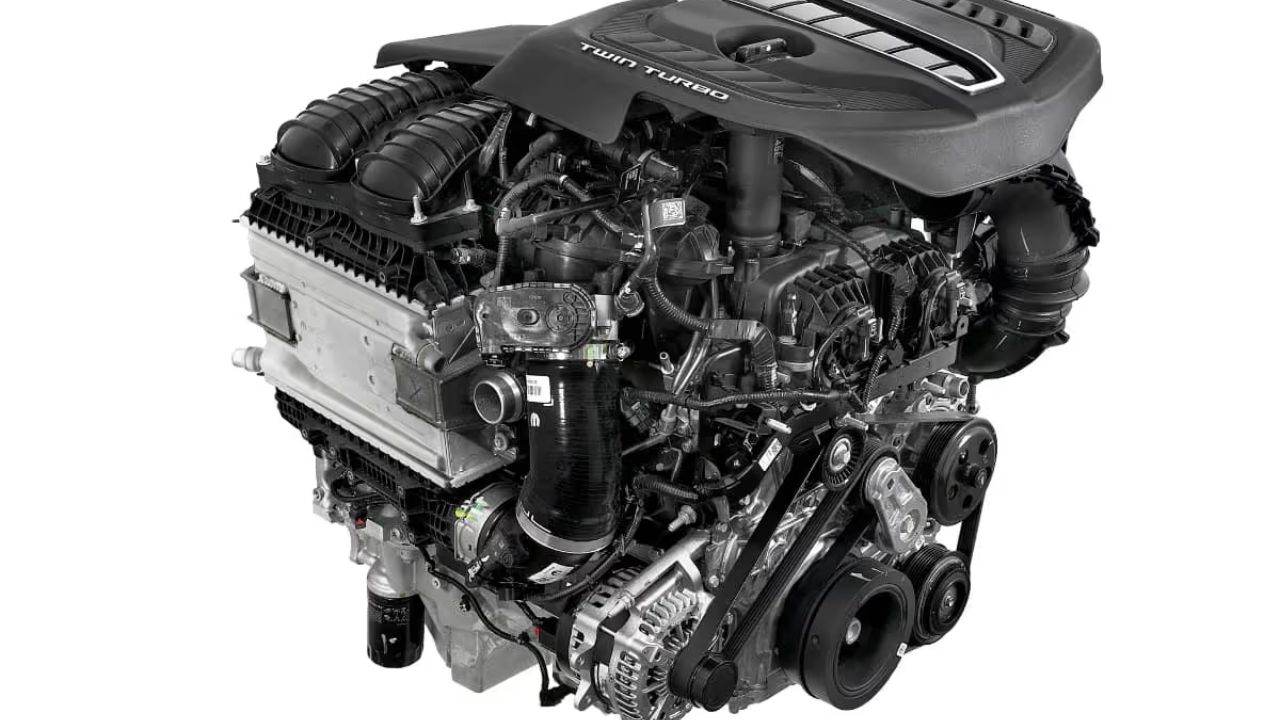
Modern turbocharged trucks are no longer simple workhorses. Vehicles like the Ford F-150 EcoBoost, Ram 1500, and Chevrolet Silverado rely heavily on forced induction and precise engine management to deliver high torque from relatively small displacement engines.
These engines are designed around specific fuel octane ratings. High octane doesn’t mean more power—it means greater resistance to premature combustion, also known as knocking. Turbocharged engines increase cylinder pressure by forcing more air into the combustion chamber, which naturally raises the risk of knock if the fuel cannot handle the pressure.
When drivers use fuel below the recommended octane rating, the engine control unit attempts to compensate. It does this by retarding ignition timing, reducing boost pressure, and adjusting fuel delivery. While this prevents immediate engine failure, it also reduces performance and increases heat inside the combustion chamber.
Mechanics say this is where long-term damage begins to develop. Constantly running lower-octane fuel forces the engine to operate outside its ideal calibration window. Over time, elevated combustion temperatures can contribute to carbon buildup, increased wear on piston rings, and stress on turbocharger components.
In severe cases, low-octane fuel under heavy load—such as towing or highway acceleration—can still trigger mild knocking events even with modern knock sensors in place. These micro-detonations may not be noticeable to the driver, but they can gradually degrade engine internals.
Why it matters
The issue with low-octane fuel isn’t just performance loss—it’s the combination of heat, pressure, and compensation that modern engines must manage repeatedly over time.
Turbocharged engines are especially sensitive because they already operate at higher compression pressures than naturally aspirated engines. In platforms like the Ford F-150 EcoBoost, the engine is calibrated to balance power output and efficiency very precisely. When fuel quality drops, that balance is disrupted.
One of the most important risks is sustained thermal stress. Retarded ignition timing causes combustion to occur later in the cycle, which pushes more heat into the exhaust system. This extra heat can affect turbocharger longevity, catalytic converters, and exhaust valves over time.
Another issue is increased fuel consumption. When the engine pulls timing and reduces efficiency, drivers often compensate by pressing the throttle harder, which creates a feedback loop of higher load and lower efficiency. This defeats the purpose of using cheaper fuel in the first place.
Mechanics also point out that modern engines rely heavily on sensors and software to protect themselves, but these systems are not designed to permanently correct for poor fuel quality. They are safety nets, not long-term solutions. Repeated reliance on knock correction can still accelerate wear even if the engine never experiences catastrophic failure.
Heavy-duty use makes the problem worse. Trucks used for towing, hauling, or sustained highway speeds place continuous load on the engine, increasing cylinder pressure and heat. In these conditions, low-octane fuel provides less margin for error, especially in hot climates or under full payload.
What to watch next
Technicians recommend always following the manufacturer’s minimum octane requirement, especially for turbocharged or high-compression engines. Many modern pickup trucks are designed to run on regular fuel under light load, but they often deliver optimal performance and efficiency on mid-grade or premium fuel depending on tuning.
One early warning sign of fuel-related stress is reduced throttle response. If a truck feels noticeably slower or less responsive after refueling, the engine may be pulling timing due to knock detection. While this is protective behavior, it indicates the engine is operating outside its ideal conditions.
Another indicator is decreased fuel economy. When ignition timing is retarded, combustion efficiency drops, meaning more fuel is required to produce the same output. Drivers may notice fewer miles per tank without any mechanical issues being visible.
Towing or hauling while using low-octane fuel is where most mechanics see long-term issues develop. Under sustained load, the combination of heat and pressure amplifies any weaknesses in fuel quality, making knock events more likely even with modern engine management systems.
Looking forward, turbocharged engines will continue to dominate pickup truck design due to emissions and efficiency requirements. That means fuel sensitivity will remain a critical factor in long-term reliability. Engines will become more advanced in detecting knock and adjusting parameters, but they cannot fully eliminate the physical limitations of low-octane combustion.
The takeaway from mechanics is straightforward: modern turbocharged truck engines are engineered for precision, not compromise. Saving a small amount at the pump by using lower-octane fuel can quietly increase heat, reduce efficiency, and place long-term stress on components that are expensive to repair or replace.
More from Fast Lane Only